Vegetarian on Ozempic: Nutrition Considerations That Actually Matter
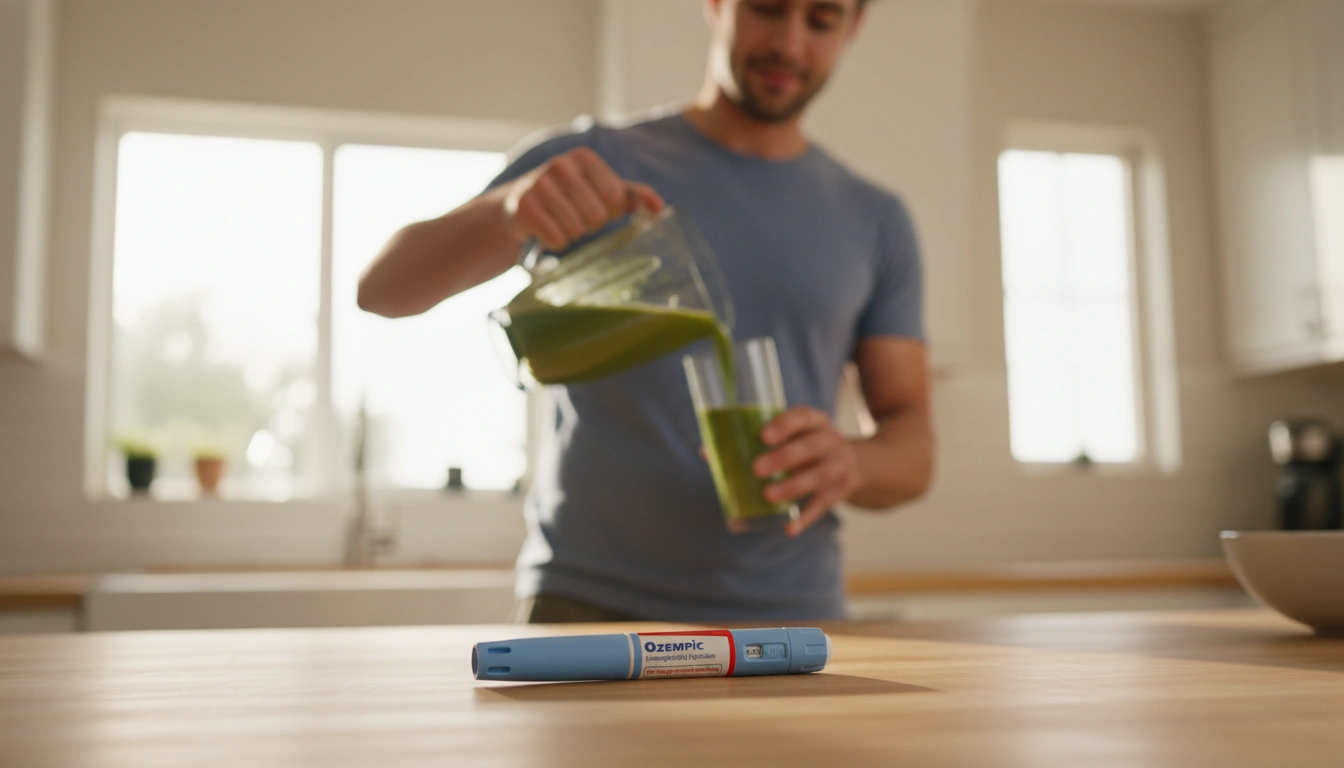
Most nutrition guidance for GLP-1 medications assumes the patient eats meat. Protein recommendations default to chicken breast and eggs. Meal examples involve ground turkey. If you’re vegetarian and starting Ozempic or semaglutide, you’re often left to translate generic advice into a dietary framework that actually fits how you eat. That translation matters, because vegetarian diets have specific nutritional dynamics that interact with GLP-1 treatment in ways worth understanding before you start.
Why Protein Gets More Complicated on a Vegetarian GLP-1 Diet
The protein conversation is central to any GLP-1 treatment discussion, and it gets more nuanced for vegetarians. The core challenge is that plant-based protein sources tend to come packaged with more carbohydrates and fiber than animal proteins, and they often have lower digestibility and incomplete amino acid profiles compared to meat.
This isn’t a reason to avoid plant proteins. It’s a reason to be more deliberate about them.
When appetite is suppressed by compounded semaglutide or a similar medication, total food volume decreases. For omnivores, a smaller volume of meat-based meals can still deliver substantial protein. For vegetarians, achieving the same protein yield in a smaller food volume requires more strategic choices, because many plant protein sources are lower in protein density per calorie than their animal counterparts.
Consider the comparison: 100 grams of chicken breast delivers roughly 31 grams of protein with minimal carbohydrates. 100 grams of cooked lentils delivers about 9 grams of protein alongside 20 grams of carbohydrates. Both are nutritious foods, but the protein-to-volume ratio is meaningfully different, and that difference matters when appetite suppression is limiting how much you eat overall.
High-Protein Vegetarian Foods That Work Well on GLP-1
The good news is that vegetarian diets include several genuinely protein-dense options that hold up well during GLP-1 treatment.
Eggs are the most protein-complete food available to lacto-ovo vegetarians. Three eggs deliver roughly 18 grams of high-quality complete protein in a compact, easily digestible format. They’re also easy to prepare when appetite is low and nausea is a factor during early treatment.
Greek yogurt and cottage cheese are among the highest-protein dairy options available. A cup of full-fat Greek yogurt can deliver 17-20 grams of protein, and cottage cheese competes similarly. Both are also soft, easy to eat when GLP-1 side effects make heavier foods unappealing, and versatile enough to incorporate into multiple meals.
Tofu and tempeh deserve more credit than they get in mainstream nutrition discussions. Firm tofu delivers about 17 grams of protein per 100 grams. Tempeh, which is fermented and more digestible, delivers closer to 19 grams per 100 grams alongside probiotic benefits. Both take on flavors well, making them easier to incorporate across different meals.
Edamame is one of the few plant foods that qualifies as a complete protein, meaning it contains all essential amino acids. A cup of shelled edamame delivers roughly 17 grams of protein and works as a snack, side dish, or addition to grain bowls.
Legumes broadly (lentils, chickpeas, black beans, kidney beans) are protein-rich by plant food standards and come with substantial fiber and micronutrients. They pair well with grains to create complete amino acid profiles, though the carbohydrate load is worth considering if blood sugar management is a treatment goal.
Micronutrients That Vegetarians Need to Monitor More Carefully
Protein is the headliner, but it’s not the only nutritional consideration for vegetarians on GLP-1 medications. Several micronutrients are harder to obtain or absorb from plant-based diets, and GLP-1-reduced food intake can exacerbate deficiencies that were already borderline.
Vitamin B12 is found almost exclusively in animal products. Vegetarians who consume dairy and eggs get some, but often not enough to maintain optimal levels. B12 deficiency develops slowly but produces significant consequences including fatigue, neurological symptoms, and anemia. Supplementation is advisable for most vegetarians on GLP-1 medications, particularly when total food intake is reduced.
Iron from plant sources (non-heme iron) is absorbed significantly less efficiently than iron from meat (heme iron). Pairing iron-rich plant foods like lentils, spinach, and fortified cereals with vitamin C sources improves absorption, but vegetarians are still at higher risk for iron deficiency. This is particularly relevant for women of reproductive age and for anyone experiencing fatigue, which is already a common early side effect of GLP-1 treatment.
Zinc follows a similar pattern to iron. Plant-based zinc sources include legumes, nuts, seeds, and whole grains, but phytates in these foods inhibit absorption. Vegetarians generally need somewhat higher zinc intake than omnivores to achieve the same absorbed amount.
Omega-3 fatty acids are another gap worth addressing. The short-chain ALA found in flaxseed, chia, and walnuts converts inefficiently to the long-chain EPA and DHA that support cardiovascular and inflammatory health. Algae-based omega-3 supplements provide DHA and EPA directly from the same source fish get it from, making them the most practical solution for vegetarians.
Calcium and vitamin D matter especially for vegetarians who limit dairy. Weight loss through GLP-1 treatment can have modest effects on bone density if calcium and vitamin D intake isn’t adequate. Fortified plant milks, tofu made with calcium sulfate, and supplementation where needed help address this.
Managing GLP-1 Side Effects on a Vegetarian Diet
The nausea and reduced appetite common in early GLP-1 treatment interact with vegetarian eating in specific ways. High-fiber plant foods, which are a cornerstone of most vegetarian diets, can worsen GI symptoms when the gut is already adjusting to medication-induced slowing of gastric emptying.
During the first few weeks of treatment, some vegetarians find it helpful to temporarily reduce very high-fiber foods (raw vegetables, large portions of legumes, whole grain products with heavy fiber content) and focus on more easily digestible protein sources like eggs, yogurt, and soft tofu. This isn’t a permanent dietary shift, just a practical accommodation during the adjustment period.
The semaglutide first week experience covers the typical early side effect pattern in detail, which helps vegetarians anticipate what the adjustment period looks like and plan their eating accordingly.
Meal Patterns That Work
Given reduced appetite on GLP-1 medications, vegetarians often do best with smaller, more frequent eating occasions rather than three large meals. A pattern of three moderate meals with one or two protein-focused snacks tends to distribute protein intake more evenly throughout the day, which supports muscle protein synthesis better than concentrating protein in one or two large meals.
A practical day might look like: a breakfast of scrambled eggs with sauteed vegetables and a side of Greek yogurt, a lunch of tempeh grain bowl with edamame and roasted vegetables, an afternoon snack of cottage cheese with berries, and a dinner of lentil soup with whole grain bread and a side salad. This kind of structure delivers adequate protein across multiple eating occasions without requiring large meal volumes.
For vegetarians who are also curious about more structured dietary approaches alongside GLP-1 treatment, GLP-1 and intermittent fasting covers the considerations for time-restricted eating, which some vegetarians find compatible with their eating patterns.
What About Vegan Patients?
This article focuses on vegetarians who consume dairy and eggs, which provides important nutritional flexibility. Vegan patients on GLP-1 medications face additional considerations, particularly around complete protein sourcing and B12, which is essentially impossible to obtain adequately from food alone on a fully plant-based diet. The vegan and GLP-1 article addresses those specific challenges in more depth.
Working With a Provider Who Understands Your Diet
When you start GLP-1 treatment through a telehealth provider, being explicit about your vegetarian diet helps ensure the guidance you receive is actually applicable to how you eat. Generic nutrition advice built around meat-centered meal examples isn’t useful if you don’t eat meat, and a good provider will either have vegetarian-specific guidance or refer you to a registered dietitian who does.
Start your assessment here to see whether GLP-1 treatment through TrimRx is the right fit for your weight loss goals.
This information is for educational purposes and is not medical advice. Consult with a healthcare provider before starting any medication. Individual results may vary.

Transforming Lives, One Step at a Time
Keep reading

Does Collagen Help With Loose Skin on Ozempic?
Probably not for the thing you are hoping it will fix, and it is unlikely to do harm. Collagen supplements have been studied mainly…

Does Apple Cider Vinegar Do Anything on Ozempic?
Not much that you are not already getting, and there is a specific reason to be careful with it on this medication. The main…

How to Portion Leftovers When Your Appetite Changed on Ozempic
Portion the food before you eat any of it, not after. That single change solves most of this. Once a meal is served and…


