Vegan and GLP-1: Meeting Your Protein Needs Without Animal Products
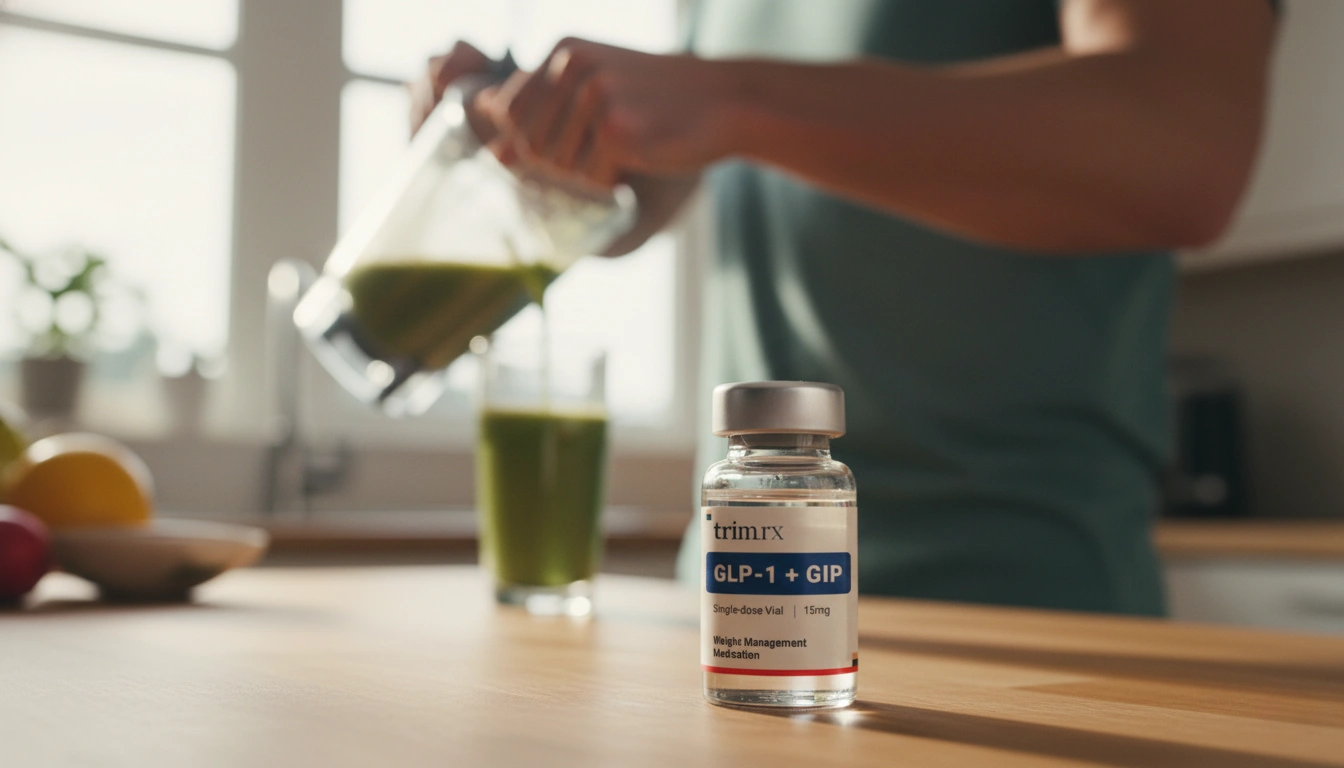
Going vegan while on a GLP-1 medication is entirely doable, but it requires more nutritional intentionality than either approach demands on its own. Semaglutide and similar medications suppress appetite significantly, which means total food volume drops. On a fully plant-based diet, where protein is already more dilute per calorie than in animal-based foods, that reduced intake creates a real risk of falling short on the nutrients that matter most for maintaining muscle, energy, and overall health during weight loss. This article is for people who are committed to eating vegan and want to do GLP-1 treatment right, not just adequately.
The Vegan Protein Challenge on GLP-1 Is Real
There’s no point softening this. Adequate protein intake on a vegan diet while taking a GLP-1 medication is one of the more demanding nutritional puzzles in this space. Here’s why.
GLP-1 medications like compounded semaglutide suppress appetite through hormonal signaling that reduces hunger and increases satiety. Most patients eat significantly less than they did before starting medication. For omnivores, even a small amount of meat, fish, or eggs delivers a dense protein payload in a compact volume. For vegans, most protein sources come bundled with substantial carbohydrates, fiber, and water, meaning you need to eat more food volume to hit the same protein target, at exactly the time when appetite suppression is pushing food volume down.
The numbers illustrate this clearly. A 150-gram serving of salmon delivers roughly 35 grams of protein. The same protein from black beans requires approximately 400 grams of cooked beans, nearly three times the food volume, alongside 70 grams of carbohydrates. When GLP-1 appetite suppression makes eating feel effortful, the vegan has to work harder nutritionally to get what the omnivore gets almost automatically.
This isn’t a reason to abandon veganism. It’s a reason to approach the combination strategically.
The Highest-Protein Vegan Foods Worth Building Meals Around
Some plant foods are genuinely protein-dense and deserve to anchor a vegan GLP-1 diet.
Seitan is the standout. Made from wheat gluten, it delivers roughly 25 grams of protein per 100 grams, making it one of the most protein-concentrated plant foods available. It’s also low in carbohydrates relative to legumes, which makes it particularly useful for vegans managing blood sugar alongside weight loss. The caveat is that it’s not appropriate for anyone with celiac disease or non-celiac gluten sensitivity.
Tempeh fermented soy product delivers approximately 19 grams of protein per 100 grams and benefits from improved digestibility compared to raw soy. The fermentation process also reduces the phytate content that can inhibit mineral absorption, making tempeh a nutritionally superior choice to many other soy products.
Edamame provides around 17 grams of complete protein per cup and is one of the few plant foods with a full essential amino acid profile. Its relatively low carbohydrate load compared to other legumes makes it useful for blood sugar management.
Firm and extra-firm tofu delivers 15-17 grams of protein per 100 grams depending on water content. Pressing tofu before cooking removes excess moisture, concentrates protein per bite, and improves texture significantly.
Lentils clock in at about 9 grams of protein per 100 grams cooked, which is lower than the above options but comes with exceptional fiber content, iron, folate, and a low glycemic index. Red lentils cook quickly and blend smoothly into soups and sauces.
Hemp seeds are worth special mention because they’re a complete protein (containing all essential amino acids) and deliver about 10 grams of protein per 3 tablespoons, easily sprinkled onto meals without requiring any cooking or preparation.
Completeness: Getting All Essential Amino Acids
Animal proteins are complete by default, containing all nine essential amino acids in adequate proportions. Most plant proteins are not, meaning they’re low or limiting in one or more essential amino acids. This doesn’t mean plant proteins are inadequate, but it does mean variety matters more.
The classic pairing principle (rice and beans, for example) works because each food’s amino acid profile complements the other’s gaps. A broader principle is simply to eat a variety of protein sources across the day. Combining legumes, grains, and seeds across meals naturally covers the essential amino acid spectrum without requiring obsessive tracking.
The one exception is soy (tofu, tempeh, edamame) and quinoa, both of which are complete proteins on their own. Centering meals around these foods simplifies the completeness question considerably.
Critical Micronutrients for Vegan GLP-1 Patients
Beyond protein, several micronutrients require active attention for vegans on GLP-1 medications.
Vitamin B12 is the non-negotiable. It exists in meaningful amounts only in animal products. No plant food reliably delivers enough B12 to prevent deficiency without supplementation or fortified foods. Deficiency develops over months to years and produces serious consequences including irreversible neurological damage. Every vegan on a GLP-1 medication should be supplementing B12, full stop. A daily supplement of 250-500 mcg cyanocobalamin or a weekly high-dose supplement are both effective strategies.
Iodine is often overlooked in vegan nutrition discussions. Dairy and seafood are the primary iodine sources in most diets, and vegans who don’t use iodized salt or seaweed regularly are frequently deficient. Iodine is essential for thyroid function, and thyroid health is directly relevant to metabolic rate and weight management. A supplement containing 150 mcg iodine daily covers the gap reliably.
Iron from plant sources (non-heme iron) absorbs at roughly 2-20 percent efficiency compared to 15-35 percent for heme iron from meat. Consuming iron-rich plant foods (lentils, tofu, pumpkin seeds, fortified cereals) alongside vitamin C dramatically improves absorption. Coffee and tea consumed close to meals inhibit it. Vegan women of reproductive age are at particularly high risk for iron deficiency and should have levels monitored.
Long-chain omega-3s (EPA and DHA) are found in fatty fish but not in plant foods in meaningful amounts. The short-chain ALA in flaxseed and walnuts converts to EPA and DHA at less than 10 percent efficiency. Algae-based omega-3 supplements provide EPA and DHA directly, sourced from the same algae that fish eat. This is the most practical solution for vegans who want adequate long-chain omega-3 status.
Calcium requires deliberate attention when dairy is excluded. Calcium-set tofu, fortified plant milks, edamame, bok choy, kale, and almonds all contribute meaningfully. A total intake of around 1,000 mg daily is the general target for adults, and it’s achievable on a vegan diet with planning.
Zinc and vitamin D round out the commonly deficient nutrients in vegan populations. Both are available as supplements and worth including in any vegan’s GLP-1 treatment regimen, particularly during periods of reduced food intake.
Practical Meal Framing for Vegan GLP-1 Patients
When GLP-1 appetite suppression reduces meal size, the priority order for nutrient placement in meals shifts. Protein goes first, before appetite signals off. A practical framing for each meal is to identify the protein anchor first, then build the rest of the meal around it.
Breakfast might center on a tofu scramble with hemp seeds and nutritional yeast, delivering 25-30 grams of protein in a manageable volume. Lunch could be a tempeh grain bowl with edamame, roasted vegetables, and tahini dressing. Dinner might involve seitan stir-fry with a variety of vegetables over a small portion of quinoa.
Vegan protein shakes using pea protein or a blended pea-and-rice protein formula are genuinely useful tools during GLP-1 treatment. A well-formulated vegan protein powder delivers 25-30 grams of complete protein per serving in a liquid format that’s easy to consume even when appetite is blunted and solid food feels unappealing.
For patients also considering how dietary timing fits into their approach, GLP-1 and intermittent fasting addresses time-restricted eating patterns that some vegan patients find compatible with their lifestyle.
Monitoring and Working With Your Provider
Vegan patients starting GLP-1 treatment benefit from baseline bloodwork that includes B12, iron studies, vitamin D, iodine, and a complete metabolic panel. Deficiencies that were borderline before starting medication may become clinically significant when total food intake drops. Annual monitoring makes sense for anyone on long-term GLP-1 treatment.
Being explicit with your telehealth provider about your vegan diet ensures the guidance you receive is actually relevant. Generic nutrition handouts built around chicken and Greek yogurt aren’t useful if you don’t eat those foods. A provider or registered dietitian familiar with plant-based nutrition can help you structure an approach that supports both your weight loss goals and your dietary values.
If you’re curious whether compounded tirzepatide might be a better fit than semaglutide for your goals, it’s worth knowing that tirzepatide’s stronger appetite suppression makes the nutritional management considerations described here even more important. More appetite suppression means more deliberate effort required to hit protein and micronutrient targets on a vegan diet.
Start your assessment here to find out whether GLP-1 treatment through TrimRx is right for you.
This information is for educational purposes and is not medical advice. Consult with a healthcare provider before starting any medication. Individual results may vary.

Transforming Lives, One Step at a Time
Keep reading

Construction Work in Summer on a GLP-1
Summer on a job site means early starts, heavy physical work, direct sun or hot interiors, and lunch from a cooler or the back…

Colonoscopy Prep on a GLP-1
If you are on a GLP-1 and have a colonoscopy, upper endoscopy, or any procedure with sedation coming up, the single most important step…
Clergy and Community Meals on a GLP-1
For pastors, priests, rabbis, imams, chaplains, and other community leaders, food is part of the work. Potlucks, fellowship dinners, holiday meals, funeral receptions, and…


