GLP-1 and Travel: Managing Your Medication
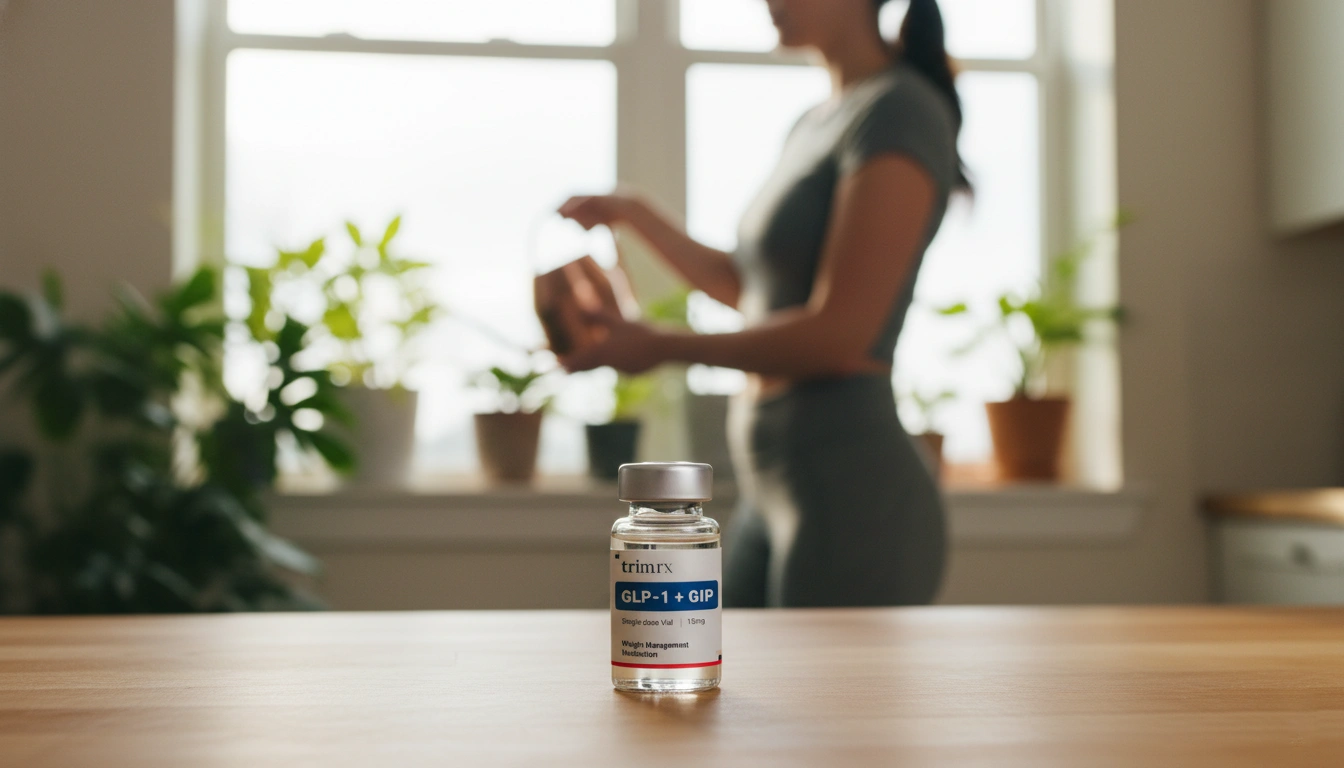
Traveling with a weekly injectable medication sounds more complicated than it actually is. Once you understand the storage rules, TSA guidelines, and a few practical habits, most people find that GLP-1 medications like Ozempic, Wegovy, and compounded semaglutide travel just as easily as any other prescription. What trips people up is not knowing the rules ahead of time, so let’s cover everything you need before your next trip.
How GLP-1 Medications Handle Temperature
Storage is the most common concern travelers have, and it’s worth getting the specifics right because improper storage can degrade the medication and affect how well it works.
Unopened GLP-1 pens should be refrigerated at 36°F to 46°F (2°C to 8°C) until first use. Once you’ve started using a pen, the rules change: an in-use pen can be stored at room temperature, below 77°F (25°C), for a set period depending on the medication. For semaglutide-based pens, that window is up to 56 days. Tirzepatide-based pens allow up to 21 days at room temperature once in use.
What this means practically is that for most trips of a few weeks or less, your in-use pen doesn’t need refrigeration at all, as long as you’re not somewhere extremely hot. A cool hotel room, a shaded bag, or an insulated travel pouch handles it fine.
For longer trips or when traveling with unopened pens, a small medication cooler or insulated case with a reusable ice pack works well. Avoid anything that freezes the medication directly, since frozen GLP-1 medication should not be used.
Flying With GLP-1 Medications: What TSA Actually Allows
TSA permits injectable medications in carry-on bags without any quantity restrictions. You are not limited to the standard 3.4-ounce liquid rule for medications. Here’s what helps the process go smoothly at security:
Keep your medication in your carry-on, not your checked luggage. Cargo holds can experience temperature extremes, and checked bags get lost. Neither outcome is acceptable when you’re managing a treatment schedule.
Carry your original prescription label or a letter from your prescriber if possible. Most people travel without issue, but having documentation available if you’re asked makes the process faster.
Needles and syringes used for medication administration are permitted, but TSA recommends carrying them with the labeled medication. This is standard practice for anyone traveling with injectable prescriptions.
If you’re flying internationally, research the destination country’s regulations around injectable medications and controlled substances before you leave. Most countries allow travelers to bring personal-use quantities of prescription medication with proper documentation.
Keeping Your Injection Schedule on Track
GLP-1 medications are weekly injections, which gives you meaningful flexibility. You’re not managing daily timing or pre-meal doses. If your injection day falls during a travel day, you can shift it by a day in either direction without meaningfully affecting your results.
For long-haul travel across multiple time zones, the once-weekly structure means you rarely need to calculate precise timing adjustments. Pick a consistent local day for your injection and stick with it throughout your trip.
Consider this scenario: a traveler flying from New York to London for a ten-day work trip injects on Sundays at home. Their injection day falls on a travel day this time. Injecting the evening before departure, or the day after arrival, keeps them within an acceptable window and avoids the hassle of injecting in an airport or on a plane.
Injecting during travel is perfectly safe if timing requires it. The abdomen, thigh, or upper arm are all standard injection sites. A private airport lounge, an airplane lavatory, or a hotel room on arrival all work fine.
Eating Well While Traveling on GLP-1
This is where many people on GLP-1 medications feel the most uncertainty. Travel eating is unpredictable: airport food, long flights with limited options, restaurant-heavy itineraries, time zone disruptions to hunger cues.
The good news is that the appetite suppression from medications like semaglutide and tirzepatide works regardless of where you are. You’ll likely find it easier to avoid overeating at a buffet breakfast or a multi-course business dinner than you would without the medication.
A few things worth keeping in mind while traveling:
Don’t skip meals entirely on long travel days. Going too many hours without food while on GLP-1 medication can increase nausea when you do eat. A small snack during a long layover prevents that uncomfortable combination of hunger and GI sensitivity.
Rich, fatty foods cause more GI symptoms. Airport fast food and heavy restaurant meals are common culprits for nausea and digestive discomfort on these medications. Lighter options, when available, are worth choosing during the first months of treatment especially.
Hydration matters more than usual. Travel dehydrates you, and dehydration can amplify side effects. Keeping water accessible throughout a travel day is an easy habit that pays off.
Managing Side Effects Away From Home
Most people who have been on GLP-1 medications for a few months have a solid read on their personal side effect pattern. If you’re newer to treatment, being away from home during an adjustment period is worth planning around.
If nausea or GI symptoms tend to hit within 24 to 48 hours of your injection, try to time your shot so that window falls during lower-demand travel days. Injecting at the end of a travel day rather than the start, or choosing a rest day rather than a packed sightseeing day, gives your body room to adjust without it affecting your plans.
If you’re traveling internationally and something goes wrong medically, having your prescription information, medication name, and prescriber contact accessible is genuinely useful. Telehealth providers like TrimRx make this easier since your records and provider communication are fully digital and accessible from anywhere.
Planning Ahead for Longer Trips
For trips lasting more than a few weeks, make sure you have enough medication before you leave. Refill timing, shipping logistics, and the practicalities of receiving a temperature-sensitive medication at a temporary address all get complicated fast. Running out of medication mid-trip can disrupt your progress and require scrambling to find a local solution.
Check the tirzepatide results timeline or your own treatment history to understand where you are in your dose escalation, and confirm with your provider that you’re set up with enough supply before departure.
If you’re still deciding which GLP-1 medication fits your lifestyle best before starting treatment, the TrimRx intake quiz walks you through your options based on your health profile and goals.
The Short Version
Traveling with GLP-1 medications is genuinely manageable once you know the rules. Keep your in-use pen at room temperature for short trips, store unopened pens in an insulated cooler for longer ones, pack everything in your carry-on, and give yourself a one-day buffer on your injection schedule if a travel day conflicts. The once-weekly dosing structure works in your favor here. A little planning upfront means the medication fits into your travel routine rather than complicating it.
Research published in Obesity Reviews confirmed that patient adherence to GLP-1 receptor agonist therapy correlates strongly with sustained weight loss outcomes, which makes the logistics of staying consistent while traveling worth the effort.
This information is for educational purposes and is not medical advice. Consult with a healthcare provider before starting any medication. Individual results may vary.

Transforming Lives, One Step at a Time
Keep reading
What Happens to Your GLP-1 Prescription If You Move to Another State?
Your prescribing provider generally has to be licensed in the state where you are physically located when you receive care. That is the rule…

How to Handle a Family Member Who Disapproves of GLP-1 Medications
You are not obliged to win the argument, and trying to is usually what makes it worse. The most effective response to sustained disapproval…

How to Respond When Someone Calls GLP-1 the Easy Way Out
You do not have to argue, and the shortest response is usually the most effective. “It’s a medical treatment for a medical condition.” Then…


