Saxenda vs Wegovy: Complete Comparison
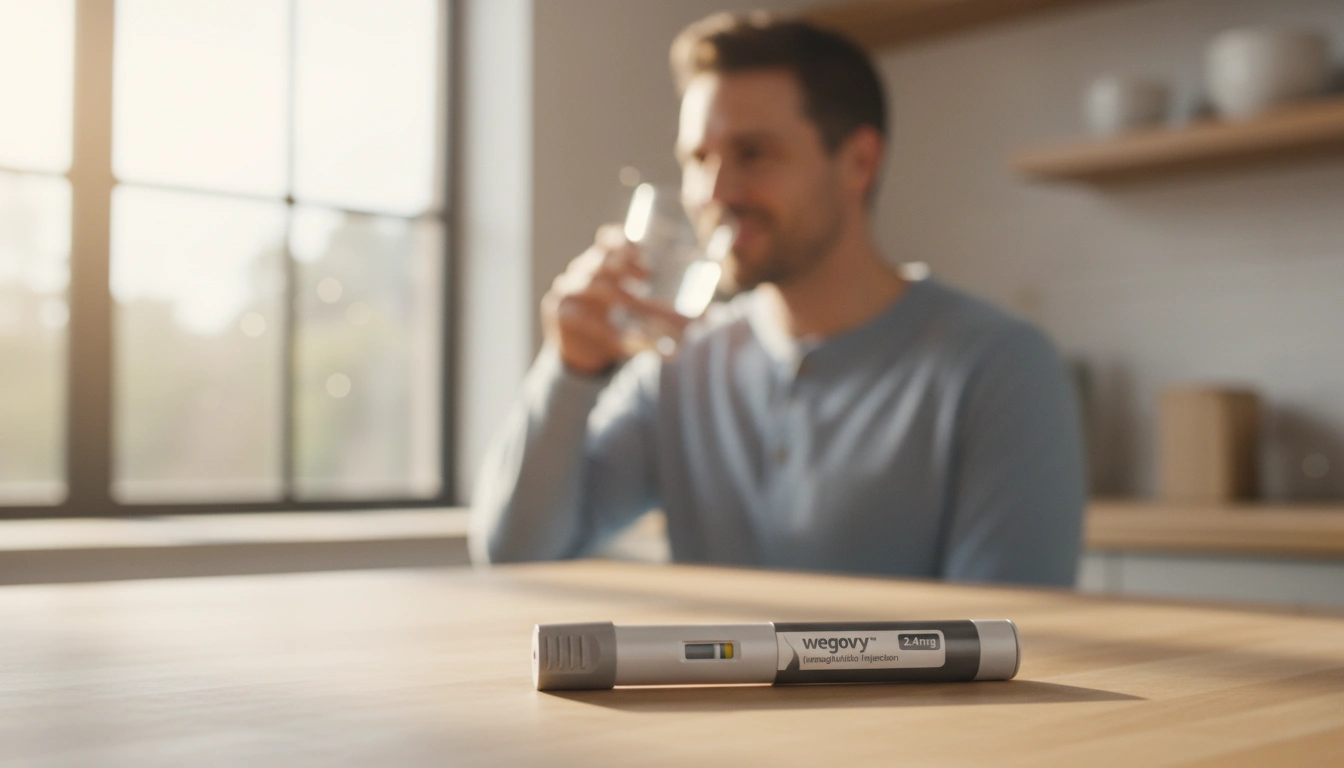
Both Saxenda and Wegovy are FDA-approved specifically for chronic weight management, which puts them in a smaller and more directly comparable category than many GLP-1 medications. If you’re trying to decide between them, or if your provider has mentioned both as options, understanding how they actually differ in practice makes that decision considerably clearer. The short version is that they share a mechanism but diverge significantly on efficacy, dosing convenience, and cost.
What They Have in Common
Saxenda and Wegovy are both GLP-1 receptor agonists approved for adults with a BMI of 30 or higher, or 27 or higher with at least one weight-related condition like high blood pressure, type 2 diabetes, or high cholesterol. Both require a prescription, both are injectable, and both work by mimicking the GLP-1 hormone to reduce appetite, slow gastric emptying, and support sustained calorie reduction.
They also share a similar side effect profile. Nausea, vomiting, diarrhea, and constipation are the most commonly reported issues with both medications, concentrated during dose escalation and improving for most people once a stable maintenance dose is reached.
Beyond those shared features, the differences are meaningful.
The Molecule Difference: Liraglutide vs Semaglutide
Saxenda contains liraglutide, a first-generation GLP-1 receptor agonist. Wegovy contains semaglutide, a structurally modified version of the GLP-1 hormone with a significantly longer half-life.
That molecular difference drives everything else. Because liraglutide clears from the body faster, Saxenda requires a daily injection. Because semaglutide stays active much longer, Wegovy requires only a weekly injection. The difference in half-life also contributes to the difference in potency and sustained appetite suppression.
Dosing Schedules Side by Side
Saxenda starts at 0.6mg daily and escalates by 0.6mg increments each week until reaching the maintenance dose of 3mg per day. The full escalation takes about five weeks, and the daily injection schedule continues indefinitely for as long as the medication is used.
Wegovy starts at 0.25mg once weekly and escalates over 16 weeks to the full maintenance dose of 2.4mg once weekly. After the initial escalation period, it’s one injection per week.
| Feature | Saxenda | Wegovy |
|---|---|---|
| Active ingredient | Liraglutide | Semaglutide |
| Injection frequency | Daily | Weekly |
| Maintenance dose | 3mg/day | 2.4mg/week |
| FDA approval year (weight loss) | 2014 | 2021 |
| Average weight loss in trials | ~8% body weight | ~15% body weight |
| Available as compounded | No | Semaglutide is available compounded |
How the Results Compare
The efficacy gap between these two medications is one of the clearest in GLP-1 research. The SCALE Obesity and Prediabetes trial, which studied liraglutide 3mg, found average weight loss of approximately 8% of body weight over 56 weeks. The STEP 1 trial for semaglutide 2.4mg found average weight loss of nearly 15% of body weight over 68 weeks.
That’s roughly double the weight loss with Wegovy compared to Saxenda in clinical trial populations. Head-to-head comparisons have confirmed semaglutide’s superiority, and this difference is consistent enough that most providers now consider semaglutide the stronger option when both are accessible.
For people who tried Saxenda and found their results plateaued earlier than expected or fell short of their goals, moving to a semaglutide-based medication is a well-supported clinical decision. The Wegovy weight loss results data gives a detailed breakdown of what people actually experience on semaglutide over time.
Side Effects: Is One Easier to Tolerate?
Both medications share the same general side effect landscape, but the daily vs weekly dosing structure creates a practical difference in how those side effects are experienced.
With Saxenda, nausea or GI discomfort is a potential daily variable. If you’re sensitive to the medication, that sensitivity shows up every day rather than in a concentrated window. Some people find this manageable. Others find it exhausting over time.
With Wegovy, side effects tend to cluster around the 24 to 48 hours after injection and then subside. For people who experience nausea, it’s a predictable window they can plan around rather than an ongoing daily consideration.
Neither medication is universally easier to tolerate, but the weekly structure of Wegovy gives people more control over when they experience side effects relative to their schedule.
Consider this scenario: a patient using Saxenda for four months reports low-grade nausea almost every morning that makes breakfast difficult. Switching to Wegovy, she injects on Sunday evenings and feels mildly off on Mondays, but the rest of her week is symptom-free. The same underlying sensitivity to the medication class produces a very different daily experience depending on dosing frequency.
The Cost Reality
Both Saxenda and Wegovy carry high list prices without insurance. Saxenda runs approximately $1,300 to $1,400 per month at retail. Wegovy’s list price is similar, around $1,300 to $1,600 per month depending on the pharmacy.
Insurance coverage for both has been inconsistent, with many plans excluding weight loss medications even when FDA-approved for that indication. For people paying out of pocket, the cost of either brand-name medication is prohibitive for most.
This is where the availability of compounded semaglutide changes the equation considerably. Semaglutide is available through telehealth providers at significantly lower cost than brand-name Wegovy, making the more effective medication also the more accessible one for people without comprehensive insurance coverage. Compounded liraglutide does not have the same widespread availability, which means Saxenda’s cost disadvantage is compounded by fewer affordable alternatives.
For a fuller picture of navigating GLP-1 costs, the Wegovy cash price guide covers what people actually pay across different access routes.
Who Is Still a Good Candidate for Saxenda?
Given Wegovy’s stronger efficacy and semaglutide’s broader accessibility through compounded options, it’s reasonable to ask whether Saxenda still makes sense for anyone.
A few situations where liraglutide might remain a reasonable choice: patients who have previously tried semaglutide and found the side effect profile difficult, since individual responses to these molecules do vary. Patients whose insurance specifically covers Saxenda but not Wegovy. And patients whose providers have clinical reasons for preferring the longer track record of liraglutide specifically in the weight management context, given Saxenda’s approval predates Wegovy by seven years.
For most people starting treatment fresh today, however, the evidence points clearly toward semaglutide-based options as the stronger starting point.
Making the Right Choice for Your Situation
The comparison between Saxenda and Wegovy isn’t really close on efficacy or convenience. Wegovy produces roughly double the weight loss, requires one injection per week instead of daily, and is available in a compounded form that makes it financially accessible for people without insurance coverage.
What Saxenda has is a longer specific approval history for weight loss and, for some patients, a different side effect experience that may be preferable. Those are real considerations, but they’re the exception rather than the rule.
If you’re weighing your options before starting treatment, the TrimRx intake assessment walks you through a personalized evaluation based on your health history, goals, and current medications.
For people already on Saxenda who are considering switching, a conversation with your provider about moving to semaglutide is worth having. The transition is generally straightforward, and the results data suggests most people see improved outcomes after the switch.
A study published in the New England Journal of Medicine found that once-weekly semaglutide at 2.4mg produced substantially greater weight loss than placebo, with results significantly exceeding what has been documented for liraglutide in comparable trial designs, reinforcing the clinical case for semaglutide as the current standard in GLP-1 weight loss treatment.
This information is for educational purposes and is not medical advice. Consult with a healthcare provider before starting any medication. Individual results may vary.

Transforming Lives, One Step at a Time
Keep reading

Wegovy Prior Authorization Approved, Then Reversed: What Happens Now
Getting an approval and then losing it is worse than never being approved, and not only because of the medication. You made a plan…
Can the Wegovy Pill Hold the Weight You Lost on Semaglutide Injections?
Most likely yes, once you reach the maintenance dose. The risk is not the destination but the trip: switching means restarting titration on the…

Wegovy Alternatives: What Else Works for Weight Loss
If Wegovy isn’t working out, the strongest alternative is tirzepatide (Zepbound), which tends to produce more weight loss, followed by other GLP-1 options and…


