Contrave vs Ozempic: Comparing Weight Loss Medications
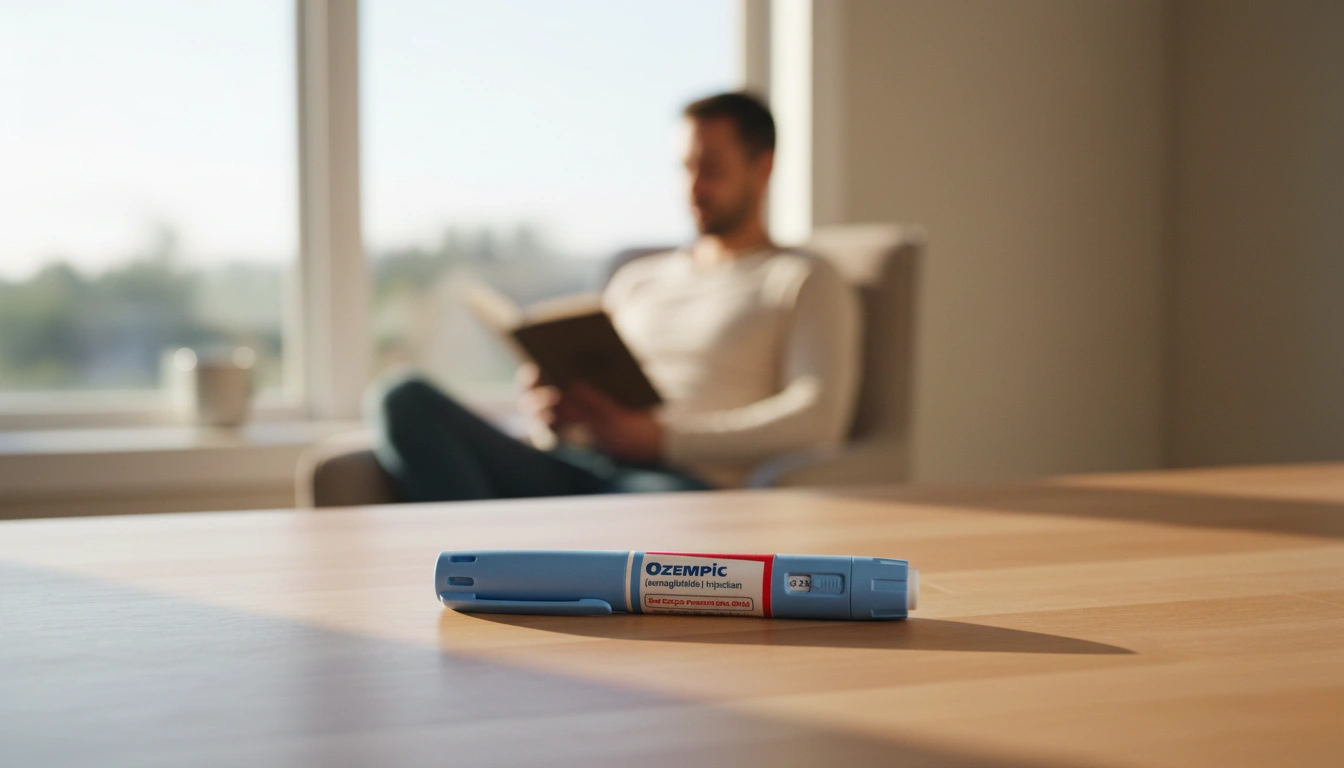
When people start researching prescription weight loss medications, Contrave and Ozempic often come up in the same conversation, but they work in fundamentally different ways and produce very different outcomes. Understanding what each medication actually does, and where each one fits, helps you ask better questions when talking to a provider and sets more realistic expectations before you start treatment.
Two Different Mechanisms Entirely
Ozempic and Contrave don’t just differ in how they’re taken. They work through completely separate biological pathways.
Ozempic contains semaglutide, a GLP-1 receptor agonist. It mimics a gut hormone that signals fullness, slows digestion, and reduces appetite at a hormonal level. The result is a significant reduction in hunger and calorie intake that doesn’t require conscious restriction to maintain. It also has meaningful effects on blood sugar regulation, which is why it was originally developed for type 2 diabetes management.
Contrave is a combination pill containing naltrexone and bupropion. Naltrexone is an opioid antagonist typically used for addiction treatment. Bupropion is an antidepressant and smoking cessation aid. Together, they target the brain’s reward and hunger centers, reducing food cravings and the emotional or habitual drive to eat. Unlike Ozempic, Contrave has no effect on blood sugar or metabolic function beyond appetite modulation.
This distinction matters because the two medications are addressing different drivers of overeating. Ozempic works primarily on physiological hunger and satiety signaling. Contrave works more on the psychological and reward-driven aspects of eating behavior.
How the Weight Loss Results Compare
The efficacy gap between these two medications is substantial and consistent across clinical research.
In the COR trials studying Contrave, participants lost an average of 5% to 6% of body weight over 56 weeks, with around 42% of participants achieving at least 5% weight loss. Those numbers represent a real benefit over placebo, but they’re modest compared to what GLP-1 medications produce.
Ozempic’s active ingredient, semaglutide, has been studied at the higher 2.4mg dose used in Wegovy for weight loss, where clinical trials showed average weight loss of approximately 15% of body weight over 68 weeks. Even at the lower doses used in Ozempic, real-world weight loss results consistently outperform what Contrave produces in comparable populations.
| Feature | Contrave | Ozempic |
|---|---|---|
| Active ingredients | Naltrexone + Bupropion | Semaglutide |
| Drug class | Opioid antagonist + antidepressant | GLP-1 receptor agonist |
| Dosing | Oral pill, twice daily | Weekly injection |
| Average weight loss | ~5-6% body weight | ~10-15% body weight |
| Blood sugar effects | None | Yes, lowers blood sugar |
| FDA approved for weight loss | Yes | Wegovy (semaglutide) approved; Ozempic approved for type 2 diabetes |
| Available compounded | No | Yes |
Side Effect Profiles: Very Different Experiences
Because these medications work through different mechanisms, their side effects don’t overlap much.
Contrave’s most common side effects are nausea, headache, dizziness, insomnia, dry mouth, and constipation. Because bupropion affects neurotransmitters, Contrave also carries a black box warning about increased risk of suicidal thoughts, which is standard for antidepressant medications. It’s also contraindicated for people with seizure disorders, eating disorders, or those currently using opioids or going through opioid withdrawal, since the naltrexone component blocks opioid receptors entirely.
Ozempic’s side effects are primarily gastrointestinal: nausea, vomiting, diarrhea, and constipation. These tend to peak during dose escalation and resolve for most people once they reach a stable dose. Ozempic carries a rare risk of pancreatitis and a noted contraindication for people with a personal or family history of medullary thyroid carcinoma.
For people who are sensitive to psychiatric medications, stimulants, or who have a history of seizures or eating disorders, Contrave’s contraindication list is more restrictive than Ozempic’s. For people with a history of opioid use or current opioid therapy, Contrave is not an option at all, since naltrexone blocks opioid receptors and can precipitate withdrawal.
The Oral vs Injectable Question
One of the most common reasons people initially prefer Contrave is that it’s a pill, not an injection. For people with needle anxiety or who simply prefer oral medication, this is a legitimate preference worth acknowledging.
That said, Ozempic’s once-weekly injection is a very different experience from daily medication management. Many people who were apprehensive about injections before starting find the reality much easier than anticipated. A short, thin needle, a simple auto-injector device, and a weekly rather than daily habit add up to something most people adapt to quickly.
It’s also worth noting that semaglutide is available in an oral form under the brand name Rybelsus, though that version is approved for type 2 diabetes rather than weight loss specifically, and its absorption requires specific fasting and timing protocols that many people find more cumbersome than a weekly injection.
Who Contrave Tends to Work Best For
Despite the efficacy advantage of semaglutide-based medications, Contrave isn’t without a use case.
People whose overeating is primarily driven by cravings, emotional eating, or reward-seeking behavior, rather than persistent physiological hunger, may find Contrave’s mechanism more targeted to their specific pattern. The bupropion component has genuine effects on dopamine pathways that reduce the appeal of food as a reward, which can be meaningful for people who eat when they’re not hungry.
People who are already on bupropion for depression or smoking cessation may find Contrave a natural extension of existing treatment. And for people who are not candidates for GLP-1 medications due to specific contraindications, Contrave represents an alternative class with a different risk profile.
Consider this scenario: a patient with a history of binge eating and strong food cravings unrelated to hunger finds that Contrave significantly reduces the urge to eat in the evenings when she isn’t genuinely hungry. She loses 14 pounds over six months. A different patient with the same starting weight but primarily driven by persistent physical hunger finds Contrave doesn’t address his core issue, while semaglutide reduces his baseline hunger substantially and produces better results.
Cost and Accessibility
Contrave’s list price runs approximately $600 to $700 per month without insurance, which is lower than brand-name GLP-1 medications but still significant. Generic versions of the individual components, bupropion and naltrexone, are available separately at much lower cost, though the specific combination and release formulation in Contrave is what has the clinical evidence behind it.
Ozempic at list price runs around $900 to $1,000 per month without insurance coverage. However, compounded semaglutide through telehealth providers is available at a fraction of that cost, which changes the comparison considerably for people paying out of pocket. For people exploring affordable GLP-1 options, reviewing how to get GLP-1 medications without insurance covers the practical routes available.
Putting It Together
For most people whose primary goal is meaningful, sustained weight loss, the clinical evidence points clearly toward semaglutide-based medications as the stronger option. The weight loss outcomes are roughly two to three times greater than what Contrave produces, the mechanism addresses physiological hunger more directly, and the once-weekly dosing is genuinely manageable for most people.
Contrave has a role, particularly for people with specific contraindications to GLP-1 medications, strong reward-driven eating patterns, or existing reasons to be on bupropion. But it’s not a comparable alternative to Ozempic in terms of raw efficacy for weight loss.
If you’re ready to explore whether a GLP-1 medication is the right fit for your situation, the TrimRx intake quiz walks you through a personalized evaluation based on your health profile and goals. For people already on Ozempic who want to understand what longer-term treatment looks like, the guide on how long you can take Ozempic for weight loss covers the current clinical thinking on sustained use.
A study published in Obesity found that naltrexone-bupropion produced significantly less weight loss than semaglutide in comparative analyses, reinforcing the clinical consensus that GLP-1 receptor agonists represent a more effective pharmacological approach to obesity treatment for most patients.
This information is for educational purposes and is not medical advice. Consult with a healthcare provider before starting any medication. Individual results may vary.

Transforming Lives, One Step at a Time
Keep reading

Why Does My Tongue Feel Coated on Ozempic?
Usually because there is less saliva washing your tongue clean, and less food passing over it to do the same job mechanically. Your tongue…

Starting a New Job With No Insurance While on Ozempic
The problem is usually a waiting period rather than a permanent loss, and waiting periods are plannable in a way that job loss is…

Does Collagen Help With Loose Skin on Ozempic?
Probably not for the thing you are hoping it will fix, and it is unlikely to do harm. Collagen supplements have been studied mainly…


