Ozempic for Men: What’s Different
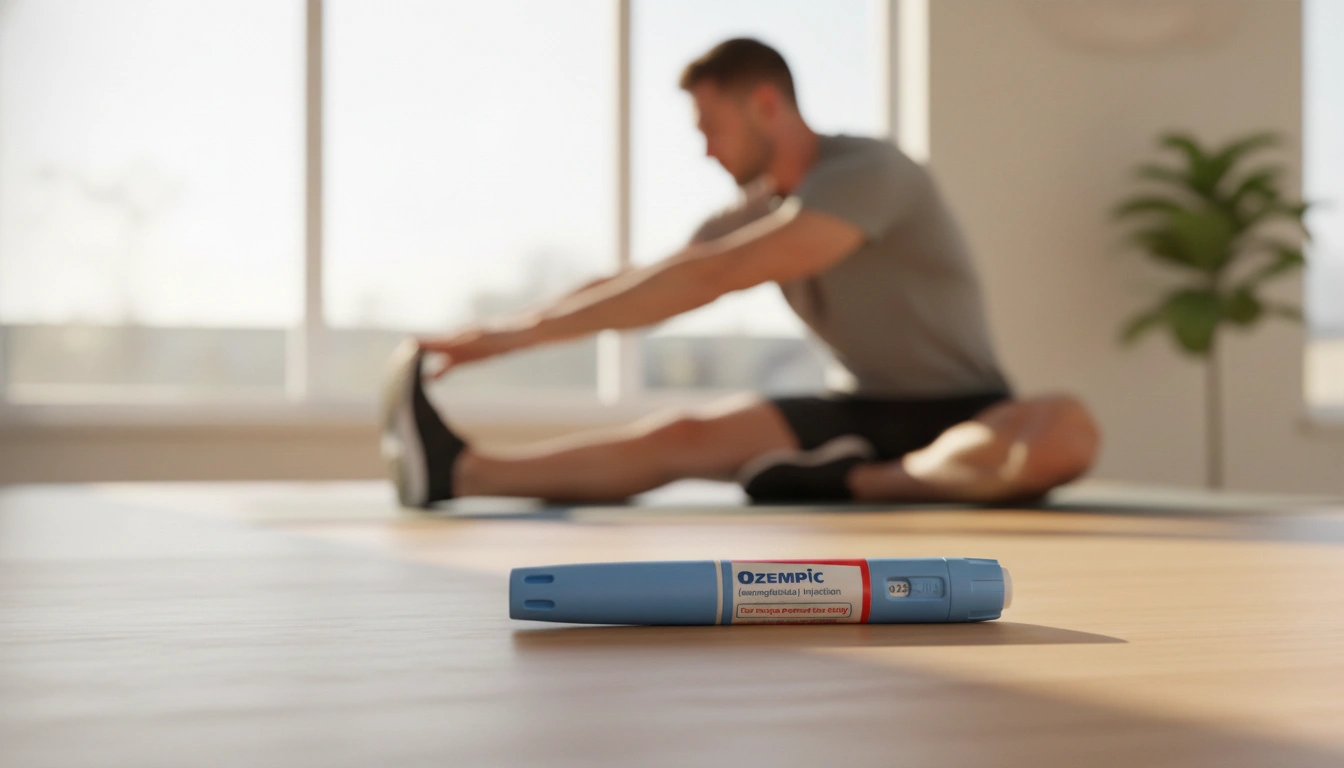
Men and women lose weight differently. That’s not a controversial statement; it’s biology. Hormonal profiles, fat distribution patterns, muscle mass, and metabolic rates all vary between sexes, and those differences show up in how GLP-1 medications like Ozempic perform. If you’re a man considering semaglutide, here’s what the data and clinical experience actually suggest about your specific situation.
Why Weight Loss Looks Different for Men
Men tend to carry more visceral fat (the fat stored around internal organs in the abdominal area) compared to women, who typically carry more subcutaneous fat (just under the skin). Visceral fat is metabolically active and strongly associated with insulin resistance, cardiovascular disease, and type 2 diabetes.
The good news for men is that visceral fat tends to be more responsive to both caloric deficit and GLP-1 treatment than subcutaneous fat. Men often see faster initial results on the scale and measurable reductions in waist circumference relatively early in treatment.
Men also generally start with higher baseline muscle mass and a higher resting metabolic rate, which can support faster weight loss when appetite is reduced through medication.
How Ozempic Works in Male Patients
Ozempic contains semaglutide, a GLP-1 receptor agonist that slows gastric emptying, reduces appetite, and improves insulin sensitivity. These mechanisms work the same way regardless of sex. What differs is the context in which those mechanisms operate.
Consider this scenario: a 44-year-old man with a BMI of 33, moderate visceral adiposity, and borderline insulin resistance starts semaglutide at 0.25 mg weekly. Within the first month, he notices reduced hunger, smaller portions feel satisfying, and his evening snacking drops significantly. By month three, he’s down 8% of his starting weight, with most of the loss coming from his midsection. This pattern is common among male patients and aligns with what the clinical data suggests about visceral fat responsiveness.
For a week-by-week look at what happens in the body early in treatment, the semaglutide first week guide covers the initial physiological changes in detail.
Weight Loss Results: What Men Can Expect
Clinical trials for semaglutide have included male participants, and while most published data doesn’t break out results exclusively by sex, some analyses suggest men may lose weight slightly faster in the early months due to higher baseline metabolic rates.
Average weight loss across the STEP trials was approximately 15% of body weight over 68 weeks at the 2.4 mg dose used in Wegovy. Men in clinical practice often report results in the 10-20% range depending on starting weight, dose, adherence, and lifestyle factors.
Where men sometimes fall short is in muscle preservation. Rapid weight loss on any intervention, including GLP-1 medications, can lead to loss of lean mass alongside fat. Men who don’t incorporate resistance training during treatment may find their body composition improves less than the scale suggests.
Muscle Mass: The Key Variable for Men
This is worth spending time on. Men typically have more muscle than women, and that muscle is both an asset and something worth protecting during weight loss.
GLP-1 medications reduce appetite significantly, which means total calorie intake drops. If protein intake drops alongside overall calories, the body may break down muscle tissue for energy, particularly during periods of caloric deficit.
Practical strategies that matter for men on semaglutide:
Prioritize protein intake. Aim for at least 0.7 to 1 gram of protein per pound of target body weight daily, even if overall appetite is reduced. Prioritizing protein within smaller meals helps preserve lean mass.
Incorporate resistance training. Strength training two to four times per week is the most effective tool for preserving muscle during weight loss. It also improves insulin sensitivity independently of the medication.
Don’t cut calories too aggressively. Some men, experiencing reduced appetite on semaglutide, inadvertently under-eat to the point that muscle loss accelerates. A modest deficit is more sustainable than an extreme one.
If you’re interested in how GLP-1 medications interact with strength training and body composition goals specifically, GLP-1 and bodybuilding covers the research on muscle preservation in detail.
Testosterone and Hormonal Considerations
Here’s a topic that doesn’t come up enough in discussions about men and GLP-1 medications: the relationship between body fat, testosterone, and metabolic health.
Excess visceral fat is associated with lower testosterone levels in men. Fat tissue contains an enzyme called aromatase that converts testosterone to estrogen, which can suppress the hypothalamic-pituitary axis and reduce natural testosterone production. Men with obesity frequently have lower testosterone than their leaner counterparts, and this contributes to fatigue, reduced libido, and difficulty building muscle.
Weight loss through any mechanism tends to improve testosterone levels in men with obesity. GLP-1-assisted weight loss is no exception. Some men report improvements in energy, libido, and mood that go beyond what weight loss alone would explain, though direct hormonal effects of semaglutide on testosterone are still being studied.
For a more detailed look at how GLP-1 medications interact with male hormonal health, testosterone and GLP-1 covers what the current research shows.
Side Effects in Male Patients
The side effect profile of Ozempic is broadly similar across sexes. Nausea, constipation, and reduced appetite are the most commonly reported, particularly during dose escalation. These tend to improve after the first few weeks at each dose level.
Men sometimes report that GI side effects are more manageable than women describe, though this is based largely on anecdotal clinical observation rather than controlled data. Individual variation is significant regardless of sex.
One side effect worth noting for men: some patients on GLP-1 medications report changes in alcohol tolerance or reduced interest in alcohol. This appears to relate to the medication’s effects on dopamine reward pathways. For men who drink regularly, this can be an unexpected but not unwelcome change.
Ozempic vs Wegovy for Men
Ozempic is FDA-approved for type 2 diabetes and is prescribed off-label for weight loss at doses up to 1 mg or 2 mg weekly. Wegovy contains the same active ingredient (semaglutide) but is FDA-approved specifically for weight management at 2.4 mg weekly.
For men whose primary goal is weight loss rather than diabetes management, the higher dose in Wegovy or compounded semaglutide at equivalent doses tends to produce better results. The dose matters, and men with more weight to lose often benefit from titrating to higher doses under provider supervision.
Compounded semaglutide through a telehealth provider offers access to clinically appropriate dosing at a lower cost than brand-name options. You can review the compounded semaglutide option to see whether it fits your situation.
Making the Decision
Ozempic and related GLP-1 medications are effective for men, and in some respects, male physiology (particularly visceral fat distribution and higher baseline metabolic rate) may support favorable early outcomes. The key variables that determine results are dose, adherence, protein intake, and whether resistance training is part of the picture.
If you’re a man who has struggled to lose weight through diet and exercise alone, GLP-1 treatment is worth a serious look. Start your assessment to find out whether you’re a candidate for treatment through TrimRx.
This information is for educational purposes and is not medical advice. Consult with a healthcare provider before starting any medication. Individual results may vary.

Transforming Lives, One Step at a Time
Keep reading

Ozempic Changed How You and Your Partner Spend Time
Friday night was a place you both liked and a bottle of something. Sunday was a long breakfast. Holidays were planned around restaurants. That…

Partner Says You’re Not Eating Enough on Ozempic?
It has become a thing at dinner. They watch your plate. You feel watched. Something gets said, or pointedly not said, and the meal…

Weekly Client Dinners on Ozempic: A Plan for Recurring Work Meals
Managing one difficult dinner is a matter of ordering well. Managing four a week indefinitely is a different problem, because anything that relies on…


