Ozempic and Dizziness: Causes and When to Call Your Doctor
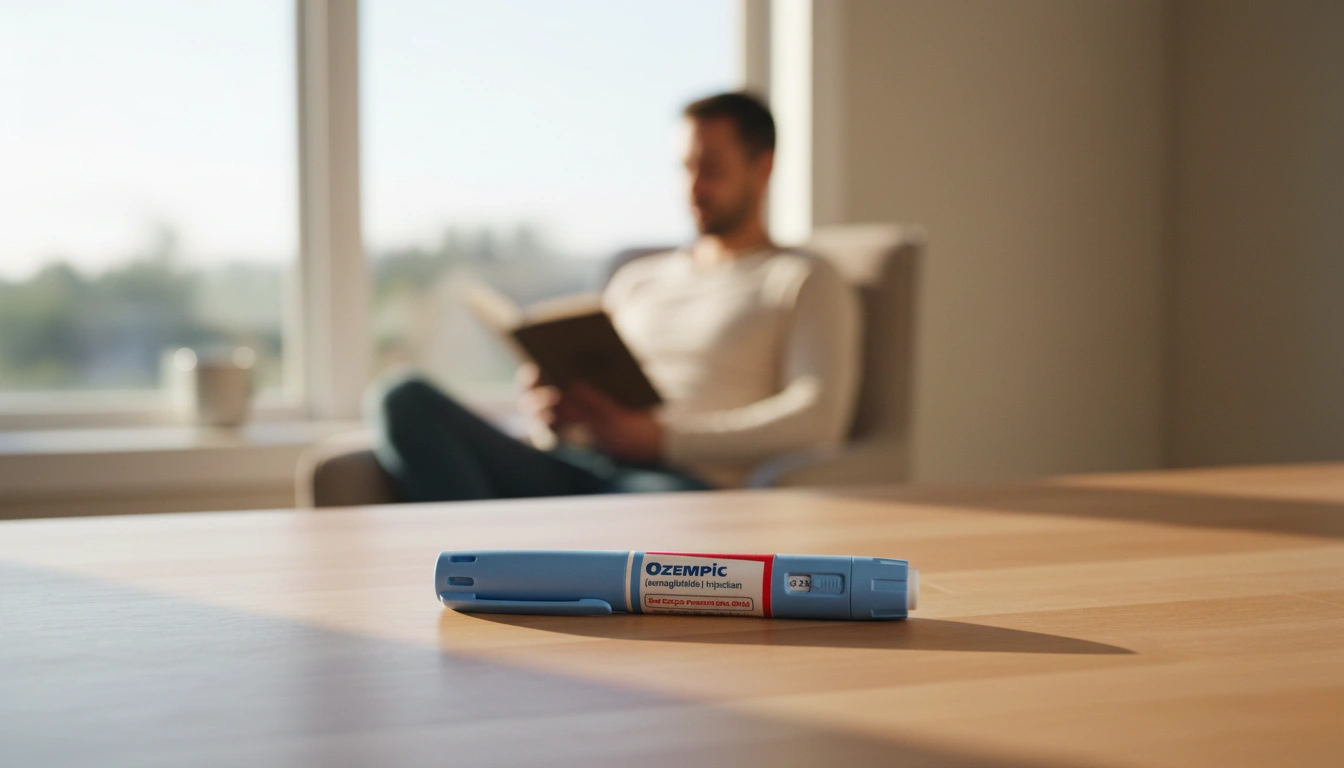
Dizziness is one of those Ozempic side effects that tends to catch people off guard. Unlike nausea, which most patients expect going in, dizziness feels more alarming and harder to connect to the medication. The reality is that it’s a reported side effect with several identifiable causes, most of which are correctable once you understand what’s driving them. Here’s what’s actually happening and how to tell when dizziness is something to monitor versus something that needs prompt attention.
How Common Is Dizziness on Semaglutide
Dizziness appears in the adverse event data from semaglutide clinical trials, though it’s less frequently reported than nausea or gastrointestinal symptoms. In real-world use, it tends to show up most in the first few weeks of treatment or following a dose escalation, which is consistent with the physiological changes that cause it. For most people, it’s transient and resolves as the body adapts. For a smaller group, it’s a recurring feature that warrants closer management.
The Main Causes of Ozempic Dizziness
Dehydration and Reduced Fluid Intake
As covered in the headache article, appetite suppression on semaglutide tends to suppress thirst signals alongside hunger. People drink less without realizing it, and when GI symptoms like nausea or diarrhea are also present, fluid losses compound the problem. Dehydration affects blood volume, which directly affects how well your cardiovascular system maintains blood pressure when you change positions.
Dizziness from dehydration often presents as a general lightheadedness that’s present throughout the day and worsens with physical activity or heat. The correction is deliberate, consistent fluid intake, not waiting until you feel thirsty.
Orthostatic Hypotension
This is the specific type of dizziness most commonly associated with GLP-1 medications, and it has a distinct presentation. Orthostatic hypotension occurs when blood pressure drops temporarily upon standing up from a seated or lying position. You stand up, and for a few seconds to a minute, you feel lightheaded, your vision may briefly dim or go spotty, and you may need to steady yourself.
It happens because standing up requires your cardiovascular system to quickly redistribute blood flow upward against gravity. When you’re mildly dehydrated, eating less than usual, or in the early phase of significant weight loss, this adjustment can lag. GLP-1 medications also have mild vasodilatory effects, meaning blood vessels relax slightly, which can contribute to this response.
Standing up more slowly, pausing at the edge of the bed or chair before fully rising, and ensuring adequate fluid and sodium intake are the most effective immediate measures. Most people find orthostatic dizziness improves significantly within the first month as the body adapts.
Blood Sugar Changes
Semaglutide doesn’t directly cause hypoglycemia in people who aren’t taking insulin or sulfonylureas. But it does improve insulin sensitivity and changes how your body responds to carbohydrates, and it significantly reduces food intake. In the context of much lower caloric consumption, some people experience blood sugar levels lower than their body is accustomed to, even within technically normal ranges.
This kind of relative blood sugar drop can cause dizziness, shakiness, and brain fog, particularly between meals or in the afternoon when blood sugar naturally tends to dip. Eating small, regular meals with protein and complex carbohydrates helps stabilize this. If you’re also on diabetes medications beyond semaglutide, your provider may need to adjust those doses as your weight and insulin sensitivity change.
Reduced Caloric and Sodium Intake
When you’re eating significantly less, you’re also consuming less sodium. Sodium is essential for maintaining blood volume and blood pressure. Very low sodium intake, which can happen unintentionally when appetite is suppressed and food intake drops, contributes to low blood pressure and the dizziness that goes with it.
This doesn’t mean loading up on salt, but it does mean being thoughtful about not eliminating sodium entirely in an attempt to eat cleanly while on the medication. A small amount of added salt on meals, or an electrolyte supplement that includes sodium, can make a meaningful difference for people experiencing recurrent dizziness.
Medication Interactions
If you’re taking blood pressure medications alongside semaglutide, the combination of reduced food and fluid intake with the medication’s mild blood pressure lowering effects can push blood pressure lower than intended. This is particularly relevant for people who were already well-controlled on antihypertensives before starting semaglutide, since weight loss itself tends to lower blood pressure, potentially creating an additive effect.
The article on Ozempic and blood pressure medications covers how GLP-1 treatment interacts with antihypertensive therapy and when adjustments may be needed.
Inner Ear and Vestibular Causes
It’s worth noting that not all dizziness on Ozempic is caused by Ozempic. Benign paroxysmal positional vertigo (BPPV), inner ear infections, and other vestibular conditions cause dizziness independently and can coincide with starting a new medication purely by timing. If your dizziness has a spinning quality, meaning the room feels like it’s rotating rather than a general lightheadedness, vestibular causes are more likely and worth evaluating separately.
Dizziness After Injection
Some people notice dizziness specifically in the 24 to 48 hours following their weekly injection. This likely reflects the peak concentration period of semaglutide in the bloodstream, during which its effects on blood pressure, gastric motility, and blood sugar are most pronounced. If injection-day dizziness is a consistent pattern, discussing the timing of your injection with your provider, and potentially adjusting it to a day when you’re less active or can monitor symptoms more easily, is a reasonable approach.
When to Call Your Doctor
Most Ozempic-related dizziness is mild and self-limited. The following situations warrant prompt contact with your provider rather than waiting it out.
Dizziness that is severe enough to cause a fall or near-fall is a safety concern that needs immediate attention. Dizziness accompanied by chest pain, shortness of breath, palpitations, or one-sided weakness or numbness suggests a cardiovascular or neurological cause that has nothing to do with semaglutide and requires urgent evaluation. Dizziness that is persistent throughout the day for more than two weeks without any improvement, despite addressing hydration, nutrition, and positioning habits, deserves a clinical assessment to rule out non-medication causes.
For patients on blood pressure medications who develop new or worsening dizziness after starting semaglutide, a blood pressure check is a reasonable first step. If readings are lower than your target range, your provider may reduce your antihypertensive dose.
Practical Management Strategies
The majority of semaglutide-related dizziness responds well to a few consistent habits. Drink water consistently throughout the day rather than in large amounts infrequently. Rise slowly from sitting or lying positions, giving your body a moment to adjust before you fully stand. Don’t skip meals, even small ones, since regular eating helps stabilize both blood sugar and blood pressure. Include some sodium in your diet, particularly if you’ve dramatically reduced processed food intake alongside starting the medication.
Consider this scenario: a patient in week three of semaglutide treatment is experiencing dizziness every morning when getting out of bed. They’ve been drinking coffee but minimal water, skipping breakfast because they’re not hungry, and have recently cut out most packaged foods, inadvertently eliminating most of their dietary sodium. Addressing all three of those factors, hydration, a small morning meal, and modest sodium reintroduction, resolves the morning dizziness within a week.
If dizziness is part of a broader cluster of adjustment symptoms, the how to manage Ozempic side effects in the first month guide covers the interconnected nature of these symptoms and how addressing shared root causes tends to improve several at once.
The Trajectory Most People Experience
Dizziness on Ozempic is almost always most prominent in the first four to six weeks of treatment or immediately following a dose increase. As body weight decreases, blood pressure naturally adjusts, cardiovascular adaptation improves, and eating patterns stabilize, dizziness typically fades into the background. Patients who push through the adjustment period with good hydration and nutrition habits almost universally report that the dizziness resolves without needing to stop or significantly modify the medication.
If you’re not yet on a treatment program and want clinical support managing your adjustment period, you can begin your assessment with TrimRx here.
This information is for educational purposes and is not medical advice. Consult with a healthcare provider before starting any medication. Individual results may vary.

Transforming Lives, One Step at a Time
Keep reading

Ozempic Changed How You and Your Partner Spend Time
Friday night was a place you both liked and a bottle of something. Sunday was a long breakfast. Holidays were planned around restaurants. That…

Partner Says You’re Not Eating Enough on Ozempic?
It has become a thing at dinner. They watch your plate. You feel watched. Something gets said, or pointedly not said, and the meal…

Weekly Client Dinners on Ozempic: A Plan for Recurring Work Meals
Managing one difficult dinner is a matter of ordering well. Managing four a week indefinitely is a different problem, because anything that relies on…


