Ozempic and Heartburn: Managing Acid Reflux on GLP-1
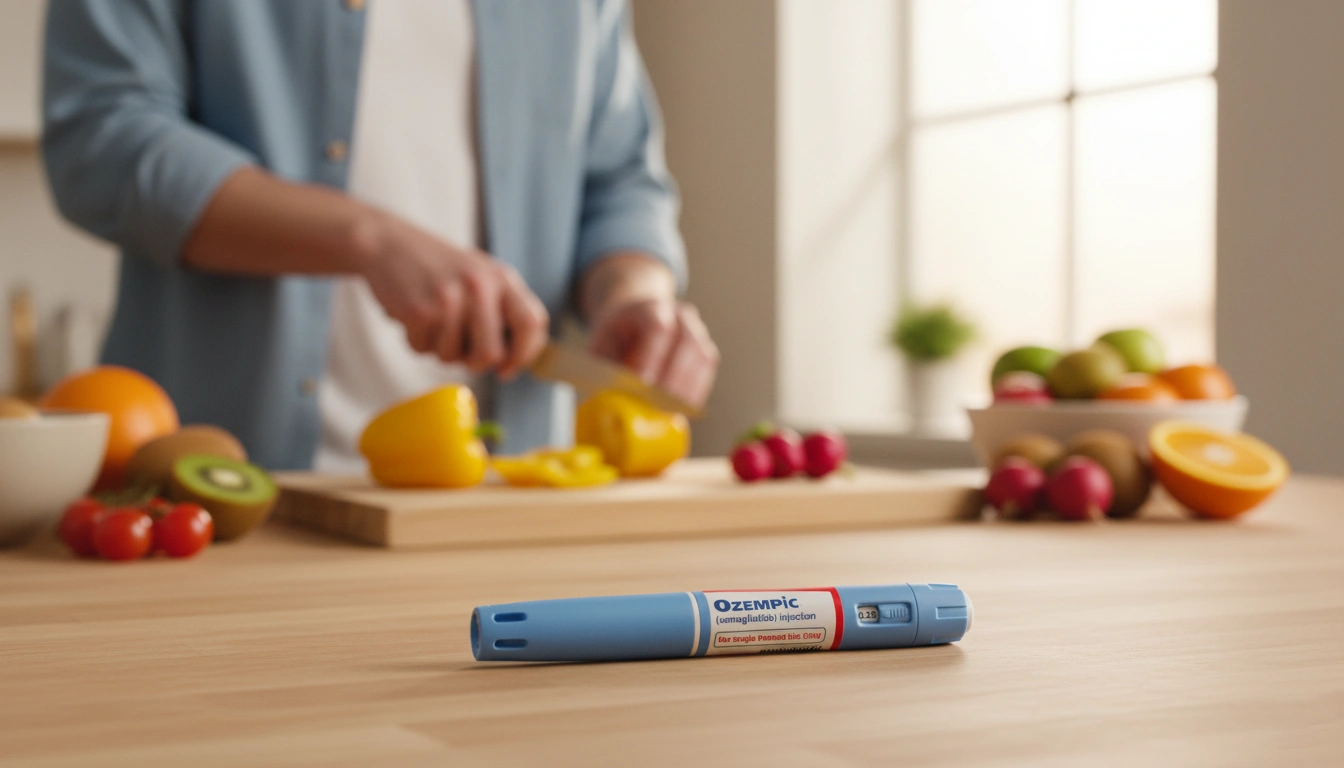
Heartburn on Ozempic tends to surprise people. You’re eating less, your meals are smaller, and yet you’re experiencing more acid reflux than before. It feels counterintuitive, but there’s a straightforward explanation rooted in how semaglutide affects your digestive system. Understanding what’s driving it makes it much easier to manage, and for most people, it responds well to targeted adjustments without needing to stop the medication.
Why Semaglutide Causes Heartburn
The same mechanism that makes Ozempic effective for weight loss, slowed gastric emptying, is the primary driver of heartburn on GLP-1 medications. When food moves more slowly from your stomach into the small intestine, it sits in the stomach longer. A fuller stomach for a longer period creates more opportunity for stomach acid to travel upward into the esophagus, particularly when you’re lying down or bending forward.
There’s also an effect on the lower esophageal sphincter (LES), the muscular valve that separates your stomach from your esophagus and is supposed to prevent acid from traveling upward. Some evidence suggests that GLP-1 receptor activation affects the tone and function of this sphincter in ways that may make it slightly less effective as a barrier. When gastric emptying is slow and the LES is under additional functional pressure, heartburn becomes more likely even with smaller meal volumes.
Weight loss itself eventually helps. Excess abdominal fat places upward pressure on the stomach, which worsens reflux. As that weight comes off over months of treatment, many patients find their baseline heartburn actually improves beyond where it was before they started. The challenge is getting through the early period when the medication’s GI effects are most pronounced before the weight loss benefits fully kick in.
Who Is Most at Risk
People with a history of GERD, gastroesophageal reflux disease, are at higher risk of experiencing significant heartburn on semaglutide. If reflux was already a managed condition before starting the medication, the slowed gastric emptying effect can disrupt that management and require adjustments to existing treatment.
Hiatal hernia, a condition where part of the stomach pushes up through the diaphragm, significantly increases reflux risk and can make heartburn on GLP-1 medications particularly pronounced. If you have a known hiatal hernia and are starting semaglutide, it’s worth discussing reflux management proactively with your provider before symptoms become a problem.
People who eat larger meals less frequently are more prone to heartburn on Ozempic than those who eat smaller amounts more often. The volume of food in a slow-emptying stomach matters, and meals that would have been fine on a normally functioning digestive system can trigger significant reflux when gastric transit is slowed.
Foods and Habits That Worsen Heartburn on Ozempic
Certain foods reliably lower LES tone or increase acid production, compounding the heartburn risk from slowed gastric emptying. Fatty and fried foods, citrus fruits and juices, tomatoes and tomato-based products, chocolate, coffee, mint, and carbonated beverages are among the most consistent triggers. Alcohol relaxes the LES directly and is worth limiting or avoiding during periods of significant reflux.
Eating within two to three hours of lying down is one of the most reliable heartburn triggers on GLP-1 medications. When food is still in a slow-emptying stomach and you recline, gravity no longer helps keep stomach contents where they belong. This is probably the single most impactful behavioral change for people experiencing nighttime heartburn on semaglutide.
Tight clothing around the abdomen increases intra-abdominal pressure, which pushes stomach contents upward. This sounds minor but is a genuinely contributing factor for some people, particularly during and after meals.
Practical Management Strategies
Adjust Meal Timing and Composition
Eating your last meal of the day at least three hours before lying down or sleeping is the most impactful single change for nighttime reflux. If evening is when you experience the most significant heartburn, shifting your largest meal to midday and having a smaller, lower-fat meal in the early evening gives your stomach more time to partially empty before you recline.
Keeping individual meals small reduces the volume of stomach contents available for reflux. This aligns naturally with what semaglutide does to appetite, but it requires active attention on days when hunger returns near the end of the injection cycle.
Reducing fat content in meals is also meaningful. Fat slows gastric emptying independently of semaglutide’s effect, stacking two emptying-slowing mechanisms on top of each other. Leaner proteins and lower-fat preparation methods are worth prioritizing during periods of significant reflux.
Elevate the Head of Your Bed
For people with significant nighttime heartburn, elevating the head of the bed by six to eight inches using bed risers or a wedge pillow keeps the esophagus above the stomach during sleep, making upward acid migration harder. This is more effective than simply adding extra pillows under your head, which can actually increase abdominal pressure and worsen reflux.
Over-the-Counter Remedies
Antacids like calcium carbonate (Tums) provide fast, short-term neutralization of stomach acid and are appropriate for occasional heartburn. H2 blockers like famotidine (Pepcid) reduce acid production and work over a longer window, making them useful for predictable heartburn around injection day or after meals. Proton pump inhibitors (PPIs) like omeprazole (Prilosec) provide stronger, sustained acid reduction and are appropriate for more frequent or severe heartburn, though they’re typically intended for short-term use unless directed otherwise by a provider.
If you find yourself regularly relying on PPIs for heartburn management on semaglutide, that’s a pattern worth discussing with your provider rather than continuing indefinitely without supervision.
Stay Upright After Eating
Walking after meals, as recommended for bloating in the previous article, serves double duty for heartburn as well. Staying upright and gently active for at least an hour after eating reduces reflux risk compared to sitting or lying down. Even standing rather than sitting during the post-meal period makes a difference.
When Heartburn Requires Medical Attention
Most semaglutide-related heartburn is uncomfortable but manageable. A few patterns warrant prompt attention. Heartburn that doesn’t respond to any of the above measures and is occurring daily, pain or difficulty swallowing, a sensation of food getting stuck, unexplained weight loss beyond what the medication accounts for, or heartburn accompanied by chest pain that radiates to the arm or jaw are all symptoms requiring medical evaluation rather than self-management.
Severe, uncontrolled GERD can damage the esophageal lining over time and, in some cases, lead to a condition called Barrett’s esophagus. This is a reason to treat persistent reflux proactively rather than tolerating it indefinitely.
Let’s say a patient with no prior reflux history starts semaglutide and develops significant heartburn within the first month. They adjust their meal timing, reduce fat intake, and take famotidine before dinner. Within three weeks, symptoms are well controlled. By month four, as they’ve lost meaningful weight and their body has adapted to the medication, they’re able to discontinue the famotidine without symptoms returning. This kind of trajectory, initial management followed by gradual improvement, is common.
The Longer-Term Picture
For most people, heartburn on Ozempic is a front-loaded problem. The first one to three months are the most challenging, particularly during dose escalation phases when gastric slowing is most pronounced. As the body adapts and weight loss accumulates, the combination of reduced abdominal pressure and a GI system that has adjusted to the medication’s effects tends to improve reflux meaningfully.
Patients who had significant GERD before starting semaglutide sometimes find that their reflux actually improves beyond their pre-treatment baseline after losing substantial weight, making the early management period worth pushing through.
For broader context on how GI side effects connect and share underlying causes, the Ozempic and bloating article covers the shared mechanisms at play across most GI symptoms on GLP-1 treatment.
If you’re managing reflux or other GI symptoms and want a clinical team overseeing your treatment from start to finish, you can begin your TrimRx assessment here.
This information is for educational purposes and is not medical advice. Consult with a healthcare provider before starting any medication. Individual results may vary.

Transforming Lives, One Step at a Time
Keep reading
Ozempic Changed How You and Your Partner Spend Time
Friday night was a place you both liked and a bottle of something. Sunday was a long breakfast. Holidays were planned around restaurants. That…

Partner Says You’re Not Eating Enough on Ozempic?
It has become a thing at dinner. They watch your plate. You feel watched. Something gets said, or pointedly not said, and the meal…

Weekly Client Dinners on Ozempic: A Plan for Recurring Work Meals
Managing one difficult dinner is a matter of ordering well. Managing four a week indefinitely is a different problem, because anything that relies on…


