Wegovy Results at 6 Months: What the Data Shows
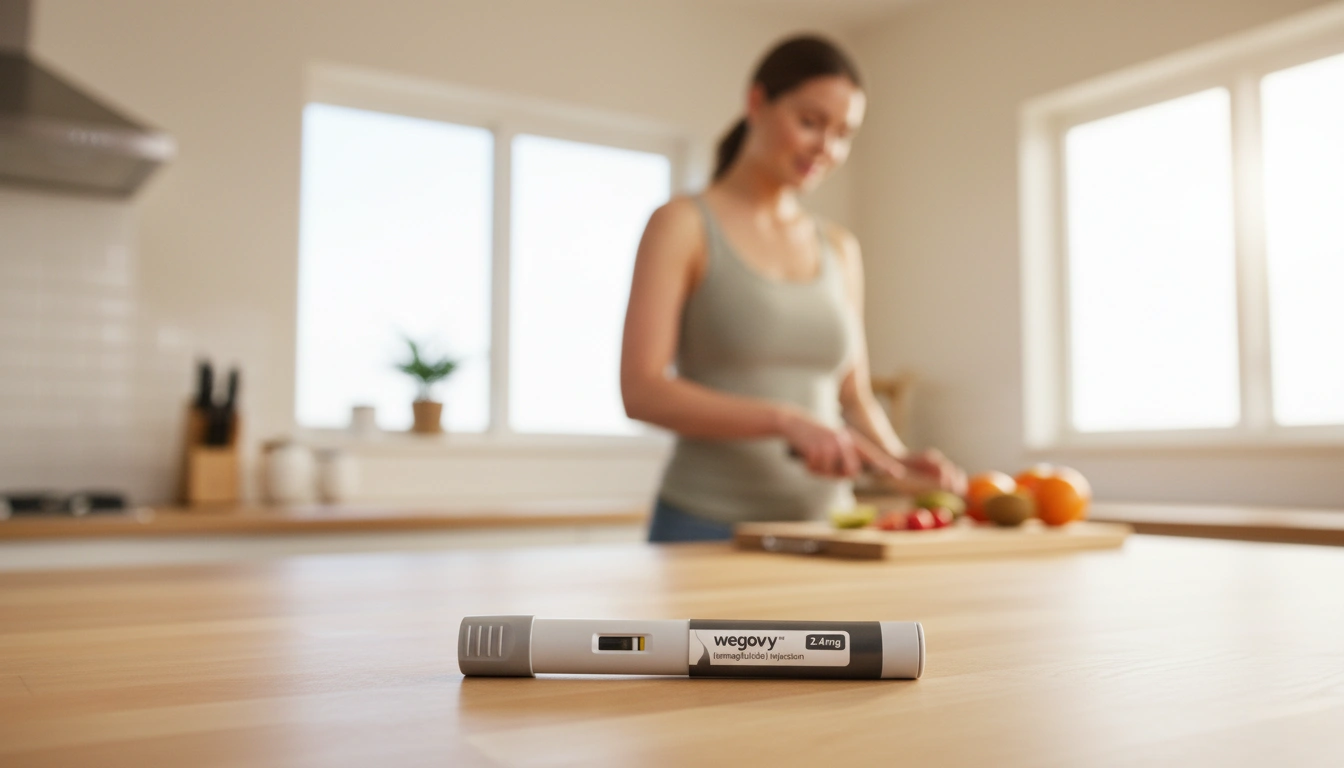
Six months into Wegovy is when the medication starts showing its full potential. By this point most patients have reached or are approaching the higher doses in the escalation schedule, side effects have largely settled, and the body has had time to respond to sustained GLP-1 activity. Clinical data puts average weight loss at the six-month mark between 10 and 15 percent of starting body weight for patients moving toward the 2.4mg maintenance dose, making this one of the most meaningful checkpoints in the entire treatment arc.
Where You Are in the Wegovy Dose Schedule at Month Six
Wegovy follows a five-stage escalation over 16 weeks before reaching the 2.4mg maintenance dose. The schedule moves through 0.25mg, 0.5mg, 1mg, 1.7mg, and finally 2.4mg, spending roughly four weeks at each level. By month six, most patients who have followed the standard schedule without interruption are at or near the 2.4mg maintenance dose, the level at which Wegovy produces its strongest and most consistent appetite suppression.
This is a critical distinction from the three-month checkpoint. At month three, most patients were still climbing toward therapeutic levels. At month six, the majority are at or near the dose where the most impressive clinical results were achieved in trials. If your six-month results still feel modest, dose level is the first thing worth examining.
What Clinical Data Shows at Six Months
The STEP 1 trial remains the most cited benchmark for Wegovy outcomes. Participants on semaglutide 2.4mg lost approximately 10.6 percent of body weight by week 28, which falls right at the six-month mark. Importantly, weight loss continued beyond that point, reaching an average of 14.9 percent at 68 weeks, which means six months represents strong progress but not the ceiling.
In practical terms, a patient starting at 230 pounds who loses 10 percent by month six has lost 23 pounds. At 12 percent, that’s nearly 28 pounds. These outcomes carry real clinical significance, including reductions in blood pressure, improved lipid profiles, better insulin sensitivity, and lower cardiovascular risk.
For context on how these results compare to the broader semaglutide data, the compounded semaglutide vs Wegovy article breaks down what the research shows about outcomes across different forms of the same active ingredient.
Why Six-Month Results Vary Between Patients
The range of outcomes at six months is wide, and several factors drive that variation.
Dose adherence and escalation pace. Patients who needed to slow their dose escalation due to side effects may be at a lower dose at month six than those who followed the standard schedule. This directly affects results. There’s nothing wrong with a slower escalation, but it’s worth factoring in when evaluating where you are relative to averages.
Protein intake and dietary composition. Six months of Wegovy-assisted caloric reduction produces better body composition outcomes when protein intake is prioritized. Patients eating adequate protein tend to lose more fat relative to muscle, which affects how results look and feel even when total weight loss numbers are similar.
Exercise and activity. The compounding effect of physical activity on six-month outcomes is substantial. Patients who incorporated regular movement, even moderate walking, throughout the first six months show meaningfully better results than those who relied on appetite suppression alone.
Individual metabolic variation. Genetics, gut microbiome composition, hormonal factors, and baseline metabolic health all influence how quickly and completely a given patient responds to semaglutide. These aren’t excuses for poor results, they’re real variables that explain why two patients at the same dose with similar lifestyles can have noticeably different outcomes.
The Research Behind Long-Term Wegovy Outcomes
A study published in Nature Medicine by Pi-Sunyer et al. (2022) examining semaglutide 2.4mg found that weight loss at six months was strongly correlated with total weight loss at one year, confirming that the six-month checkpoint is a reliable indicator of long-term trajectory. Patients who achieved 10 percent or more weight loss by month six were significantly more likely to sustain and build on those results through the full treatment period.
This makes month six more than just a milestone. It’s a predictor. Strong six-month results suggest you’re on a trajectory toward the kind of long-term outcomes the STEP trials demonstrated. Modest results at month six are a signal to reassess and adjust before the second half of treatment.
Plateaus at the Six-Month Mark
Hitting a plateau somewhere around months four through six is common on Wegovy, even for patients who have been losing weight consistently. The physiological mechanisms are well understood: metabolic adaptation to sustained caloric restriction, reduced total energy expenditure as body weight decreases, and some adjustment of appetite at a given dose level all contribute.
A plateau at six months doesn’t mean Wegovy has stopped working. It typically means one or more variables need recalibration. The most productive responses include reviewing whether the dose has been fully optimized, reassessing dietary habits, and incorporating or intensifying physical activity.
The Ozempic plateau guide covers plateau mechanisms and solutions that apply equally to Wegovy patients, since the underlying medication is the same active ingredient.
What Non-Scale Changes Look Like at Six Months
Body weight is one measure. At six months, patients frequently report a range of changes that matter independently of the scale number. Clothing sizes often drop by one to two sizes. Waist circumference, a marker of visceral fat, tends to decrease more than overall weight loss percentages suggest, reflecting the particular sensitivity of abdominal fat to GLP-1 treatment.
Blood markers frequently show significant improvement at the six-month mark. Fasting glucose, HbA1c, triglycerides, and blood pressure all tend to respond well to sustained semaglutide treatment, and many patients see these improvements before they’ve reached their total weight loss goal. Energy levels, sleep quality, and joint comfort are also commonly reported improvements at this stage.
What Comes After Month Six on Wegovy
For patients who have reached 2.4mg and are seeing consistent results, the period between months six and twelve is typically when weight loss continues at a steadier pace before gradually transitioning toward maintenance. The how long can you stay on Wegovy article addresses the long-term use question directly, including what the research shows about sustained treatment versus stopping and what maintenance looks like for patients who continue.
For patients considering what happens if they need to step back from Wegovy at some point, the stopping Wegovy guide covers that transition honestly, including what the data shows about weight regain timelines and how to minimize it.
Six months of consistent Wegovy treatment is a genuine achievement. The foundation you’ve built in this period, physiological, behavioral, and metabolic, is what the next phase builds on.
If you’re exploring whether Wegovy or compounded semaglutide is the right fit for your situation, take the intake assessment and connect with a TrimRx provider who can guide your treatment plan from start to long-term maintenance.
This information is for educational purposes and is not medical advice. Consult with a healthcare provider before starting any medication. Individual results may vary.

Transforming Lives, One Step at a Time
Keep reading

Wegovy Prior Authorization Approved, Then Reversed: What Happens Now
Getting an approval and then losing it is worse than never being approved, and not only because of the medication. You made a plan…

Can the Wegovy Pill Hold the Weight You Lost on Semaglutide Injections?
Most likely yes, once you reach the maintenance dose. The risk is not the destination but the trip: switching means restarting titration on the…

Wegovy Alternatives: What Else Works for Weight Loss
If Wegovy isn’t working out, the strongest alternative is tirzepatide (Zepbound), which tends to produce more weight loss, followed by other GLP-1 options and…


