Ozempic Face: How to Prevent and Minimize Facial Changes
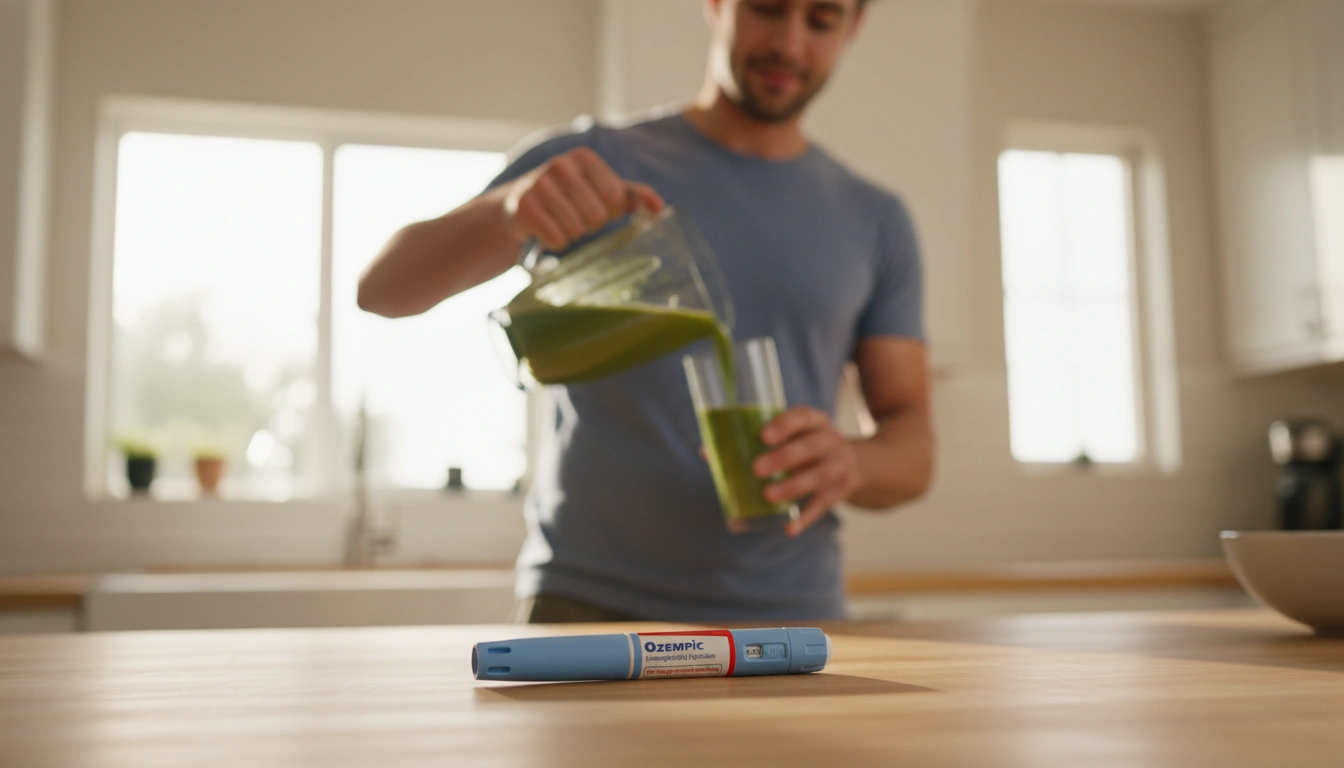
Ozempic face refers to the gaunt, hollowed, or aged appearance that some patients develop during rapid weight loss on semaglutide. It’s not a direct drug side effect in the traditional sense. It’s a consequence of losing facial fat faster than the skin can adapt. The good news is that it’s largely preventable with the right approach, and for patients who are already noticing changes, there are practical steps that help. Here’s what’s actually happening and what you can do about it.
What Ozempic Face Actually Is
When you lose weight rapidly, fat is lost throughout the body, including in the face. Facial fat provides structural support to the skin, filling out the cheeks, under-eye area, and temples. When that fat diminishes faster than the skin’s collagen and elastin can contract to compensate, the result is a sunken, hollow, or prematurely aged appearance.
This isn’t unique to Ozempic or semaglutide. Rapid weight loss from any cause, bariatric surgery, crash dieting, or illness, can produce similar facial changes. What makes it more noticeable with GLP-1 medications is the speed and consistency of fat loss, particularly in patients who lose 15% or more of their body weight within a year.
The face has relatively little fat compared to the abdomen or thighs, which means proportional fat loss hits it hard even when the total amount of fat lost from the face is small in absolute terms. A patient who loses 40 pounds overall might lose only two or three pounds of facial fat, but that small reduction can dramatically change facial appearance.
Who Is Most at Risk
Not every patient on semaglutide develops noticeable facial changes. Several factors increase the likelihood.
Age. Patients over 40 have less skin elasticity than younger patients. Collagen production declines with age, which means skin is less able to snap back as the fat underneath decreases. Older patients who lose weight rapidly are disproportionately affected.
Rate of loss. Patients who lose weight very quickly, more than one and a half to two pounds per week on average, are more likely to develop Ozempic face than those who lose at a slower, steadier pace. The skin simply doesn’t have time to adapt.
Starting facial fat distribution. Patients with naturally fuller faces tend to have more facial fat to lose, which can mean more noticeable changes. Paradoxically, patients with already lean faces sometimes see more dramatic hollowing from smaller amounts of facial fat loss.
Smoking and sun damage. Both accelerate collagen breakdown and reduce skin elasticity, compounding the effects of fat loss on facial appearance.
How to Prevent It Before It Starts
The most effective approach to Ozempic face is prevention, and the strategies that help most don’t require you to sacrifice your weight loss results.
Don’t rush the dose escalation. Patients who escalate aggressively and lose weight very rapidly are at higher risk. If your provider gives you flexibility in how quickly you move up doses, a slower escalation schedule that keeps weekly loss in the one to one and a half pound range gives your skin more time to adapt. Losing 40 pounds over twelve months looks very different on the face than losing it over seven.
Prioritize protein and healthy fats. Collagen synthesis requires adequate protein, specifically amino acids like glycine, proline, and hydroxyproline. Patients who under-eat protein during rapid weight loss compromise their skin’s ability to maintain structure. Targeting 110 to 130 grams of protein daily supports both muscle preservation and skin integrity. Healthy fats from sources like avocado, olive oil, and fatty fish also support skin health during weight loss.
Stay hydrated. Dehydration makes skin look thinner and more crepey, exaggerating the appearance of facial fat loss. Patients on semaglutide sometimes eat and drink less overall, making deliberate hydration more important. Aiming for at least two liters of water daily is a reasonable baseline.
Use collagen-supporting skincare. Topical retinoids stimulate collagen production and improve skin elasticity over time. Patients who start a retinol or prescription tretinoin regimen early in treatment give their skin the best chance of adapting to the underlying changes. Broad-spectrum SPF daily is equally important, UV damage accelerates collagen breakdown and worsens the appearance of facial volume loss.
What to Do If You’re Already Noticing Changes
For patients who are mid-treatment and already seeing facial hollowing, the approach shifts to management rather than pure prevention.
Slow your loss rate if possible. If you’re losing more than two pounds per week and starting to notice facial changes, talking to your provider about adjusting your dose or pace is reasonable. Slowing the rate of loss gives skin more time to contract and adapt without sacrificing total results.
Consider dermatological options. Hyaluronic acid fillers are the most common intervention for Ozempic face, providing volume replacement in areas like the cheeks, temples, and under-eye hollows. Many dermatologists have become familiar with addressing weight-loss-related facial changes specifically. This is a cosmetic intervention, not a medical necessity, but it’s worth knowing it exists if facial changes are affecting your quality of life.
Facial exercises. Some evidence supports facial muscle exercises for improving skin tone and facial fullness, though the effect is modest compared to filler or skincare. They’re low-risk and worth incorporating if you’re managing mild changes.
Keeping the Big Picture in View
It’s worth stepping back and noting that Ozempic face affects a minority of patients noticeably, and most who do experience it describe the facial changes as minor relative to the overall health and body composition improvements from weight loss. The patients who tend to be most affected are older, lose weight rapidly, and don’t support skin health during the process.
For patients approaching treatment, the how Ozempic changes your body article covers the full range of physical changes to expect, which helps put facial changes in context alongside the broader metabolic and cardiovascular benefits.
For patients managing longer-term treatment decisions, the how long can you take semaglutide article addresses what extended use looks like and how patients approach maintenance, which affects the rate of loss over time.
Ozempic face is real, but it’s manageable. A slower loss rate, adequate protein, good hydration, and basic skincare go a long way toward preserving facial appearance during treatment. If you’re considering starting semaglutide and want to find out whether you’re a candidate, take the intake assessment to connect with a provider.
This information is for educational purposes and is not medical advice. Consult with a healthcare provider before starting any medication. Individual results may vary.

Transforming Lives, One Step at a Time
Keep reading
Ozempic Changed How You and Your Partner Spend Time
Friday night was a place you both liked and a bottle of something. Sunday was a long breakfast. Holidays were planned around restaurants. That…

Partner Says You’re Not Eating Enough on Ozempic?
It has become a thing at dinner. They watch your plate. You feel watched. Something gets said, or pointedly not said, and the meal…

Weekly Client Dinners on Ozempic: A Plan for Recurring Work Meals
Managing one difficult dinner is a matter of ordering well. Managing four a week indefinitely is a different problem, because anything that relies on…


