How GLP-1 Medications Affect Your Gut Health and Microbiome
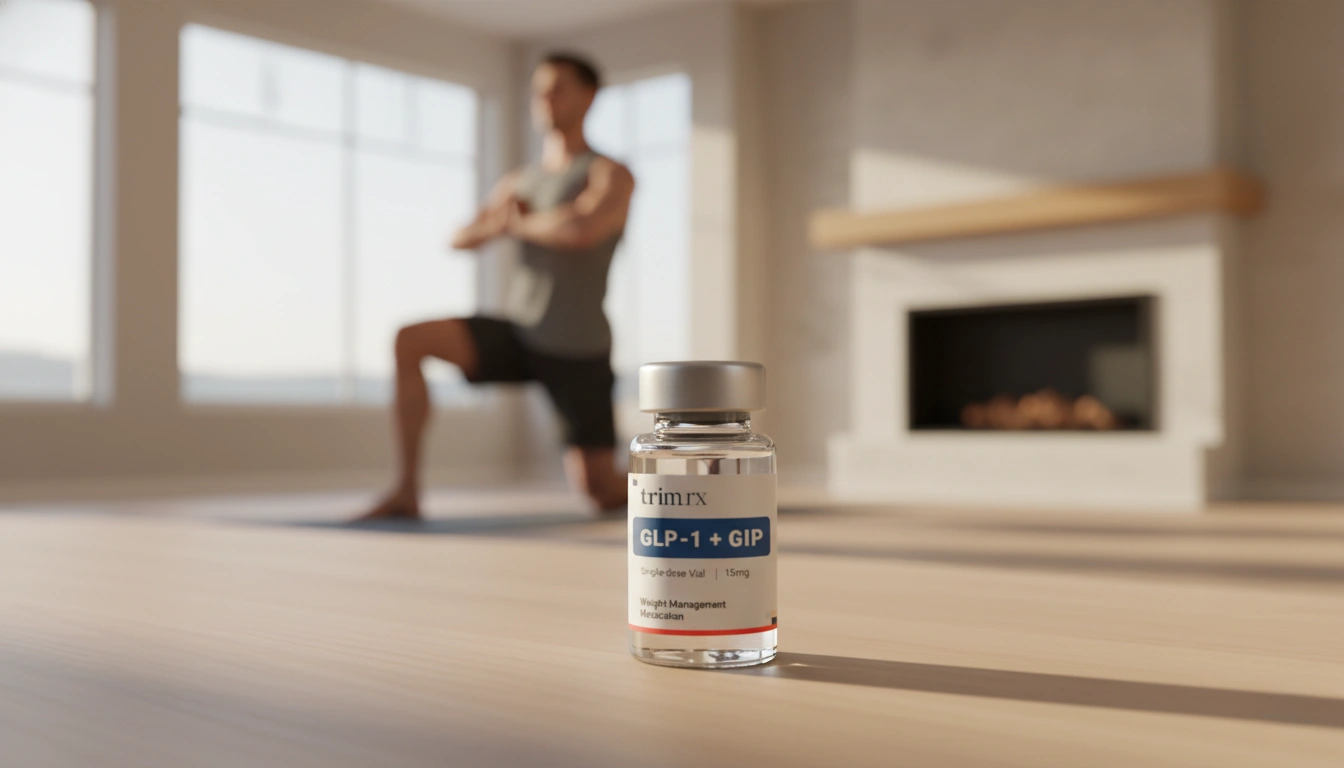
When people think about what semaglutide or tirzepatide does to their body, they usually think about appetite suppression and weight loss. What gets less attention is what these medications do to the gut itself. GLP-1 receptors are distributed throughout the gastrointestinal tract, which means GLP-1 medications don’t just work on your brain and pancreas. They directly affect how your digestive system functions, how quickly food moves through it, and increasingly, evidence suggests they may influence the composition of your gut microbiome as well.
Some of those effects are why the medications work so well. Others are responsible for the side effects that make the first few weeks of treatment uncomfortable for many people. Understanding both gives you a clearer picture of what’s happening and what you can do to support your gut during treatment.
How GLP-1 Receptors Work in the Gut
GLP-1, the hormone that semaglutide mimics, is produced primarily in the intestinal lining. Its receptors are found throughout the GI tract, including the stomach, small intestine, and colon, as well as in the vagus nerve, which coordinates the communication between your gut and your brain.
When semaglutide or tirzepatide activates these receptors, several things happen simultaneously. Gastric emptying slows, meaning food moves from the stomach into the small intestine more gradually than it would otherwise. Intestinal motility, the muscular contractions that move food through the digestive tract, is also affected. In some parts of the gut it slows. In others, the effects are more variable.
This is why GLP-1 medications produce such a range of digestive side effects. Nausea, constipation, bloating, and in some cases diarrhea are all downstream consequences of the medication acting directly on GI tissue and nerve pathways, not just incidental effects.
The Microbiome Connection
The gut microbiome, the vast community of bacteria, fungi, and other microorganisms living in your intestines, is increasingly understood to play a role in metabolic health, weight regulation, inflammation, and even appetite signaling. Research into how GLP-1 medications interact with the microbiome is still relatively early, but the findings so far are interesting.
What the Research Shows
A 2022 study published in Cell Host and Microbe examined gut microbiome composition in obese adults before and after 26 weeks of semaglutide treatment. The researchers found significant shifts in microbiome composition over the course of treatment, including increases in bacteria associated with reduced inflammation and improved metabolic markers. Notably, some of these microbiome changes appeared to be partially independent of weight loss itself, suggesting the medication may have direct effects on gut bacterial populations beyond what caloric restriction alone would produce.
(Dahl WJ et al., Cell Host and Microbe, 2022, https://pubmed.ncbi.nlm.nih.gov/35120594/)
This is an active area of research, and it’s too early to draw firm clinical conclusions. But the directional finding, that GLP-1 medications may favorably shift the microbiome alongside their other metabolic effects, adds another layer to understanding why these medications produce outcomes beyond simple calorie reduction.
Common Gut-Related Side Effects and What’s Behind Them
Nausea
Nausea is the most frequently reported side effect of GLP-1 medications and is directly tied to slowed gastric emptying. When food sits in the stomach longer than usual, the resulting fullness and pressure triggers nausea signals. This is most pronounced in the early weeks of treatment and during dose increases, when the medication’s effect on the stomach is strongest relative to what your body is accustomed to.
Eating smaller meals, avoiding high-fat and heavily spiced foods, and not lying down immediately after eating all reduce nausea severity. For most people, it diminishes significantly after the first month as the body adjusts.
Constipation
Constipation is arguably more common than nausea over the long term on GLP-1 medications, though it gets less attention. Slowed intestinal motility, reduced food intake meaning less bulk moving through the colon, and lower fluid intake when nausea reduces appetite all contribute. Some people experience constipation as a chronic low-grade issue throughout treatment rather than an acute early problem.
Adequate fiber intake is the most important countermeasure. Soluble fiber from oats, legumes, and fruit adds bulk and supports regular bowel movements without requiring large food volumes. Hydration matters equally, fiber without adequate water can worsen constipation rather than resolve it.
Bloating and Gas
Slowed gastric emptying means fermentable food components spend more time in the digestive tract, giving gut bacteria more opportunity to produce gas. This is particularly pronounced with high-FODMAP foods like onions, garlic, beans, and cruciferous vegetables. Some people find that temporarily reducing these foods in the early weeks of treatment reduces bloating while the gut is adjusting.
That said, completely avoiding fermentable fibers isn’t advisable long-term because they feed beneficial gut bacteria. The goal is reducing them temporarily during the adjustment period, then reintroducing them gradually as tolerance improves.
Diarrhea
Less common than constipation but still reported by a meaningful subset of users, diarrhea on GLP-1 medications can result from accelerated transit in parts of the colon even when gastric emptying is slowed overall. It tends to be more common with tirzepatide than with semaglutide alone, possibly related to the additional GIP receptor activity. For most people it resolves within the first few weeks.
Supporting Gut Health During GLP-1 Treatment
Prioritize Fiber From Diverse Sources
A varied fiber intake supports microbiome diversity, which is associated with better metabolic outcomes. Vegetables, legumes, whole grains, and fruit each feed different bacterial populations. Even on a reduced-calorie diet, including a range of fiber sources rather than relying on a single type keeps the microbiome more balanced.
The connection between fiber intake and GLP-1 outcomes is worth understanding. Fiber on Ozempic covers why it matters specifically in the context of GLP-1 treatment and how to increase it without worsening side effects.
Eat Fermented Foods When Tolerated
Fermented foods like yogurt, kefir, sauerkraut, kimchi, and miso introduce beneficial bacteria directly into the gut. Research on whether probiotic foods produce lasting microbiome changes is mixed, but they’re generally well-tolerated, nutritionally dense, and worth including when digestive symptoms allow. If fermented foods worsen bloating initially, introduce them in small amounts after the first few weeks of treatment.
Don’t Cut Food Intake Too Aggressively
The gut microbiome requires substrate to thrive. Very low caloric intake, below 800 to 1,000 calories per day, starves not just you but your gut bacteria. Microbiome diversity tends to decline with severe caloric restriction, which can paradoxically worsen some of the metabolic benefits you’re trying to achieve. Eating enough, even if less than before, matters for gut health alongside weight loss.
Manage Constipation Proactively
Waiting until constipation becomes significant before addressing it is harder than preventing it. Building adequate fiber and hydration into your routine from the start of treatment, rather than adding them reactively, keeps things moving without requiring intervention. Magnesium glycinate, which supports bowel motility gently, is an option worth discussing with your provider if dietary measures aren’t sufficient.
For anyone considering whether probiotics specifically are worth adding to their GLP-1 regimen, the next article in this series addresses that question directly. And if you’re thinking about how carbohydrate choices affect digestive comfort on these medications, managing carbs on semaglutide covers the practical side of that decision.
The Longer View
Your gut is not just a passive recipient of GLP-1 medication effects. It’s an active participant in the metabolic changes these medications produce. Supporting it with adequate fiber, diverse food sources, and consistent hydration makes the treatment more comfortable and may amplify the metabolic benefits over time. The side effects that make early treatment difficult are, in most cases, your gut adapting to a significant shift in how it functions. That adaptation takes weeks, not days, and it’s worth supporting rather than fighting.
If you’re ready to find out whether GLP-1 treatment is right for you, take the intake quiz to check your eligibility.
This information is for educational purposes and is not medical advice. Consult with a healthcare provider before starting any medication. Individual results may vary.

Transforming Lives, One Step at a Time
Keep reading
Construction Work in Summer on a GLP-1
Summer on a job site means early starts, heavy physical work, direct sun or hot interiors, and lunch from a cooler or the back…

Colonoscopy Prep on a GLP-1
If you are on a GLP-1 and have a colonoscopy, upper endoscopy, or any procedure with sedation coming up, the single most important step…
Clergy and Community Meals on a GLP-1
For pastors, priests, rabbis, imams, chaplains, and other community leaders, food is part of the work. Potlucks, fellowship dinners, holiday meals, funeral receptions, and…


