GLP-1 Medications and Energy Levels: What to Expect
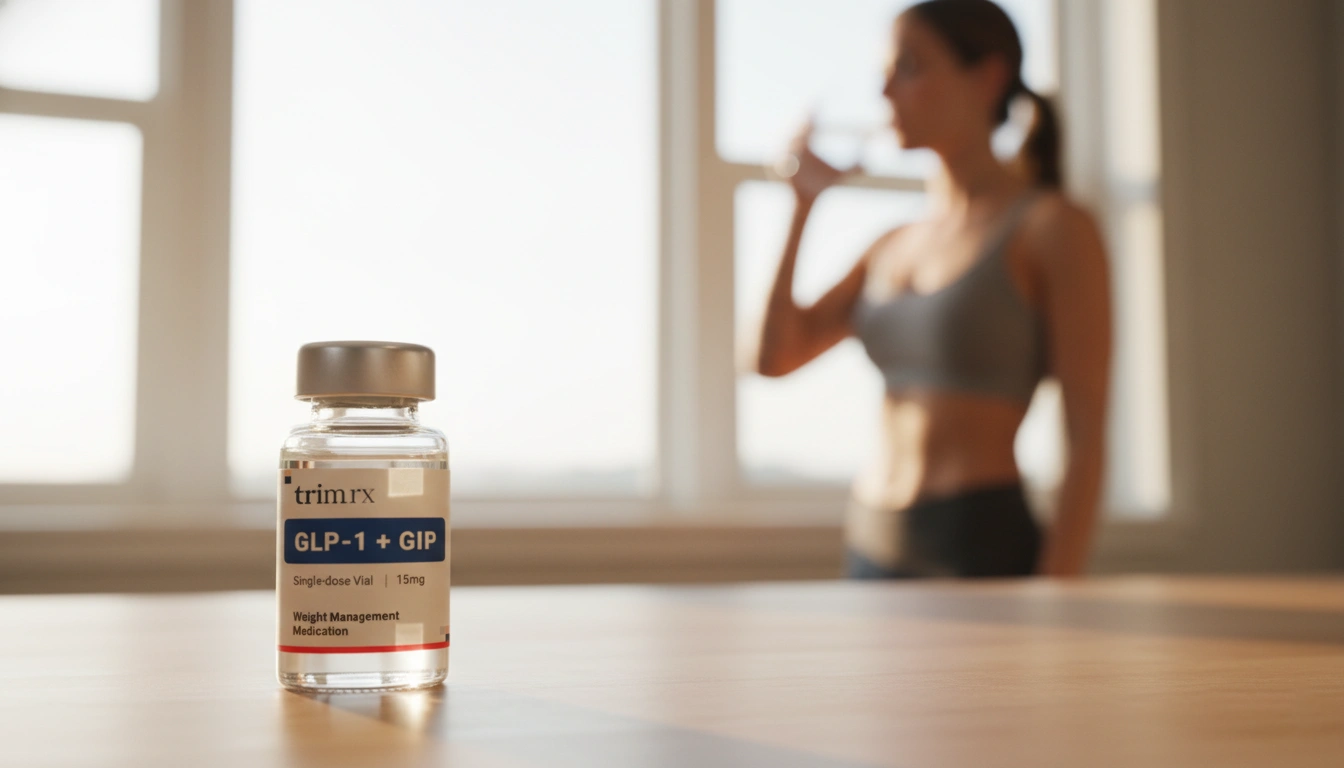
Fatigue is one of the more common but less discussed experiences people have on GLP-1 medications. You start semaglutide or tirzepatide, your appetite drops, the weight begins to come off, and somewhere in the first few weeks you notice you’re more tired than usual. Sometimes significantly so. It’s easy to assume something is wrong, but in most cases the fatigue has a clear explanation and responds well to specific adjustments.
That said, not everyone experiences low energy on GLP-1 medications. Some people report feeling better than they have in years within the first month of treatment. Understanding what drives energy changes in both directions helps you respond appropriately rather than guessing.
Why Energy Levels Change on GLP-1 Medications
Several distinct mechanisms can affect energy on semaglutide or tirzepatide, and they don’t all point in the same direction.
Caloric Deficit
The most straightforward cause of fatigue on GLP-1 medications is eating significantly less than your body is used to. Semaglutide and tirzepatide suppress appetite effectively enough that many people drop their caloric intake sharply in the first few weeks of treatment, sometimes without fully realizing how much. Your body runs on fuel. When that fuel drops below what your organs, muscles, and brain need to function optimally, fatigue is a predictable result.
This type of fatigue tends to be most pronounced in the early weeks of treatment and improves as intake stabilizes at a level that supports daily function even within a caloric deficit. The goal is a moderate deficit, not near-total appetite suppression that leaves you running on empty.
Electrolyte Imbalance
Reduced food intake, nausea, and increased water consumption without adequate mineral replacement can all contribute to electrolyte depletion on GLP-1 medications. Low sodium, potassium, or magnesium levels each produce fatigue as a primary symptom, alongside muscle weakness, headaches, and brain fog. This is a particularly common and underrecognized cause of energy problems in the first month of treatment.
If your fatigue feels physical rather than sleepy, meaning you feel weak or heavy rather than simply drowsy, electrolytes are worth examining before anything else. Adding sodium through broth or seasoning, potassium through avocado or leafy greens, and magnesium through nuts or a supplement can produce noticeable improvements within a few days.
Blood Sugar Fluctuations
GLP-1 medications improve insulin sensitivity and affect how blood sugar rises and falls after meals. In the early weeks of treatment, some people experience blood sugar patterns that are different from what they’re used to, particularly if they were previously eating a high-carbohydrate diet that produced consistent post-meal glucose spikes followed by crashes. As that pattern shifts, the energy dips that came with glucose crashes may temporarily feel disorienting before stabilizing.
For people who were previously managing significant insulin resistance, the improvement in blood sugar regulation on GLP-1 treatment often produces a substantial energy improvement over the medium term, once the initial adjustment period passes.
Poor Sleep
Weight loss itself, paradoxically, can temporarily disrupt sleep in some people. Changes in body temperature regulation, shifts in hormone levels, and the physical adjustment of sleeping with less body mass can all affect sleep quality before improving it. GLP-1 medications are also associated with vivid dreams in a subset of users, though the mechanism isn’t fully established.
Sleep apnea, which is highly prevalent in people with obesity, often improves significantly with weight loss. Some people find that as weight comes off on GLP-1 treatment, sleep quality improves markedly over months even if it’s variable early on.
The Positive Side: Energy Improvements Over Time
Not all energy changes on GLP-1 medications are negative, and for many people the trajectory is strongly positive over the medium to long term.
Carrying less body weight reduces the physical burden on joints, the cardiovascular system, and the muscles involved in basic movement. Many people report that activities that were previously exhausting, walking upstairs, standing for extended periods, mild exercise, become noticeably easier within the first two to three months of treatment.
Improvements in insulin sensitivity produce more stable energy throughout the day for people who previously experienced significant post-meal crashes. Reduced inflammation associated with weight loss improves overall vitality in ways that are hard to quantify but that patients frequently describe as feeling more like themselves.
What the Research Shows
A 2021 analysis published in Diabetes Care examined patient-reported outcomes including energy and vitality in adults using semaglutide for weight loss over 68 weeks. Participants reported significant improvements in physical functioning and energy scores compared to placebo by week 20, with those improvements continuing through the end of the trial. Early fatigue, reported in a subset of participants in the first eight weeks, did not predict long-term energy outcomes, suggesting the initial adjustment period is distinct from the trajectory over time.
(Wadden TA et al., Diabetes Care, 2021, https://pubmed.ncbi.nlm.nih.gov/34130406/)
Practical Strategies for Managing Energy on GLP-1 Medications
Don’t Let Intake Drop Too Low
A caloric intake below 800 calories per day is almost always counterproductive on GLP-1 medications. It accelerates muscle loss, depletes electrolytes, impairs cognitive function, and produces the kind of fatigue that makes it difficult to exercise or function well at work. If you’re finding that your appetite is suppressed to the point where you’re eating very little, making a conscious effort to include calorie-dense, nutrient-rich foods, like nuts, avocado, eggs, Greek yogurt, and legumes, helps maintain a functional energy level even when hunger signals are muted.
Prioritize Protein at Every Meal
Protein supports muscle preservation, stabilizes blood sugar, and contributes to sustained energy in a way that refined carbohydrates don’t. On GLP-1 medications, where every meal is smaller than it used to be, making protein the centerpiece of each eating occasion rather than an afterthought is one of the highest-leverage nutritional decisions you can make for energy. The details on how much you actually need are covered in how much protein you need on Ozempic or semaglutide.
Address Electrolytes Early
Don’t wait until fatigue is significant before thinking about electrolytes. Building sodium, potassium, and magnesium into your daily routine from the start of treatment prevents the depletion that drives a meaningful proportion of early fatigue on these medications.
Move Consistently, Even When Tired
This feels counterintuitive, but gentle, consistent movement, a 20-minute walk, light stretching, or a short resistance training session, tends to improve energy rather than deplete it further when the underlying fatigue is from caloric restriction or electrolyte imbalance rather than illness. Movement improves circulation, supports mitochondrial function, and has well-documented effects on mood and perceived energy.
For people building an exercise routine during GLP-1 treatment, walking on Ozempic is a practical starting point that doesn’t require gym access or high fitness levels.
Watch Caffeine Timing
Some people on GLP-1 medications find that caffeine sensitivity increases, possibly related to lower food intake affecting how stimulants are metabolized. If you’re relying heavily on caffeine to manage fatigue and noticing more jitteriness, anxiety, or disrupted sleep than before, pulling caffeine intake earlier in the day and reducing the amount may actually improve overall energy by supporting better sleep.
Give It Time
The first four to six weeks of GLP-1 treatment are often the hardest from an energy perspective. Nausea, reduced intake, and adjustment to a new metabolic state all contribute to fatigue during this window. Most people who push through this period with adequate nutritional support and reasonable expectations find that energy stabilizes and often improves substantially by months two and three.
If fatigue is severe, persistent beyond the first six weeks, or accompanied by significant weakness, dizziness, or cognitive impairment, it warrants a conversation with your provider. A basic metabolic panel can rule out electrolyte abnormalities, anemia, or thyroid issues that might be contributing independently of the medication.
For a broader look at how the body changes over time on GLP-1 treatment, how Ozempic changes your body beyond the scale covers the systemic effects that extend well past weight loss alone.
If you’re ready to explore GLP-1 treatment and want to find out whether semaglutide or tirzepatide is right for you, take the intake quiz to check your eligibility.
This information is for educational purposes and is not medical advice. Consult with a healthcare provider before starting any medication. Individual results may vary.

Transforming Lives, One Step at a Time
Keep reading

What Labs Should Your Doctor Run Now That You’re on a GLP-1?
There is no universal panel, and anyone handing you a fixed list is guessing about your situation. What gets checked depends on what conditions…

Can’t Eat Enough Protein on a GLP-1? Why It Matters and What Helps
This is one of the most common difficulties on these medications, and the tension in your question is real: protein is the thing most…
Type 2 Diabetes Medications and a New GLP-1: What to Tell Your Doctor
Tell whoever prescribed the GLP-1 exactly what diabetes medications you take, at what doses, before your first injection. That conversation needs to happen first,…


