Ozempic and Depression: What the Research Shows
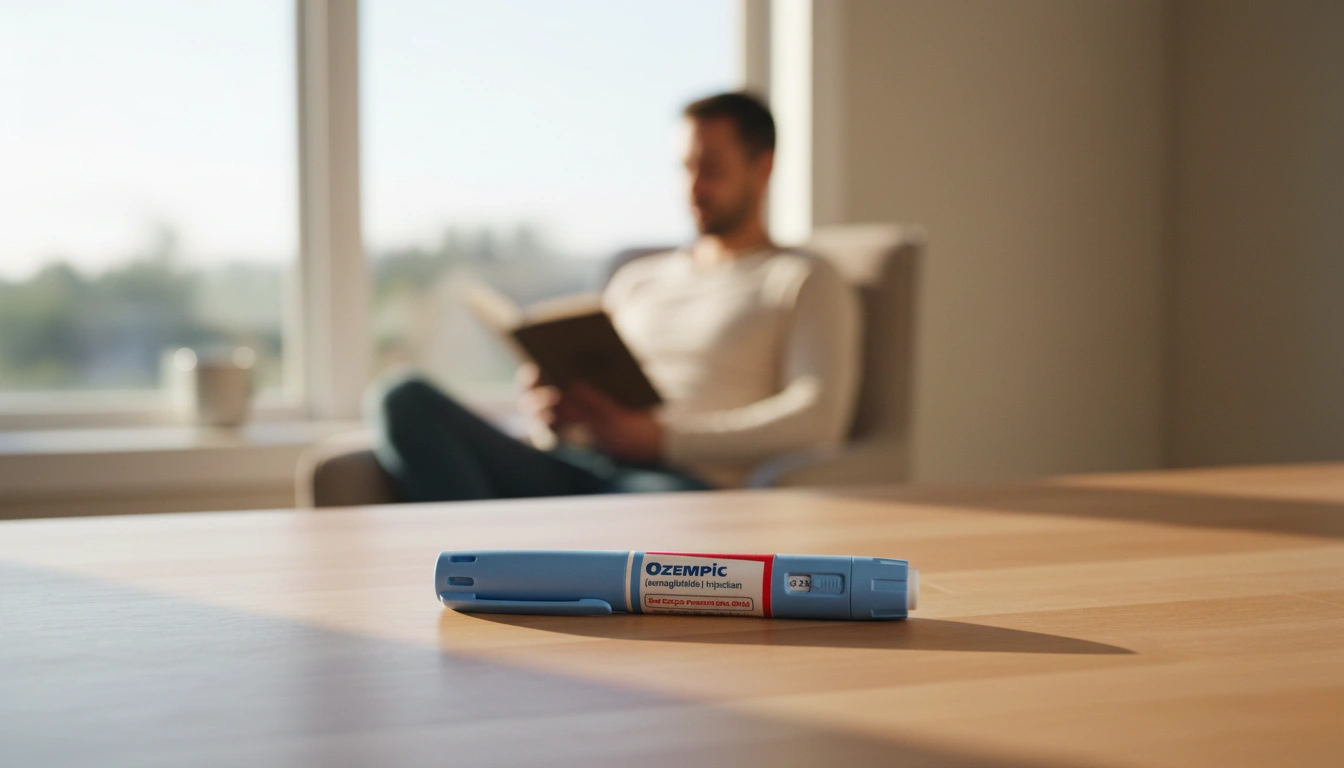
When a medication works directly on the brain, questions about mood and mental health aren’t just reasonable. They’re necessary. Ozempic and semaglutide activate GLP-1 receptors in areas of the brain that regulate reward, motivation, and emotional processing, which means their relationship with depression is worth examining carefully. The picture that emerges from the research is more reassuring than early concerns suggested, but it’s not without nuance.
Where the Concern Came From
The question of whether GLP-1 medications might worsen depression or increase suicidal ideation didn’t come out of nowhere. Early reports from patients using older GLP-1 receptor agonists raised enough concern that regulatory agencies in Europe and the United States began monitoring the issue. The FDA added a precautionary note to some medications in this class and initiated a formal review.
That review, along with subsequent research, has shaped the current understanding. But the early concern established a reasonable expectation that anyone prescribing or taking these medications should be paying attention to mood, particularly in the first months of treatment.
What Large-Scale Data Actually Shows
The most informative data on this question comes from large real-world studies rather than controlled trials, because the patient populations using these medications are broad and the outcomes being tracked are complex.
A significant analysis published in Nature Medicine in 2024 examined health records from more than 1.8 million patients and found that semaglutide was associated with a lower risk of new depression diagnoses compared to other weight loss interventions and compared to non-GLP-1 diabetes medications. The same analysis found no elevated risk of suicidal ideation in semaglutide users relative to comparison groups.
That’s a meaningful finding. It doesn’t mean semaglutide is an antidepressant or that depression can’t occur during treatment. But it does suggest the early regulatory concern about elevated depression risk has not been borne out in large-scale observational data.
Why GLP-1 Medications Might Actually Support Mood
Understanding why semaglutide might have a neutral or even positive effect on mood requires looking at the mechanisms involved.
First, GLP-1 receptors are present in brain regions associated with mood regulation, including the hippocampus and prefrontal cortex. Animal studies and early human research suggest that GLP-1 receptor activation may have neuroprotective effects and could support neuroplasticity, the brain’s ability to form and strengthen new connections. Both are relevant to depression.
Second, systemic inflammation is increasingly recognized as a driver of depressive symptoms in a subset of patients. GLP-1 medications reduce systemic inflammation, and that reduction may contribute to mood improvement in people whose depression has an inflammatory component.
Third, and perhaps most practically, the downstream effects of successful weight loss, improved energy, better sleep, increased mobility, reduced physical pain, are all independently associated with better mood outcomes. For many patients, the psychological burden of struggling with weight is significant, and lifting that burden has real emotional consequences.
When Depression Can Still Occur During Treatment
None of the above means depression is impossible on Ozempic. It isn’t. And there are specific patterns worth knowing about.
Some patients report a transient mood dip in the early weeks of treatment, particularly around the time of dose increases. This may relate to the temporary disruption of reward signaling as the brain adjusts to GLP-1 receptor activation. For most people this resolves within a few weeks, but it can be unsettling if you’re not expecting it.
Nausea and gastrointestinal side effects, which are common early in treatment, can also affect mood indirectly. Feeling physically unwell for an extended period is demoralizing, and if nausea is severe or prolonged it can contribute to low mood that isn’t a direct medication effect but is still real and worth addressing.
Consider this scenario: a patient starts semaglutide and by week three notices he feels more withdrawn and less motivated than usual. He’s also dealing with persistent nausea. His provider adjusts his injection timing, recommends smaller meals, and checks in more frequently. By week six, the nausea has settled and his mood has returned to baseline.
That kind of presentation is different from a patient who develops worsening depressive symptoms that persist beyond the adjustment period and aren’t explained by physical side effects. The second scenario warrants a more thorough clinical evaluation.
People With Pre-Existing Depression: What to Know
If you have a history of depression or are currently being treated for it, GLP-1 treatment isn’t automatically contraindicated. But it does require more deliberate monitoring and communication with your provider.
A few things are worth discussing before you start. How stable is your current mental health? Are you working with a mental health provider who should be informed about the new medication? Are there any interactions between semaglutide and medications you’re currently taking for depression? While semaglutide doesn’t have well-documented pharmacokinetic interactions with most antidepressants, the behavioral and appetite changes it produces can affect how some patients experience their mental health treatment.
For a broader look at how GLP-1 medications affect mental health overall, the article on how GLP-1 medications affect mental health covers the full landscape including anxiety, mood, and emotional adjustment.
What to Monitor and When to Act
Regardless of your mental health history, some active monitoring during the first few months of treatment is sensible. The things worth paying attention to include persistent low mood that doesn’t lift after the initial adjustment period, loss of interest in activities that normally engage you, changes in sleep that go beyond what early nausea would explain, and any thoughts of self-harm.
None of these are common outcomes on semaglutide. But they’re important enough that waiting to see if they resolve on their own is not the right approach. Contact your provider promptly if any of these arise.
On the other side of the ledger, many patients report that as treatment progresses and weight loss accumulates, their mood improves in ways they didn’t fully anticipate. The relationship between physical health, food behavior, and emotional wellbeing is deeply interconnected, and moving the physical variables in a positive direction often has meaningful psychological effects.
The Takeaway
The current evidence does not support the idea that Ozempic or semaglutide increases depression risk in the general population. For most people, the mental health trajectory on these medications is neutral to positive. But individual responses vary, pre-existing conditions matter, and active monitoring is always appropriate when starting any medication that interacts with brain chemistry.
If you’re weighing whether GLP-1 treatment is right for you and want to discuss your full health picture with a provider, starting with an intake assessment is the first step toward a personalized recommendation.
This information is for educational purposes and is not medical advice. Consult with a healthcare provider before starting any medication. Individual results may vary.

Transforming Lives, One Step at a Time
Keep reading

Can You Sunbathe With an Injection Site Bruise on Ozempic?
You can, and the better answer is to cover that specific spot. Ultraviolet light on skin that is actively healing can trigger post-inflammatory hyperpigmentation,…

Can You Swim Right After Injecting Ozempic?
Essentially yes. Once the needle is out and you have held it in place for the recommended few seconds, the medication is in your…

Can You Take Ozempic While Recovering From Surgery?
The timing of restarting is a decision for your surgical team, and it is worth asking before you leave rather than working it out…


