Diet and Exercise After Ozempic: Maintaining Results Long-Term
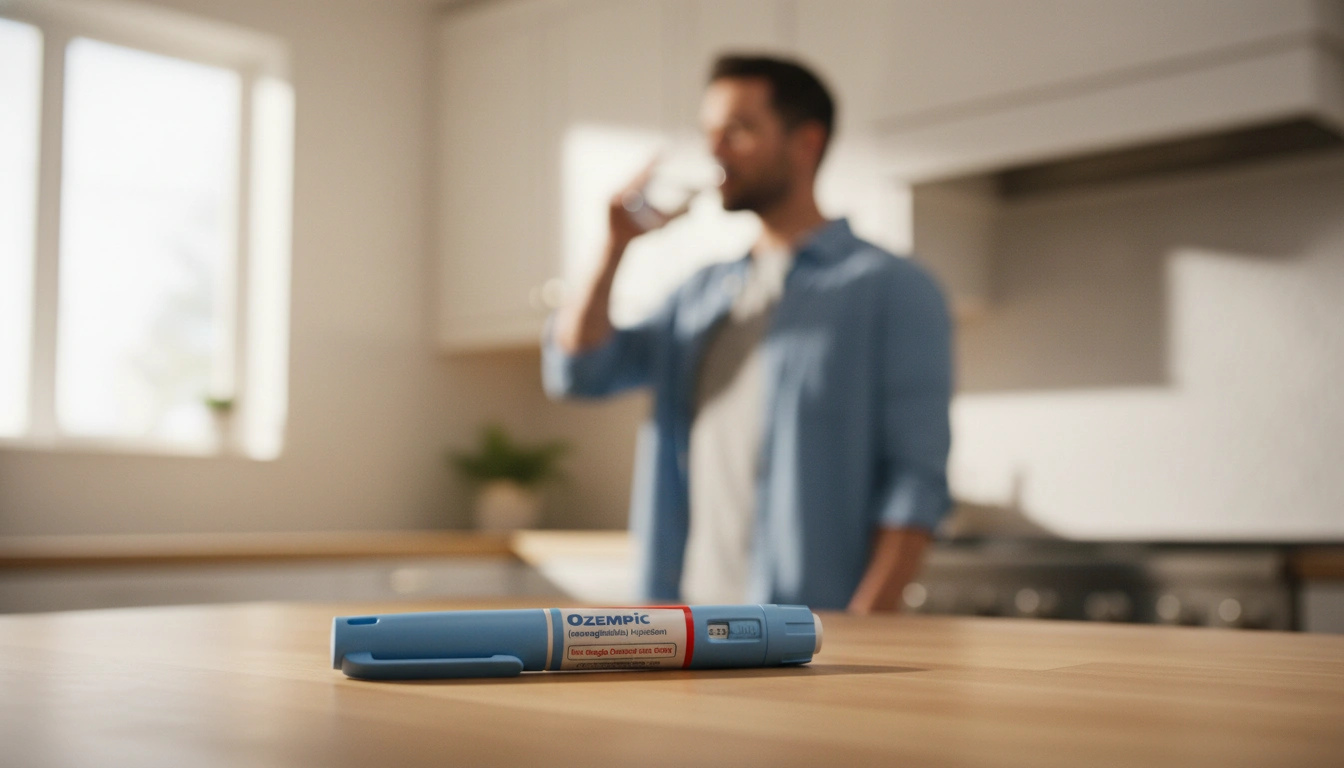
Maintaining weight loss after Ozempic requires replacing what the medication was doing with habits strong enough to do some of that work independently. That’s not a small ask, and it’s worth being honest about the challenge rather than pretending it’s straightforward. But it’s also not impossible. Patients who build the right foundation during treatment, and who understand what they’re working with after stopping, give themselves a genuinely fighting chance at holding their results. Here’s what that actually looks like.
What You’re Working Against
Before getting into the practical strategies, it helps to understand the physiological reality of stopping a GLP-1 medication. Ozempic doesn’t just reduce appetite while you’re taking it. It actively suppresses hunger hormones, slows gastric emptying, reduces the reward-driven pull toward high-calorie foods, and modulates how your brain responds to food cues.
When semaglutide clears your system over four to five weeks after the last injection, those effects reverse. Appetite returns. Food noise comes back. The body, which defended a higher weight before treatment, tends to push back in that direction once the pharmacological suppression is removed.
This is compounded by the fact that losing weight, regardless of how it’s achieved, triggers adaptive metabolic responses. Your resting metabolic rate decreases as body mass decreases, and hunger hormones like ghrelin tend to increase after weight loss as the body tries to recover lost mass. These adaptations don’t fully normalize for months or years after weight loss, which is why maintaining results requires ongoing intentional effort rather than simply returning to previous habits.
None of this is meant to be discouraging. It’s meant to explain why the strategies below matter and why they need to be taken seriously rather than treated as optional add-ons.
Building Your Nutritional Foundation
Protein Is Non-Negotiable
After stopping Ozempic, protein becomes your most powerful dietary tool. It provides more sustained satiety than carbohydrates or fat, supports the preservation of lean muscle mass during periods of calorie control, and has a higher thermic effect, meaning your body burns more calories processing it than other macronutrients.
Aiming for 0.7 to 1 gram of protein per pound of body weight daily gives you the best chance of managing hunger without pharmacological support. Practically, this means centering each meal around a protein source before filling in with vegetables and other foods. Eggs, Greek yogurt, cottage cheese, chicken, fish, legumes, and protein shakes are reliable options that work across different dietary preferences and schedules.
Fiber as a Fullness Tool
GLP-1 medications slow gastric emptying, which contributes to feelings of fullness. After stopping, that mechanism is gone. High-fiber foods partially compensate by slowing digestion through a different mechanism and increasing the physical volume of meals without dramatically increasing calories.
Vegetables, legumes, whole grains, and fruit all contribute meaningfully to fiber intake. Aiming for 25 to 35 grams of fiber daily is a reasonable target for most adults and provides a meaningful satiety benefit that helps bridge the gap left by the medication.
Meal Structure Over Intuitive Eating
During treatment, the medication’s appetite suppression naturally regulated meal timing and portion sizes. After stopping, hunger signals become more erratic and intense, making intuitive eating a less reliable approach for most people in the post-treatment period.
Structured meals at consistent times, three main meals with planned snacks if needed, prevent the deep hunger that leads to overeating. This isn’t about being rigid forever. It’s about providing external structure during the period when internal hunger cues are no longer being modulated by the medication.
The Exercise Piece
Why Resistance Training Matters More Than Cardio
When weight loss happens, some of what’s lost is lean muscle mass alongside fat. GLP-1 medications don’t prevent this entirely, though they tend to produce better body composition outcomes than severe calorie restriction alone. After stopping, the priority for exercise shifts toward preserving and rebuilding the lean mass that supports your resting metabolic rate.
Resistance training, whether with weights, machines, resistance bands, or bodyweight movements, signals to your body that muscle needs to be maintained even during periods of calorie control. Two to three sessions per week is enough to produce meaningful results. The sessions don’t need to be long or intense. Consistency over time matters far more than any individual workout.
Cardio as a Calorie and Metabolic Tool
Cardiovascular exercise plays a supporting role after Ozempic by burning additional calories, improving insulin sensitivity, and supporting mood and energy levels that make maintaining healthy habits easier. Walking is consistently underestimated here. A daily 30 to 45 minute walk adds up to a meaningful calorie expenditure over a week and carries a low injury risk compared to higher-intensity options.
The combination of resistance training and moderate cardio produces better long-term weight maintenance outcomes than either approach alone. Think of them as complementary rather than competing tools.
Consistency Over Intensity
One of the most common mistakes people make after stopping GLP-1 treatment is trying to compensate for the loss of pharmacological appetite suppression with dramatically increased exercise intensity. This approach tends to backfire. High-intensity training increases hunger significantly, and without the medication dampening that response, exercise-driven hunger can easily offset the caloric benefit of the workout.
Moderate, consistent exercise that doesn’t spike hunger aggressively is more sustainable and more effective for weight maintenance than sporadic intense efforts.
Behavioral Strategies That Make the Difference
Track, At Least Loosely
During treatment, the medication’s appetite suppression effectively acted as a built-in portion control mechanism. After stopping, conscious awareness of food intake fills some of that role. You don’t need to log every gram of food indefinitely, but maintaining some awareness of what and how much you’re eating prevents the gradual drift that leads to significant regain over months.
A simple food journal, even just noting meals in your phone, provides enough awareness to catch drift early before it compounds.
Weigh Yourself Regularly
Weekly weigh-ins, taken at the same time under the same conditions, give you early warning of regain trends before they become significant. A two to three pound upward drift caught early is easy to address. A fifteen pound drift noticed six months later is a much heavier lift.
The goal isn’t to become fixated on the number but to use it as a data point that prompts action when needed.
Address the Return of Food Noise Directly
For patients who experienced significant food noise before treatment, its return after stopping can feel destabilizing. Having a plan for this in advance helps. That might mean working with a therapist who specializes in eating behaviors, using mindfulness practices around meals, or identifying specific high-risk situations, like evening snacking or stress eating, and having explicit strategies for handling them.
For a deeper look at how GLP-1 medications affect the psychological relationship with food and what changes when they stop, building lasting habits after stopping GLP-1 medications covers the behavioral side of the transition in detail.
A 2022 study published in Obesity found that patients who combined structured dietary habits and regular physical activity with GLP-1 discontinuation retained significantly more of their weight loss at one year compared to those who relied primarily on the medication without building independent behavioral strategies, reinforcing that what you do during treatment is as important as the treatment itself for long-term outcomes.
When Lifestyle Alone Isn’t Enough
It’s worth saying plainly: for many patients, lifestyle alone after stopping Ozempic will not fully maintain results. That’s not a failure of effort or character. It reflects the chronic nature of obesity as a condition and the ongoing physiological pressure to regain weight after loss.
If regain is happening despite genuine effort with diet and exercise, that’s useful clinical information rather than a reason for shame. It may mean that continued treatment, whether returning to Ozempic, switching to a different GLP-1 medication, or exploring compounded options at a more manageable cost, is the right path forward.
TrimRx offers compounded semaglutide as an affordable alternative for patients who want to continue treatment without the cost of brand-name Ozempic. If maintaining results long-term with pharmacological support is the right strategy for you, the intake assessment is the starting point for finding a sustainable treatment plan.
This information is for educational purposes and is not medical advice. Consult with a healthcare provider before starting any medication. Individual results may vary.

Transforming Lives, One Step at a Time
Keep reading

State Fair on Ozempic: Fair Food, Heat and Rides
The state fair, or the county fair, is a celebration of food that exists nowhere else: deep-fried butter, funnel cakes, corn dogs, turkey legs,…

Real Estate Agents on Ozempic
Real estate has no typical day. A morning of paperwork turns into four showings across town, a client calls with an offer at dinner,…

Call Center Job on Ozempic: Managing Side Effects on Shift
Call center and customer service work has a rhythm that few other jobs share. Your breaks are scheduled to the minute, adherence targets track…


