Can Ozempic Help With Hypoglycemia? Balancing Blood Sugar for Weight Loss Success
Introduction
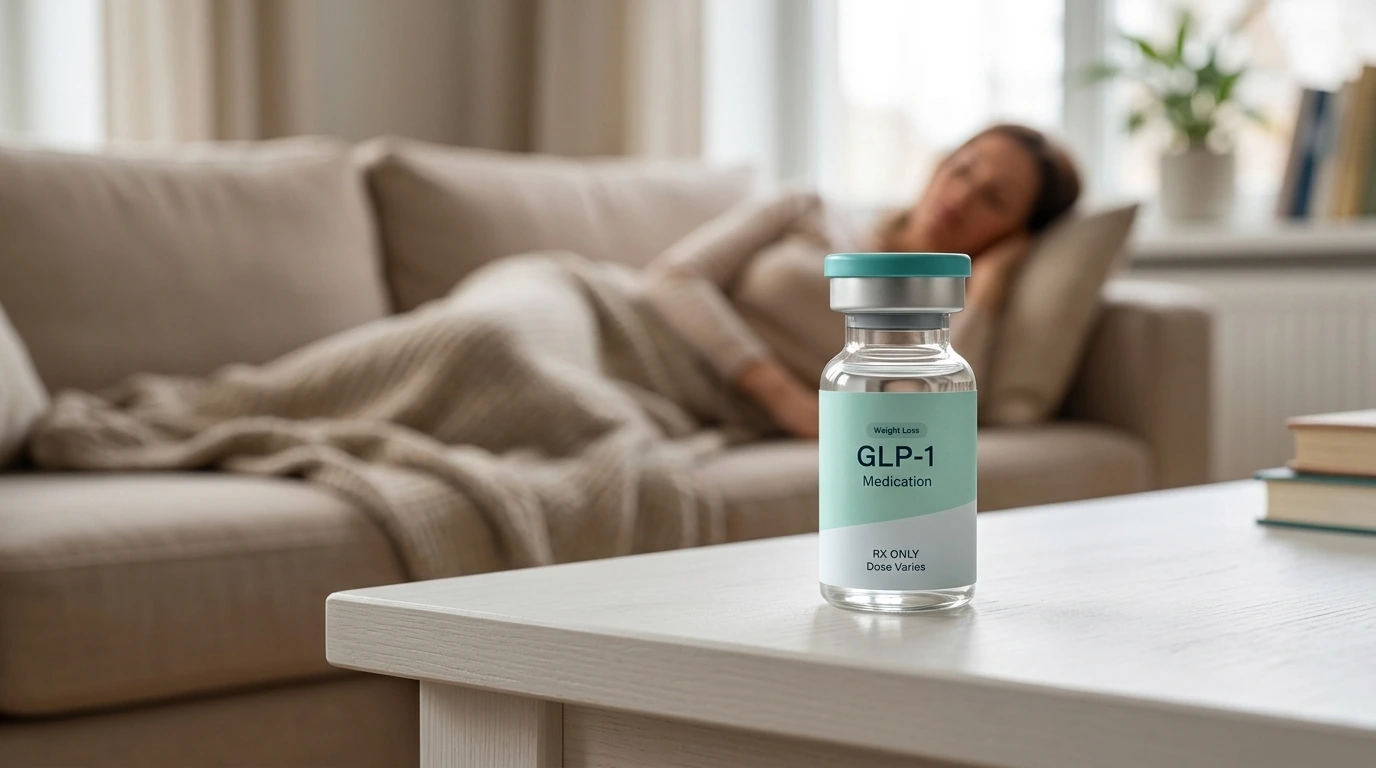
Have you ever experienced that sudden, shaky, cold-sweat sensation just a few hours after eating a high-carb meal? For many individuals navigating the complexities of metabolic health, the “sugar rollercoaster”—the sharp spike followed by an even sharper crash—is a frustrating daily reality. While most conversations surrounding Ozempic® and other GLP-1 receptor agonists focus on their remarkable ability to lower high blood sugar and promote weight loss, a more nuanced question is emerging: can Ozempic help with hypoglycemia? Understanding the delicate dance of insulin and glucose is at the heart of modern metabolic science, and at TrimRx, we are dedicated to helping you decode these signals to achieve lasting health.
Our journey at TrimRx began with a shared vision: to empower individuals to embrace healthier lifestyles by merging cutting-edge telehealth innovations with effective, science-backed weight loss solutions. We believe that sustainable transformation is not just about the numbers on a scale but about achieving a state of metabolic equilibrium. Our platform provides a user-friendly and supportive space where you can receive personalized care tailored to your unique biological needs. Whether you are curious about how prescription medications affect your glucose levels or you are looking for ways to smooth out your energy levels throughout the day, we are here to provide the transparency and empathy you deserve.
By the end of this article, you will have a comprehensive understanding of how semaglutide (the active ingredient in Ozempic®) interacts with your body’s blood sugar regulation systems. We will explore the paradox of how a medication designed to lower blood sugar may actually offer stability for those prone to certain types of “lows,” while also addressing the vital safety precautions necessary to avoid dangerous drops. We will cover everything from the mechanism of the GLP-1 hormone to the specific clinical scenarios where these medications are being studied for blood sugar stabilization.
If you are wondering if your metabolic profile makes you a candidate for these advanced therapies, we invite you to take our free assessment quiz to determine your eligibility and receive a treatment plan designed specifically for you. Together, we will explore the science of stability and how a personalized approach can transform your weight loss journey.
Understanding the Mechanism of Ozempic and Blood Sugar
To answer whether Ozempic® can help with hypoglycemia, we first need to look at how it functions within the body. Ozempic® is a GLP-1 (glucagon-like peptide-1) receptor agonist. In nature, GLP-1 is a hormone produced in the gut that signals the pancreas to release insulin after we eat. However, the brilliance of this medication lies in its “glucose-dependent” nature.
The Incretin Effect and Glucose Dependency
The human body uses “incretin” hormones to signal that food has arrived. When you take a medication like Ozempic® or its compounded semaglutide counterparts, you are essentially enhancing this natural signaling process.
Unlike older classes of diabetes medications or traditional insulin injections, GLP-1 RAs only stimulate insulin secretion when blood glucose levels are actually high. This is a critical distinction. Because the medication’s action tapers off as blood sugar levels return to a normal range, it has a very low intrinsic risk of causing hypoglycemia when used as a standalone treatment. This “smart” regulation is what allows the body to manage glucose more efficiently without overshooting the mark and causing a crash.
Slowing Gastric Emptying
Another way Ozempic® influences blood sugar is by slowing down “gastric emptying”—the rate at which food leaves your stomach and enters the small intestine. When digestion is slowed, glucose enters the bloodstream at a much more gradual pace. Instead of a massive flood of sugar that triggers a massive flood of insulin, you get a steady stream. For individuals who suffer from “reactive hypoglycemia,” this slowing effect can be a game-changer. By preventing the initial spike, the medication may prevent the subsequent over-correction by the pancreas that leads to a “low.”
If you’re interested in supporting your digestive health while on this journey, our GLP-1 Daily Support is specifically formulated to assist with the unique nutritional needs that arise when your digestion slows down.
Defining Hypoglycemia: Fasting vs. Reactive
When we ask if a medication can help with hypoglycemia, we have to define which “low” we are talking about. Hypoglycemia generally refers to blood sugar levels below 70 mg/dL, but the cause matters immensely.
Fasting Hypoglycemia
Fasting hypoglycemia occurs when you haven’t eaten for a long period, and your body’s blood sugar drops because it has exhausted its immediate energy stores. This is common in certain medical conditions or as a side effect of medications like insulin or sulfonylureas. Ozempic® does not typically “help” with fasting hypoglycemia; in fact, if combined with other medications that cause fasting lows, it can potentially exacerbate the issue if doses are not carefully managed by a clinician.
Reactive Hypoglycemia
Reactive hypoglycemia is a different beast. It occurs within 2 to 4 hours after a meal. It is often caused by an overproduction of insulin in response to a high-carbohydrate meal. The body senses a spike in sugar, releases too much insulin, and the sugar levels then plummet below the healthy range.
Because Ozempic® and other GLP-1s like Wegovy® and Zepbound® help regulate the speed of sugar absorption and the timing of insulin release, there is growing interest in how these medications might stabilize the reactive cycle. By smoothing out the post-meal glucose curve, the medication may reduce the frequency of these reactive crashes.
For those looking to optimize their metabolic health and potentially mitigate these spikes, our Weight Loss Boost supplement can be an excellent addition to a balanced wellness routine.
Can Ozempic Help with Hypoglycemia? Exploring Recent Research
While Ozempic® is primarily indicated for type 2 diabetes and weight management, researchers have begun investigating its role in treating specific, severe forms of hypoglycemia.
Semaglutide and Dumping Syndrome
A fascinating area of study involves “Dumping Syndrome,” a condition often seen after bariatric surgery (like gastric bypass). In these cases, food “dumps” too quickly into the small intestine, causing rapid glucose absorption followed by severe reactive hypoglycemia.
Recent clinical case reports have shown that semaglutide can significantly reduce the time spent in a hypoglycemic state for these patients. By slowing the movement of food and modulating the insulin response, the medication helped keep blood sugar levels within a healthy target range. While this is an off-label use, it highlights the stabilizing potential of the GLP-1 class.
The Role of Glucagon Suppression
Beyond insulin, Ozempic® also affects another hormone: glucagon. Glucagon’s job is to raise blood sugar when it’s too low. Interestingly, GLP-1 RAs suppress glucagon when blood sugar is high (preventing the liver from dumping even more sugar into the blood), but they do not appear to impair the body’s natural glucagon response to an actual “low.” This nuance is why the medication is considered so much safer than other glucose-lowering options; it respects the body’s own defensive mechanisms against hypoglycemia.
The Risk Side: When Ozempic Causes Hypoglycemia
It would be irresponsible to discuss the benefits without acknowledging the risks. While Ozempic® is unlikely to cause hypoglycemia on its own, the risk increases dramatically in specific contexts.
Combination Therapy Risks
The most significant risk of hypoglycemia occurs when Ozempic® is taken alongside:
- Insulin: Since insulin works regardless of current glucose levels, adding a GLP-1 can cause the cumulative effect to be too strong.
- Sulfonylureas: These medications “force” the pancreas to secrete insulin all the time. When you add the glucose-dependent boost of semaglutide, the blood sugar can drop too low.
At TrimRx, we prioritize safety and transparency. This is why our personalized assessment is so vital. It allows our partner clinicians to see your full medication history and health profile to ensure that any prescribed weight loss program—whether it involves Ozempic®, Mounjaro®, or compounded Tirzepatide—is safe for your specific situation.
Lifestyle Factors That Increase Risk
Even on a medication with a low risk of hypoglycemia, certain lifestyle choices can tip the balance:
- Alcohol Consumption: Alcohol can interfere with the liver’s ability to release glucose, potentially leading to a drop in blood sugar, especially if you haven’t eaten.
- Excessive Exercise: While physical activity is encouraged, sudden, intense exercise can burn through glucose faster than your body can replenish it while on medication.
- Skipping Meals: Because Ozempic® reduces appetite, it’s easy to forget to eat. Going too long without nutrition can lead to fatigue and low sugar levels.
The TrimRx Approach to Balanced Weight Loss
At TrimRx, we believe that sustainable weight loss should be achieved through science, empathy, and a transparent approach. Our brand is empathetic and supportive because we know that weight loss is about more than just “willpower”—it’s about biology.
Personalized, Medically Supervised Care
When you join a TrimRx program, you aren’t just getting a prescription. You are entering a supportive space designed to make sustainable weight loss attainable. Our programs include:
- Doctor Consultations: Professional guidance to tailor your treatment.
- FDA-Registered Pharmacies: We work exclusively with FDA-registered and inspected pharmacies for the shipping of all medications.
- Continuous Support: Unlimited access to help as your body adjusts to its new metabolic state.
- Transparency: Our approach remains consistent regardless of dosage changes, ensuring you always know what to expect.
Whether you are a candidate for Ozempic®, Wegovy®, or our personalized Compounded Semaglutide, our goal is to ensure you feel empowered and informed. To see which of our programs is the right fit for your metabolic health, we encourage you to start your journey with our quiz.
Practical Tips for Managing Blood Sugar on Ozempic
Maintaining stability is a partnership between your medication and your daily habits. Here are several fact-based strategies to help keep your blood sugar in the “Goldilocks” zone—not too high, and not too low.
Prioritize Protein and Fiber
To avoid the spikes and crashes of reactive hypoglycemia, focus on “balanced” plates. Protein and fiber both slow down the absorption of carbohydrates. By including lean proteins and leafy greens in every meal, you provide a buffer for your blood sugar. If you find it difficult to get all your nutrients while your appetite is suppressed, our GLP-1 Daily Support can help bridge the gap.
Monitor Your Body’s Signals
It’s important to stay “attuned” to how you feel. Common symptoms of blood sugar that is dipping too low include:
- Dizziness or lightheadedness
- Jitteriness or tremors
- Sudden, intense hunger
- Irritability or “brain fog”
- Palpitations
If you notice these patterns, especially a few hours after eating, it may be a sign of reactive hypoglycemia. Discussing these symptoms with a clinician is essential to see if a dosage adjustment or a change in meal timing is necessary.
Hydration and Electrolytes
Dehydration can sometimes mimic the symptoms of hypoglycemia, such as dizziness and fatigue. Medications like Ozempic® can sometimes make you less thirsty, so it’s vital to drink water consistently throughout the day. To ensure you are staying optimally hydrated and energized, consider adding our Weight Loss Boost to your daily routine, which can support metabolic function.
Compounded Medications and Safety
In the world of GLP-1 medications, you may hear a lot about “compounded” versions. It is important to understand the distinction. While branded medications like Ozempic® and Zepbound® are FDA-approved, compounded medications are not “FDA-approved” in the same way. However, they can be a safe and effective option when sourced correctly.
At TrimRx, we prioritize your safety above all else. We partner exclusively with FDA-registered and inspected pharmacies to provide our compounded semaglutide and compounded tirzepatide. This ensures that the medications you receive are prepared in facilities that meet rigorous standards for quality and safety. We believe in providing access to these life-changing medications with total transparency and no hidden fees.
The Role of Supplements in Your Journey
While our personalized weight loss programs (which require a free assessment quiz) focus on prescription solutions like Oral Semaglutide or Mounjaro®, we also offer quick-access supplements that do not require a quiz.
GLP-1 Daily Support
Taking a GLP-1 medication changes how your body processes food. Our GLP-1 Daily Support is designed to complement your medication by providing essential vitamins and minerals that might be missing due to a reduced appetite. It helps maintain energy levels and supports overall wellness, ensuring you feel your best while your body works on recalibrating its metabolism.
Weight Loss Boost
For those looking to maximize their results, our Weight Loss Boost supplement offers a blend of ingredients designed to support a healthy metabolism. It’s an excellent tool for anyone, whether they are on a prescription plan or simply looking to enhance their natural weight loss efforts through better nutrition and metabolic support.
Addressing the “Sugar Rollercoaster” Long-Term
Can Ozempic help with hypoglycemia in the long run? The goal of any metabolic intervention should be “metabolic flexibility”—the body’s ability to switch between burning sugar and burning fat efficiently without dramatic swings in energy.
Moving Beyond the “Crash”
By utilizing medications like semaglutide or tirzepatide under medical supervision, many people find that they finally break the cycle of cravings and crashes. When your blood sugar is stable, your brain isn’t constantly screaming for a “quick fix” of sugar to bring you out of a low. This stability is the secret ingredient to sustainable weight loss. It allows you to make conscious food choices based on nutrition rather than biological desperation.
Success Through Personalization
There is no one-size-fits-all dosage or plan. For some, a low dose of Ozempic® is enough to stabilize their reactive hypoglycemia and trigger weight loss. For others, a higher dose or a different medication, such as Zepbound®, might be necessary. This is why we emphasize our personalized treatment plans. We believe that by combining advanced medical science with modern technology, we can offer compassionate care that respects every individual’s unique journey.
If you are ready to stop the “sugar rollercoaster” and start a science-based journey toward a healthier you, complete our free assessment quiz today.
Summary: A New Perspective on Metabolic Stability
So, can Ozempic help with hypoglycemia? The answer is a qualified “yes” for certain types of post-meal “lows,” but it requires careful management. By slowing digestion and ensuring insulin is only released when needed, Ozempic® and related GLP-1 medications provide a powerful tool for blood sugar stabilization. However, they are not a “cure” for low blood sugar and must be used with an awareness of potential interactions with other medications.
At TrimRx, our commitment to your health is reflected in our transparent service, our partnership with FDA-registered pharmacies, and our dedication to providing a supportive, results-oriented environment. We are more than just a provider of medication; we are your partners in metabolic health.
Whether you are looking for the immediate support of our GLP-1 Daily Support or are ready to explore a personalized weight loss program, we are here to help you every step of the way. Let’s work together to make sustainable weight loss—and stable blood sugar—your new reality.
Frequently Asked Questions
1. Does Ozempic cause low blood sugar in people who don’t have diabetes?
In clinical settings, Ozempic® has a very low risk of causing hypoglycemia in individuals without diabetes. This is because the medication is glucose-dependent; it primarily triggers insulin release only when your blood sugar is high. As your levels normalize, the medication’s effect on insulin tapers off. However, factors like excessive alcohol consumption or extreme fasting can still lead to low sugar levels.
2. Can I take Ozempic if I have a history of reactive hypoglycemia?
There is evidence to suggest that GLP-1 receptor agonists can help manage reactive hypoglycemia by slowing down stomach emptying and preventing the “spikes” that cause the subsequent “crashes.” However, it is essential to have this evaluated by a healthcare professional. You can take our assessment quiz to share your health history with a clinician who can determine if this approach is right for you.
3. What should I do if I feel dizzy or shaky while taking my medication?
If you experience symptoms of low blood sugar, such as shakiness or dizziness, you should immediately consume a small amount of fast-acting carbohydrates, like fruit juice or a glucose tablet. It’s also important to review your meal patterns; ensure you aren’t skipping meals. If these symptoms persist, consult your healthcare provider to discuss a potential dosage adjustment.
4. Are the compounded medications from TrimRx the same as the brand-name versions?
Compounded medications contain the same active ingredients (like semaglutide or tirzepatide) as brand-name versions like Ozempic® or Mounjaro®. While compounded medications are not “FDA-approved,” TrimRx ensures safety by working exclusively with FDA-registered and inspected pharmacies. This ensures that the medication is prepared according to strict quality standards for your personalized treatment plan.

Transforming Lives, One Step at a Time
Keep reading

Ozempic Alternatives: Your Options Compared
If Ozempic isn’t the right fit, whether because of cost, side effects, availability, or results, you have real alternatives. The closest ones are other…

Ozempic vs Wegovy: Same Drug, Different Purpose
Here’s the fact that surprises most people: Ozempic and Wegovy are the same medication (semaglutide), just sold under different brand names, at different doses,…
When Do “Ozempic Vulva” Changes Start and Stabilize? A Timeline
Vulvar and genital changes from GLP-1 weight loss follow the pace of your weight loss, so they typically begin within the first few months…


