Comprehensive Relief: How to Help Ozempic Constipation and Support Your Journey
Introduction
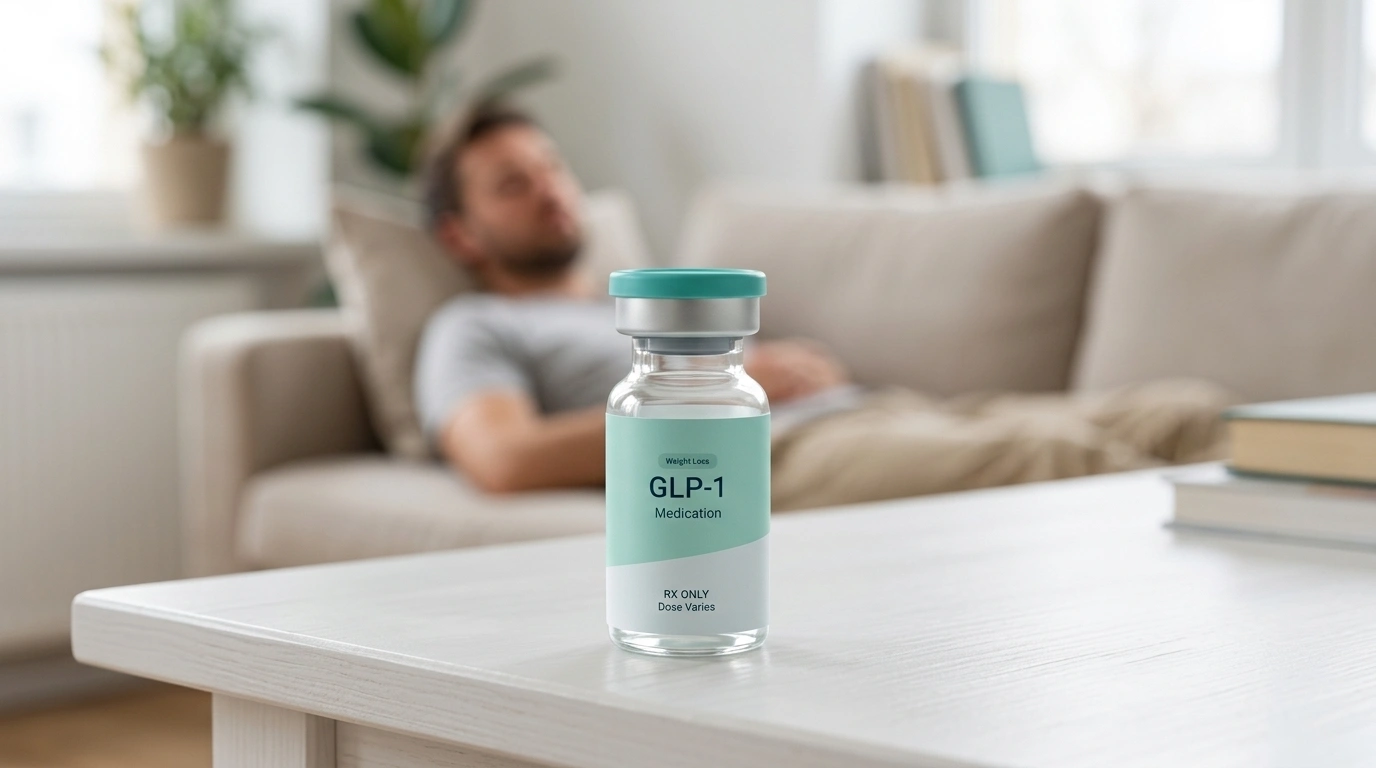
Finding a rhythm in a new health routine often comes with a few unexpected hurdles. For many embarking on a weight loss journey using GLP-1 receptor agonists, the initial excitement of seeing progress can sometimes be dampened by a common, yet uncomfortable, physical reality: gastrointestinal slowing. Statistics from clinical trials indicate that while nausea often grabs the headlines, a significant number of individuals—nearly one in four at higher dosages—will experience a shift in their bowel habits. This isn’t just a minor inconvenience; it can affect your energy, your comfort, and your focus as you work toward a healthier version of yourself.
At TrimRx, our journey began with a shared vision to help individuals embrace healthier lifestyles by merging cutting-edge telehealth innovations with effective weight loss solutions. We understand that the path to sustainable health isn’t just about the numbers on the scale; it’s about how you feel every single day. This is why we prioritize a user-friendly and supportive space where individuals receive personalized, medically supervised care. We believe that sustainable weight loss should be achieved through science, empathy, and a transparent approach that addresses the “whole person,” including the side effects that might arise along the way.
The purpose of this guide is to provide you with a deep, actionable understanding of why these digestive changes occur and, more importantly, how to help Ozempic constipation using both natural methods and targeted support. We will cover everything from the underlying science of gastric emptying to practical dietary shifts, the role of physical activity, and when it might be time to supplement your routine. By the end of this article, you will be equipped with a toolkit of strategies to keep your progress on track and your digestive system moving smoothly.
Whether you are currently utilizing our personalized weight loss program or are just beginning to research your options, understanding your body’s response to medication is the first step toward mastery. We’ll explore the nuances of GLP-1 therapy, the differences between various relief methods, and how the TrimRx philosophy of compassionate, science-based care can help you navigate these transitions with confidence. Together, we’ll turn a potential roadblock into a manageable part of your successful transformation.
Understanding the Mechanism: Why GLP-1 Medications Impact Digestion
To effectively address digestive slowing, we must first look at how these medications function within the body. Medications like Ozempic® and Wegovy® (semaglutide), as well as Mounjaro® and Zepbound® (tirzepatide), belong to a class of drugs known as GLP-1 receptor agonists. These medications are designed to mimic a naturally occurring hormone in the body called glucagon-like peptide-1.
The Role of Gastric Emptying
One of the primary ways these medications facilitate weight loss and blood sugar control is by slowing down “gastric emptying.” This is the process by which food moves from the stomach into the small intestine. By extending the time food remains in the stomach, the medication helps you feel fuller for a longer period, which naturally leads to a reduction in caloric intake.
However, this slowed transit doesn’t stop at the stomach. It can affect the entire length of the gastrointestinal tract. When waste moves more slowly through the colon, the body has more time to reabsorb water from the stool. This can result in stools that are harder, drier, and more difficult to pass. This is the fundamental reason why learning how to help Ozempic constipation is such a vital part of the treatment process.
The Gut-Brain Axis and Motility
The interaction between the gut and the brain is an intricate information superhighway. GLP-1 medications influence this axis by sending signals to the brain that promote satiety. At the same time, they decrease the “motility” or spontaneous movement of the muscles in the digestive system. While this is beneficial for appetite suppression, the reduced muscular contractions in the intestines can lead to a “backup” of waste.
It is important to note that our approach at TrimRx remains consistent regardless of dosage changes. We focus on safety by working exclusively with FDA-registered and inspected pharmacies to ensure that the medications provided—whether it’s Compounded Semaglutide, Oral Semaglutide, or branded options—are of the highest quality. Understanding the science of motility helps our community members realize that constipation isn’t a sign that something is “broken,” but rather a biological side effect of the medication’s primary function.
Identifying the Signs of Medication-Induced Constipation
Not everyone experiences constipation in the same way. For some, it might be a decrease in frequency, while for others, it’s a change in the consistency of the stool. Clinical definitions typically suggest that having fewer than three bowel movements per week constitutes constipation. However, if you typically go every day and suddenly find yourself going only once every three days with significant straining, your body is signaling a change.
Frequency vs. Comfort
It is possible to have a bowel movement every day and still be “constipated” if the stool is hard, lumpy, or if you feel a sense of incomplete evacuation. This discomfort can lead to bloating and abdominal pressure, which may interfere with your daily activity. If you find yourself dreading the bathroom or feeling physically “stopped up,” it’s time to take action.
To see if you are a candidate for our medications and to receive a plan that monitors these symptoms, you can take our free assessment quiz. This helps us tailor a program to your unique physiological needs, ensuring that side effects are managed proactively.
Duration of Side Effects
Research indicates that constipation from semaglutide can last longer than other common side effects like nausea. While nausea often subsides within a week or two as the body acclimates, studies have shown that constipation can persist for a median of 47 days. This highlights the importance of establishing long-term lifestyle habits rather than just looking for a “quick fix.”
Actionable Strategies: How to Help Ozempic Constipation
The good news is that most cases of medication-induced constipation are manageable with consistent lifestyle adjustments. We believe in a transparent approach where we empower you with the tools needed for success.
Prioritizing Advanced Hydration
Hydration is the cornerstone of digestive health, especially when taking GLP-1 medications. Because these medications reduce hunger, they often inadvertently reduce thirst as well. Many individuals find they are simply drinking less than they used to.
- The 2-3 Liter Goal: Aim for at least 2 to 3 liters of water per day. This provides the necessary fluid for the colon to keep waste soft.
- Electrolyte Balance: Sometimes water alone isn’t enough. Incorporating electrolytes can help with cellular hydration. To support your body’s overall wellness during this journey, consider adding our GLP-1 Daily Support to your routine, which is designed to complement your medication and support hydration and nutrient absorption.
The Morning Flush
Starting the day with a cup of warm water or herbal tea can stimulate the “gastrocolic reflex,” which tells your colon it’s time to move. This simple habit can be a gentle way to encourage regularity without the need for harsh stimulants.
Strategic Fiber Intake
Fiber acts as a “broom” for the digestive tract, but it must be managed carefully. If you increase fiber without increasing water, you may actually worsen the constipation.
- Soluble vs. Insoluble: Soluble fiber (found in oats, beans, and apples) absorbs water and turns into a gel-like substance, slowing digestion but softening stool. Insoluble fiber (found in whole grains and vegetables) adds bulk and helps food pass more quickly.
- The 25-30 Gram Target: Aim for 25 to 30 grams of fiber daily. If you are far below this now, increase your intake slowly over two weeks to avoid gas and bloating.
- Fiber-Rich Superfoods: Chia seeds, raspberries, and lentils are excellent choices for those on a weight loss journey as they provide high nutrient density alongside their fiber content.
The Power of Movement
Physical activity is a natural prokinetic—meaning it helps move things through the gut. Even if you don’t feel like a high-intensity workout, gentle movement can be highly effective.
- Walking: A 15-minute walk after meals can help reduce “colonic inertia” and stimulate the muscles of the intestines.
- Yoga: Certain poses, particularly twists and those that compress the abdomen (like knee-to-chest), can physically massage the internal organs.
- Abdominal Massage: Using gentle, clockwise circular motions on the abdomen can help move waste through the colon manually.
Supportive Supplements and Over-the-Counter Options
Sometimes, lifestyle changes need a helping hand. At TrimRx, we offer quick-access supplements that do not require a quiz, designed to bolster your health as you navigate the side effects of weight loss.
Targeted Support from TrimRx
Our Weight Loss Boost is an excellent addition for those looking to maintain energy and support their metabolic health while managing the nuances of their program. Additionally, our GLP-1 Daily Support is specifically formulated to address the common nutritional gaps and digestive needs of those on GLP-1 therapy. These supplements are available for immediate purchase and can be a vital part of your toolkit.
Understanding Over-the-Counter Remedies
If you find that dietary changes aren’t providing relief fast enough, certain OTC options are generally considered safe for short-term use.
- Osmotic Laxatives: Products containing polyethylene glycol (like MiraLAX) work by drawing water into the colon. They are generally considered non-habit forming and are a common recommendation for how to help Ozempic constipation.
- Stool Softeners: Docusate sodium helps by allowing water and fats to penetrate the stool, making it softer. This is particularly helpful if the primary issue is straining.
- Magnesium Supplements: Magnesium oxide or magnesium citrate can be taken in the evening to help draw water into the bowels overnight.
The TrimRx Approach to Sustainable Weight Loss
Our platform is a supportive space where we blend advanced medical science with modern technology. We recognize that medications like Ozempic®, Mounjaro®, and Wegovy® are powerful tools, but they work best when supported by a comprehensive care model.
Personalized Treatment Plans
Every individual’s journey is unique. Some may experience significant digestive slowing at a low dose, while others may not feel it until they reach the maximum dosage. This is why our personalized assessment is so critical. It allows for the creation of a treatment plan that respects your body’s specific reactions.
We offer a comprehensive service that includes doctor consultations, medication shipping from FDA-registered pharmacies, and unlimited support. We believe in transparency—no hidden fees and no sudden changes in support just because your dosage changes.
Science, Empathy, and Transparency
Sustainable weight loss is a marathon, not a sprint. When you encounter side effects like constipation, our team is here to provide the empathy and scientific guidance needed to keep you moving forward. We do not just provide a prescription; we provide a partnership. This partnership includes helping you understand the “why” behind your symptoms and the “how” of resolving them safely.
Advanced Tips for Digestive Success
Beyond the basics of fiber and water, there are several “pro tips” that can make a significant difference in your comfort levels.
Meal Timing and Frequency
Since GLP-1 medications slow the emptying of the stomach, eating large meals can lead to a “traffic jam” in your digestive system.
- Small, Frequent Meals: Instead of three large meals, try four to six smaller snacks throughout the day. This keeps a steady, manageable flow of food moving through your system.
- Spacing: Try to space meals at least 3 to 4 hours apart to give your stomach time to process the previous intake.
Posture and Mechanics
The physical way we use the bathroom can impact how easily we pass stool.
- The Squatting Position: Using a small stool to elevate your feet while sitting on the toilet can change the angle of the rectum, making it easier for waste to exit. This mimics a more natural squatting position.
- Routine: Try to visit the bathroom at the same time every day, ideally after a meal or a hot drink, to train your body to expect a bowel movement.
When to Seek Medical Attention
While we focus on supportive, personalized care, it is vital to know when constipation might be signaling a more serious issue. While rare, GLP-1 medications can occasionally lead to more significant gastrointestinal complications, such as a bowel obstruction or severe gastroparesis.
Warning Signs
You should contact a healthcare professional or seek immediate care if your constipation is accompanied by:
- Severe or worsening abdominal pain and cramping.
- Persistent vomiting, especially if you are unable to keep fluids down.
- A total inability to pass gas.
- Blood in the stool or black, tarry stools.
- A fever or significant abdominal swelling (bloating that feels hard to the touch).
Regular check-ins through our platform ensure that you have access to guidance should these symptoms arise. Our commitment to your safety means we provide medications through pharmacies that are strictly inspected, ensuring you receive exactly what is prescribed.
The Role of Compounded Medications
At TrimRx, we provide access to both branded and compounded medications. It is important to clarify that while the pharmacies we partner with are FDA-registered and inspected, compounded medications themselves are not “FDA-approved” in the same way a brand-name drug like Ozempic® is. However, they are prepared by licensed pharmacists to meet specific patient needs, often providing a vital alternative when brand-name shortages occur. We maintain the highest standards of safety and transparency in this process, ensuring you receive the care you deserve.
Conclusion: Empowering Your Journey
Managing the side effects of your weight loss journey is just as important as the medication itself. Learning how to help Ozempic constipation is not about fighting against the medication, but about working with your body’s new rhythm. By prioritizing hydration, being strategic with fiber, staying active, and utilizing the right supplements, you can ensure that your path to health remains a positive and productive one.
At TrimRx, we are more than just a provider; we are your partners in health. We merge cutting-edge technology with compassionate, results-oriented care to make sustainable weight loss attainable for everyone. From our personalized weight loss program to our quick-access wellness products like Weight Loss Boost, we are here to support every step you take.
Are you ready to take the next step in your personalized health journey? We invite you to explore what is possible when science and empathy meet. Together, we can help you achieve the results you’ve been looking for while ensuring you feel your best along the way.
Frequently Asked Questions
1. How long does constipation usually last when starting Ozempic?
While individual experiences vary, clinical data suggests that constipation can last longer than other side effects like nausea. For many, it persists for several weeks (averaging around 47 days) as the body adjusts to the slowed gastric emptying. Consistent lifestyle changes, such as those recommended by our experts, are key to managing this duration.
2. Can I take laxatives every day while on a GLP-1 medication?
It is generally recommended to use stimulant laxatives only for short-term relief. For daily support, “osmotic” options like polyethylene glycol or magnesium are often preferred as they are less likely to cause dependency. Always consult with your provider through the TrimRx platform to determine the safest long-term strategy for your specific needs.
3. Will drinking more water really fix the problem?
Hydration is a major component, but it is often part of a multi-faceted solution. Because GLP-1 medications slow the transit of waste, your colon has more time to pull water out of the stool. Increasing water intake helps ensure there is enough fluid to keep the stool soft, but it should be paired with adequate fiber and physical movement for the best results.
4. Are there specific foods I should avoid to prevent constipation?
Focusing on what to add is often more effective than what to avoid. However, highly processed foods, excessive dairy, and low-fiber meats can contribute to a “slower” gut. We recommend a balanced diet rich in whole grains, fruits, and vegetables. To fill any nutritional gaps, you can also incorporate our GLP-1 Daily Support into your daily routine.

Transforming Lives, One Step at a Time
Keep reading

Ozempic Alternatives: Your Options Compared
If Ozempic isn’t the right fit, whether because of cost, side effects, availability, or results, you have real alternatives. The closest ones are other…
Ozempic vs Wegovy: Same Drug, Different Purpose
Here’s the fact that surprises most people: Ozempic and Wegovy are the same medication (semaglutide), just sold under different brand names, at different doses,…

When Do “Ozempic Vulva” Changes Start and Stabilize? A Timeline
Vulvar and genital changes from GLP-1 weight loss follow the pace of your weight loss, so they typically begin within the first few months…


