Balancing Your Lifestyle: Can You Drink While Taking Mounjaro?
Introduction
Did you know that some individuals starting their weight loss journey with modern medications find that their desire for a nightly glass of wine or a weekend cocktail begins to fade almost overnight? This isn’t just a coincidence; it is a fascinating intersection of neurobiology and metabolic science. As more people embrace the transformative power of Tirzepatide—the active ingredient in Mounjaro®—a common question arises during social gatherings and dinner parties: can you drink while taking Mounjaro? While the answer isn’t a simple “yes” or “no,” it requires a deep dive into how this medication reshapes your body’s relationship with food, glucose, and even the reward centers of your brain.
At TrimRx, our journey began with a shared vision to help individuals embrace healthier lifestyles by merging cutting-edge telehealth innovations with effective weight loss solutions. We understand that your journey is unique, and navigating the complexities of medication side effects while trying to maintain a social life can be challenging. Our platform is a user-friendly and supportive space where individuals receive personalized care—all designed to make sustainable weight loss attainable and tailored to the individual.
In this article, we will explore the multifaceted relationship between alcohol and Tirzepatide. We will examine how alcohol impacts your blood sugar, why it might intensify certain gastrointestinal side effects, and the ways it can potentially slow down your weight loss progress. We’ll also look at the science behind why some people lose their taste for alcohol entirely while on this medication. By the end of this guide, you will have a clear understanding of how to manage social drinking responsibly and whether you should take our free assessment quiz to begin your own personalized treatment plan.
The purpose of this blog is to empower you with knowledge. Whether you are already on a program or considering starting one, we believe that sustainable weight loss should be achieved through science, empathy, and a transparent approach. We will cover safety guidelines, metabolic impacts, and practical tips for staying hydrated and healthy. Together, we’ll explore how to balance your health goals with the realities of daily life.
How Tirzepatide Works in the Body
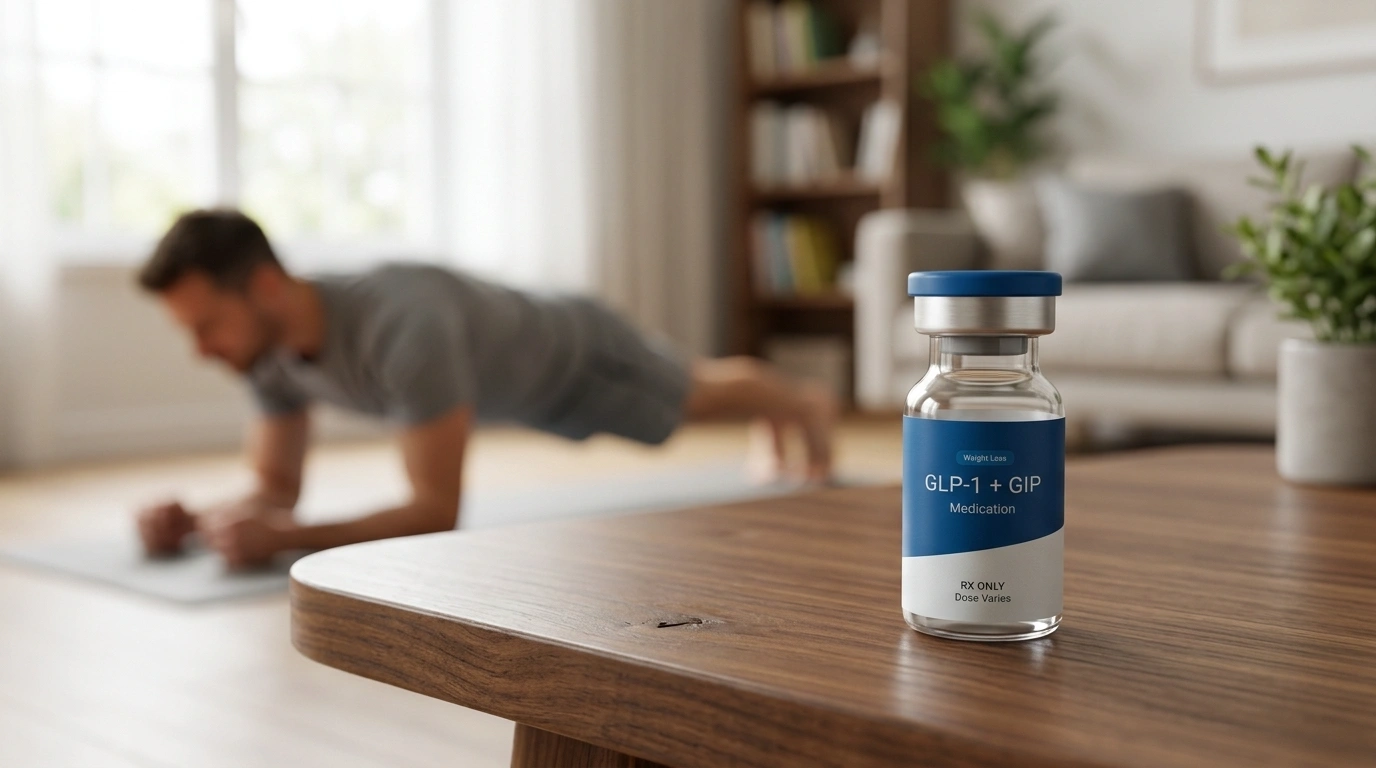
To understand the interaction between alcohol and Mounjaro®, we must first understand what the medication is doing inside your system. Tirzepatide is a dual agonist, meaning it mimics two different hormones in the body: Glucagon-like peptide-1 (GLP-1) and Glucose-dependent insulinotropic polypeptide (GIP).
These hormones are naturally produced in the gut and play a critical role in how we process energy. GLP-1 helps regulate blood sugar by stimulating insulin secretion and slowing down “gastric emptying”—the speed at which food leaves your stomach. GIP also helps with insulin secretion and has been shown to improve how the body breaks down fat and sugar.
Because we believe that sustainable weight loss should be achieved through science, our personalized programs often involve these advanced medications. To see if a tailored plan is right for you, we encourage you to take our free assessment quiz to see if you qualify for our prescription weight loss medications.
The Role of Gastric Emptying
One of the primary ways Tirzepatide helps with weight loss is by slowing down the movement of food through the digestive tract. This keeps you feeling fuller for longer periods. However, this same mechanism changes how alcohol is processed. When you consume an alcoholic beverage, it stays in your stomach significantly longer than it would otherwise. This can lead to increased irritation of the stomach lining and a delayed but potentially more intense absorption into the bloodstream later.
Blood Sugar Regulation and Alcohol
Tirzepatide is highly effective at lowering blood glucose levels. Alcohol, particularly when consumed in excess or on an empty stomach, can also cause blood sugar to drop. When these two factors are combined, the risk of hypoglycemia (dangerously low blood sugar) increases. This is especially relevant for those managing type 2 diabetes, but it is a factor for anyone on a weight loss journey seeking metabolic stability.
The Gastrointestinal Impact of Mixing Alcohol and Mounjaro®
One of the most frequently reported challenges of starting a GLP-1 or GIP medication involves the digestive system. Because these medications change how your gut functions, adding a known irritant like alcohol into the mix can lead to compounded discomfort.
Intensified Nausea and Vomiting
Nausea is a common side effect when first starting or increasing the dosage of Tirzepatide. Alcohol is notorious for irritating the gastric mucosa (stomach lining). For an individual taking Mounjaro®, even a single drink might trigger a wave of nausea that feels far more intense than usual. In cases where the medication is already causing mild “queasiness,” alcohol can act as a catalyst for vomiting, which leads to further complications like dehydration.
To help manage these transitions and support your gut health, many of our members find that using a GLP-1 Daily Support supplement helps maintain balance and provides the essential nutrients needed during the weight loss journey.
The Risk of Dehydration
Alcohol is a diuretic, meaning it encourages the body to lose fluids through urination. When combined with the potential for diarrhea or vomiting—common side effects of Mounjaro®—the risk of severe dehydration becomes a serious concern. Dehydration doesn’t just make you feel sluggish; it can put undue stress on your kidneys. We prioritize safety by working exclusively with FDA-registered and inspected pharmacies, but individual health maintenance, such as staying hydrated, remains a cornerstone of a successful journey.
Identifying Dehydration Symptoms
If you choose to consume alcohol while on your medication, it is vital to watch for signs that your body is struggling to stay hydrated. These include:
- Extreme thirst and dry mouth.
- Dark-colored urine or decreased frequency of urination.
- Dizziness or lightheadedness, especially when standing up.
- Confusion or unexplained fatigue.
If these symptoms occur, it is essential to stop alcohol consumption immediately and focus on electrolyte replacement.
Alcohol’s Effect on Your Weight Loss Goals
Beyond the immediate physical side effects, we must consider the long-term impact of alcohol on your weight loss trajectory. At TrimRx, we are results-oriented, and we want to ensure that every choice you make supports your ultimate goal of a healthier lifestyle.
The Problem of “Empty Calories”
Alcohol is calorically dense but nutritionally poor. A single glass of wine or a standard beer can contain between 120 and 200 calories. Mixed drinks, particularly those with sugary syrups or juices, can easily exceed 500 calories. These calories do not provide satiety; in fact, because alcohol can cause blood sugar fluctuations, it often leads to increased hunger later in the evening or the following day.
Lowered Inhibitions and Food Choices
It is a well-documented fact that alcohol lowers inhibitions. For someone working hard to stick to a personalized nutrition plan, a few drinks can quickly lead to impulsive decisions regarding food. The “snack cravings” that occur after drinking often lean toward high-fat, high-sodium, or high-sugar foods—all of which can exacerbate the gastrointestinal side effects of Mounjaro® and stall your progress.
Metabolic Priority
When you consume alcohol, your liver prioritizes breaking down the ethanol over other metabolic processes. This means that fat oxidation (the process of burning stored fat for energy) is temporarily put on the back burner while your body deals with the alcohol. If weight loss is your primary objective, frequently “pausing” your fat-burning metabolism with alcohol can make your journey feel much longer and more difficult.
To give your metabolism an extra edge, you might consider our Weight Loss Boost, which is designed to support energy levels and metabolic efficiency without the need for a prescription.
The Science of Reduced Cravings
One of the most intriguing developments in the study of GLP-1 and GIP medications is the reported reduction in the “desire” to drink. Many people find that they simply don’t want alcohol as much as they used to.
Impact on the Brain’s Reward System
Research suggests that the receptors targeted by Mounjaro® are not just located in the gut and pancreas; they are also found in the brain, including areas responsible for reward and addiction. By modulating these pathways, the medication may dampen the “dopamine hit” usually associated with alcohol consumption. For many, this means that a drink no longer provides the same sense of relaxation or euphoria, making it much easier to opt for water or a mocktail instead.
Changes in Taste Perception
Some individuals report that alcohol begins to taste different—often described as “metallic” or “cloying”—once they start their weight loss medication. This shift in perception acts as a natural deterrent, helping many people align their social habits with their health goals without feeling like they are “missing out.”
Protecting Your Organs: Pancreas and Kidney Health
At TrimRx, we believe in a transparent approach to health, which includes discussing the serious but rare risks associated with any medical treatment. Both alcohol and GLP-1/GIP medications can place stress on certain organs, specifically the pancreas and the kidneys.
Pancreatitis Risks
Inflammation of the pancreas (pancreatitis) is a rare but serious side effect associated with the use of GLP-1 medications. Chronic or heavy alcohol use is also a primary cause of pancreatitis. While there is no definitive study stating that moderate drinking while on Mounjaro® causes pancreatitis, the combination could theoretically increase the burden on this organ. It is always wise to exercise extreme caution, especially if you have a history of gallbladder or pancreatic issues.
Kidney Stress
As mentioned earlier, dehydration is the primary enemy of kidney health. Because alcohol and the side effects of Tirzepatide can both lead to fluid loss, the kidneys may have to work harder to filter waste and maintain balance. Ensuring you are drinking plenty of water—and perhaps using our GLP-1 Daily Support to maintain nutrient levels—is a key part of our supportive approach to your care.
Practical Guidelines for Drinking Responsibly
If you decide that you would like to enjoy an occasional drink while on your medication, there are several steps you can take to minimize risk and protect your progress. We advocate for a “safety first” mindset in everything we do.
Timing and Dosage
It is generally recommended to avoid alcohol during the first few weeks of starting Mounjaro® or immediately after a dosage increase. This is when your body is most sensitive to the medication and when side effects are most likely to occur. Once your body has stabilized, you may be better equipped to gauge how a small amount of alcohol affects you.
Remember, our approach remains consistent regardless of dosage changes—we are here to provide unlimited support throughout your journey. If you are ready to start, please take our free assessment quiz.
Choose Your Beverages Wisely
Not all drinks are created equal. If you are going to indulge, aim for options that are lower in sugar and calories:
- Opt for: Dry wines, light beers, or clear spirits (like vodka or gin) mixed with soda water and a squeeze of lime.
- Avoid: Frozen margaritas, piña coladas, heavy craft beers, and drinks made with sugary sodas or tonic water.
The “One-for-One” Rule
For every alcoholic beverage you consume, drink at least one full glass of water. This helps combat the diuretic effects of the alcohol and keeps your stomach from becoming overly irritated by the concentrated ethanol.
Never Drink on an Empty Stomach
Because Mounjaro® slows digestion, having food in your stomach is even more critical than usual. A meal rich in protein and fiber can help stabilize your blood sugar and slow the absorption of alcohol, reducing the risk of a sudden “hit” or a subsequent blood sugar crash.
When Should You Abstain Completely?
While many can tolerate a small amount of alcohol, there are certain situations where we would strongly suggest abstaining entirely to protect your health and well-being.
Persistent Side Effects
If you are already struggling with ongoing nausea, vomiting, or stomach pain, alcohol will almost certainly make these symptoms worse. Listen to your body; it is often communicating that it needs a break from irritants to heal and adjust to the medication.
History of Substance Use or Organ Issues
Individuals with a history of pancreatitis, kidney disease, or alcohol use disorder should consult with a healthcare professional before consuming any alcohol while on Tirzepatide. Our personalized, medically supervised care is designed to respect every individual’s unique journey, and that includes being honest about your medical history.
Lack of Progress
If you find that your weight loss has plateaued despite following your program, alcohol might be the hidden culprit. Sometimes, a “dry month” is exactly what the body needs to reset its metabolism and get back on track. During this time, using a Weight Loss Boost can provide a helpful “jumpstart” to your energy levels.
How TrimRx Supports Your Journey
Our brand is empathetic, innovative, and deeply committed to your success. We don’t just provide access to medications; we provide a comprehensive service that includes doctor consultations, medication from FDA-registered pharmacies, lab work, and unlimited support—all with no hidden fees.
We believe that sustainable weight loss is about more than just a number on a scale; it’s about how you feel every day. By combining advanced medical science with modern technology, we make it easier for you to manage your health from the comfort of your home. Whether you are interested in Compounded Semaglutide, Oral Tirzepatide, or branded options like Zepbound® or Wegovy®, our goal is to match you with the solution that fits your lifestyle.
To get started, the first step is to take our free assessment quiz to see if you qualify. This helps us understand your health history and goals so we can provide the most personalized care possible.
Conclusion
Navigating the question of whether you can drink while taking Mounjaro requires a balance of scientific understanding and personal mindfulness. While there is no direct, dangerous chemical interaction that forbids a single glass of wine, the ripple effects on your digestion, blood sugar, and weight loss goals are significant.
We have explored how Tirzepatide’s impact on gastric emptying can change your alcohol tolerance and how the medication’s influence on the brain may naturally decrease your cravings. We’ve also highlighted the importance of hydration and organ health, ensuring you have the tools to make informed decisions.
Your journey to a healthier you is a marathon, not a sprint. Every choice you make—from the supplements you take to the drinks you choose at a party—contributes to your success. At TrimRx, we are proud to be your partner in this transformation, offering a supportive space and science-backed solutions.
Are you ready to see what a personalized, medically supervised weight loss plan can do for you? Take our free assessment quiz today and join a community dedicated to empathy, innovation, and lasting results. Together, we can make your health goals a reality.
Frequently Asked Questions
1. Does Mounjaro® make you get drunk faster?
While the medication doesn’t change the chemical potency of alcohol, it does slow down gastric emptying. This means alcohol stays in your stomach longer. Some people report feeling the effects of alcohol more intensely or suddenly once it finally moves into the small intestine for absorption. Additionally, if you have lost weight, your previous “normal” amount of alcohol may now be too much for your smaller body mass.
2. Can drinking alcohol on Mounjaro® cause a “hangover” to feel worse?
Yes, many individuals find that hangovers are significantly more severe. This is largely due to the increased risk of dehydration and the added strain on the gastrointestinal system. If the medication is already causing mild nausea, the inflammatory effects of alcohol can turn a mild headache into a day-long struggle with vomiting and fatigue.
3. What is the best drink to have if I choose to consume alcohol?
The best choices are those that are low in sugar and calories to avoid blood sugar spikes and extra “empty” calories. A spirit like vodka or gin mixed with plain sparkling water and fresh citrus is generally the best option. Avoiding sugary mixers, heavy beers, and sweet wines will help you stay closer to your weight loss goals and minimize stomach upset.
4. Is it okay to skip a dose of Mounjaro® so I can drink at an event?
We strongly advise against skipping doses of your medication for the purpose of drinking. These medications are designed to maintain a consistent level in your bloodstream to regulate your metabolism and appetite effectively. Skipping doses can lead to blood sugar fluctuations and may make side effects worse when you resume the medication. Always follow the personalized plan provided by your healthcare professional.
Disclaimer: TrimRx partners with FDA-registered and inspected pharmacies for the shipping of weight loss medications. We provide a platform for personalized care and do not provide actual medical supervision. Compounded medications are not FDA-approved, though the pharmacies we work with are strictly regulated. Always consult with a healthcare professional before making changes to your medication or lifestyle.

Transforming Lives, One Step at a Time
Keep reading

Mounjaro Alternatives: What Else to Consider
If Mounjaro isn’t the right fit, the closest alternatives are other GLP-1 medications, chiefly semaglutide (Ozempic for diabetes, Wegovy for weight), along with a…

Mounjaro vs Zepbound: Same Drug, Two Brands
Like their semaglutide counterparts, Mounjaro and Zepbound are the same medication (tirzepatide) sold under two names for two purposes: Mounjaro is approved for type…

Retatrutide vs Mounjaro: Triple Agonist vs Dual Agonist
The core difference between retatrutide and Mounjaro comes down to how many hormone targets each hits: retatrutide activates three receptors, while Mounjaro (tirzepatide) activates…


