Finding Balance: What to Know if You Drink Alcohol While Taking Mounjaro
Introduction
Did you know that in recent clinical surveys, nearly 71% of individuals using GLP-1 medications reported a significant decrease in their desire to consume alcohol? This unexpected side effect has sparked a massive conversation among those navigating the path toward a healthier weight. As we witness the transformative power of modern medicine, many individuals find themselves asking a very practical question: can you drink alcohol while taking Mounjaro? At TrimRx, our journey began with a shared vision to help individuals embrace healthier lifestyles by merging cutting-edge telehealth innovations with effective weight loss solutions. We understand that sustainable weight loss is not just about a weekly injection; it is about how that medication fits into your real, social, and everyday life.
Our platform is a user-friendly and supportive space where individuals receive personalized care—all designed to make sustainable weight loss attainable and tailored to the individual. We believe that health should be achieved through science, empathy, and a transparent approach. In this guide, we will provide a comprehensive look at how alcohol interacts with your body while on Mounjaro (tirzepatide), examining everything from blood sugar fluctuations and gastrointestinal distress to the long-term impact on your weight loss milestones. Whether you are curious about an occasional glass of wine or wondering why your favorite cocktail suddenly tastes different, we are here to walk you through the nuances.
By the end of this article, you will understand the physiological changes that occur when mixing these substances, the safety precautions recommended by experts, and how to maintain your momentum toward a healthier version of yourself. We will explore the science of gastric emptying, the risk of hypoglycemia, and the fascinating research regarding “alcohol aversion” seen in many patients. Because we value transparency, we’ll also highlight how our approach remains consistent regardless of dosage changes, focusing always on your safety by working exclusively with FDA-registered and inspected pharmacies for the delivery of medications. To see if you are a candidate for our medical programs, you can take our free assessment quiz to begin your personalized journey.
The Science of Mounjaro and Tirzepatide
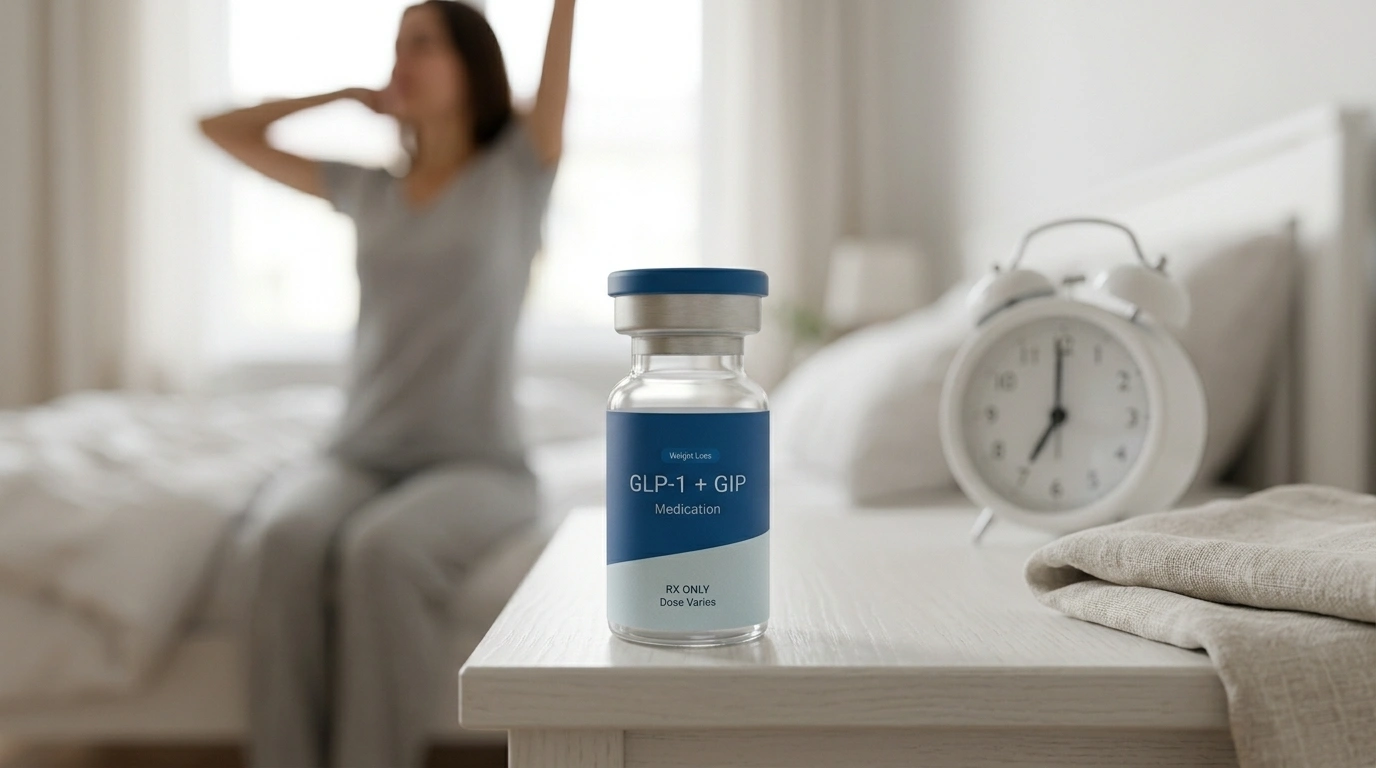
To understand the relationship between alcohol and this medication, we must first look at what Mounjaro actually does in the body. Unlike some earlier weight loss medications, Mounjaro (the brand name for tirzepatide) is a dual agonist. This means it mimics two naturally occurring hormones in the body: Glucagon-like peptide-1 (GLP-1) and Glucose-dependent insulinotropic polypeptide (GIP).
The Role of GIP and GLP-1 Receptors
The GLP-1 component is well-known for its ability to signal the brain that the stomach is full, while also slowing down the speed at which food leaves the stomach—a process known as gastric emptying. The GIP component adds another layer of metabolic support, potentially improving how the body breaks down sugar and fats. When we combine these two actions, the result is a powerful tool for weight management and blood sugar control.
Because the medication acts on the reward centers of the brain, it doesn’t just change how hungry you feel; it can change how you perceive “rewards” like high-calorie foods or even alcohol. If you are interested in a customized plan that utilizes these scientific advancements, you can complete our assessment quiz to determine if a prescription for Mounjaro®, Zepbound®, or Ozempic® is right for you.
Slowed Gastric Emptying and Alcohol Absorption
One of the most significant ways Mounjaro affects your body is by slowing the rate at which your stomach empties its contents into the small intestine. This is the primary reason individuals feel full for longer periods. However, this physiological change has a direct impact on alcohol. Under normal circumstances, alcohol is absorbed relatively quickly. When gastric emptying is delayed, the alcohol remains in the stomach for an extended period.
For an individual consuming an alcoholic beverage, this can lead to a “delayed hit.” You might not feel the effects of the drink immediately, which could lead to consuming more than intended. Once the alcohol finally moves into the small intestine, the absorption can feel more intense or sudden. This unpredictability is one of the key reasons why we emphasize caution. Ensuring your body has the right nutrients during this process is vital, and many of our members find that using a Weight Loss Boost supplement can help maintain energy levels during these metabolic shifts.
Gastrointestinal Sensitivity and Alcohol
Mounjaro is highly effective, but like any powerful medical tool, it can come with side effects. The most common issues reported are gastrointestinal in nature, including nausea, vomiting, and diarrhea. Interestingly, alcohol is also a known gastrointestinal irritant.
Compounding Side Effects
When alcohol is introduced into a system that is already processing tirzepatide, the likelihood of experiencing severe nausea or stomach pain increases significantly. Alcohol can irritate the lining of the stomach and stimulate the production of gastric acid. If the medication has already slowed your digestion, that acid and alcohol sit in the stomach longer, which can lead to intense heartburn, acid reflux, or a “sour stomach” feeling.
For those who do experience occasional digestive discomfort while on their weight loss journey, our GLP-1 Daily Support is specifically formulated to help bridge the gap in daily wellness, providing a supportive foundation as your body adjusts to the medication.
The Risk of Dehydration
Both GLP-1 medications and alcohol contribute to fluid loss. Mounjaro can lead to decreased thirst or occasional diarrhea, both of which deplete the body’s water reserves. Alcohol is a diuretic, meaning it encourages the kidneys to release more water. The combination can lead to rapid dehydration.
Dehydration is not just about feeling thirsty; it can lead to dizziness, fatigue, and in severe cases, kidney strain. For an individual on a high-dosage regimen of a GLP-1 medication, maintaining electrolyte balance is paramount. If you are worried about side effects or want to ensure you are eligible for a medically supervised approach, we encourage you to start our quiz.
Blood Sugar Fluctuations and Hypoglycemia
While many people take Mounjaro specifically for weight loss (often under the brand name Zepbound®), its original intent was for the management of type 2 diabetes. This means it is highly effective at lowering blood glucose levels. Alcohol, particularly when consumed in excess or on an empty stomach, can also lower blood sugar.
Understanding Hypoglycemia
Hypoglycemia, or dangerously low blood sugar, is a serious concern when mixing Mounjaro and alcohol. The liver is responsible for producing glucose when blood sugar levels drop. However, the liver is also responsible for metabolizing alcohol. When the liver is busy processing alcohol, it may fail to release enough glucose into the bloodstream, leading to a crash.
Symptoms of low blood sugar include:
- Dizziness or lightheadedness
- Confusion or irritability
- Shakiness or tremors
- Blurred vision
- Rapid heartbeat
The Danger of “Masking” Symptoms
A major risk factor for those who choose to drink while taking tirzepatide is that the symptoms of intoxication and the symptoms of hypoglycemia are remarkably similar. If an individual feels dizzy or confused after a couple of drinks, they may attribute it to the alcohol, when in reality, their blood sugar may be dropping to a dangerous level. This “masking” effect makes it difficult to recognize a medical emergency until it becomes severe.
We believe that sustainable weight loss should be achieved through science and empathy. Part of that empathy is ensuring you have all the facts. For those looking for non-prescription ways to support their metabolic health, our Weight Loss Boost can be a great addition to a healthy lifestyle.
Impact on Weight Loss Progress
Beyond the immediate safety concerns, we must consider the long-term goals. Most individuals using Mounjaro are doing so to achieve significant, lasting weight loss. Alcohol can be a major hurdle in reaching those milestones.
Empty Calories and Metabolic Priority
Alcohol contains seven calories per gram, making it more calorie-dense than carbohydrates or protein. These are “empty calories” because they provide no nutritional value. Furthermore, the body treats alcohol as a toxin and prioritizes its metabolism over everything else. When you have alcohol in your system, your body effectively stops burning fat to focus on clearing the alcohol. For an individual trying to maximize the fat-burning potential of a GLP-1 medication, regular alcohol consumption can lead to a frustrating plateau.
Lowered Inhibitions and Food Choices
We are all familiar with the “munchies” that often follow a few drinks. Alcohol lowers inhibitions and can interfere with the signals of fullness that Mounjaro is working so hard to provide. Even if the medication is suppressing your physiological hunger, the psychological impulse to snack on high-calorie, salty, or greasy foods while drinking can bypass your better judgment. This can lead to a caloric surplus that counteracts a week’s worth of progress.
If you find that you need extra support in managing your appetite or staying on track, our GLP-1 Daily Support can help provide the nutritional foundation needed to keep your body feeling its best.
The Phenomenon of Alcohol Aversion
One of the most fascinating developments in recent medical research is the link between GLP-1/GIP medications and a reduced desire for alcohol. A 2024 study noted that many patients on these medications reported that alcohol simply didn’t “feel” the same anymore.
The Dopamine Connection
Alcohol usually triggers a release of dopamine in the brain’s reward center, which creates the “buzz” or feeling of relaxation that people seek. Because medications like Mounjaro act on these same pathways, they can essentially dampen the dopamine response. If the reward for drinking is removed, many people find that they simply lose interest.
This shift in behavior is a powerful tool for those who may have struggled with habitual drinking in the past. It allows for a “reset” of the relationship with alcohol, often making it much easier to transition to a low-alcohol or alcohol-free lifestyle. To explore how a personalized treatment plan could help you achieve these kinds of lifestyle shifts, we invite you to take our free quiz.
Changes in Taste and Preference
Some individuals report that the taste of alcohol becomes unappealing—often described as metallic, overly sweet, or simply “off.” This sensory change, combined with the knowledge that a drink might lead to nausea later, creates a natural deterrent. This “aversion” can be a significant benefit for overall health, as reducing alcohol intake is linked to better sleep, improved liver function, and lower blood pressure.
Guidelines for Responsible Consumption
While the safest course of action is to limit or avoid alcohol while on Mounjaro, we recognize that social situations often involve drinking. If you choose to have a drink, following these safety guidelines can help minimize the risks.
1. Never Drink on an Empty Stomach
Because of the risk of hypoglycemia and intensified GI distress, it is crucial to have food in your system before consuming alcohol. A balanced meal with protein and complex carbohydrates can help stabilize your blood sugar and provide a “buffer” for your stomach lining.
2. Hydrate Aggressively
For every alcoholic drink you consume, drink at least one full glass of water. This helps combat the diuretic effects of alcohol and the dehydrating potential of the medication. Staying hydrated is also key to keeping your energy levels up. Our GLP-1 Daily Support can be a helpful part of your daily hydration and wellness routine.
3. Choose Low-Sugar Options
Avoid sugary mixers, syrupy cocktails (like margaritas or piña coladas), and heavy beers. These can cause a rapid spike and subsequent crash in blood sugar. Instead, opt for a glass of dry wine or a spirit with a zero-calorie mixer like club soda.
4. Pace Yourself and Start Small
Your tolerance will likely be much lower than it was before you started Mounjaro. Start with a small serving and wait at least an hour to see how your body reacts before considering another. Remember that the “hit” from the alcohol might be delayed due to slowed digestion.
5. Monitor Your Body
Pay close attention to how you feel. If you begin to feel nauseous, dizzy, or unusually tired, stop drinking immediately and consume some water or a light snack. It is always better to err on the side of caution.
When to Avoid Alcohol Entirely
There are certain points in your journey where the risks of alcohol consumption are simply too high. We recommend abstaining completely during the following times:
- The First Month: When you first start Mounjaro, your body is going through significant hormonal adjustments. Introducing alcohol during this period can make it difficult to distinguish between medication side effects and alcohol-related issues.
- During Dosage Increases: Every time your dosage increases, there is a renewed risk of gastrointestinal side effects. It is best to wait until your body has stabilized at the new dose before introducing alcohol.
- If You Have a History of Pancreatitis: Both GLP-1 medications and heavy alcohol use are associated with an increased risk of pancreatitis (inflammation of the pancreas). If you have a history of this condition, you should avoid alcohol entirely.
- If You Are Feeling Unwell: If you are already struggling with nausea or fatigue, alcohol will only make the situation worse.
At TrimRx, our goal is to provide a user-friendly and supportive space for your weight loss journey. If you are ready to see which personalized medication plan—such as compounded tirzepatide or Ozempic®—is right for you, take our free assessment quiz today.
Navigating the Social Aspect of Weight Loss
Weight loss is as much a social journey as it is a biological one. Many of our social rituals involve food and drink, and it can feel isolating to change those habits. However, we believe that sustainable weight loss should be a source of empowerment, not restriction.
Reframing the Experience
Instead of focusing on what you “can’t” have, focus on how much better you feel. When you aren’t waking up with the sluggishness or “brain fog” often caused by the combination of alcohol and medication, you have more energy to engage in activities you love. You might find that you enjoy social gatherings more when you are fully present and feeling physically well.
Finding Alternatives
The rise of “mocktails” and non-alcoholic spirits has made it easier than ever to enjoy a sophisticated drink without the alcohol. Choosing these options allows you to participate in the social ritual without the risks of hypoglycemia or GI distress. To keep your body feeling its best as you make these lifestyle changes, consider our Weight Loss Boost as a daily companion.
The TrimRx Commitment to Your Health
Our brand is built on being empathetic, innovative, and results-oriented. We recognize that every individual’s journey is unique. That’s why we offer compassionate care that respects your lifestyle while providing the medical science needed for success. We partner with FDA-registered and inspected pharmacies to ensure that the medications you receive are of the highest quality.
We believe in a transparent approach. Whether you are using compounded semaglutide, Zepbound®, or our quick-access supplements, we provide a comprehensive service that includes doctor consultations, medication, and unlimited support—all with no hidden fees. We are your partners in health, helping you navigate these questions so you can focus on the results.
Personalized Weight Loss Programs
Our prescription offerings require a quiz to ensure that the treatment plan is tailored specifically to your medical history and goals. This includes:
- Compounded Semaglutide & Tirzepatide
- Oral Semaglutide & Tirzepatide
- Brand-name options like Ozempic®, Wegovy®, Mounjaro®, and Zepbound®
Quick-Access Wellness
For those who want immediate support for their journey, our supplements like GLP-1 Daily Support and Weight Loss Boost do not require a quiz and are available for purchase to support your overall wellness.
Conclusion
So, can you drink alcohol while taking Mounjaro? The answer is a nuanced “yes,” but with significant caveats. While there is no direct, lethal interaction between the two, the indirect effects on your blood sugar, digestion, and weight loss progress are substantial. By slowing down gastric emptying and affecting the brain’s reward centers, tirzepatide changes how your body processes and perceives alcohol.
We encourage you to prioritize your safety and your long-term goals. Sustainable weight loss is a marathon, not a sprint, and being mindful of your alcohol consumption is a vital part of that journey. If you do choose to drink, do so in moderation, stay hydrated, and always listen to your body’s signals.
Are you ready to take the next step toward a healthier version of yourself? Our team at TrimRx is here to support you with medically supervised care and personalized solutions. Start your transformation today by taking our free assessment quiz and discover the plan that is right for you. Together, we can make your weight loss goals a reality.
Frequently Asked Questions
1. Does Mounjaro make you get drunk faster? Because Mounjaro slows down gastric emptying, the absorption of alcohol can be unpredictable. Some individuals report feeling the effects much more intensely or suddenly once the alcohol finally passes into the small intestine. Additionally, because the medication can lower blood sugar, you may feel “intoxicated” or dizzy even if you haven’t consumed much alcohol.
2. Can I skip my Mounjaro dose if I plan on drinking at a party? We do not recommend skipping doses of your medication. Mounjaro is designed to maintain a consistent level in your bloodstream to effectively manage blood sugar and appetite. Skipping a dose can disrupt your progress and may actually lead to worse side effects when you resume the medication. It is better to skip the alcohol than to skip your medication.
3. What is the best alcohol to drink while on a GLP-1 medication? If you choose to drink, the best options are those that are low in sugar and calories. Dry wines, light beers, or distilled spirits (like vodka or gin) mixed with plain club soda are generally the best choices. Avoid sugary mixers and heavy cocktails, which can cause blood sugar spikes and increase the risk of nausea.
4. Will drinking alcohol stop me from losing weight on Mounjaro? Alcohol can certainly slow down your progress. It provides empty calories and causes your body to temporarily stop burning fat while it processes the alcohol. Furthermore, it can lower your inhibitions, leading to poor food choices. While an occasional drink may not completely stall your journey, regular consumption will likely make reaching your goals more difficult. For extra metabolic support, many of our users incorporate the Weight Loss Boost into their daily routine.

Transforming Lives, One Step at a Time
Keep reading

Mounjaro Alternatives: What Else to Consider
If Mounjaro isn’t the right fit, the closest alternatives are other GLP-1 medications, chiefly semaglutide (Ozempic for diabetes, Wegovy for weight), along with a…

Mounjaro vs Zepbound: Same Drug, Two Brands
Like their semaglutide counterparts, Mounjaro and Zepbound are the same medication (tirzepatide) sold under two names for two purposes: Mounjaro is approved for type…

Retatrutide vs Mounjaro: Triple Agonist vs Dual Agonist
The core difference between retatrutide and Mounjaro comes down to how many hormone targets each hits: retatrutide activates three receptors, while Mounjaro (tirzepatide) activates…


