Mastering Your Routine: Where to Give Yourself the Ozempic Shot Safely and Effectively
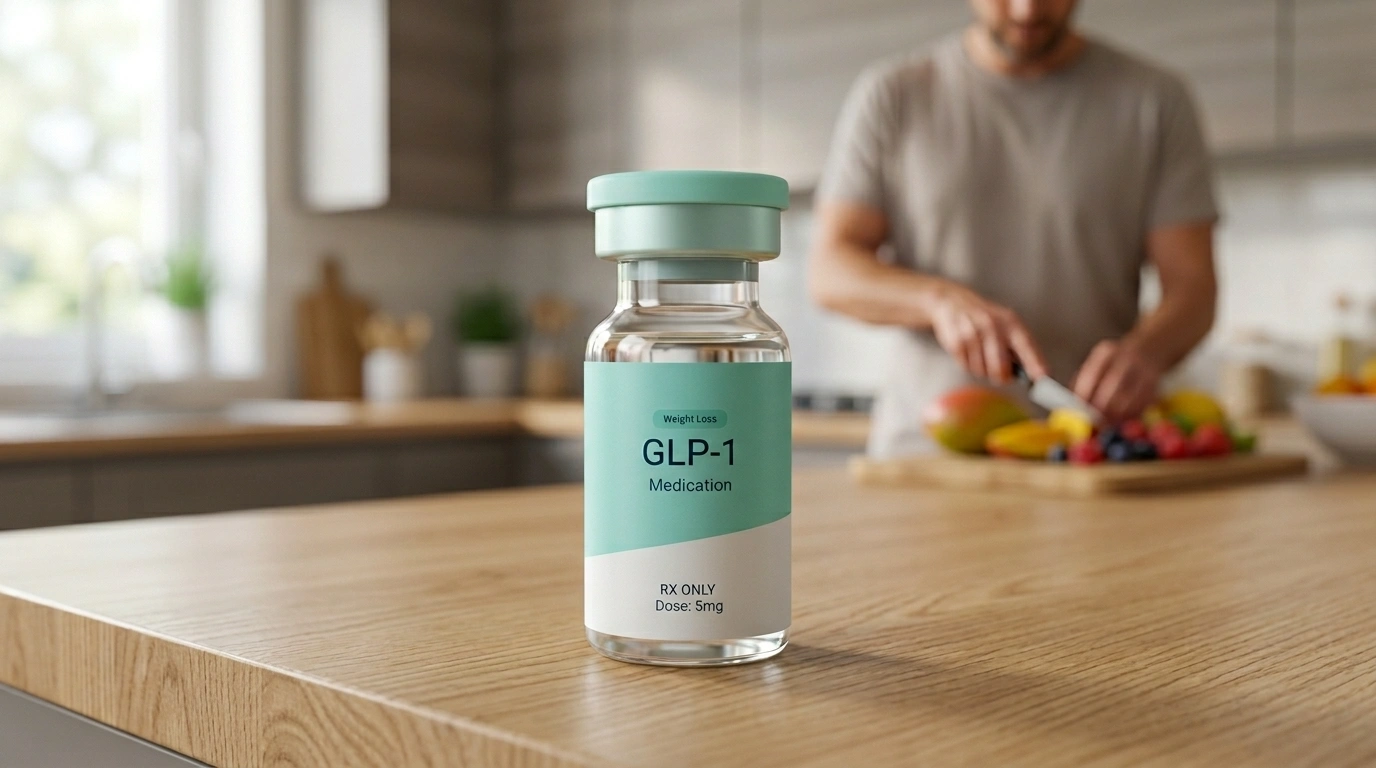
Introduction
Did you know that according to recent clinical observations, nearly two-thirds of individuals beginning a self-injectable medication regimen experience some level of “needle hesitancy” during their first few weeks? This initial apprehension is a natural human response, yet it often stands as the only barrier between a person and their long-term health goals. At TrimRx, we understand that the transition to a self-administered treatment plan represents a significant milestone in your wellness journey. Our mission has always been to merge cutting-edge telehealth innovation with empathetic, personalized care, ensuring that every individual feels empowered rather than intimidated by their treatment.
The significance of knowing exactly where and how to administer your medication cannot be overstated. Proper technique is the cornerstone of drug efficacy and patient comfort. When you understand the physiological rationale behind injection site selection, the process transforms from a daunting task into a seamless, thirty-second part of your weekly routine. This blog post is designed to serve as your definitive resource for navigating the practicalities of GLP-1 therapy. By the end of this guide, you will have a clear, evidence-based understanding of the recommended injection zones, the biological importance of site rotation, and the step-by-step mechanics of using your delivery device.
We will cover the three primary subcutaneous regions approved for Ozempic®—the abdomen, the thigh, and the upper arm—while exploring the nuances of each to help you decide which is best for your body. Furthermore, we will discuss essential safety protocols, storage requirements, and how to integrate these steps into a broader, medically supervised weight loss strategy. At TrimRx, we believe that sustainable health is achieved through a combination of advanced science and transparent, supportive education. We are here to act as your “educated friend,” guiding you through the technicalities so you can focus on the results.
Whether you are just starting your journey or looking to refine your technique, this article provides the depth and clarity needed to master your weekly administration. Together, we will explore the best practices for self-injection, ensuring you have the confidence to take control of your health. Our structure follows a logical progression: from the “why” of subcutaneous delivery to the “where” of site selection, ending with a detailed “how-to” and a look at the supportive tools available through our personalized programs.
The Science of Subcutaneous Delivery
Before identifying the specific locations on your body for your weekly dose, it is helpful to understand the “why” behind the “where.” Ozempic®, a branded semaglutide medication, is designed for subcutaneous injection. This means the medication is intended to be deposited into the fatty layer of tissue located just beneath the skin and above the muscle.
Why Fat Matters for Absorption
The subcutaneous fat layer is sparsely populated with blood vessels compared to muscle tissue. This physiological characteristic is intentional. For GLP-1 receptor agonists like those offered through our personalized weight loss programs, a slow, steady release into the bloodstream is required. If the medication were accidentally injected into a muscle (intramuscularly), it would be absorbed much too quickly, potentially leading to increased side effects and a shorter duration of action.
By utilizing the fatty tissues in specific zones, the medication can be absorbed at a consistent rate, maintaining the “half-life” necessary to keep the drug active in your system for an entire week. At TrimRx, we prioritize this science-backed approach to ensure that the medication we facilitate through FDA-registered and inspected pharmacies works exactly as intended by the manufacturers.
Identifying the Primary Injection Sites
There are three primary regions recommended for the administration of Ozempic®. Each of these areas contains sufficient subcutaneous fat to ensure the medication is absorbed correctly. While the effectiveness of the drug remains consistent across all three sites, personal comfort and ease of access often dictate which one an individual chooses.
The Abdominal Region
The stomach, or abdomen, is perhaps the most common site for self-injection. It offers a large surface area and is easily visible, allowing for precise placement.
- Location: You should aim for the area between your ribs and your hip bones.
- The Two-Inch Rule: It is vital to stay at least two inches away from the belly button (umbilicus). The tissue directly around the navel is often tougher and may not absorb the medication as efficiently.
- Benefits: This site is generally the easiest for individuals to reach while sitting or standing. It also provides ample room for rotating the specific spot of injection each week.
The Thigh
For those who may feel sensitive about abdominal injections, the thigh is an excellent alternative.
- Location: Focus on the front and outer aspects of the upper thigh. You should avoid the inner thigh, where the skin is thinner and there are more nerves and blood vessels.
- Considerations: This area is often preferred by individuals who find the skin on their abdomen to be more sensitive. To see if you are a candidate for our prescription options that utilize these sites, you can take our free assessment quiz.
- Benefits: Like the abdomen, the thigh is easily accessible and allows for a stable, seated injection process.
The Upper Arm
The back of the upper arm (the tricep area) is the third approved site.
- Location: This refers to the fleshy part on the posterior side of the arm, roughly halfway between the shoulder and the elbow.
- Accessibility: This site can be more challenging for self-administration because it requires reaching across the body or using a mirror. Some individuals prefer to have a partner or family member assist with injections in this area.
- Benefits: The arm is a useful site for rotation, especially if an individual experiences temporary skin sensitivity in the abdomen or thighs.
The Vital Importance of Site Rotation
One of the most frequent questions we receive at TrimRx is whether an individual can use the exact same spot every week if they find a “painless” area. While it is tempting to stick with what works, rotating your injection site is a non-negotiable aspect of safe medication use.
Preventing Lipohypertrophy
If the same spot is used repeatedly, the tissue can undergo a process called lipohypertrophy. This involves the accumulation of extra fat or scar-like tissue under the skin. These “lumps” are not just cosmetic concerns; they can significantly hinder the absorption of the medication. If you inject into a lumpy or thickened area, the Ozempic® may not enter your system at the correct rate, leading to inconsistent blood sugar levels or reduced weight loss efficacy.
A Simple Rotation Strategy
To ensure your journey remains on track, we recommend a “clock” or “grid” method. For example, if you choose the abdomen, you might inject at the “12 o’clock” position (two inches above the navel) one week, then move to the “3 o’clock” position the next. Alternatively, you can alternate between the left side of the stomach, the right side, the left thigh, and the right thigh. Consistent rotation keeps the tissue healthy and ensures that every dose you receive is fully utilized by your body.
Preparing for Your Weekly Dose
Success begins with preparation. Before you even remove the cap from your pen, you should ensure your environment is conducive to a sterile and calm administration. At TrimRx, we emphasize that while we partner with FDA-registered pharmacies for the shipping of your medications, the daily (or weekly) management of your health is a partnership between you and your personalized treatment plan.
Gathering Your Supplies
To make the process seamless, keep all your supplies in one dedicated “wellness kit.” You will need:
- Your Ozempic® pen (verified for the correct dose and expiration date).
- A new, sterile disposable needle.
- An alcohol swab or prep pad.
- A cotton ball or gauze (optional).
- An FDA-cleared sharps disposal container.
Inspecting the Medication
Before attaching the needle, look through the window of the pen. The liquid should be clear and colorless. If the medication appears cloudy, discolored, or contains visible particles, do not use it. At TrimRx, our commitment to safety means we only work with reputable pharmacies, but it is always good practice for the user to perform this final visual check. If you ever have questions about your medication’s appearance, our team provides unlimited support to help guide you.
Temperature Management
Many individuals find that injecting medication straight from the refrigerator can cause a slight stinging sensation. To mitigate this, you may leave the pen at room temperature for 15 to 20 minutes before injecting. However, ensure the pen is not placed in direct sunlight or near a heat source, as GLP-1 medications are sensitive to extreme temperatures.
Step-by-Step Injection Guide
Once you have selected your site and prepared your supplies, it is time for the administration. Follow these steps to ensure a full and safe dose.
Step 1: Clean the Area
Use an alcohol swab to clean your chosen injection site. Move the swab in a circular motion and allow the skin to air-dry completely. Injecting through wet alcohol can cause unnecessary stinging.
Step 2: Attach the Needle
Remove the paper tab from a new needle and screw it onto the pen until it is tight. Remove both the outer and inner needle caps. Do not throw away the outer cap, as you will need it later to safely remove the needle.
Step 3: Check the Flow (New Pens Only)
If you are using a brand-new pen for the first time, you must perform a flow check. Turn the dose selector to the flow-check symbol (usually represented by a small line or drop). Hold the pen with the needle pointing up and press the button. You should see a drop of liquid at the needle tip. This ensures the pen is working and any air bubbles are removed.
Step 4: Select Your Dose
Turn the dose selector until your prescribed dose (e.g., 0.25 mg, 0.5 mg, 1 mg, or 2 mg) aligns with the pointer. At TrimRx, we ensure our approach remains consistent regardless of dosage changes, providing you with the same high level of support as you progress through your treatment.
Step 5: The Injection
Gently hold a fold of skin if necessary, though most find that a firm, flat surface works best for the 4mm needles typically used with Ozempic®. Insert the needle into your skin at a 90-degree angle. Press and hold the dose button until the dose counter reaches zero.
Step 6: The Six-Second Rule
Do not remove the needle immediately after the counter hits zero. Count slowly to six. This allows the pressure within the pen to equalize and ensures that the entire dose has been delivered into the subcutaneous tissue. If you pull out too soon, you may see a drop of medication escape from the needle, which means you did not receive the full amount.
Step 7: Safe Disposal
Carefully replace the outer needle cap and unscrew the needle. Dispose of it immediately in your sharps container. Never reuse needles, as this significantly increases the risk of infection and can dull the needle, making future injections more painful.
Enhancing Your Journey with Supplemental Support
While mastering the injection is a critical technical skill, achieving sustainable weight loss requires a holistic approach. At TrimRx, we believe that medication is most effective when supported by proper nutrition and wellness habits. For individuals looking to maximize their comfort and results during GLP-1 therapy, we offer specialized quick-access supplements.
For instance, many people on GLP-1 medications experience shifts in their digestive health or nutrient intake. Our GLP-1 Daily Support is specifically formulated to bridge these gaps, helping you maintain overall wellness while your body adapts to the medication. Similarly, if you feel you need an extra metabolic edge, our Weight Loss Boost is available for immediate purchase to complement your personalized program. These supplements do not require our assessment quiz and are designed to be user-friendly additions to your daily routine.
Common Concerns and How to Address Them
It is perfectly normal to have questions as you navigate your first few months of treatment. Here, we address some of the most common observations shared by our community.
“I saw a tiny drop of blood.”
Seeing a small drop of blood or a minor bruise at the injection site is generally not a cause for concern. This usually happens if the needle nicks a small capillary just under the skin. You can gently press a cotton ball on the area, but avoid rubbing it, as rubbing can irritate the tissue and affect medication absorption.
“I forgot where I injected last week.”
Consistency is key, but memory can be fickle. We recommend keeping a simple log on your phone or a calendar. Note the date and the location (e.g., “Oct 12 – Left Abdomen”). This simple habit prevents the “double-dipping” of injection sites and protects your skin’s health over the long term.
“The injection stung today, but not last week.”
Variations in sensation are common. Stinging can be caused by injecting medication that is too cold, not letting the alcohol dry, or accidentally hitting a more sensitive nerve ending. By following the preparation steps mentioned earlier—such as letting the pen reach room temperature—you can minimize these occurrences.
Why TrimRx is Your Partner in Success
At TrimRx, our journey began with a shared vision: to help individuals embrace healthier lifestyles by merging cutting-edge telehealth innovations with effective weight loss solutions. We don’t just provide access to medications like Ozempic®, Wegovy®, or compounded semaglutide; we provide a user-friendly and supportive space where individuals receive personalized care.
Transparency and Trust
Our brand personality is built on being empathetic, innovative, and results-oriented. We believe that sustainable weight loss should be achieved through science and transparency. This is why we are open about our process: we partner with FDA-registered and inspected pharmacies for shipping, ensuring that your medication arrives safely and meets high quality standards. Our comprehensive service includes doctor consultations, lab work, and unlimited support—all with no hidden fees.
Personalized for You
Every person’s body is unique, which is why a one-size-fits-all approach rarely works for long-term weight management. By taking our personalized assessment quiz, you receive a plan tailored to your specific needs, whether that involves branded medications or compounded alternatives. We are committed to providing compassionate care that respects your individual journey.
Navigating Side Effects and Wellness
The most common side effects associated with Ozempic® and similar GLP-1 medications are gastrointestinal, such as nausea or changes in bowel habits. These are often most noticeable during the first few weeks of treatment or when increasing a dosage.
Practical Management Tips
- Eat Smaller Meals: Since the medication slows gastric emptying (how fast food leaves your stomach), large meals can lead to discomfort.
- Stay Hydrated: Water intake is crucial for digestive health and overall energy levels.
- Supplement Wisely: Using products like our GLP-1 Daily Support can help provide the nutrients your body needs during this transition.
If side effects become bothersome, remember that TrimRx offers unlimited support. You are never alone in this process; our team is here to ensure your path to health is as smooth as possible.
Conclusion: Taking the Next Step
Mastering the art of self-injection is a powerful step toward reclaiming your health. By understanding where to give yourself the Ozempic shot and committing to a routine of site rotation and sterile technique, you ensure that the science of semaglutide can work effectively for you. Whether you choose the abdomen, thigh, or arm, the key is consistency and care.
At TrimRx, we are proud to support you with a platform that combines medical expertise with genuine empathy. We believe that everyone deserves access to safe, effective, and personalized weight loss solutions. As you move forward, consider how these weekly injections fit into your larger vision of a healthier self. Are you ready to optimize your results with a plan designed specifically for your biology?
To see if you qualify for our medically supervised programs, we invite you to take our free assessment quiz today. Together, we can turn your health goals into a sustainable reality.
Frequently Asked Questions
1. Does the injection site affect how much weight I will lose?
Clinical data suggests that the absorption of semaglutide is similarly effective across all three recommended sites (abdomen, thigh, and arm). Therefore, the amount of weight lost is generally not determined by the site itself, but by your body’s overall response to the medication and your adherence to the treatment plan. You should choose the site that is most comfortable and easiest for you to access consistently.
2. What should I do if I see liquid on my skin after the injection?
If you see a significant amount of liquid on your skin, it may mean the needle was withdrawn too quickly. This is why we emphasize the “six-second rule.” If this happens, do not attempt to inject more medication immediately, as it is difficult to determine exactly how much was absorbed. Continue with your routine and ensure you hold the needle in for a full six seconds during your next scheduled dose.
3. Can I use the same area every week if I move the needle an inch?
Yes, you can stay within the same general area (such as the abdomen), provided you move the injection spot at least one to two inches away from the previous week’s site. This is often referred to as “site rotation within a region.” However, many people find that alternating between different regions (e.g., stomach one week, thigh the next) provides the best protection against tissue changes like lipohypertrophy.
4. How should I store my Ozempic pen after I have started using it?
Once a pen is in use, it can be stored either in the refrigerator or at room temperature (between 59°F and 86°F) for up to 56 days. Regardless of where you store it, always ensure the pen cap is replaced after each use to protect the medication from light. If you have unused pens, they must stay in the refrigerator until they are ready to be used. Always check the expiration date before administration.

Transforming Lives, One Step at a Time
Keep reading

Ozempic Alternatives: Your Options Compared
If Ozempic isn’t the right fit, whether because of cost, side effects, availability, or results, you have real alternatives. The closest ones are other…
Ozempic vs Wegovy: Same Drug, Different Purpose
Here’s the fact that surprises most people: Ozempic and Wegovy are the same medication (semaglutide), just sold under different brand names, at different doses,…

When Do “Ozempic Vulva” Changes Start and Stabilize? A Timeline
Vulvar and genital changes from GLP-1 weight loss follow the pace of your weight loss, so they typically begin within the first few months…


