What Does the Ozempic Shot Look Like? A Guide to Its Appearance and Use
Introduction
If you have walked through any pharmacy or scrolled through health news lately, you have likely encountered the name of a medication that has changed the landscape of weight management: Ozempic®. But for many individuals considering this path, the transition from reading about a clinical breakthrough to actually holding a medical device in their hands can feel a bit daunting. One of the most common questions we hear is quite simple yet incredibly important: what does the ozempic shot look like? Understanding the physical characteristics of your medication is not just about curiosity; it is a fundamental part of patient safety, ensuring you are using the correct product and administering it accurately.
The rise of GLP-1 receptor agonists has been nothing short of a revolution in metabolic health. At TrimRx, we have observed how these innovations, when paired with empathetic, personalized care, can help people reclaim their vitality. We believe that sustainable weight loss should be achieved through science, empathy, and a transparent approach. Whether you are curious about the sleek design of the Ozempic® pen or are exploring our personalized assessment quiz to see if you qualify for a medically supervised program, having a clear visual understanding of your treatment is the first step toward confidence.
In this comprehensive guide, we will break down every visual aspect of the Ozempic® shot—from the color-coded labels on the pens to the clarity of the liquid medication inside. We will also explore the different delivery systems, including how Compounded Semaglutide may look different but functions similarly, and how our GLP-1 Daily Support can assist you during your journey. By the end of this article, you will be an expert on the appearance, storage, and administration of these transformative weight loss solutions.
The Anatomy of the Ozempic® Injection Pen
When you first receive your medication, you will notice that Ozempic® does not come in a traditional syringe and vial format. Instead, it utilizes a sophisticated, multi-dose injection pen. This device is designed for ease of use, even for those who may have a slight hesitation around needles.
The Exterior Body and Design
The Ozempic® pen is a handheld, plastic device that is roughly the size of a large highlighter or a thick fountain pen. Most of the pen body is a light blue or greenish-blue color, designed to be ergonomic and easy to grip. At one end, you will find a removable cap, and at the other, a dose-selector dial and an injection button.
The design is intentional. We understand that medical devices can sometimes feel clinical and intimidating. The pen’s design aims to be discreet and user-friendly, fitting seamlessly into a modern lifestyle. This aligns with our vision at TrimRx to merge cutting-edge telehealth innovations with effective weight loss solutions that are accessible and manageable.
The Dose-Viewing Window
Crucial to the pen’s appearance is a small, rectangular clear plastic window located on the side of the pen body. This is called the dose-viewing window or the dose counter. When you turn the dial at the end of the pen, numbers will appear in this window. These numbers indicate the dosage you are preparing to inject. For a new pen that has not been “primed” (which we will discuss later), the window will show a “0” or a symbol indicating it is ready for its initial check.
Color-Coded Labels for Safety
One of the most important things to notice when looking at an Ozempic® shot is the color of the label on the pen. Because Ozempic® comes in various strengths, the manufacturer uses color-coding to help prevent medication errors.
- Red Label: Typically associated with the 0.25 mg and 0.5 mg doses. This pen is often used for individuals just beginning their treatment to allow the body to acclimate.
- Blue Label: Generally used for the 1 mg dose.
- Gold/Yellow Label: Reserved for the 2 mg dose, which is the highest standard maintenance dose for this specific branded medication.
Checking the label is a vital safety step. Before every injection, we recommend confirming that the label color and the dosage printed on the pen match exactly what has been prescribed for you. If you are ever unsure about your dosage, you can always reach out through our platform for unlimited support from the clinical team.
Examining the Medication: Clarity and Consistency
Aside from the pen itself, what does the actual liquid medication look like? The Ozempic® pen features a clear reservoir (the barrel) that allows you to see the medication inside.
The “Clear as Water” Rule
The liquid semaglutide inside the pen should always be completely clear and colorless. It should look exactly like a small tube of plain water. If you look through the viewing window and see that the liquid is cloudy, contains visible particles, or has changed to a yellowish or brownish hue, do not use the pen.
Changes in the appearance of the liquid can indicate that the medication has been exposed to extreme temperatures or has otherwise degraded. Using compromised medication can lead to reduced effectiveness or unwanted reactions. At TrimRx, we prioritize safety by working exclusively with FDA-registered and inspected pharmacies, ensuring that the medication shipped to your door meets the highest standards of quality.
The Air Bubble Phenomenon
It is perfectly normal to see a small air bubble inside the medication reservoir. This does not mean the pen is defective or that it will cause harm during injection. These bubbles are a standard byproduct of the manufacturing and filling process. As long as the liquid is clear, the pen is safe to use.
The Needle: What to Expect
Perhaps the most anxiety-inducing part of the “look” of an Ozempic® shot is the needle. However, many are surprised by how small and fine it actually is.
Dimensions and Gauge
Ozempic® uses “NovoFine® Plus” or “NovoTwist®” needles, which are ultra-thin. They are typically 32-gauge needles, about 4 millimeters (mm) in length. To put that in perspective, a 32-gauge needle is significantly thinner than the needles used for standard blood draws or even most vaccinations.
Why the Needle is Hidden
When you first look at the pen, you won’t see the needle. It is provided in a separate, sterile paper-sealed plastic cap. You must manually attach a new needle for every single dose. The needle itself stays protected under an outer and inner needle cap until the moment of injection. This design helps maintain sterility and prevents accidental needle sticks.
For those who are nervous about the sensation of a needle, the thinness of the Ozempic® needle is a major advantage. Most individuals report feeling only a tiny pinch or nothing at all. If you are starting your journey, you might also consider our Weight Loss Boost supplement, which supports metabolic health and can be a great companion as you adjust to your new routine.
How Compounded Semaglutide Compares
While Ozempic® is a branded product, many individuals in our community utilize Compounded Semaglutide. It is important to understand that the visual presentation of compounded medication may differ from the branded pen.
Vials vs. Pens
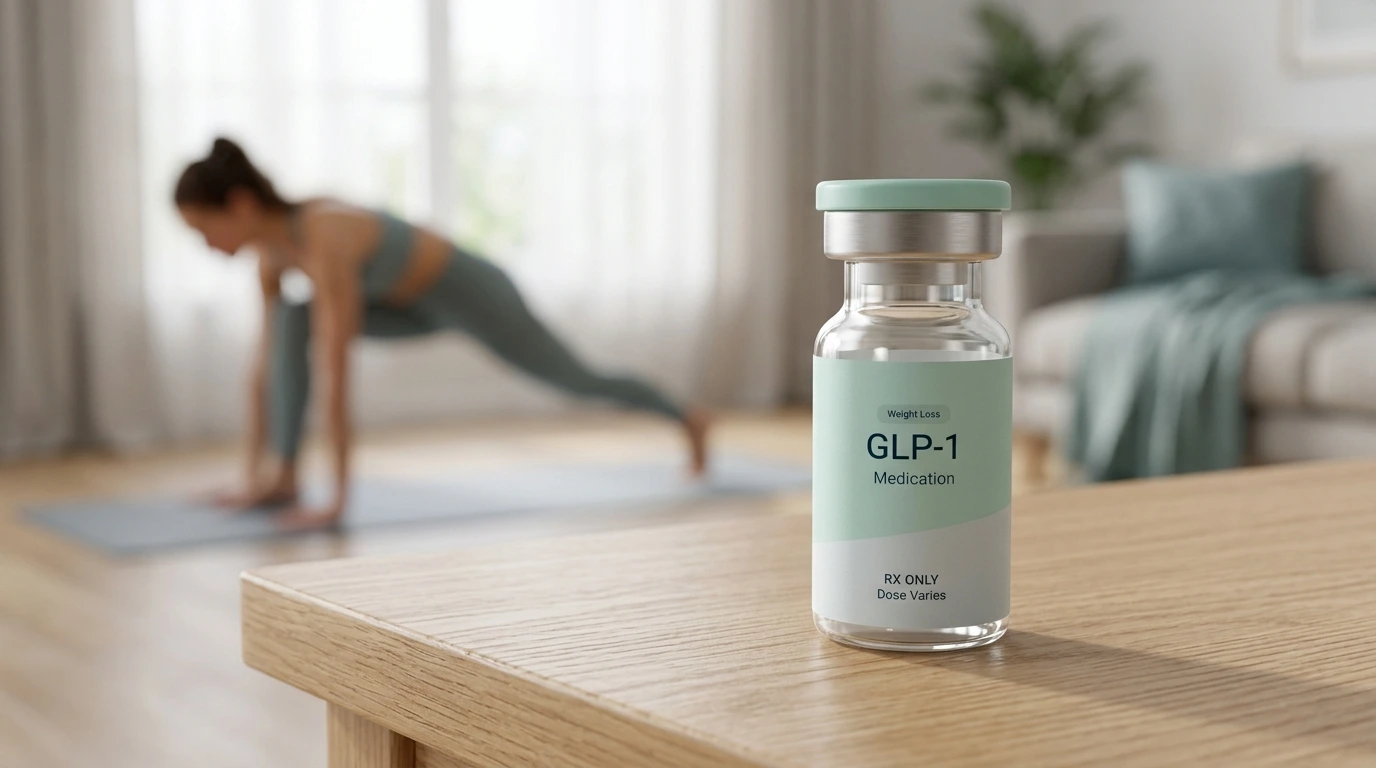
In many cases, compounded semaglutide is provided in a small, glass multidose vial. Instead of a built-in dial mechanism, you will use a separate, disposable insulin syringe to draw the medication from the vial.
- The Vial: A small glass container with a rubber stopper. The liquid inside should still follow the “clear and colorless” rule.
- The Syringe: A very fine needle attached to a plastic barrel with markings (units) to ensure you are drawing the correct dose.
We partner with FDA-registered and inspected pharmacies to provide these options, ensuring that whether you use a branded pen or a compounded version, you are receiving high-quality medication. If you’re interested in which format is right for you, we encourage you to take our free assessment quiz.
Step-by-Step: Using the Ozempic® Pen Correctly
Understanding what the shot looks like is only half the battle; knowing how to use it is where the results happen. We believe that sustainable weight loss is achieved through a combination of science and supportive care.
1. Preparation and Inspection
Before you begin, wash your hands thoroughly. Take your pen out of the refrigerator and check the label to ensure it is your prescribed medication. Remove the pen cap and look at the liquid in the viewing window. If it is clear and colorless, you are ready to proceed.
2. Attaching the Needle
Take a new, sterile needle. Tear off the paper tab and screw the needle straight and tightly onto the pen. Pull off the outer needle cap (save it for later) and then the inner needle cap (discard it). You should now see the very fine needle.
3. Priming (The Flow Check)
If this is the first time you are using a new pen, you must check the flow. Turn the dose selector until you see the flow check symbol (a line with two dots). Hold the pen with the needle pointing up and press the injection button. A drop of liquid should appear at the needle tip. This ensures the pen is working correctly and that you won’t receive a partial dose.
4. Selecting Your Dose
Turn the dose selector until your prescribed dose (e.g., 0.25, 0.5, 1, or 2) is aligned with the pointer in the viewing window. You will hear a clicking sound as you turn the dial—this is a normal part of the pen’s mechanical function.
5. Choosing the Injection Site
There are three primary areas where you can inject Ozempic®:
- Abdomen: At least two inches away from the belly button.
- Thigh: The front or side of the upper leg.
- Upper Arm: The back of the arm (this may require assistance from another person).
It is vital to rotate your injection sites every week. Do not use the exact same spot every time, as this can lead to skin irritation or changes in how the medication is absorbed.
6. The Injection
Clean the skin with an alcohol swab. Insert the needle into your skin. Press and hold the injection button. You will see the dose counter return to “0.” Once it reaches zero, count slowly to six before withdrawing the needle. This ensures that the full dose has been delivered. To support your body through this process, our GLP-1 Daily Support is formulated to provide essential nutrients that may be helpful during GLP-1 therapy.
Storage: Keeping Your Medication Safe
The appearance of your Ozempic® shot can change if it is not stored correctly. At TrimRx, we emphasize that safety and transparency are core to our values.
The Refrigeration Rule
Unused Ozempic® pens must be stored in the refrigerator between 36°F and 46°F (2°C to 8°C). Do not store them in the freezer or near the cooling element. If a pen becomes frozen, the medication is no longer safe to use and should be discarded.
In-Use Storage
Once you have used a pen for the first time, you have two options:
- Keep it in the refrigerator.
- Store it at room temperature (below 86°F or 30°C) for up to 56 days.
After 56 days, the pen should be disposed of, even if there is still medication left inside. This is because the preservative in the medication may lose its effectiveness over time. Always keep the pen cap on when not in use to protect the medication from light.
Why Visual Monitoring Matters
Why do we spend so much time discussing what the Ozempic® shot looks like? Because your eyes are your first line of defense in medical safety. By becoming familiar with the “normal” appearance of your pen and medication, you can immediately spot anomalies.
A cloudy liquid, a broken dial, or a pen that feels “stuck” are all signals to pause and seek assistance. We are here to support you in these moments. Our platform is a user-friendly and supportive space where individuals receive personalized, medically supervised care. If something doesn’t look right, you can consult with our support team without hesitation.
The TrimRx Approach to Personalized Care
At TrimRx, our journey began with a shared vision to help individuals embrace healthier lifestyles. We understand that a medication like Ozempic® or Zepbound® is a tool, but the real transformation comes from a comprehensive approach that includes medical science, empathy, and ongoing support.
Science Meets Technology
We merge cutting-edge telehealth innovations with proven treatments. This means you can access doctor consultations, your medication, and lab work all from the comfort of your home. We strive to make sustainable weight loss attainable and tailored to the individual. Whether you are looking at Oral Semaglutide or the injectable format, we help you find the path that fits your life.
Beyond the Medication
While the physical appearance of your injection is important, what happens inside your body is even more significant. GLP-1 medications work by mimicking a natural hormone that regulates appetite and blood sugar. To enhance this process, we offer quick-access supplements like our Weight Loss Boost, which is designed to support overall wellness and energy levels as you move toward your goals.
Potential Side Effects and Visual Signs
As with any medication, Ozempic® can have side effects. While most are gastrointestinal (nausea, vomiting, diarrhea), some side effects might have visual components you should watch for.
Skin Reactions at the Injection Site
It is normal to see a tiny red dot or very slight bruising at the site of the injection occasionally. However, if you notice significant swelling, intense redness, or a rash that spreads, this could be a sign of an allergic reaction or improper injection technique. Always ensure you are rotating sites and using a fresh needle to minimize these risks.
Monitoring Your Progress
While not a “look” of the shot itself, the physical changes in your body are the ultimate visual indicator of the medication’s work. Many individuals notice a decrease in “food noise”—those persistent thoughts about eating—long before they see a change on the scale. For others, the visual change of a leaner silhouette comes gradually. Using a personalized treatment plan ensures that your dosage is optimized for your specific needs, keeping side effects manageable while maximizing benefits.
Frequently Asked Questions
1. What should I do if the liquid in my Ozempic® pen looks cloudy?
If the liquid in your pen is cloudy, discolored, or contains visible particles, do not use it. This is a sign that the medication may have degraded or been contaminated. Contact your provider or pharmacy to discuss a replacement. For users in our program, you can reach out to our support team through our platform for guidance on next steps.
2. Is it normal for there to be liquid left in the pen after the dose counter hits zero?
Yes, it is common to see a small amount of liquid remaining in the pen reservoir even after you have used all the prescribed doses. The pens are often slightly overfilled to ensure that the full final dose can be delivered accurately. However, do not try to “extract” this extra liquid; once the dose counter will no longer turn to your prescribed dose, the pen is considered empty.
3. How can I tell if I successfully injected the medication?
A successful injection is confirmed by two visual cues: first, the dose counter on the pen will return to the “0” position. Second, if you have followed the instructions to hold the needle in place for a count of six, you should not see significant amounts of liquid leaking from the injection site or the needle tip after withdrawal. A tiny drop at the needle tip is normal.
4. Does the appearance of Compounded Semaglutide change its effectiveness?
Compounded Semaglutide typically comes in a vial and is clear, just like the branded version. While the delivery method (syringe vs. pen) looks different, the active ingredient is designed to work in the same way. We ensure that all compounded medications provided through our partners come from FDA-registered and inspected pharmacies to maintain the highest quality and safety standards.
Conclusion: Taking the Next Step with Confidence
The journey toward a healthier version of yourself is paved with questions, and knowing exactly what your medication looks like is a vital part of that education. From the color-coded labels of the Ozempic® pen to the crystal-clear liquid inside, every detail is designed with patient safety and efficacy in mind.
At TrimRx, we are more than just a provider of medications; we are your partners in health. We believe that by combining advanced medical science with modern technology and compassionate care, we can make your weight loss journey not just successful, but sustainable. Whether you are ready to start our personalized assessment quiz or simply want to support your current routine with our GLP-1 Daily Support, we are here to support every step you take.
Remember, every great change begins with a single, well-informed choice. By understanding the tools at your disposal—including how they look, how they work, and how to store them—you are empowering yourself to take control of your metabolic health. Together, let’s turn your vision of a healthier life into a reality.

Transforming Lives, One Step at a Time
Keep reading

Ozempic Alternatives: Your Options Compared
If Ozempic isn’t the right fit, whether because of cost, side effects, availability, or results, you have real alternatives. The closest ones are other…
Ozempic vs Wegovy: Same Drug, Different Purpose
Here’s the fact that surprises most people: Ozempic and Wegovy are the same medication (semaglutide), just sold under different brand names, at different doses,…

When Do “Ozempic Vulva” Changes Start and Stabilize? A Timeline
Vulvar and genital changes from GLP-1 weight loss follow the pace of your weight loss, so they typically begin within the first few months…


