What Color is the Ozempic Shot? Identifying Your Medication for Safety
Introduction
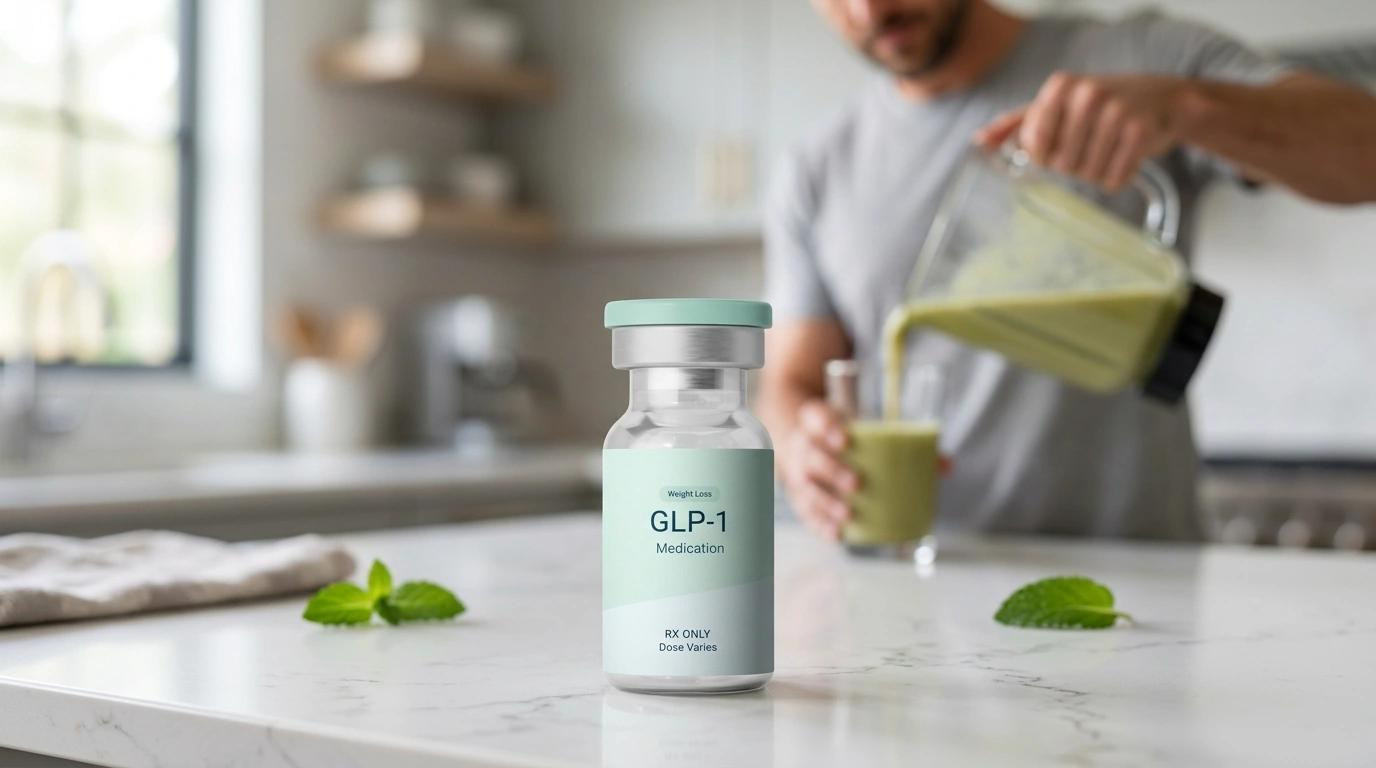
Standing at the kitchen counter with a small, sleek device in hand, many individuals embarking on a metabolic health journey find themselves asking a very practical question: exactly what color is the Ozempic shot? This question isn’t just about curiosity; it’s a fundamental component of patient safety and medication literacy. In the landscape of modern weight management and type 2 diabetes care, clarity—both in the literal appearance of the medicine and the metaphorical path toward health—is essential. Whether you are navigating the initial weeks of a new prescription or looking to refine your current routine, understanding the visual cues of your medication helps ensure you are administering your dose correctly and safely.
At TrimRx, our journey began with a shared vision to help individuals embrace healthier lifestyles by merging cutting-edge telehealth innovations with effective weight loss solutions. We understand that starting a new medication like Ozempic® (semaglutide) can come with a learning curve. Our platform is a user-friendly and supportive space where individuals receive personalized, medically supervised care—all designed to make sustainable weight loss attainable and tailored to the individual. We believe that sustainable weight loss should be achieved through science, empathy, and a transparent approach.
In this guide, we will explore the visual characteristics of Ozempic®, from the color-coded pens to the transparency of the liquid itself. We’ll discuss why these colors matter, how to identify if your medication has been compromised, and the ways in which we support your journey through personalized programs and supplemental wellness. By the end of this article, you will have a thorough understanding of what to look for every time you prepare your dose. We are here to partner with you, ensuring that every step you take is backed by reliable information and compassionate care.
Understanding the Appearance of Ozempic®
When we talk about the “color” of an Ozempic® shot, we are actually discussing two distinct things: the color of the liquid medication itself and the color of the delivery device, known as the prefilled pen. Distinguishing between the two is vital for ensuring you are taking the correct dosage and that the medication is still viable for use.
The Liquid: What Color is the Medication?
The medication inside the Ozempic® pen—the actual “shot” that enters your system—should always be clear and colorless. Regardless of the dosage you have been prescribed or the color of the label on your pen, the semaglutide solution itself must look like pure water.
There is a small window on the side of every Ozempic® pen designed specifically for this inspection. Before every injection, we recommend that you hold the pen up to the light and look through this window. If the liquid appears cloudy, discolored, or contains visible particles (specks of debris), it should not be used. A change in the clarity of the liquid can indicate that the medication has been exposed to extreme temperatures, has expired, or has been contaminated. To ensure you are always prepared, you can take our free assessment quiz to see if you qualify for our personalized weight loss programs that utilize these medications.
The Pen: Color-Coding for Dosage Clarity
While the liquid remains colorless, the pens themselves feature color-coded labels to help patients and healthcare providers distinguish between different strengths. This system is designed to prevent dosing errors, especially as patients often move through a titration schedule—a process where the dose is gradually increased to help the body adjust.
The Red Label Pen (Starter Dose)
The red-labeled pen is typically the first one a patient encounters. It is versatile, as it is designed to deliver both the 0.25 mg starter dose and the 0.5 mg maintenance dose. During the first four weeks of treatment, the 0.25 mg dose helps prime the body’s GLP-1 receptors. After this initial period, many transition to the 0.5 mg dose using the same red pen.
The Blue Label Pen (Intermediate Dose)
The blue-labeled pen is used for patients who require more significant glycemic control or weight management support beyond the 0.5 mg level. This pen is calibrated to deliver a 1 mg dose. It is only prescribed once a patient has successfully tolerated the lower doses.
The Yellow Label Pen (Maximum Dose)
The yellow-labeled pen represents the highest available dose of Ozempic®, delivering 2 mg per injection. This is reserved for individuals who need the maximum level of medication to meet their health goals. Because the yellow pen delivers a higher concentration, it is crucial to only use it under the direct guidance of a medical professional.
Why Visual Inspections Matter for Safety
At TrimRx, we emphasize that your safety is our top priority. Our approach is grounded in the belief that modern technology should enhance, not replace, the vigilance required for safe medical care. Performing a quick visual check before each injection is a simple but powerful way to protect your health.
Identifying Potential Contamination
The semaglutide molecules in Ozempic® are sensitive. If a needle is reused or if the pen is stored without its cap, bacteria or other contaminants could potentially enter the reservoir. If you notice any “floaties” or a “milky” appearance in the liquid window, this is a red flag. Injecting contaminated medication can lead to localized infections at the injection site or more systemic health issues.
We focus on safety by working exclusively with FDA-registered and inspected pharmacies to ensure that the medications our members receive are handled with the highest standards of care. Whether you are using Ozempic®, Wegovy®, or Compounded Semaglutide, the requirement for a clear, colorless solution remains the same.
Recognizing Temperature Damage
Ozempic® is a temperature-sensitive medication. Before its first use, it must be stored in a refrigerator between 36°F and 46°F. Once the pen is opened and in use, it can stay at room temperature (up to 86°F) for 56 days. However, it should never be frozen.
If the medication is accidentally frozen and then thawed, the proteins in the semaglutide can break down, rendering the medication ineffective. Often, this breakdown causes the liquid to become cloudy. Similarly, if the pen is left in a hot car or in direct sunlight, the heat can “cook” the medication. If the liquid looks anything other than clear and colorless, the integrity of the medicine has likely been compromised.
Your Personalized Journey with TrimRx
We believe that every individual’s path to health is unique. This is why we don’t offer a one-size-fits-all solution. Our brand personality is empathetic and results-oriented, focusing on how we can adapt advanced medical science to fit your life.
The Science Behind Our Personalized Programs
When you choose to work with us, you aren’t just getting a prescription; you are gaining a team. Our personalized weight loss programs are designed to address the biological hurdles that make losing weight so difficult for many. GLP-1 medications like Ozempic®, Mounjaro®, and Zepbound® work by mimicking hormones that regulate appetite and blood sugar.
To determine which of these options is right for you, we invite you to take our free assessment quiz. This quiz allows our partnered medical professionals to review your health history and goals, creating a treatment plan that is specifically yours. We offer a variety of options, including:
- Compounded Semaglutide
- Oral Semaglutide
- Ozempic®
- Compounded Tirzepatide
- Oral Tirzepatide
- Mounjaro®
- Zepbound®
- Wegovy®
Why We Partner with FDA-Registered Pharmacies
Transparency is at the core of what we do. It is important to understand that while TrimRx provides the platform for your care and consultations, we partner with FDA-registered and inspected pharmacies for the shipping of weight loss medications. These pharmacies adhere to strict quality control measures.
While we offer branded medications like Ozempic®, which are FDA-approved for specific indications, we also provide compounded options. It is a vital distinction to note that while the pharmacies are FDA-registered and the ingredients used are often the same, compounded medications themselves are not “FDA-approved” in the same way a brand-name drug is. However, they provide a necessary alternative for many patients, especially during times of national medication shortages.
How to Use the Ozempic® Pen Correctly
Using the pen correctly is just as important as knowing what color the medication should be. The process is designed to be user-friendly, but it requires a few specific steps to ensure the full dose is delivered.
Preparing Your Dose
- Wash your hands: Always start with clean hands to prevent infection.
- Check the label: Ensure the pen color (Red, Blue, or Yellow) matches your current prescription.
- Check the liquid: Look through the window. The “shot” should be clear and colorless.
- Attach a new needle: Remove the paper tab from a new needle and screw it onto the pen. Always use a fresh needle for every dose.
The “Check the Flow” Step
If you are using a brand-new pen for the first time, you must check the flow of the medication. This ensures that the pen is working correctly and that air bubbles are removed from the needle.
- Turn the dose selector until you see the flow check symbol (two lines and a dot).
- Press and hold the dose button.
- A drop of liquid should appear at the needle tip. Remember, this drop should be clear and colorless.
Injection Best Practices
Once the flow is confirmed, turn the dial to your prescribed dose (0.25, 0.5, 1, or 2 mg). Choose an injection site—the front of your thighs, the front of your waist (abdomen), or the upper arm. It is important to rotate your injection sites each week to prevent skin irritation or the buildup of fatty tissue.
Insert the needle into your skin and press the dose button. Keep the button held down until the dose counter returns to 0. After the counter hits 0, count slowly to six before removing the needle. This ensures that the full amount of medication has been absorbed into the subcutaneous tissue. If you ever feel like you need additional support during this process, our comprehensive service includes unlimited support from our team.
Beyond the Medication: Comprehensive Support
Sustainable weight loss is rarely achieved through medication alone. It requires a holistic approach that supports your body’s changing needs. While the “what color is the Ozempic shot” question is vital for the moment of injection, we are also focused on how you feel the other 167 hours of the week.
Quick-Access Supplements for Daily Wellness
Many individuals find that as they lose weight or use GLP-1 medications, they benefit from targeted nutritional support. We offer quick-access supplements that do not require a quiz and are available for immediate purchase to complement your journey.
Our GLP-1 Daily Support is formulated to help maintain nutritional balance and support digestive health, which can be particularly helpful when your appetite is reduced. Additionally, our Weight Loss Boost is designed to provide that extra edge in energy and metabolic efficiency. We believe in empowering our members with tools that make the daily experience of weight loss more comfortable and effective.
Navigating Side Effects with Empathy
It is common to experience side effects when starting GLP-1 medications, such as nausea or changes in digestion. Our brand is built on empathy; we know that these challenges can feel daunting. That’s why we focus on a transparent approach. We provide doctor consultations and lab work as part of our comprehensive service, ensuring that your dosage is appropriate and that your body is responding well to the treatment.
If you are curious about how these side effects might affect you or which medication is the best fit for your biological profile, we encourage you to take our free assessment quiz. This is the first step in a partnership where we listen to your concerns and adjust your plan accordingly.
The Role of Modern Telehealth in Weight Loss
The landscape of healthcare is shifting, and we are proud to be at the forefront of that change. Our journey began with the realization that traditional weight loss methods often lack the personalization and accessibility needed for long-term success.
Merging Innovation with Trust
By utilizing telehealth, we remove the barriers that often prevent people from seeking help. You don’t have to spend hours in a waiting room to get the care you deserve. Instead, you can access medical professionals and personalized treatment plans from the comfort of your home. This innovation is paired with a deep commitment to trustworthiness. We are transparent about our processes, our partnerships with FDA-registered pharmacies, and our use of science-backed medications.
Consistency Through Dosage Changes
One of the unique aspects of the TrimRx experience is our commitment to a consistent service model. As you progress in your journey, your dosage may change. You might start with the red-labeled Ozempic® pen and eventually move to the blue or yellow label. Regardless of these changes, our level of support remains the same. We offer a comprehensive service that includes doctor consultations, medication, lab work, and shipping—all with no hidden fees. This consistency allows you to focus on your health rather than administrative hurdles.
Practical Tips for Your Injection Routine
To make your weekly shot as seamless as possible, consider these practical, fact-based strategies. Many find that establishing a routine helps reduce any anxiety associated with self-injection.
Setting the Scene
Choose a consistent time and day for your injection. This helps maintain a steady level of the medication in your system. Whether it’s Sunday morning or Wednesday evening, find a time when you aren’t rushed. Ensure you have a sharps container nearby for safe disposal of the needles. If you don’t have a professional sharps container, a heavy-duty plastic household container with a tight-fitting lid (like a laundry detergent bottle) is a viable alternative, provided it is labeled correctly.
Managing Discomfort
If you are sensitive to injections, you might try letting the pen sit at room temperature for about 30 minutes before injecting. Cold medication can sometimes cause a slight stinging sensation. Additionally, ensure the alcohol you used to clean the site has completely dried before inserting the needle.
For overall wellness and to keep your body feeling its best, many of our members integrate GLP-1 Daily Support into their morning routine. Keeping your nutrition on point is a great way to feel more stable throughout the week.
The Science of Semaglutide and Tirzepatide
Understanding the “why” behind the medication can be just as empowering as knowing the “how.” The medications we offer, such as Ozempic®, Wegovy®, Mounjaro®, and Zepbound®, represent a breakthrough in metabolic science.
How GLP-1s Work
Glucagon-like peptide-1 (GLP-1) is a hormone naturally produced in your gut. It signals to your brain that you are full and tells your stomach to empty more slowly. It also prompts your pancreas to release insulin when your blood sugar is high. Medications like Ozempic® (semaglutide) are “agonists,” meaning they mimic this hormone but last much longer in the body.
The Power of Tirzepatide
Tirzepatide (found in Mounjaro® and Zepbound®) takes this a step further by mimicking two hormones: GLP-1 and GIP (glucose-dependent insulinotropic polypeptide). This dual-action approach can be even more effective for some individuals. To see which of these advanced options is best for your specific needs, you can take our free assessment quiz to start your personalized consultation.
Conclusion
Determining “what color is the Ozempic shot” is a vital skill for anyone utilizing this medication for their health goals. By remembering that the liquid must always be clear and colorless, and by understanding the red, blue, and yellow color-coding of the pens, you can navigate your treatment with confidence and safety.
At TrimRx, we are more than just a provider; we are your partners in health. From our empathetic brand story to our commitment to working with FDA-registered pharmacies, every aspect of our platform is designed with your success in mind. We believe that sustainable weight loss is achievable when you combine advanced medical science with a supportive, personalized approach.
Whether you are just starting out or looking to enhance your current progress with supplements like Weight Loss Boost or GLP-1 Daily Support, we are here to guide you. We encourage you to take the next step today by completing our assessment to see how a tailored program can transform your life. Together, we can make your health goals a reality.
Frequently Asked Questions
1. What should I do if my Ozempic® liquid is cloudy?
If the liquid in your Ozempic® pen appears cloudy, discolored, or contains any visible particles, you should not use it. This is a sign that the medication may have been compromised by temperature changes, contamination, or expiration. Dispose of the pen safely in a sharps container and contact your healthcare provider or pharmacy for a replacement.
2. Does the color of the pen label change the color of the liquid?
No. Whether you are using the red (0.25/0.5 mg), blue (1 mg), or yellow (2 mg) pen, the liquid medication inside should always be clear and colorless. The different colors on the labels are only there to help you identify the dose strength of the pen, not the medicine itself.
3. Can I use Ozempic® if it has been frozen?
No. You should never use Ozempic® if it has been frozen. Freezing can break down the semaglutide proteins, making the medication ineffective and potentially unsafe. If your pen was accidentally stored in the freezer or a part of the refrigerator that froze, it must be discarded.
4. How do I know if I have enough medication left for my next dose?
You can check the dose counter on your pen. Turn the dose selector until it stops. If the number that appears in the window matches your prescribed dose (e.g., 0.5, 1, or 2), you have enough for a full dose. If the counter stops before reaching your dose, there is not enough medication left in that pen, and you should use a new one. To ensure you always have a steady supply and the right guidance, consider joining our personalized program by taking our free assessment quiz.

Transforming Lives, One Step at a Time
Keep reading
Ozempic vs Wegovy: Same Drug, Different Purpose
Here’s the fact that surprises most people: Ozempic and Wegovy are the same medication (semaglutide), just sold under different brand names, at different doses,…

When Do “Ozempic Vulva” Changes Start and Stabilize? A Timeline
Vulvar and genital changes from GLP-1 weight loss follow the pace of your weight loss, so they typically begin within the first few months…

Orforglipron vs Ozempic: Pill vs Injection for Weight Loss
Orforglipron and Ozempic both harness GLP-1 to reduce appetite and drive weight loss, but they differ in two ways that matter day to day:…


