Sun Safety and Weight Loss: Can You Be in the Sun While Taking Ozempic?
Introduction
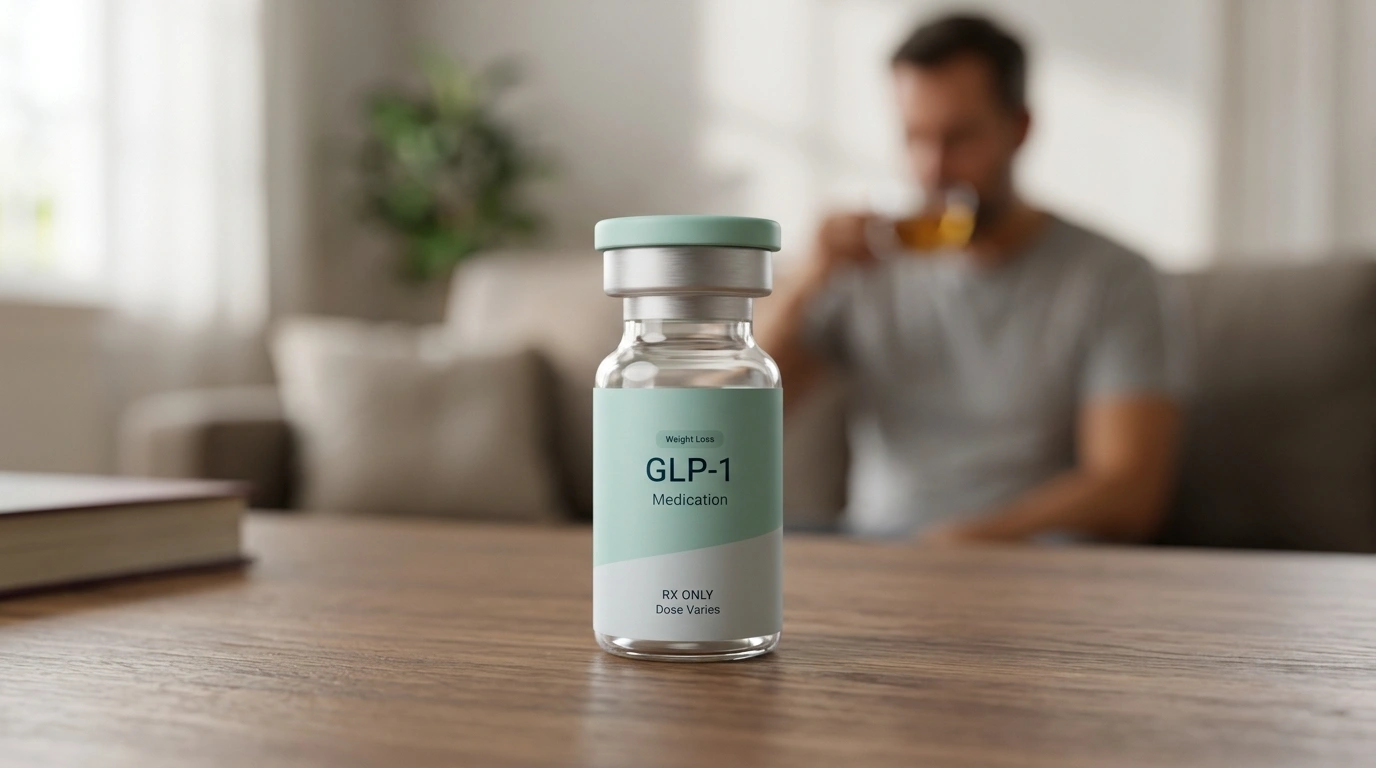
Does the summer sun feel more intense lately, or is your body reacting differently to the heat as you embark on your wellness journey? With the meteoric rise of GLP-1 receptor agonists in the United States, millions of individuals are finding new hope in their struggle with weight management and type 2 diabetes. However, as the temperatures climb and the days grow longer, a common concern has surfaced among the community: can you be in the sun while taking ozempic, and are there hidden risks you should be aware of? While many focus solely on the scale, the interplay between advanced medication and environmental factors like UV exposure and extreme heat is a vital component of a safe, successful transformation.
At TrimRx, our journey began with a shared vision to help individuals embrace healthier lifestyles by merging cutting-edge telehealth innovations with effective weight loss solutions. We understand that your path is unique, and we believe that sustainable weight loss should be achieved through science, empathy, and a transparent approach. Whether you are currently using a personalized program or are just beginning to take our free assessment quiz, understanding how to navigate the summer months is essential for your long-term health.
This article provides a comprehensive exploration of sun safety, hydration, and skin health for those using Ozempic® and related GLP-1 medications. We will delve into the science behind how these medications interact with your body’s regulatory systems, address the myths surrounding photosensitivity, and offer practical, actionable advice for staying safe in the heat. By the end of this post, you will have a clear roadmap for protecting your skin and maintaining your progress, ensuring that your weight loss journey remains both effective and comfortable. Together, we will explore the nuances of medication management in the sun, the importance of hydration, and how our supportive platform can help you achieve the results you deserve.
The following sections will break down the biological mechanisms at play, the specific risks associated with dehydration and skin elasticity, and the best practices for storing your medication during a heatwave. We aim to empower you with the knowledge needed to thrive, regardless of the forecast.
Understanding Ozempic and Its Effects on the Body
Before addressing sun exposure directly, it is important to understand what Ozempic® is and how it functions within your system. Ozempic® (semaglutide) is an FDA-approved prescription medication primarily used to manage blood sugar levels in adults with type 2 diabetes. However, its significant impact on weight reduction has led many healthcare providers to prescribe it off-label for chronic weight management.
How GLP-1 Receptor Agonists Function
Ozempic® belongs to a class of drugs known as glucagon-like peptide-1 (GLP-1) receptor agonists. These medications work by mimicking a natural hormone in the body that is typically released in the gut after eating. This hormone performs several critical roles: it stimulates the pancreas to release insulin when blood sugar is high, prevents the liver from producing too much sugar, and slows down the rate at which food leaves the stomach (gastric emptying).
Because these medications affect the digestive tract and the brain’s hunger centers, they are incredibly effective at inducing a feeling of fullness. For many, this is the key to finally overcoming long-standing hurdles in their weight loss journey. To see if a personalized treatment plan including medications like Ozempic®, Wegovy®, or Mounjaro® is right for you, we encourage you to take our free assessment quiz.
The Broader Spectrum of Weight Loss Solutions
While Ozempic® is a well-known brand, our platform offers a variety of personalized options to suit different needs and medical histories. This includes:
- Compounded Semaglutide and Oral Semaglutide: Tailored options provided through our partner pharmacies.
- Tirzepatide: Available as both Compounded Tirzepatide and Oral Tirzepatide, as well as the brand-name versions Mounjaro® and Zepbound®.
- Quick-Access Support: For those looking to bolster their journey without a prescription, our GLP-1 Daily Support and Weight Loss Boost supplements offer immediate wellness benefits.
Can You Be in the Sun While Taking Ozempic?
The short answer is yes, you can enjoy the sunshine while taking Ozempic®. However, the context of your health and the specific side effects of the medication require a more nuanced approach than just “applying sunscreen.”
The Truth About Photosensitivity and Semaglutide
One of the most frequent questions we receive is whether Ozempic® causes photosensitivity—a condition where the skin becomes abnormally sensitive to UV rays, leading to rapid burning or rashes. According to current clinical data and the MHRA-approved Summary of Product Characteristics, there is no established direct link between semaglutide and increased photosensitivity. Unlike certain antibiotics or acne treatments that are known “photosensitizers,” Ozempic® does not typically make your skin more prone to burning.
Why General Sun Safety Still Matters
Even though the medication doesn’t directly cause light sensitivity, there are secondary reasons to be cautious. Many individuals using Ozempic® are also managing type 2 diabetes. Diabetes can impair the body’s ability to heal wounds and fight off skin infections. A severe sunburn is essentially a radiation burn that taxes the immune system and can lead to complications in someone with compromised healing.
Furthermore, those on a personalized weight loss program often experience changes in skin texture and elasticity. Maintaining a youthful, healthy appearance requires protecting the skin’s collagen from UV damage, especially when the face is losing fat stores—a phenomenon sometimes colloquially called “Ozempic face.”
Skin Health and Rapid Weight Loss
When you lose weight rapidly, your skin may not always have the time to “snap back” into place. Facial fat provides a cushion that keeps the skin looking plump and youthful. As this fat is metabolized, the skin can appear saggy or gaunt.
Exposure to the sun accelerates the breakdown of elastin and collagen, the proteins responsible for skin firmness. If you are already experiencing facial volume loss due to your successful weight loss, the last thing you want is for UV damage to deepen wrinkles and create sunspots. This makes daily application of a broad-spectrum SPF 30 or higher non-negotiable. To support your skin from the inside out during this transition, consider incorporating our Weight Loss Boost to maintain overall metabolic health.
The Critical Importance of Hydration in the Heat
While the sun’s rays are a concern for your skin, the heat itself poses a more significant risk to your internal health when taking GLP-1 medications. The way these drugs interact with your digestion and thirst mechanisms makes hydration the most critical factor for summer safety.
Managing Gastrointestinal Side Effects and Fluid Loss
The most common side effects of Ozempic® and other medications like Wegovy® or Compounded Semaglutide are gastrointestinal in nature. Nausea, vomiting, and diarrhea are frequent, especially during the initial weeks of treatment or when increasing a dosage.
In a standard environment, these symptoms are manageable. However, in triple-digit temperatures, they can quickly lead to severe dehydration. When you lose fluids through both sweating and gastrointestinal distress, your electrolyte balance is thrown off, which can lead to:
- Dizziness and fainting
- Kidney strain or acute kidney injury
- Increased heart rate
- Extreme fatigue
To mitigate these risks, it is essential to sip water throughout the day. If you find it difficult to keep fluids down, we recommend speaking with a healthcare professional and potentially utilizing our GLP-1 Daily Support to help bridge nutritional gaps and support your body’s resilience.
Thirst Suppression: The Hidden Risk
Perhaps the most surprising effect of GLP-1 medications is their ability to suppress thirst along with appetite. Because these drugs affect the hypothalamus—the part of the brain that regulates hunger and thirst—you might genuinely forget to drink water.
In the sun, your body requires significantly more fluid to regulate its temperature through sweat. If your brain isn’t sending “I’m thirsty” signals, you may reach a state of dehydration before you even realize you are in trouble. We suggest setting a timer on your phone to remind you to drink at least 8 to 12 ounces of water every hour when you are outdoors. Using your urine color as a barometer is also helpful; aim for a light, pale yellow color. If it is dark, you are already dehydrated.
Protecting Your Progress with TrimRx
At TrimRx, we believe that personalized care is the cornerstone of safe weight loss. Our platform is a user-friendly and supportive space where individuals receive medically supervised care tailored to their unique journeys. We are committed to transparent service—highlighting that our approach remains consistent regardless of dosage changes—and our focus on safety is reflected in our exclusive partnerships with FDA-registered and inspected pharmacies.
Personalized Solutions for Sustainable Health
Sustainable weight loss is not a one-size-fits-all endeavor. Some individuals may thrive on Ozempic®, while others may find better results with Compounded Tirzepatide or Zepbound®. Our process begins with an assessment to ensure that the medication you receive is the best fit for your biology and lifestyle. If you haven’t yet started, you can take our free assessment quiz to begin your journey with a dedicated team behind you.
We provide a comprehensive service that includes:
- Licensed doctor consultations
- Medication provided by FDA-inspected pharmacies
- Necessary lab work
- Unlimited support and shipping with no hidden fees
Enhancing Your Journey with Support Supplements
Even the most effective prescription medications work better when supported by a foundation of wellness. Our quick-access supplements do not require a quiz and are designed to complement your weight loss efforts.
- GLP-1 Daily Support: This supplement is specifically formulated to help manage the common hurdles of GLP-1 therapy, supporting digestive health and ensuring you feel your best as your body adjusts.
- Weight Loss Boost: Ideal for those looking for an extra edge in their metabolic health, this booster helps maintain energy levels—especially important when the summer heat tries to drain them.
Practical Guidelines for Summer Safety
Navigating a “very sweaty” heatwave while on a weight loss journey requires a proactive strategy. Here are the practical steps you should take to ensure your health and the efficacy of your medication are protected.
Storing Your Medication Properly
Many people don’t realize that medications like Ozempic®, Wegovy®, and Mounjaro® are sensitive to temperature.
- Before first use: Unused pens should be stored in the refrigerator between 36°F and 46°F (2°C to 8°C).
- After first use: Once you have used a pen, it can generally be stored at room temperature (59°F to 86°F) for up to 56 days.
The Hot Car Danger: Never leave your medication in a locked car, even for five minutes. Temperatures inside a vehicle can quickly exceed 100°F, which can deteriorate the active ingredients in your medication, making it less effective or even unusable. If you are traveling, use a small insulated cooler bag to keep your pens within the safe temperature range.
Injection Site Care in the Sun
While injection site reactions are uncommon (affecting about 1 in 100 people), they can include redness, itching, or mild swelling. If you have recently administered your dose, it is wise to keep the injection site covered and out of direct sunlight until any localized irritation has fully healed.
Sunlight on an inflamed or irritated patch of skin can increase discomfort and potentially lead to hyperpigmentation (dark spots) at the site. Rotating your injection sites—moving between the abdomen, thigh, and upper arm—is also a best practice to ensure optimal absorption and skin health.
Safe Outdoor Activity
If you are incorporating exercise into your weight loss plan, try to schedule your workouts for the early morning or late evening when the UV index is lower and temperatures are milder.
- Wear protective gear: Wide-brimmed hats and UV-protective sunglasses are your best friends.
- Seek shade: During peak hours (11 a.m. to 3 p.m.), stay in the shade as much as possible.
- Listen to your body: If you feel dizzy, nauseous, or unusually fatigued, stop and find a cool environment immediately.
The Connection Between Weight Loss and Skin Sensitivity
As you progress on your journey, your body undergoes significant physiological changes. For example, an individual with a history of obesity who is successfully losing weight may find that their skin’s barrier function changes. Rapid weight loss can sometimes lead to temporary dryness or a “thinner” feel to the skin.
This change in the skin barrier makes it even more important to use high-quality moisturizers and sunscreens. When the skin is hydrated from both the inside (via water intake) and the outside (via skincare), it is better equipped to handle the environmental stress of the sun. Our GLP-1 Daily Support can assist in maintaining the nutritional balance that supports skin health during these transitions.
Why Personalized Supervision Matters
While the internet is full of advice, nothing replaces the care of a medical professional who understands your specific health profile. At TrimRx, our brand personality is empathetic and results-oriented. We know that the fear of side effects or environmental risks can be a barrier to starting. That’s why we emphasize a transparent approach.
Our medically supervised programs ensure that if you do experience unusual skin reactions or struggle with hydration in the heat, you have a team to turn to. Whether you are taking Ozempic® or a Compounded Semaglutide, our goal is to make sure you feel supported every step of the way. If you’re ready to see how a science-backed, empathetic approach can change your life, we invite you to take our free assessment quiz.
Conclusion
Embarking on a weight loss journey with medications like Ozempic® or Tirzepatide is a transformative experience that requires mindfulness of your body’s changing needs. While there is no direct evidence that you cannot be in the sun, the secondary effects of these medications—such as thirst suppression and gastrointestinal sensitivity—demand a higher level of vigilance during the summer months.
By prioritizing hydration, practicing diligent sun protection, and storing your medication correctly, you can continue to enjoy the outdoors while reaching your health goals. Remember, your journey is not just about the numbers on the scale; it’s about feeling vibrant, healthy, and empowered in your own skin.
We are here to provide the tools, the science, and the empathy needed to make your goals a reality. From our personalized prescription plans to our quick-access supplements like the Weight Loss Boost, TrimRx is your partner in sustainable health. Stay safe, stay hydrated, and let’s embrace a healthier future together.
Frequently Asked Questions
1. Does Ozempic® cause your skin to burn faster in the sun?
There is currently no official medical link between Ozempic® (semaglutide) and increased photosensitivity. The medication does not typically contain ingredients that cause the skin to become more sensitive to UV rays. However, general sun safety is always recommended, especially for those with underlying conditions like diabetes which can affect skin healing.
2. Why is hydration so important when taking GLP-1s in hot weather?
GLP-1 medications can suppress your brain’s thirst signals and may cause side effects like nausea or diarrhea, both of which increase the risk of fluid loss. In the heat, your body needs more water to cool itself. Without proactive hydration, you face a much higher risk of dehydration and potential kidney strain.
3. Can I leave my Ozempic® pen in the car if I’m at the beach?
No, you should never leave your medication in a hot car. High temperatures can cause the active ingredients in GLP-1 medications to break down and lose their effectiveness. Always store your pens within the recommended temperature range and use a cooler bag if you are traveling in the heat.
4. What should I do if I notice a skin rash after being in the sun?
While it may not be directly caused by Ozempic®, you should always take skin changes seriously. Stop your sun exposure, hydrate, and consult your healthcare provider. If you experience signs of a severe allergic reaction—such as hives, swelling of the face, or difficulty breathing—seek emergency medical attention immediately. For ongoing support and guidance, you can always reach out to the team at TrimRx through your personalized program.

Transforming Lives, One Step at a Time
Keep reading
Ozempic vs Wegovy: Same Drug, Different Purpose
Here’s the fact that surprises most people: Ozempic and Wegovy are the same medication (semaglutide), just sold under different brand names, at different doses,…
When Do “Ozempic Vulva” Changes Start and Stabilize? A Timeline
Vulvar and genital changes from GLP-1 weight loss follow the pace of your weight loss, so they typically begin within the first few months…

Orforglipron vs Ozempic: Pill vs Injection for Weight Loss
Orforglipron and Ozempic both harness GLP-1 to reduce appetite and drive weight loss, but they differ in two ways that matter day to day:…


