Balancing Wellness: What to Consider if Can You Smoke Weed While Taking Ozempic
Introduction
As more individuals seek transformative health solutions, the intersection of modern medicine and lifestyle choices becomes a frequent point of conversation. You might be part of the growing number of people utilizing GLP-1 medications to reclaim their health, while also wondering how your occasional or regular cannabis use fits into that picture. A common question surfacing in wellness circles is: can you smoke weed while taking Ozempic? While many people find success with both, the way these two substances interact with your body’s internal signaling is more complex than it might first appear.
At TrimRx, our journey began with a shared vision to help individuals embrace healthier lifestyles by merging cutting-edge telehealth innovations with effective weight loss solutions. We understand that your journey is unique, and navigating the nuances of medication interactions is a vital part of staying safe and achieving your goals. Our platform is a user-friendly and supportive space where individuals receive personalized care—all designed to make sustainable weight loss attainable and tailored to the individual. We believe that sustainable weight loss should be achieved through science, empathy, and a transparent approach.
The purpose of this article is to provide a detailed look at how cannabis and Ozempic interact within the human body. We will explore the physiological mechanisms of semaglutide, the effects of THC and CBD on metabolism, and the potential risks or benefits of combining them. By the end of this post, you will have a clearer understanding of how to manage your weight loss journey while making informed decisions about cannabis use. We will cover topics ranging from appetite suppression conflicts to gastrointestinal sensitivity and safety precautions.
We invite you to look at this information as a partnership in your health. Whether you are already on a prescription plan or just starting to take our free assessment quiz to see if you qualify, understanding these interactions is paramount. This post is unique because it blends clinical insights with the practical, empathetic perspective we maintain at TrimRx, ensuring you feel supported every step of the way. Ultimately, our thesis is that while there is no evidence of a direct, dangerous chemical “clash,” the physiological and behavioral effects of cannabis can significantly alter the experience and efficacy of Ozempic.
The Science of Ozempic and GLP-1 Medications
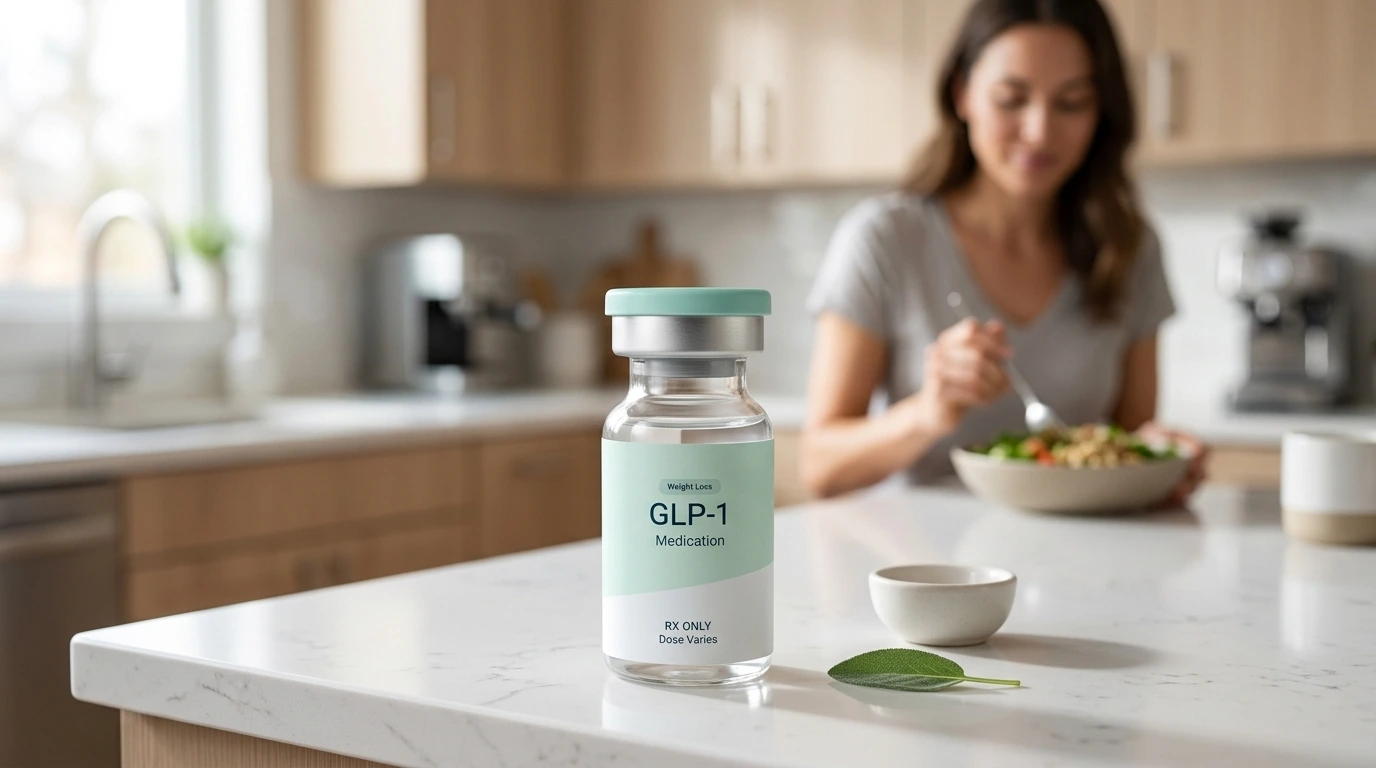
To understand how cannabis fits into the equation, we must first look at how Ozempic (semaglutide) operates. Ozempic is a GLP-1 (glucagon-like peptide-1) receptor agonist. In simpler terms, it mimics a hormone that your body naturally produces after a meal. This hormone serves several critical functions that help regulate both blood sugar and body weight.
How Semaglutide Influences the Body
When you use a medication like Ozempic, it travels to receptors in the brain—specifically the hypothalamus—to signal that you are full. It also works in the gut to slow down gastric emptying. This means that food stays in your stomach for a longer duration, which contributes to a prolonged feeling of satiety. For many, this “quieting” of hunger signals is a revolutionary change in their relationship with food.
At TrimRx, we offer several options within our personalized weight loss program that utilize this technology, including:
- Compounded Semaglutide
- Oral Semaglutide
- Ozempic®
- Wegovy®
- Compounded Tirzepatide
- Mounjaro®
- Zepbound®
For those interested in these science-backed options, the first step is to take our free assessment quiz to determine eligibility and receive a personalized treatment plan tailored to your body’s needs.
The Role of Slower Digestion
The slowing of the digestive tract is one of the most significant aspects of Ozempic. While this is beneficial for weight loss, it changes how your body processes anything else you ingest, including other medications, supplements, and yes, cannabis products. If the stomach takes longer to clear its contents, the absorption rate of substances can be altered, leading to delayed or intensified effects.
How Cannabis Interacts with Metabolic Pathways
Cannabis contains over 100 cannabinoids, but the two most studied are THC (tetrahydrocannabinol) and CBD (cannabidiol). These compounds interact with the body’s endocannabinoid system (ECS), which plays a role in regulating mood, pain, and—most importantly for our discussion—appetite and metabolism.
THC and the Stimulation of Hunger
THC is the psychoactive component of cannabis, and it is well-known for stimulating appetite, a phenomenon often called “the munchies.” THC binds to CB1 receptors in the brain, which can increase the palatability of food and stimulate the release of ghrelin, the “hunger hormone.” This is essentially the opposite of what a GLP-1 medication aims to do. While Ozempic is trying to turn the volume down on hunger, THC is trying to turn it up.
CBD and Metabolic Health
Unlike THC, CBD does not produce a “high” and has a different relationship with metabolism. Some research suggests that CBD may assist with insulin sensitivity and reduce inflammation, though more clinical studies are needed. When considering CBD alongside weight loss medications, the primary focus is often on managing side effects like anxiety or minor aches that might arise during a lifestyle transition. To support your body further during this time, we recommend our GLP-1 Daily Support supplement, which is designed to provide essential nutrients that complement your journey.
Can You Smoke Weed While Taking Ozempic? Analyzing the Risks
When we ask can you smoke weed while taking Ozempic, we are looking at two substances that generally do not have a documented, severe drug-to-drug interaction in terms of liver metabolism. Ozempic is not metabolized by the cytochrome P450 enzymes that process many other drugs, which reduces the likelihood of a chemical contraindication. However, the physiological interaction is where the challenges lie.
Gastrointestinal Sensitivity and Nausea
One of the most common side effects of Ozempic is nausea, particularly when you first start the medication or increase your dosage. Cannabis, specifically in high doses, can also impact the gastrointestinal system. While some people use low-dose cannabis to treat nausea, high-dose or chronic use can lead to a condition called Cannabinoid Hyperemesis Syndrome (CHS), characterized by severe vomiting.
Combining a medication that slows digestion with a substance that can sometimes irritate the GI tract may lead to increased discomfort. For an individual who is already experiencing “slow” digestion, adding the potential for cannabis-induced nausea can make the weight loss journey more difficult. We focus on safety by working exclusively with FDA-registered and inspected pharmacies to ensure the highest quality medications, but your lifestyle choices also play a major role in your comfort.
Cardiovascular Considerations
Both GLP-1 medications and cannabis can affect your heart rate. Ozempic has been noted to slightly increase resting heart rate in some patients. Cannabis, particularly when smoked, is known to cause an acute increase in heart rate and changes in blood pressure. For individuals who have underlying cardiovascular concerns, combining these two could potentially lead to increased feelings of palpitations or dizziness. If you are experiencing these symptoms, it is essential to monitor your stats and consult with a professional.
The Impact on Blood Glucose
Ozempic is highly effective at lowering blood sugar and improving insulin response. Interestingly, some studies have suggested that cannabis users may have lower fasting insulin levels, but the acute use of cannabis can also lead to unpredictable blood sugar fluctuations, especially if “the munchies” lead to the consumption of high-sugar, highly processed foods. Maintaining stable glucose is a cornerstone of the programs we support, and anything that introduces “unpredictability” into that equation should be approached with caution.
The Tug-of-War: Appetite Suppression vs. The Munchies
The most frequent concern for our members is whether cannabis use will stall their weight loss progress. It creates a literal tug-of-war within the brain’s reward centers.
Physical Hunger vs. Hedonic Hunger
Ozempic is excellent at reducing “homeostatic hunger”—the physical need for calories. However, cannabis often stimulates “hedonic hunger”—the desire to eat for pleasure. Even if your stomach feels full due to the effects of semaglutide, your brain might still signal a desire for the sensory experience of eating. This can lead to overeating, which is particularly uncomfortable when your digestion is slowed. Pushing past the “full” signal on Ozempic can lead to significant indigestion, reflux, or vomiting.
For those looking to optimize their results and ensure their metabolism is firing on all cylinders, adding a Weight Loss Boost can help provide the metabolic support needed to stay on track, even when external factors like cannabis use are present.
Mindfulness and Weight Management
If you choose to use cannabis while on a weight loss program, mindfulness becomes your most important tool. Because your body’s natural satiety signals are being enhanced by the medication, you must learn to distinguish between the “thirst” or “pleasure” signals sent by cannabis and the actual need for food. Many find that while the urge to snack is there, the actual capacity to eat is much lower, which can be a confusing experience for the body.
Method of Consumption: Smoking vs. Edibles
The way you consume cannabis significantly changes how it interacts with Ozempic. This is primarily due to the “delayed gastric emptying” effect we mentioned earlier.
Smoking and Vaping
When cannabis is smoked or vaped, the cannabinoids enter the bloodstream through the lungs almost immediately. This bypasses the digestive system. In this context, the primary concerns are the immediate effects on heart rate, blood pressure, and appetite. Because it doesn’t rely on the gut for absorption, the timing of the “high” remains relatively predictable.
The Danger of Edibles on GLP-1s
Edibles are a different story. Because Ozempic slows the movement of food through the stomach, an edible may take much longer to reach the small intestine where it is absorbed.
- Delayed Onset: An individual might take an edible and feel nothing for two or three hours, leading them to believe they need a higher dose.
- Intensified Peak: When the stomach finally does empty, the dose hits the system all at once, potentially leading to an uncomfortably intense experience or “greening out.”
- Prolonged Effects: Because the absorption is stretched out, the effects of the edible might last much longer than usual, potentially carrying over into the next day and affecting your energy levels and motivation.
We always recommend transparency in your health journey. If you are considering starting a regimen, please take our free assessment quiz and ensure you are monitoring how your body responds to all inputs, including various forms of cannabis.
Practical Strategies for Success
If you are using Ozempic and choose to continue using cannabis, there are several ways to mitigate risks and ensure you stay on the path toward your health goals.
1. Prioritize Hydration
Both Ozempic and cannabis can contribute to a dry mouth and dehydration. Furthermore, GLP-1 medications can sometimes reduce your “thirst” signal alongside your hunger signal. It is crucial to drink plenty of water throughout the day. Dehydration can exacerbate nausea and dizziness, making the side effects of both substances feel much worse.
2. Monitor Your Blood Sugar Regularly
If you are using these medications for type 2 diabetes management, regular monitoring is non-negotiable. Cannabis can mask some of the symptoms of hypoglycemia (low blood sugar), such as shakiness or anxiety, because those symptoms can be similar to the effects of being high. Being diligent with your glucose monitor ensures you stay in a safe range.
3. Choose Low-Calorie “Munchies”
If you know that cannabis use is going to stimulate your appetite, prepare for it. Instead of reaching for high-fat or high-sugar snacks—which are harder to digest and can cause issues on Ozempic—keep fresh vegetables, light proteins, or air-popped popcorn available. This allows you to satisfy the “hand-to-mouth” habit of snacking without derailing your caloric goals.
4. Supplement Wisely
Supporting your gut health is essential when taking medications that alter digestion. Our GLP-1 Daily Support is a great way to ensure your body is getting what it needs to process food efficiently and maintain energy levels.
The TrimRx Approach: Personalized and Empathetic
At TrimRx, we believe that you shouldn’t have to navigate these questions alone. Our brand is built on being empathetic, innovative, and trustworthy. We recognize that modern life involves many choices, and our goal is to provide a supportive space where you can receive personalized, medically supervised care.
Our commitment to transparency means we want you to have all the facts. While we partner with FDA-registered and inspected pharmacies for the shipping of your weight loss medications, the ultimate success of the program depends on the synergy between the medication and your lifestyle. Whether you are using Ozempic, Zepbound, or our compounded options, our approach remains consistent: we provide the tools, and you provide the commitment.
Why Personalized Care Matters
There is no one-size-fits-all answer to can you smoke weed while taking Ozempic because every body reacts differently. Some people find that cannabis helps them manage the minor side effects of the medication, while others find it completely stalls their progress. This is why our program starts with a free assessment quiz. It allows us to understand your health history and goals, ensuring that the treatment plan you receive is truly yours.
Sustainable Weight Loss Through Science
We emphasize that sustainable weight loss is about more than just a number on the scale; it’s about how you feel every day. By combining advanced medical science with modern technology, we make it easier to stay consistent. Our comprehensive service includes doctor consultations, medication, lab work, and unlimited support—all with no hidden fees. This level of oversight is designed to give you peace of mind as you navigate the complexities of your health journey.
Psychological Impacts and Motivation
Weight loss is as much a mental journey as it is a physical one. It is important to consider how cannabis affects your motivation and “executive function.”
Habit Formation
Success on a weight loss program often requires building new habits: meal prepping, regular exercise, and consistent sleep. For some, cannabis use can lead to a more sedentary lifestyle or a decrease in the motivation required to stick to these new routines. If you find that using cannabis makes it harder to get to the gym or plan your meals, it might be worth re-evaluating its place in your routine.
Reward Processing
Both GLP-1s and THC interact with the dopamine system in the brain. Ozempic tends to “flatten” the reward curve, making addictive behaviors or cravings less intense. This is why it is currently being studied for its potential to help with various types of substance use disorders. You might find that on Ozempic, your desire for cannabis naturally decreases—a phenomenon many of our members have reported.
To help keep your energy and metabolism high during these shifts, the Weight Loss Boost can be a vital ally in maintaining your momentum.
Safety First: When to Talk to a Professional
While exploring these topics is helpful, it never replaces the advice of a qualified healthcare professional. If you are considering combining these substances, keep the following in mind:
- Transparency is Key: Always be honest with your provider about your cannabis use. They need this information to accurately assess your heart health and GI symptoms.
- Dosage Adjustments: Your doctor may need to adjust your Ozempic dosage more slowly if you are a regular cannabis user to monitor for increased side effects.
- Listen to Your Body: If you feel excessively dizzy, experience heart palpitations, or cannot stop vomiting, seek medical attention immediately.
We are here to support you in finding the right path. If you’re ready to see how a personalized program can change your life, we encourage you to take our free assessment quiz today.
Conclusion
The journey toward a healthier version of yourself is rarely a straight line. It involves learning, adapting, and sometimes questioning how our lifestyle choices interact with the tools we use for change. When it comes to the question, can you smoke weed while taking Ozempic, the answer is a nuanced “proceed with caution.” While no direct, life-threatening drug interaction exists, the physiological overlap—specifically regarding appetite, digestion, and heart rate—requires a high level of self-awareness.
At TrimRx, we are dedicated to providing you with the most effective, personalized weight loss solutions. We believe that by merging science, empathy, and innovation, we can help you achieve sustainable results. Whether you choose to utilize our prescription medications or our quick-access supplements like GLP-1 Daily Support and Weight Loss Boost, we are your partners in this process.
Remember that every choice you make is a piece of the puzzle. By staying informed and listening to your body, you can navigate these complexities and reach your goals. We invite you to join our community and take the first step by completing our free assessment quiz. Together, we can make your health goals a reality.
Frequently Asked Questions
1. Does smoking weed make Ozempic less effective for weight loss?
While cannabis doesn’t stop the medication from working biologically, the “munchies” caused by THC can counteract the appetite suppression Ozempic provides. If cannabis use leads to frequent overeating or poor food choices, it may slow down your overall progress.
2. Is it safer to use CBD instead of THC while on Ozempic?
Generally, yes. CBD does not stimulate appetite in the same way THC does and does not have the same psychoactive “high.” Many people find CBD helpful for managing stress or minor discomfort without the risk of the munchies. However, you should still consult with a professional before starting any new supplement.
3. Why do edibles feel different when I’m taking Ozempic?
Ozempic slows down “gastric emptying,” meaning it takes longer for things to leave your stomach. Since edibles must be digested to work, you may experience a significantly delayed onset, followed by a potentially more intense or prolonged effect once the substance finally reaches your small intestine.
4. Can combining cannabis and Ozempic cause severe nausea?
Yes, both substances can affect the gastrointestinal system. Ozempic commonly causes nausea as a side effect, and high doses of cannabis can lead to stomach upset or Cannabinoid Hyperemesis Syndrome. Combining them can increase the likelihood of gastrointestinal distress. Maintaining proper hydration and using supplements like GLP-1 Daily Support can help support your digestive health.

Transforming Lives, One Step at a Time
Keep reading

Ozempic vs Wegovy: Same Drug, Different Purpose
Here’s the fact that surprises most people: Ozempic and Wegovy are the same medication (semaglutide), just sold under different brand names, at different doses,…

When Do “Ozempic Vulva” Changes Start and Stabilize? A Timeline
Vulvar and genital changes from GLP-1 weight loss follow the pace of your weight loss, so they typically begin within the first few months…

Orforglipron vs Ozempic: Pill vs Injection for Weight Loss
Orforglipron and Ozempic both harness GLP-1 to reduce appetite and drive weight loss, but they differ in two ways that matter day to day:…


