What Happens When You Drink Alcohol While Taking Ozempic: A Guide to Safety and Results
Introduction
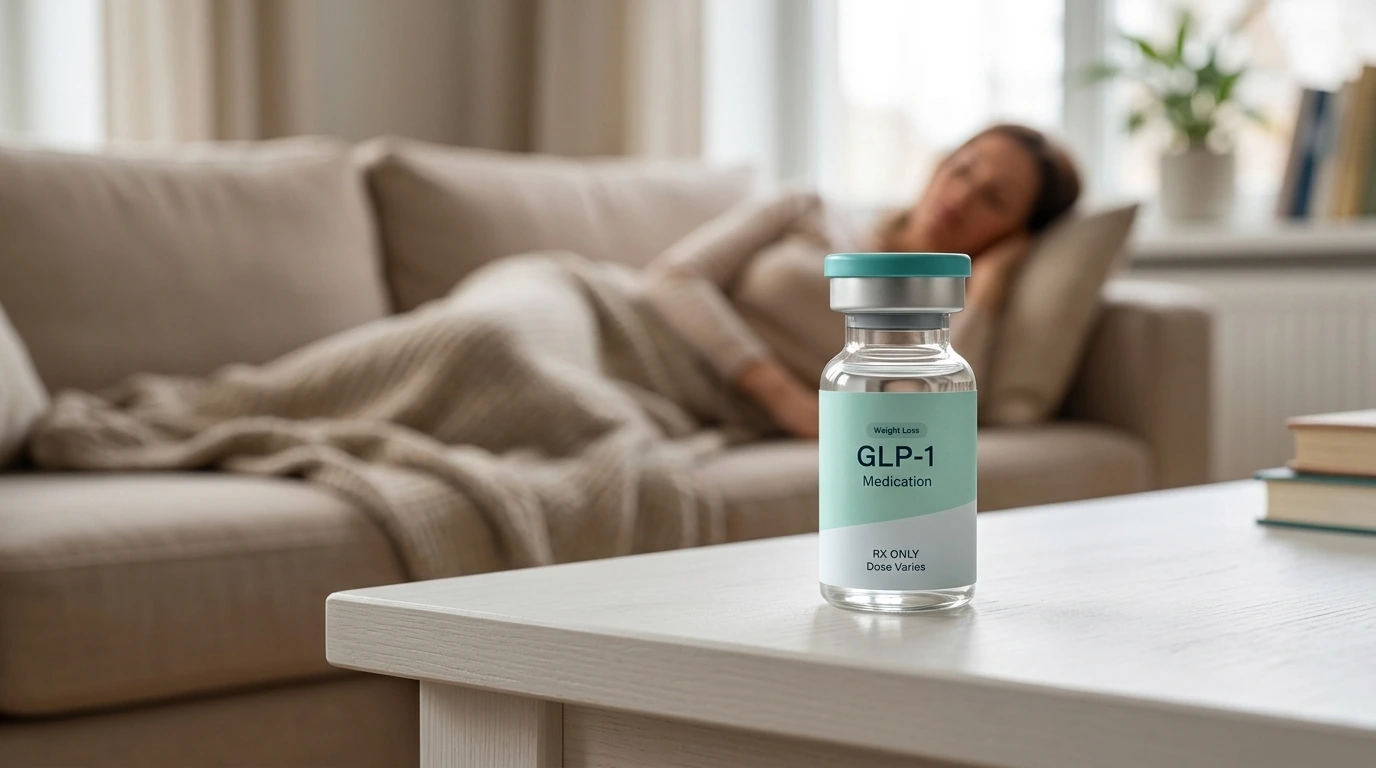
Social gatherings, celebratory dinners, and relaxing weekends often revolve around the ritual of sharing a drink. However, for the millions of Americans now utilizing advanced GLP-1 medications, a glass of wine or a craft beer is no longer just a simple choice; it is a metabolic consideration. As the landscape of weight management shifts toward clinically proven, personalized solutions, many individuals find themselves standing at a crossroads between their social habits and their health goals. If you have recently started a regimen involving semaglutide, you are likely asking a pivotal question: what happens when you drink alcohol while taking Ozempic?
The rise of medications like Ozempic® and Wegovy® has transformed the way we approach chronic weight management and type 2 diabetes. According to recent health policy data, approximately one in eight U.S. adults has tried a GLP-1 medication. This widespread adoption means that the interaction between these powerful medications and common lifestyle choices, like alcohol consumption, has become a subject of intense scientific and personal interest. At TrimRx, we understand that your journey to a healthier lifestyle is deeply personal and requires a balance of science and empathy. Our mission is to provide you with the knowledge and tools necessary to navigate these choices safely and effectively.
The purpose of this blog post is to provide a comprehensive, evidence-based exploration of how alcohol interacts with Ozempic® and other semaglutide-based treatments. We will delve into the physiological changes that occur when these substances coexist in your system, the potential side effects you might encounter, and the impact on your long-term weight loss trajectory. By the end of this guide, you will have a clear understanding of the risks, the emerging research on alcohol cravings, and practical strategies for maintaining your progress.
Our exploration will cover everything from the mechanics of blood sugar regulation and gastric emptying to the rare but serious risks of pancreatitis. We will also highlight how our personalized, medically supervised care at TrimRx can help you tailor your treatment plan to your unique lifestyle. Whether you are already on a prescription or are just beginning to take our free assessment quiz to determine your eligibility, this information is vital for your success. We believe that sustainable weight loss is achieved through transparency and a commitment to safety, and this guide serves as a cornerstone of that philosophy.
Understanding the Mechanism of Ozempic and GLP-1s
To understand the relationship between alcohol and Ozempic®, we must first look at how the medication functions within the body. Ozempic® contains the active ingredient semaglutide, which belongs to a class of drugs known as glucagon-like peptide-1 (GLP-1) receptor agonists. These medications mimic a naturally occurring hormone that is released in the gut after eating.
The primary roles of GLP-1 include stimulating insulin secretion, inhibiting the release of glucagon (which raises blood sugar), and slowing down gastric emptying. By slowing the rate at which food leaves the stomach, semaglutide helps individuals feel fuller for longer periods, effectively reducing overall caloric intake. For those seeking a personalized treatment plan for prescription weight loss, understanding these biological levers is the first step toward mastery of one’s health.
The Role of Gastric Emptying
One of the most significant ways Ozempic® changes your body’s response to intake is through delayed gastric emptying. When you consume a meal or a drink, it remains in the stomach for an extended duration. While this is beneficial for appetite suppression, it significantly alters how alcohol is processed. Alcohol is primarily absorbed in the small intestine, but a small portion is absorbed in the stomach. When the transit time is slowed, the interaction between the stomach lining and the alcohol is prolonged, which can lead to increased irritation and changes in the speed at which you feel the effects of the drink.
What Happens When You Drink Alcohol While Taking Ozempic?
When we look at what happens when you drink alcohol while taking Ozempic, the most immediate concern is not necessarily a toxic chemical interaction, but rather the compounding of side effects. The FDA-approved label for semaglutide does not explicitly forbid alcohol consumption, but medical professionals often advise caution due to how both substances influence the metabolic and digestive systems.
Compounded Gastrointestinal Distress
Both Ozempic® and alcohol are known to cause gastrointestinal (GI) upset. Semaglutide frequently causes nausea, particularly during the initial weeks of treatment or when a dosage is increased. Alcohol is a natural gastric irritant that can increase acid production and inflame the stomach lining.
When these two are combined, the risk of experiencing the following increases:
- Persistent Nausea: The nausea already present from the medication can be significantly intensified by the inflammatory nature of alcohol.
- Vomiting and Diarrhea: Dehydration becomes a major risk if these symptoms occur, as both the medication and alcohol contribute to fluid loss.
- Abdominal Pain: The slowing of the digestive tract can lead to uncomfortable bloating and cramping when alcohol and high-calorie mixers are introduced.
To manage these common GI symptoms and support your body’s nutritional needs during treatment, many individuals find success by incorporating GLP-1 Daily Support into their routine to help maintain digestive equilibrium.
Changes in Alcohol Tolerance
Many individuals reporting their experiences with Ozempic® note a marked change in their tolerance. This can manifest in two opposite ways. For some, the delayed gastric emptying means that alcohol enters the bloodstream more slowly, potentially delaying the “buzz” and leading them to drink more than they should to feel an effect. For others, particularly those who have already lost a significant amount of weight, the alcohol may hit much harder and faster, leading to rapid intoxication.
Furthermore, because Ozempic® reduces food intake, many people are drinking on a relatively empty stomach. Alcohol consumed without a substantial base of food is absorbed much more quickly, leading to higher peak blood alcohol concentrations and increased strain on the liver.
The Critical Link Between Alcohol and Blood Sugar
One of the most dangerous aspects of what happens when you drink alcohol while taking Ozempic involves blood sugar regulation. This is particularly crucial for individuals using semaglutide for the management of type 2 diabetes.
The Risk of Hypoglycemia
Alcohol has a paradoxical effect on blood sugar. While sugary mixers and beer can cause an initial spike, the liver’s priority is to detoxify the alcohol from the system. While the liver is busy processing ethanol, it temporarily stops releasing glucose into the bloodstream. Ozempic® is also working to lower blood sugar by stimulating insulin release.
Combined, these two factors can lead to hypoglycemia (low blood sugar). Symptoms of hypoglycemia include:
- Dizziness and lightheadedness
- Shakiness or tremors
- Confusion and disorientation
- Rapid heartbeat
A significant danger is that the symptoms of low blood sugar often mimic the symptoms of being intoxicated. A person may believe they are simply “tipsy” when, in reality, their blood sugar has dropped to a dangerous level. If you are managing a condition like diabetes or PCOS through a personalized medical weight loss program, it is vital to monitor your levels closely if you choose to consume alcohol.
Long-Term Health Concerns: Pancreatitis and Kidney Function
Beyond the immediate side effects, we must consider the long-term physiological impact on vital organs when alcohol is introduced to a semaglutide regimen.
The Threat of Pancreatitis
Pancreatitis, or inflammation of the pancreas, is a rare but serious potential side effect associated with GLP-1 medications like Ozempic® and Wegovy®. Similarly, chronic or heavy alcohol consumption is a leading cause of pancreatitis. When a person combines these two, they may be placing an undue burden on an organ that is already under metabolic stress.
Symptoms of pancreatitis include severe abdominal pain that radiates to the back, fever, and persistent vomiting. Because the safety of our members is our highest priority, we emphasize a transparent approach to these risks. While the link between semaglutide and pancreatitis is still being extensively studied, avoiding heavy alcohol use is a prudent step in protecting your long-term health.
Dehydration and Kidney Health
The kidneys are responsible for filtering waste and maintaining fluid balance. Ozempic® can occasionally lead to kidney issues, especially if the user becomes severely dehydrated from GI side effects. Alcohol is a diuretic, meaning it encourages the body to expel fluids. The combination of medication-induced nausea and alcohol-induced fluid loss can lead to acute kidney injury in extreme cases. Staying hydrated is not just a suggestion; it is a clinical necessity for those on this journey.
How Alcohol Hinders Weight Loss Progress
While safety is the primary concern, the impact on your results cannot be ignored. At TrimRx, we focus on helping you achieve sustainable weight loss through science and empathy. Alcohol, unfortunately, often works against the very mechanisms that make Ozempic® effective.
Empty Calories and Metabolic Slowdown
Alcohol is calorically dense, providing seven calories per gram with almost zero nutritional value. Furthermore, when alcohol is in the system, the body prioritizes burning the acetate (a byproduct of alcohol metabolism) over fat. This means that fat oxidation is essentially “paused” while the body clears the alcohol.
If your goal is to maximize your results, you might consider how Weight Loss Boost can help optimize your metabolism, but even the best supplements struggle to overcome the metabolic hurdle of frequent alcohol consumption.
The Disruption of Satiety Signals
Ozempic® works by enhancing your brain’s response to satiety signals, helping you feel satisfied with less food. Alcohol is known to lower inhibitions and disrupt these same signals. This often leads to “disinhibited eating,” where individuals consume high-calorie, highly processed foods that they would otherwise avoid while on their treatment plan. This can create a cycle of caloric surplus that stalls weight loss progress.
The Emerging Science of Reduced Cravings
Interestingly, many people report a surprising phenomenon when they begin taking semaglutide: a significant decrease in their desire to drink alcohol. This “off-label” effect has become a major point of interest for researchers and clinicians alike.
GLP-1 Receptors in the Brain’s Reward Center
Recent studies, including a notable 2024 trial, have shown a link between GLP-1 drugs and reduced alcohol consumption in individuals with alcohol use disorder. The prevailing theory is that GLP-1 receptors are not just located in the gut; they are also present in the brain’s reward centers, such as the mesolimbic system.
By modulating these pathways, medications like Ozempic® and Mounjaro® may reduce the dopamine “reward” associated with drinking alcohol. People often find that the glass of wine they used to look forward to every evening no longer provides the same satisfaction, leading to a natural and effortless reduction in intake. This is one of the many ways a personalized medication plan can transform a person’s relationship with their lifestyle habits.
Beyond Alcohol: Opioids and Other Cravings
The research is even expanding into other areas of addiction. Preliminary data has suggested that GLP-1 agonists may lower the rates of opioid overdose and reduce cravings for nicotine. While these are not FDA-approved uses for these medications, they highlight the profound impact that innovative telehealth solutions and advanced medical science can have on human health.
Tips for Safer Alcohol Consumption on Ozempic
If you decide to have a drink while on your weight loss journey, we want to ensure you do so with the highest level of caution. Together, we can find a balance that respects your social life without compromising your health.
1. Timing is Everything
Avoid consuming alcohol within the first 24 to 48 hours after your weekly injection. This is when the concentration of the medication is at its peak in your bloodstream, and your risk for acute nausea is highest.
2. Prioritize Hydration
For every alcoholic beverage you consume, drink at least 8 to 12 ounces of water. This helps mitigate the diuretic effects of alcohol and protects your kidney function. Supplementing with GLP-1 Daily Support can also help maintain the necessary nutrient balance that can be depleted by both medication and alcohol.
3. Never Drink on an Empty Stomach
Because of the risk of hypoglycemia and rapid absorption, always ensure you have a balanced meal containing protein and healthy fats before having a drink. This provides a buffer for the stomach lining and helps stabilize blood sugar levels.
4. Choose Low-Sugar Options
Avoid sugary mixers, syrups, and heavy beers. Opt for clear spirits with soda water and a squeeze of lime, or a dry glass of wine. This reduces the caloric load and prevents sharp insulin spikes that can lead to subsequent blood sugar crashes.
The TrimRx Approach to Your Journey
At TrimRx, our journey began with a shared vision to help individuals embrace healthier lifestyles by merging cutting-edge telehealth innovations with effective weight loss solutions. We believe that weight loss is not just about a number on the scale; it is about providing a supportive space where you receive personalized, medically supervised care tailored to your unique needs.
Our platform is designed to be user-friendly and transparent. Whether you are interested in Compounded Semaglutide, Oral Semaglutide, or brand-name options like Ozempic®, Wegovy®, or Zepbound®, we provide a comprehensive service. This includes doctor consultations, your medication, necessary lab work, and unlimited support—all with no hidden fees. We partner exclusively with FDA-registered and inspected pharmacies to ensure the highest standards of safety for the shipping of your medications.
We understand that every individual’s journey is different. Some may find that they can tolerate an occasional drink, while others may choose to abstain entirely to maximize their results. Regardless of your path, our commitment to science, empathy, and personalized care remains consistent. If you are ready to see which path is right for you, we encourage you to complete our free assessment quiz to begin your transformation.
Conclusion
Navigating the complexities of what happens when you drink alcohol while taking Ozempic requires a blend of scientific understanding and personal awareness. While a direct, life-threatening chemical interaction is not the primary risk, the secondary effects—compounded GI distress, blood sugar instability, and increased strain on the pancreas and kidneys—are significant enough to warrant caution.
Alcohol can undoubtedly slow your progress, providing empty calories and disrupting the metabolic benefits of your medication. However, the emerging science of reduced cravings offers a hopeful perspective for those looking to change their relationship with alcohol for the better. By prioritizing hydration, monitoring your body’s responses, and utilizing supportive tools like Weight Loss Boost, you can stay on track toward your goals.
Sustainable weight loss is a marathon, not a sprint. It is built on a foundation of informed choices and professional support. We are here to partner with you every step of the way, ensuring that your path to health is safe, effective, and uniquely yours.
Are you ready to take the next step in your health journey with a team that values transparency and results? Take our free assessment quiz today and discover the TrimRx difference.
Frequently Asked Questions
1. Is it safe to drink alcohol while taking Ozempic?
While there is no direct contraindication or “black box warning” regarding alcohol and Ozempic®, it is generally recommended to limit consumption. Drinking alcohol can worsen gastrointestinal side effects like nausea and vomiting and can increase the risk of low blood sugar and pancreatitis. Most people find that moderation is key, but it is always best to consult with your healthcare provider through our platform to discuss your specific medical history.
2. Why do I feel like I can’t drink as much as I used to on Ozempic?
Ozempic® slows down gastric emptying, meaning the alcohol stays in your stomach longer. This can lead to increased stomach irritation. Additionally, semaglutide affects the brain’s reward centers, which may decrease the dopamine release you typically get from alcohol. This often results in a natural reduction in cravings and interest in drinking.
3. Can alcohol cause me to stop losing weight on Ozempic?
Yes, alcohol can hinder weight loss in several ways. It contains “empty calories” and causes the body to prioritize burning alcohol over burning fat. Furthermore, alcohol often leads to poor food choices and can disrupt the satiety signals that the medication is trying to enhance. For those looking to maximize their metabolic health, our Weight Loss Boost supplement can be a helpful addition to a low-alcohol lifestyle.
4. What should I do if I have a drink and start feeling sick?
If you experience severe nausea, vomiting, or abdominal pain after drinking, stop consuming alcohol immediately and focus on rehydrating with water or electrolyte solutions. If you experience symptoms of low blood sugar, such as shakiness or confusion, consume a fast-acting glucose source. If symptoms are severe or persistent, seek medical attention immediately. To support your digestive system daily, consider using GLP-1 Daily Support to help manage ongoing GI sensitivity.

Transforming Lives, One Step at a Time
Keep reading
Ozempic vs Wegovy: Same Drug, Different Purpose
Here’s the fact that surprises most people: Ozempic and Wegovy are the same medication (semaglutide), just sold under different brand names, at different doses,…
When Do “Ozempic Vulva” Changes Start and Stabilize? A Timeline
Vulvar and genital changes from GLP-1 weight loss follow the pace of your weight loss, so they typically begin within the first few months…

Orforglipron vs Ozempic: Pill vs Injection for Weight Loss
Orforglipron and Ozempic both harness GLP-1 to reduce appetite and drive weight loss, but they differ in two ways that matter day to day:…


