What to Do When You Can’t Eat on Wegovy
Introduction
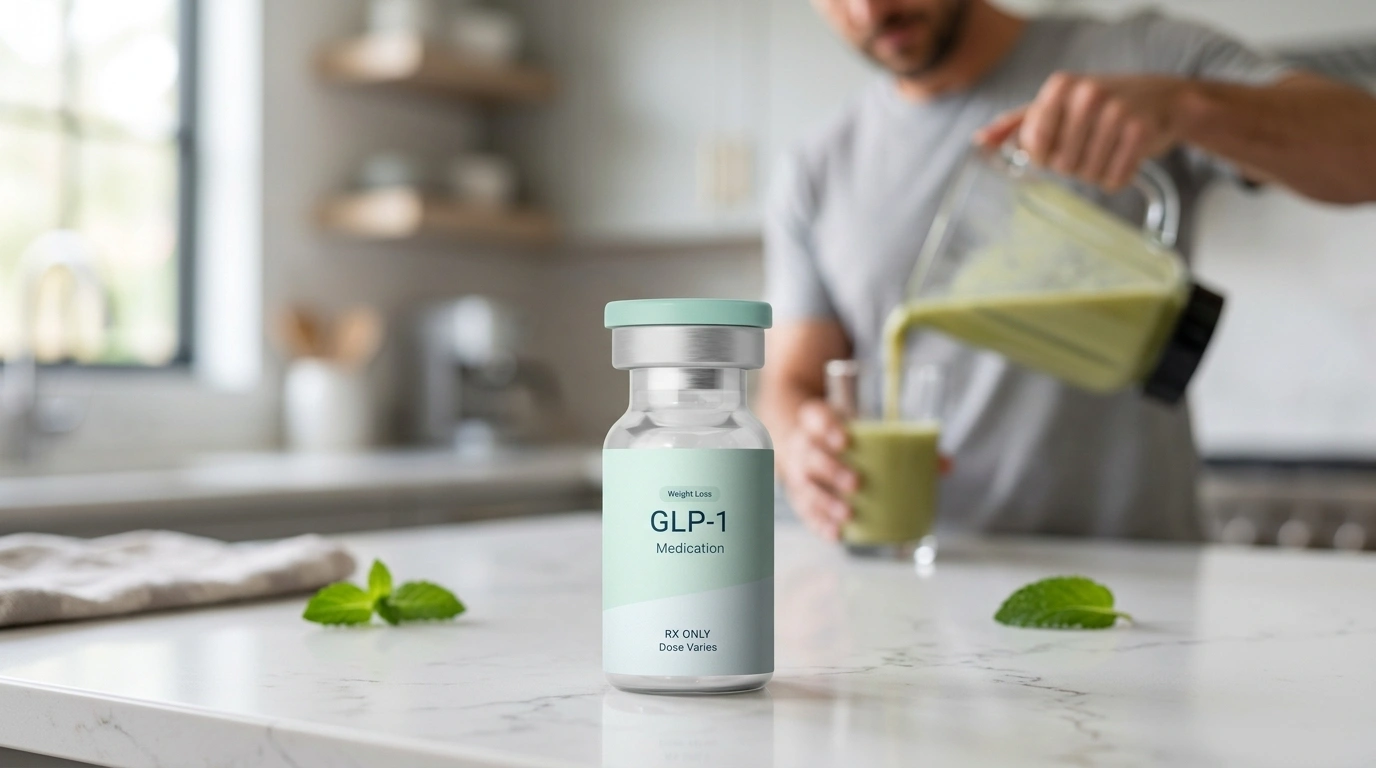
Starting a weight loss journey often involves wishing for a lower appetite, but it can be startling when that wish becomes a reality so intense that you feel like you can’t eat at all. If you are finding it difficult to finish a small meal or even think about food without feeling overwhelmed, you are not alone. This experience is a common hurdle for many people using GLP-1 medications to manage their weight. At TrimRx, we understand that while suppressing hunger is the goal, maintaining proper nutrition is essential for your energy, muscle health, and long-term success. This article will explain why this extreme fullness happens, how to identify when it becomes a safety concern, and practical ways to nourish your body when your appetite seems to have vanished. Our goal is to help you navigate these physiological changes so you can achieve sustainable results without compromising your well-being.
Quick Answer: If you find that you can’t eat on Wegovy®, it is usually because the medication has significantly slowed your digestion and heightened your brain’s fullness signals. While some appetite suppression is expected, a total inability to eat or drink requires a consultation with a licensed healthcare provider to adjust your dosage or management plan. If you are considering prescription treatment, you can complete a free eligibility assessment.
Why You Feel Like You Can’t Eat on Wegovy
To understand why your appetite has shifted so dramatically, it helps to look at how the medication interacts with your body. Wegovy® (semaglutide) is a GLP-1 receptor agonist. GLP-1, or glucagon-like peptide-1, is a hormone your body naturally produces in the gut after you eat. It tells your brain you are full and tells your stomach to slow down.
The medication provides a more potent and longer-lasting version of this signal. For many, this is a relief because it silences “food noise”—those constant intrusive thoughts about eating. However, when the signal is very strong, it can lead to a feeling of “profound satiety,” where even a few bites of food make you feel as though you have just finished a massive holiday feast.
The Role of Gastric Emptying
One of the primary ways this medication works is by slowing gastric emptying. This is the process by which food moves from your stomach into your small intestine. When this process slows down, food stays in your stomach for a much longer period. For a related explanation, read this guide to how GLP-1 medications affect digestion and gastric emptying.
If your stomach is still holding onto your last meal, your body will naturally resist taking in more. This is why many people report that they simply “can’t eat” several hours after a previous small snack. It is not just a mental lack of hunger; it is a physical reality of a full digestive tract.
The Brain-Gut Connection
Beyond the physical fullness in the stomach, the medication acts on the hypothalamus, the part of the brain that regulates hunger and thirst. By mimicking natural hormones, the medication can lower the “set point” for hunger. For some individuals, especially those just starting treatment or increasing their dose, the brain’s hunger signals may become so quiet that they simply forget to eat or find the idea of food unappealing.
Distinguishing Between Fullness and a Problem
It is important to differentiate between the intended effect of the medication and a side effect that needs medical attention. The goal of a weight loss program is to create a calorie deficit, but your body still requires essential nutrients to function.
Normal Satiety:
- You feel satisfied with much smaller portions than before.
- You no longer feel the urge to snack between meals.
- You can still eat small, nutrient-dense meals throughout the day.
- You have enough energy to go about your daily activities.
Concerning Appetite Loss:
- You feel physically repulsed by the thought of any food.
- You are unable to keep even small amounts of water or crackers down.
- You feel weak, dizzy, or lightheaded throughout the day.
- You are losing weight at a rate that feels dangerously fast or causes physical exhaustion.
Key Takeaway: While decreased hunger is the intended mechanism of GLP-1 medications, a total inability to consume calories or fluids is a side effect that should be managed under the guidance of a licensed healthcare provider.
Warning Signs: When to Contact a Provider
Because these medications significantly change how your body processes nutrients and fluids, there are specific “red flags” you should watch for. If you find that you truly can’t eat or drink, your risk of dehydration and malnutrition increases. You can also review this guide to semaglutide side effects and management for related information.
Seek medical advice if you experience:
- Persistent Vomiting: If you cannot keep liquids down for more than 24 hours, you are at high risk for dehydration.
- Severe Abdominal Pain: While mild bloating is common, sharp or persistent pain that radiates to your back can be a sign of more serious issues like pancreatitis.
- Signs of Dehydration: This includes dark-colored urine, extreme thirst (even if you feel you can’t drink), confusion, or a significant decrease in how often you urinate.
- Extreme Fatigue: If you lack the energy to walk across a room or perform basic tasks, your body may not be getting the fuel it needs to maintain basic functions.
Licensed providers often recommend a “low and slow” approach to dosing to help your body adjust. If your current dose makes eating impossible, a provider may suggest staying at a lower dose for a longer period or adjusting the timing of your doses.
Practical Strategies for Nourishing Your Body
When your natural hunger cues are absent, you have to transition from “eating when hungry” to “eating for fuel.” This requires a shift in mindset and a more structured approach to your daily routine. We emphasize a personalized approach to weight loss that prioritizes your comfort as much as your results. For additional ideas, see how to get the most out of GLP-1 treatment.
Step 1: Follow a Schedule
Do not wait for hunger to strike. If you wait until you feel hungry, you might go the entire day without eating, which can lead to low blood sugar and fatigue. Instead, set an alarm on your phone for every three to four hours. When the alarm goes off, aim to eat a small, nutrient-dense snack or mini-meal.
Step 2: Prioritize Protein
When you are eating very little, every bite must count. Protein is the most important macronutrient to focus on because it helps preserve your muscle mass while you lose fat. If you lose weight too quickly without enough protein, your body may break down muscle for energy, which can slow your metabolism in the long run.
Step 3: Utilize Liquid Nutrition
If solid food feels too heavy or unappealing, liquids are often easier to manage. High-quality protein shakes, bone broths, or Greek yogurt smoothies can provide the calories and nutrients you need without the “heavy” feeling of a solid meal.
Step 4: Eat Slowly and Mindfully
Because gastric emptying is slow, eating too fast can cause immediate discomfort. Take small bites, chew thoroughly, and give your body time to register the food. Many people find that using a smaller plate or even a saucer helps make the portions feel less intimidating.
Managing the “Bland” Phase
If you are experiencing nausea alongside your lack of appetite, sticking to “safe” foods can help you maintain your intake until the side effects subside. This is often referred to as a bland diet or the BRAT diet (Bananas, Rice, Applesauce, Toast). You can also review what to eat when using weight loss injections for more nutrition ideas.
Safe Food Staples:
- Lean Proteins: Boiled chicken breast, turkey slices, or tofu.
- Soft Foods: Scrambled eggs, cottage cheese, or low-fat yogurt.
- Simple Carbohydrates: Saltine crackers, plain white rice, or toast.
- Hydrating Fruits: Watermelon or melon (in very small amounts).
Note: Avoid fried, greasy, or highly spicy foods. These take even longer to digest and are highly likely to worsen nausea and the feeling that you “can’t eat.”
The Critical Importance of Hydration
When you don’t feel like eating, you often don’t feel like drinking, either. However, dehydration is one of the most common reasons people end up needing medical intervention while on GLP-1 medications. Water is essential for every metabolic process in your body, including the breakdown of fat.
Aim for at least 64 ounces of fluid daily. If plain water is unappealing, try:
- Herbal Teas: Peppermint or ginger tea can also help soothe an upset stomach.
- Electrolyte Drinks: Look for low-sugar options to help maintain your mineral balance.
- Infused Water: Adding a slice of lemon or cucumber can make hydration feel less like a chore.
Action Plan for Better Hydration:
- Carry a reusable water bottle with you at all times.
- Take small sips throughout the day rather than trying to gulp down a whole glass at once.
- Avoid carbonated beverages if you feel bloated, as the gas can increase stomach pressure.
For more hydration ideas, read about water, hydration, and metabolic health.
Why “Not Eating” Can Stall Your Progress
It might seem counterintuitive, but barely eating can actually hinder your weight loss goals. While a calorie deficit is necessary, an extreme deficit can trigger your body’s “starvation response.”
Myth: The less I eat, the faster I will reach my goal.
Fact: Extreme calorie restriction can lead to significant muscle loss, which lowers your resting metabolic rate. This makes it harder to maintain weight loss in the future.
When you don’t eat enough, your body becomes very efficient at holding onto energy. Furthermore, chronic under-eating leads to “malnutrition-induced fatigue,” which makes it impossible to stay active or exercise. The most successful weight loss journeys are those where the individual finds a “sweet spot”—eating enough to fuel the body and preserve muscle, while still remaining in a controlled deficit.
Comparison: Managing Intake on Different Medications
While Wegovy® is a well-known option, there are various GLP-1 and GLP-1 + GIP medications that may affect appetite differently. For example, some people find the appetite suppression on tirzepatide (the active ingredient in Mounjaro® and Zepbound®) to be different than that of semaglutide.
| Feature | Semaglutide (Wegovy®) | Tirzepatide (Zepbound®) |
|---|---|---|
| Class | GLP-1 Receptor Agonist | GLP-1 + GIP Receptor Agonist |
| Appetite Effect | Strong suppression, slower digestion | Dual-hormone action, potent satiety |
| Digestive Speed | Significantly slowed | Significantly slowed |
| Common Sensation | Feeling “stuffed” or “full” | Reduced “food noise” and hunger |
Regardless of the specific medication, the management strategies remain the same: prioritize protein, stay hydrated, and communicate with your care team. If you are exploring whether a personalized program may be appropriate, you can start the assessment process.
How Personalized Programs Help
At TrimRx, we believe that medication is just one piece of the puzzle. A truly effective weight loss journey requires a program that adapts to how your body is responding. Our telehealth-based platform connects you with licensed providers who can evaluate your progress and help you manage these transitions.
Whether it is your first week or your fourth month, having access to a team that understands the nuances of GLP-1 therapy can make all the difference. We provide a path to compounded semaglutide or compounded tirzepatide, which are prepared by FDA-registered, inspected compounding pharmacies. These programs are designed to be comprehensive, including the provider consultation and ongoing support to ensure you aren’t just losing weight, but doing so in a way that feels healthy and manageable.
Success Strategies for Social Situations
One of the hardest parts of “not being able to eat” is navigating social life. Dinners with friends or family gatherings can become stressful when you know you can only manage a few bites.
- Be Proactive: If you’re going to a restaurant, check the menu ahead of time for light, protein-forward options like appetizers or side dishes.
- The “Small Plate” Strategy: Order an appetizer as your main meal. This feels less overwhelming and is often the perfect portion size.
- Focus on the Company: Remind yourself that social events are about the people, not just the food. If someone asks why you aren’t eating much, a simple “I had a late lunch” or “I’m just not very hungry today” is usually enough.
- Don’t Force It: Forcing yourself to eat a large meal to “be polite” will almost certainly result in physical discomfort later. Honor your body’s signals.
Bottom Line: Listen to Your Body
The feeling that you can’t eat on Wegovy® is usually a sign that the medication is working, but it can also be a signal that your body needs a different approach to nutrition. By shifting to smaller, scheduled, protein-rich meals and staying vigilant about hydration, you can manage this phase of your journey effectively.
“Weight loss is not about deprivation; it is about finding a new, healthier balance for your body’s unique needs.”
Our mission at TrimRx is to provide the clinical expertise and empathetic support you need to navigate these changes. We are here to help you move past the frustrations of the past and into a sustainable, science-backed future.
If you are ready to see if a personalized, medically supervised program is right for you, the first step is simple. You can take the free assessment quiz to share your health goals and history with a licensed provider who can help determine the best path forward for your metabolic health.
FAQ
Why do I feel nauseous when I try to eat on Wegovy?
Nausea often occurs because the medication slows down your digestion, causing food to stay in your stomach longer than usual. When you add more food to an already full stomach, it can trigger a feeling of sickness or indigestion. Sticking to smaller, bland portions and eating slowly can help minimize this sensation. For more context, review this semaglutide nausea and side-effect guide.
Is it dangerous to not eat for a day while on this medication?
While skipping a meal occasionally isn’t usually a crisis, consistently failing to eat can lead to dehydration, muscle loss, and severe fatigue. Your body needs a minimum amount of protein and micronutrients to maintain vital functions. If you find you cannot eat anything for more than 24 hours, you should contact your healthcare provider immediately.
Will my appetite ever come back?
Most people find that their bodies eventually adjust to the medication, and the initial “total loss of appetite” settles into a more manageable level of reduced hunger. As you stay on a consistent dose, the intensity of the side effects often diminishes, allowing you to establish a healthy, sustainable eating pattern.
Can I drink protein shakes if I can’t face solid food?
Yes, protein shakes are an excellent way to get necessary nutrients when solid food feels too heavy. Look for shakes that are high in protein and low in added sugars. Sipping a shake slowly throughout the morning or afternoon can provide consistent fuel without overwhelming your digestive system. If you are still deciding whether prescription treatment is right for you, you can complete a free assessment.
TrimRX does not practice medicine or prescribe medications. Compounded medications are not FDA-approved and are not evaluated by the FDA for safety or efficacy. Results vary by individual and are not guaranteed.
Disclaimer: This content is for informational purposes only and does not constitute medical advice. It is not intended to diagnose, treat, cure, or prevent any disease or condition. Individual results may vary. Always consult a qualified healthcare professional before starting any weight loss program or medication.

Transforming Lives, One Step at a Time
Keep reading

Is It Normal to Have Stomach Cramps on Wegovy?
Crampy, uncomfortable feelings in your belly, often with gas, constipation, or loose stools, are something many people on Wegovy or compounded semaglutide notice, especially…

Is It Normal for a Wegovy Injection Site to Itch?
A small red patch, a slightly raised spot, or an itch that shows up a few hours or a day after your injection is…
Is It Normal to Have Brain Fog on Wegovy?
Losing your train of thought mid-sentence, rereading the same email three times, or feeling like your head is wrapped in cotton wool: brain fog…


