Losing Weight Before Pregnancy: How GLP-1 Can Improve Fertility
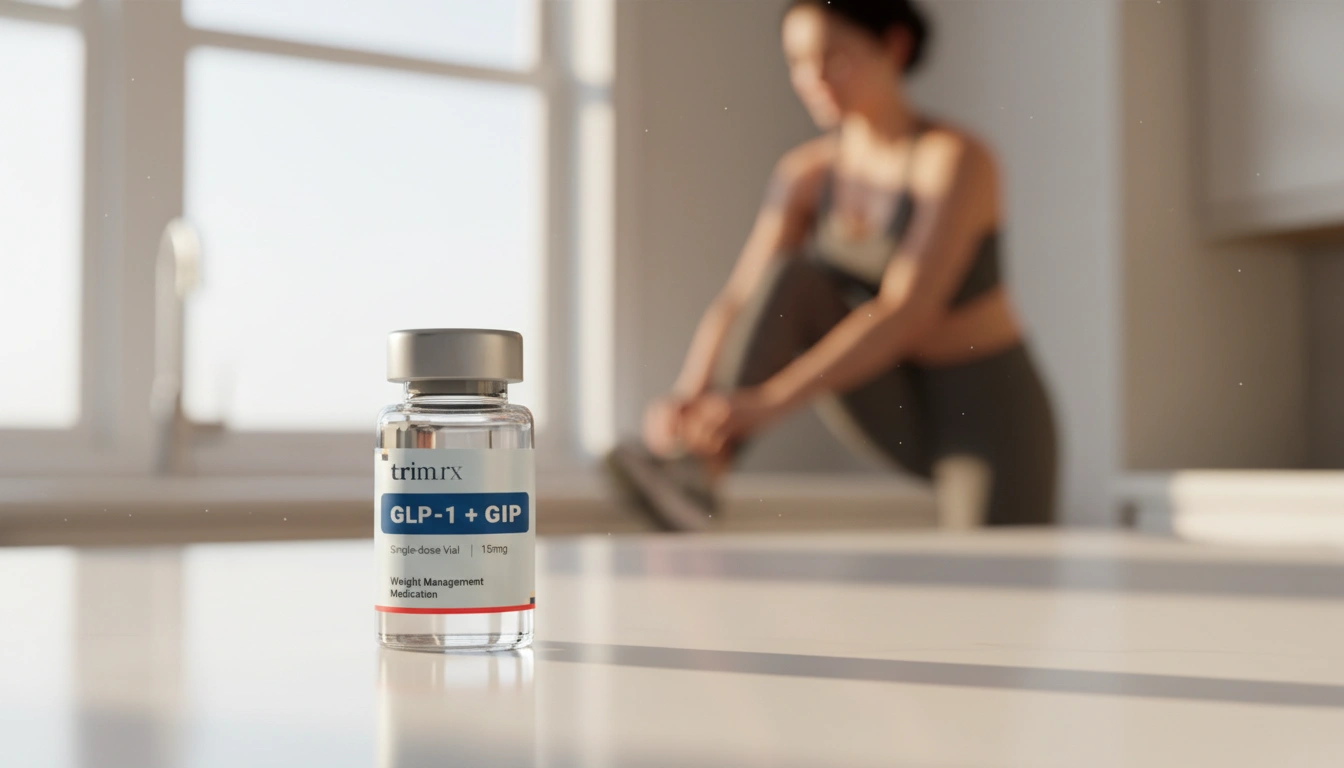
Weight and fertility are more connected than most people realize. If you’re planning a pregnancy and carrying extra weight, your doctor may have mentioned that losing even a modest amount beforehand could improve your chances of conceiving. GLP-1 medications like semaglutide and tirzepatide have become a legitimate tool for that pre-pregnancy window, but the timing and approach matter. Here’s what you need to know before you start.
Why Weight Affects Fertility
Excess weight doesn’t just affect how you feel. It directly influences the hormonal environment your body needs to ovulate, conceive, and sustain a pregnancy.
Fat tissue, particularly visceral fat around the abdomen, produces estrogen. When there’s too much of it, the body’s estrogen balance gets disrupted, which can interfere with the hypothalamic-pituitary-ovarian axis, the feedback loop that regulates your menstrual cycle. The result is often irregular or absent ovulation, which makes conception harder regardless of other factors.
Insulin resistance is another piece of this. Many people carrying excess weight develop some degree of insulin resistance, even without a formal diabetes diagnosis. Elevated insulin levels can increase androgen production in the ovaries, disrupting follicle development and ovulation. This is the same mechanism that drives reproductive dysfunction in PCOS, a condition strongly linked to both excess weight and infertility.
The research backs this up. A study published in Human Reproduction found that obesity is associated with a significantly longer time to pregnancy, higher rates of anovulation, and reduced success with fertility treatments including IVF.
Losing weight before trying to conceive isn’t just about hitting a number on the scale. It’s about restoring the hormonal conditions your body needs to ovulate consistently and support early pregnancy.
How GLP-1 Medications Support Pre-Pregnancy Weight Loss
GLP-1 receptor agonists work by mimicking a gut hormone that regulates appetite, slows gastric emptying, and improves insulin sensitivity. For people trying to lose weight before pregnancy, these mechanisms are directly relevant.
By improving insulin sensitivity, semaglutide and tirzepatide address one of the core drivers of ovulatory dysfunction. By reducing appetite and supporting meaningful weight loss, they help shift the hormonal environment toward one that’s more conducive to conception.
Consider this scenario: a patient in her early 30s with a BMI of 36 and irregular cycles has been trying to conceive for over a year. After six months on compounded semaglutide, she loses 18 pounds, her cycles regulate, and she conceives naturally within two months of completing treatment. That’s not a guaranteed outcome, but it reflects the kind of trajectory that’s clinically plausible when weight loss restores ovulatory function.
For women with PCOS specifically, the evidence is particularly encouraging. GLP-1 medications have been shown to reduce androgen levels, improve cycle regularity, and lower fasting insulin, all of which support fertility. If you’re navigating both PCOS and a pregnancy goal, GLP-1 for PCOS covers the options in more detail.
The Critical Timing Question: When to Stop
This is where the conversation gets important. GLP-1 medications are not approved for use during pregnancy, and current guidance recommends stopping them before you start trying to conceive.
For semaglutide, the standard recommendation is to discontinue at least two months before attempting pregnancy. This accounts for the drug’s half-life and allows time for it to clear your system. Tirzepatide guidance is similar. Your prescribing provider will give you specific instructions based on your medication and dose.
The reasoning is precautionary. There isn’t robust human data on the effects of these medications during early fetal development, and animal studies have shown some adverse outcomes at high doses. Until more safety data exists, the conservative approach is to stop well before conception.
This doesn’t mean GLP-1 treatment is incompatible with a pregnancy goal. It means the strategy is to use it during the pre-conception window, achieve meaningful weight loss, and then transition off before trying. The weight loss and metabolic improvements you make during treatment can persist beyond it, particularly if you’ve built supportive habits alongside the medication.
For a fuller picture of what to expect after stopping, what happens when you stop taking semaglutide walks through the typical transition in detail.
How Much Weight Loss Actually Helps
You don’t need to reach an “ideal” weight before conceiving. Research consistently shows that even a 5 to 10 percent reduction in body weight can meaningfully improve ovulatory function and pregnancy rates in women with obesity-related infertility.
For someone weighing 220 pounds, that’s 11 to 22 pounds. That’s an achievable target within a 3-to-6-month treatment window for most people on GLP-1 therapy, particularly at therapeutic doses.
The goal isn’t perfection. It’s creating enough metabolic improvement that your body can support conception and early pregnancy more reliably. A lower starting BMI also reduces risk during pregnancy itself, including gestational diabetes, hypertension, preeclampsia, and C-section rates.
Working With Your Provider on the Plan
If you’re considering GLP-1 medications as part of your pre-pregnancy preparation, a few things are worth discussing with your provider:
Your timeline. How far out are you from actively trying to conceive? You need enough runway to lose meaningful weight and still stop the medication at least two months before you start trying. A 6-to-12-month window is generally workable.
Your current cycle status. If your cycles are already irregular, tracking whether they normalize during treatment gives you useful information about how your body is responding.
Your fertility workup. Weight is one factor in fertility, but not the only one. If you’ve been trying to conceive for a while without success, a full evaluation makes sense regardless of where you are with weight loss.
Your transition plan. What happens when you stop the medication? Building sustainable eating habits during treatment, rather than relying solely on appetite suppression, gives you the best chance of maintaining results. Building lasting habits after stopping GLP-1 medications offers a practical framework for this.
What This Looks Like in Practice
The pre-pregnancy use case for GLP-1 medications is one of the more compelling applications of this class of drugs. You’re not using them indefinitely. You’re using them for a defined period, with a clear goal, and then transitioning off at the right time.
For women who have struggled with weight-related cycle irregularity, failed ovulation induction, or PCOS-driven infertility, the ability to meaningfully shift their hormonal environment in a matter of months is significant. It doesn’t replace fertility treatment when that’s needed, but it can change the conditions under which conception is attempted.
If you’re in that pre-pregnancy planning window and want to explore whether GLP-1 treatment is right for your situation, start your assessment here.
This information is for educational purposes and is not medical advice. Consult with a healthcare provider before starting any medication. Individual results may vary.

Transforming Lives, One Step at a Time
Keep reading

Construction Work in Summer on a GLP-1
Summer on a job site means early starts, heavy physical work, direct sun or hot interiors, and lunch from a cooler or the back…

Colonoscopy Prep on a GLP-1
If you are on a GLP-1 and have a colonoscopy, upper endoscopy, or any procedure with sedation coming up, the single most important step…

Clergy and Community Meals on a GLP-1
For pastors, priests, rabbis, imams, chaplains, and other community leaders, food is part of the work. Potlucks, fellowship dinners, holiday meals, funeral receptions, and…


