What to Do When Your Doctor Won’t Prescribe Ozempic
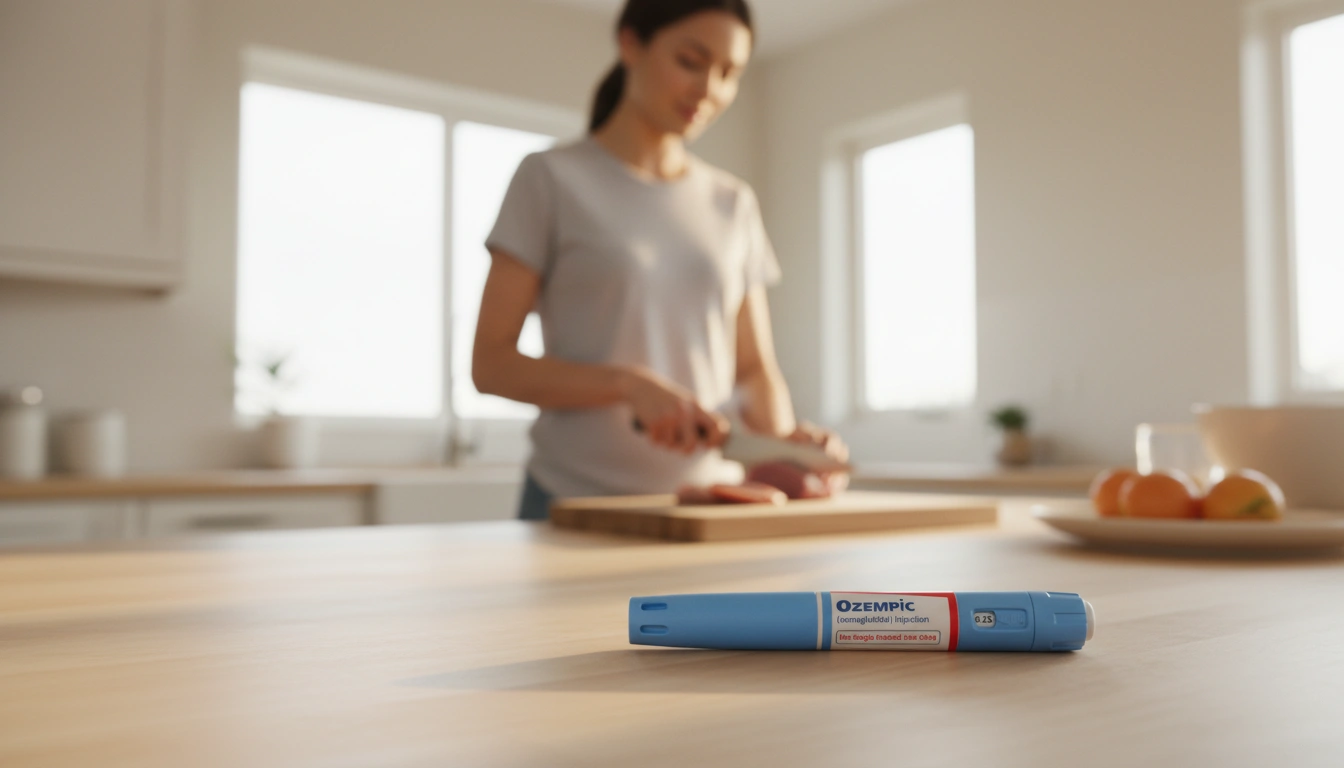
You’ve done the research, you meet the clinical criteria, and you’ve brought it up with your doctor, only to be told no. It’s a situation more people are running into than you might expect, and it’s genuinely frustrating when you feel like you’ve identified a treatment that could help and a gatekeeper is standing between you and it. The good news is that a doctor’s refusal isn’t the end of the road. Understanding why it happens and what your options are makes the path forward much clearer.
Why Doctors Hesitate to Prescribe Ozempic for Weight Loss
Before assuming the refusal is arbitrary, it’s worth understanding the most common reasons behind it. Some are legitimate clinical concerns. Others reflect outdated thinking or practical constraints that can be worked around.
Prescribing outside their comfort zone. Not every primary care provider is comfortable prescribing GLP-1 medications for weight loss, particularly if they trained before these medications became prominent or if they haven’t kept up with the clinical evidence. Some doctors genuinely aren’t familiar enough with semaglutide dosing, monitoring, and side effect management to feel confident prescribing it.
Concern about off-label use. Ozempic is FDA-approved for type 2 diabetes. Using it for weight loss in a patient without diabetes is technically off-label, even though it’s clinically common and well-supported by evidence. Some providers are uncomfortable with off-label prescribing regardless of the evidence base.
Shortage concerns. During periods of Ozempic shortage, some providers have been reluctant to add new weight loss patients to their prescribing volume out of concern for patients with diabetes who depend on the medication.
Patient-specific clinical hesitation. Your doctor may have a specific concern about your health history, current medications, or a condition that they feel warrants caution. This is worth understanding directly, because a legitimate clinical concern deserves a direct conversation rather than a workaround.
Personal bias about obesity treatment. Some providers still hold outdated views about obesity as a behavioral issue rather than a medical one, and approach weight loss medication requests with skepticism they wouldn’t apply to other chronic disease treatments. This is less common than it used to be but it still exists.
Start With a Direct Conversation
If your doctor said no without a clear explanation, ask for one. “I’d like to understand your reasoning” is a reasonable request, and the answer will tell you a lot about whether this is a fixable situation or whether you need to look elsewhere.
If the concern is clinical, engage with it. Ask what specific health factors are driving the hesitation and whether there’s additional information or testing that would address the concern. Sometimes a provider who is hesitant will come around with more information or after reviewing updated guidelines.
If the concern is unfamiliarity with the medication, you can ask for a referral to someone with more experience prescribing GLP-1 medications, such as an endocrinologist or a weight management specialist. Framing it as wanting specialized expertise rather than going around your doctor tends to go over better.
Ask for a Referral to a Weight Management Specialist
Endocrinologists and obesity medicine specialists are generally more comfortable prescribing GLP-1 medications than general practitioners, and they’re more likely to be current on the evidence base. If your primary care provider won’t prescribe Ozempic directly, asking for a referral to a specialist is a legitimate next step that keeps your care coordinated.
Obesity medicine is a board-certified specialty, and providers with that certification have specific training in pharmacological weight management. Finding one in your area or via telehealth is increasingly straightforward.
Get a Second Opinion
You’re entitled to a second opinion from another provider, and doing so doesn’t require telling your current doctor or getting their blessing. If you believe you meet the clinical criteria for GLP-1 treatment and your doctor disagrees, another provider may assess the situation differently.
A second opinion is particularly worth pursuing if your current doctor’s refusal seemed based on personal opinion rather than a specific clinical concern about your health history.
Use Telehealth
This is the most direct and practical option for many people. Telehealth platforms that specialize in weight management can connect you with licensed providers who are specifically experienced in evaluating patients for GLP-1 therapy. The intake process is designed around this exact question, and providers on these platforms are neither unfamiliar with the medications nor philosophically opposed to prescribing them.
TrimRx operates exactly this way. You complete a medical intake, a licensed provider reviews your history and health information, and if you’re a clinical candidate, a prescription is issued and medication is delivered to your home. The process is straightforward, and you don’t need a referral or your current doctor’s involvement.
How to get Ozempic without a doctor visit explains how the telehealth prescription model works in more detail, and it’s worth reading if this route is new to you.
Understand What You Actually Qualify For
Sometimes a doctor’s refusal reflects a genuine mismatch between what you’re asking for and what you clinically qualify for under standard criteria. The standard eligibility thresholds for GLP-1 weight loss treatment are a BMI of 30 or above, or a BMI of 27 or above with at least one weight-related comorbidity such as hypertension, prediabetes, sleep apnea, or high cholesterol.
If you fall below those thresholds, the refusal may be clinically appropriate even if it’s frustrating. Can you take Ozempic with a BMI under 30 addresses this specific situation and what options exist if you’re near but below the standard threshold.
If you clearly meet the criteria and are still being refused, that’s a different situation and the options above apply fully.
Consider Compounded Semaglutide
If accessing brand-name Ozempic is proving difficult due to prescriber reluctance combined with insurance hurdles, compounded semaglutide through a telehealth provider is a practical alternative. It contains the same active ingredient, is prescribed by a licensed provider, and is available at significantly lower cash pay prices than brand-name options.
For people who have hit walls with their primary care provider and their insurance simultaneously, the telehealth plus compounded medication route effectively bypasses both barriers at once. You get a provider who is experienced with GLP-1 therapy and a medication that’s accessible without navigating the brand-name prescription and insurance approval process.
Compounded semaglutide vs Wegovy explains what compounded semaglutide is and how it compares to the brand-name version so you can make an informed decision.
One Thing Worth Keeping in Mind
If your doctor raised a specific clinical concern about your health history and GLP-1 medications, take that seriously before pursuing other routes. There are legitimate contraindications for semaglutide and tirzepatide, including a personal or family history of medullary thyroid carcinoma or multiple endocrine neoplasia syndrome type 2. A telehealth provider will screen for these as well, but going in with an understanding of why your current doctor had concerns helps you have a more complete conversation with any new provider.
The goal is finding a provider who is both willing and qualified to prescribe appropriately for your situation, not just finding someone who will say yes without proper evaluation. Telehealth providers that operate responsibly do both.
If you’re ready to find out whether you’re a candidate for GLP-1 treatment, start your assessment at TrimRx here.
This information is for educational purposes and is not medical advice. Consult with a healthcare provider before starting any medication. Individual results may vary.

Transforming Lives, One Step at a Time
Keep reading

Can You Sunbathe With an Injection Site Bruise on Ozempic?
You can, and the better answer is to cover that specific spot. Ultraviolet light on skin that is actively healing can trigger post-inflammatory hyperpigmentation,…

Can You Swim Right After Injecting Ozempic?
Essentially yes. Once the needle is out and you have held it in place for the recommended few seconds, the medication is in your…

Can You Take Ozempic While Recovering From Surgery?
The timing of restarting is a decision for your surgical team, and it is worth asking before you leave rather than working it out…


