How to Store Compounded Semaglutide or Tirzepatide at Home
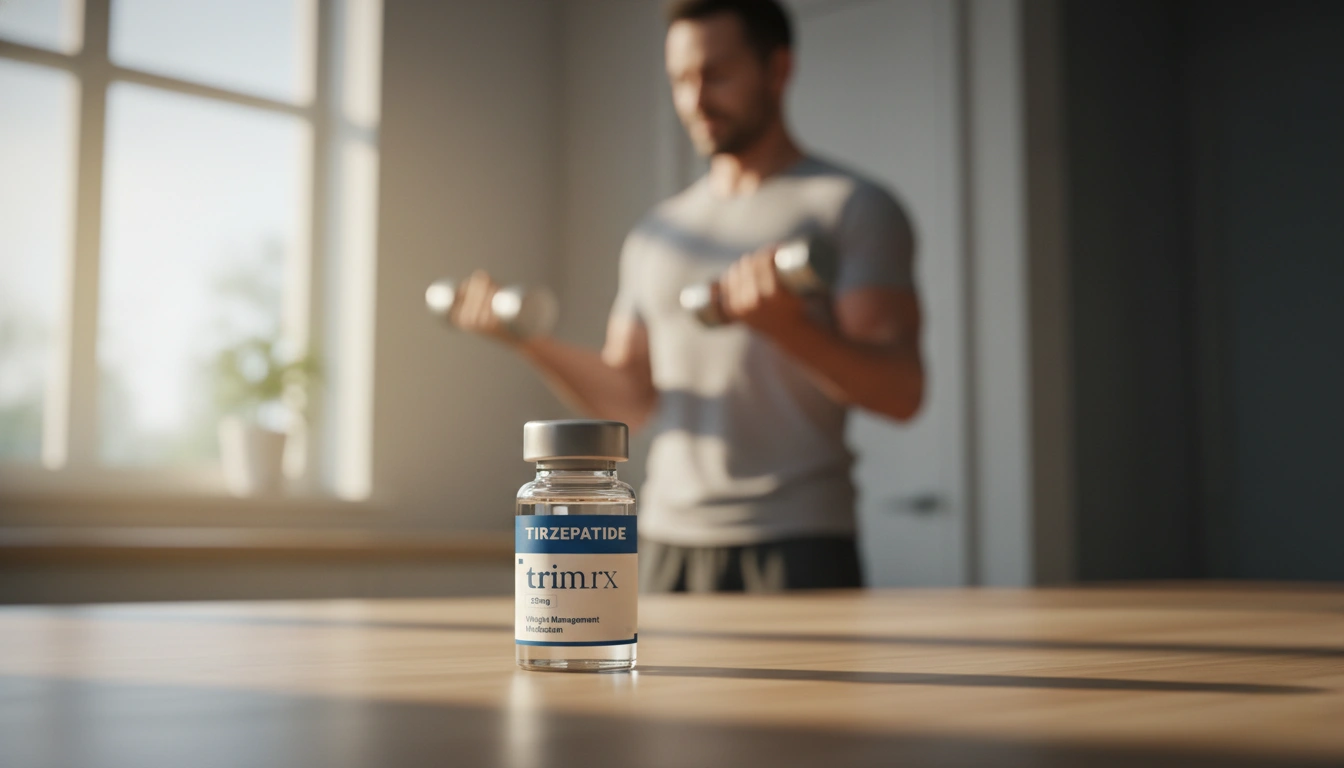
Your medication arrives in an insulated box with cold packs. Now what? Storage is one of those topics that sounds straightforward until you have a question at 10pm and aren’t sure whether your vial that sat out for three hours is still usable. Getting this right matters because GLP-1 medications are proteins, and proteins degrade when exposed to the wrong conditions. A degraded medication doesn’t just lose potency. It can become ineffective at the dose you’re expecting, which affects your results without you necessarily knowing why.
Here’s everything you need to know about storing compounded semaglutide and tirzepatide at home, including what to do when things don’t go according to plan.
The Baseline Rule: Refrigerate Your Medication
Both compounded semaglutide and compounded tirzepatide should be stored in the refrigerator at a temperature between 36 and 46 degrees Fahrenheit, or 2 to 8 degrees Celsius. This is the standard storage condition for injectable peptide medications and applies whether your medication comes in a vial or a pen device.
When you put your medication in the refrigerator, placement matters more than most people realize. The door of the refrigerator experiences more temperature fluctuation than the interior shelves because it opens and closes repeatedly throughout the day. Store your vial or pen on an interior shelf, ideally toward the back where temperatures are most stable.
Keep your medication away from the freezer compartment. Even brief exposure to freezing temperatures can damage the protein structure of semaglutide or tirzepatide, and a frozen-then-thawed vial should not be used. If your refrigerator has a freezer drawer at the bottom, store your medication on a middle or upper shelf rather than on the lowest shelf closest to that compartment.
Protecting Your Medication From Light
Both semaglutide and tirzepatide are light-sensitive. Prolonged exposure to direct light, particularly sunlight or strong artificial light, can degrade the medication. Keep your vial or pen in its original packaging or a protective case when not in use, and don’t leave it sitting out on a counter near a window.
When you’re drawing up a dose from a vial, brief exposure to normal indoor lighting is not a concern. The issue is sustained exposure over time, not the few seconds your vial spends outside the box during an injection.
Room Temperature: How Long Is Too Long?
This is the question patients ask most often, usually because they’ve left their medication out and aren’t sure what to do.
Compounded semaglutide and tirzepatide can generally tolerate room temperature, defined as up to about 77 degrees Fahrenheit or 25 degrees Celsius, for a limited period. Most compounding pharmacies specify a window of up to 14 days at room temperature for vials, though this varies by formulation and you should follow the specific guidance provided with your medication rather than a general rule.
If your vial has been out at room temperature for a few hours on a normal day, it is very likely fine. If it has been out for longer than the timeframe specified in your medication’s storage instructions, or if it was exposed to heat above 77 degrees, contact your provider or pharmacy before using it.
When in doubt, err on the side of caution. The cost of replacing a compromised vial is less significant than the cost of injecting degraded medication and not understanding why your results have changed. How to Track Your Progress on Semaglutide or Tirzepatide is a useful companion resource for monitoring whether your treatment is performing as expected over time.
What to Do When Your Shipment Arrives
When your medication arrives, check the packaging before putting anything away. A few things to look for:
The cold packs should still be cool or cold, though they don’t need to still be frozen solid. If the packs are completely warm and the insulated box feels like it has been at room temperature for some time, that’s worth noting. Most providers include instructions for what to do if you’re concerned about shipping temperature, and contacting your pharmacy or provider is the right move if you have doubts.
Inspect the vial or pen itself. The solution should be clear and colorless or very slightly yellow. If you see any cloudiness, discoloration, particles floating in the solution, or anything that looks unusual, don’t use it. Contact your pharmacy for a replacement.
Check the label to confirm the medication name, concentration, and expiration date match what you ordered and that the expiration date has not passed.
Traveling With Your Medication
GLP-1 medications require a bit more planning when you travel, but they’re manageable. For short trips of a day or two, an insulated travel case with a small ice pack is sufficient to keep your medication at appropriate temperatures. For longer trips, you’ll need a plan for refrigeration at your destination.
Flying with compounded semaglutide or tirzepatide is permitted. Injectable medications and the supplies needed to use them, including syringes, are allowed through airport security. Keeping your medication in your carry-on rather than checked luggage is strongly recommended since baggage hold temperatures are unpredictable and your bag is less likely to be lost or delayed.
For detailed guidance on managing your medication during travel, GLP-1 and Travel covers the logistics of traveling with injectable GLP-1 medications across a range of scenarios.
Handling Syringes and Supplies
If your medication comes in a vial, you’ll be using insulin syringes to draw up and inject each dose. A few storage and handling points for supplies:
Keep syringes in a clean, dry location away from direct light and heat. They don’t require refrigeration. Use a new syringe for every injection. Never reuse a syringe, both for sterility reasons and because the needle tip degrades after a single use and a dulled needle makes injections more uncomfortable.
Used syringes should be disposed of in a sharps container. Many pharmacies sell small personal sharps containers, and most communities have sharps disposal programs or drop-off locations. Needles should never go directly into household trash or recycling.
Expiration Dates and Multi-Dose Vials
Multi-dose vials have two relevant dates: the manufacturer or pharmacy expiration date printed on the label, and the in-use expiration, which is typically a shorter window that starts from the first time you puncture the vial with a needle.
Your pharmacy will specify the in-use expiration for your vial, which is commonly 28 to 30 days from first use, though it varies by formulation. Mark the date of first use on your vial with a small piece of tape or a marker so you have a clear reference point.
Don’t use medication past either expiration date. If you have remaining medication in a vial that has reached its in-use expiration, discard it and contact your provider or pharmacy about a replacement.
When Something Seems Off
If your medication looks different than it did when you first opened it, if it seems less effective than it has been at a dose that previously worked well, or if you have any concern about its integrity, contact your pharmacy or telehealth provider directly. Legitimate providers have support lines or messaging systems specifically for these situations.
Research published in the New England Journal of Medicine (Wilding et al., 2021) showed that semaglutide produced average weight loss of nearly 15 percent of body weight over 68 weeks at therapeutic doses. Proper storage is part of what makes those outcomes reproducible. Medication that has been compromised by poor storage conditions won’t perform the way the research says it should, and troubleshooting a plateau is much harder when storage integrity is an unknown variable.
If you’re not yet on treatment and want to understand the full process from consultation through ongoing care, take the intake quiz at TrimRx to find out whether you’re a candidate for compounded semaglutide or tirzepatide.
This information is for educational purposes and is not medical advice. Consult with a healthcare provider before starting any medication. Individual results may vary.

Transforming Lives, One Step at a Time
Keep reading

Starting Tirzepatide While on the Pill: The First Four Weeks
You have your first box and you take an oral contraceptive. There is a labeled instruction that applies to you, and the mistake almost…
Marathon Training on Tirzepatide When You Can’t Fuel
You have a plan on the fridge and a medication that has made eating feel optional. Those two things are in genuine conflict, and…

Paying Cash for Tirzepatide? Don’t Stretch Your Supply
When every vial comes out of your own pocket, the arithmetic is hard to ignore. If a month’s supply costs what it costs, and…


