Choosing the Right Site: Where Does the Wegovy Shot Go for Best Results?
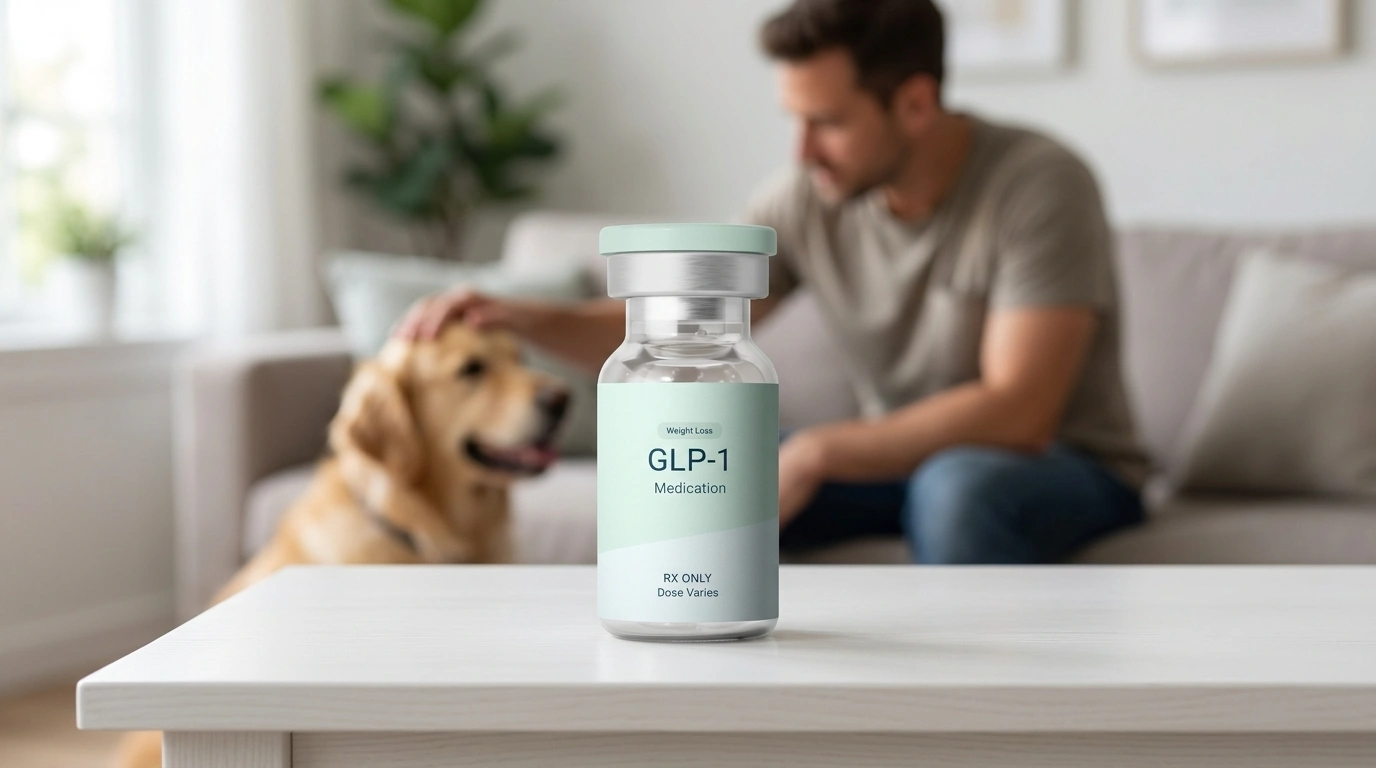
According to recent health data, nearly 42% of adults in the United States are currently navigating the complexities of obesity. This statistic represents millions of individuals seeking a sustainable path toward better health, moving beyond the cycle of fad diets and toward science-backed medical solutions. Among the most significant advancements in recent years is the emergence of GLP-1 receptor agonists, a class of medications that has fundamentally changed how we approach chronic weight management. However, receiving a prescription is only the first step; the physical act of administering a weekly injection can often feel daunting for those new to the process.
Introduction
Standing in front of the mirror with a prefilled pen in hand for the first time can trigger a mix of excitement and apprehension. It is a moment that signifies the start of a transformative health journey, yet it often brings a very practical question to the forefront: where exactly does the medication need to go? Understanding the mechanics of a subcutaneous injection is vital not just for comfort, but for ensuring that the medication is absorbed correctly and works as intended.
The purpose of this guide is to provide a detailed, supportive roadmap for anyone prescribed this medication. We will explore the specific anatomy of injection sites, the step-by-step process of administration, and the safety protocols that ensure a smooth experience. By the end of this article, you will have a comprehensive understanding of the best practices for self-injection, how to manage common side effects, and how to integrate this treatment into a broader, personalized wellness strategy.
We will cover the three primary injection zones—the abdomen, the thigh, and the upper arm—while discussing why site rotation is a non-negotiable part of the process. We will also delve into the science behind how these medications interact with your body and how our team at TrimRx supports your journey through a blend of advanced technology and empathetic care. Whether you are just beginning to research options or you have your medication ready to use, this information is designed to empower you with confidence and clarity.
At TrimRx, our journey began with a shared vision to help individuals embrace healthier lifestyles by merging cutting-edge telehealth innovations with effective weight loss solutions. We believe that sustainable weight loss should be achieved through science, empathy, and a transparent approach. Our platform is a user-friendly and supportive space where individuals receive personalized, medically supervised care—all designed to make sustainable weight loss attainable and tailored to the individual.
Understanding the Subcutaneous Injection
The medication we are discussing, specifically Wegovy® (which is FDA-approved for chronic weight management), is administered via a subcutaneous injection. Unlike intramuscular injections that go deep into the muscle tissue or intravenous injections that go directly into the bloodstream, a subcutaneous injection delivers the medication into the fatty layer of tissue located just beneath the skin and above the muscle.
This layer of fat has few blood vessels, which allows the medication to be absorbed slowly and steadily over the course of a week. This slow release is what makes once-weekly dosing possible. Because the needle used in these prefilled pens is remarkably thin and short, most individuals find the sensation to be much less intense than they initially anticipated.
To see if you are a candidate for our personalized programs, we encourage you to complete our free assessment quiz to determine your eligibility for prescription options like Wegovy®, Ozempic®, or compounded Semaglutide.
The Primary Injection Sites: Where Does the Wegovy Shot Go?
There are three main areas recommended for the administration of this medication. Each site offers a similar level of efficacy, meaning the medication will work just as well regardless of which one you choose, provided the injection is done correctly.
The Abdomen: The Most Common Choice
For many, the stomach or abdomen is the go-to site because it is easily accessible and usually contains a sufficient layer of subcutaneous fat. When using the abdomen, it is important to stay at least two inches away from the belly button (umbilicus).
Advantages of Abdominal Injections
- Visibility: You have a clear line of sight to the pen’s window, which is crucial for verifying that the dose has been fully delivered.
- Ease of Access: Most people can easily reach their abdomen while standing or sitting.
- Surface Area: The abdomen provides a large area, making it easier to rotate the exact spot of the injection each week.
The Upper Thigh: A Stable Option
The front or outer part of the thigh is another excellent choice. This area is particularly useful for individuals who may feel more comfortable sitting down while they administer their dose.
Why Choose the Thigh?
- Stability: If an individual experiences hand tremors or anxiety, the thigh provides a firm, stable surface that can be braced easily.
- Comfort: Some find the skin on the thigh to be less sensitive than the abdomen. It is important to target the “fleshy” part of the leg rather than the bone or the inner thigh, where the skin is thinner.
The Upper Arm: For Caregiver Assistance
The back of the upper arm is the third approved site. While it is possible to self-inject here, it is often the most difficult site to reach on your own while maintaining a view of the pen’s window.
Considerations for Arm Injections
- Caregiver Support: This site is often preferred if a family member or partner is assisting with the injection.
- Rotation Alternative: If the abdomen and thighs are feeling tender or if an individual wants a complete break from those areas, the arm serves as a vital alternative in the rotation cycle.
The Critical Role of Site Rotation
One of the most important habits to develop is rotating your injection site. This does not necessarily mean you have to switch from your stomach to your thigh every week, though you certainly can. Rotation can also happen within the same general area. For example, if you prefer the abdomen, you might move from the upper right quadrant one week to the lower left the next.
Preventing Lipohypertrophy
Repeatedly injecting into the exact same spot can lead to a condition called lipohypertrophy. This involves the accumulation of extra fat or scar tissue under the skin, which can feel like a hard or rubbery lump. Not only can these lumps be uncomfortable, but they can also interfere with how the medication is absorbed, potentially making the treatment less effective.
Managing Skin Sensitivity
By giving each specific spot a rest for several weeks, you allow the skin and underlying tissue to heal completely. This reduces the risk of redness, bruising, or irritation at the injection site. As part of our commitment to your health, we offer Weight Loss Boost as a quick-access supplement to support your overall wellness during this transition.
Step-by-Step Guide to a Successful Injection
Administering your medication should be a calm, methodical process. Following a consistent routine helps ensure safety and minimizes the chance of errors.
1. Preparation and Inspection
Before you even touch the pen, wash your hands thoroughly with soap and water. Retrieve your pen from the refrigerator. Many individuals find that the injection is more comfortable if the medication is allowed to reach room temperature for about 30 to 60 minutes, though the cap must remain on during this time.
Check the medication through the pen’s window. It should be clear and colorless. If it looks cloudy, contains particles, or has changed color, do not use it. Also, verify the expiration date on the label.
2. Sanitizing the Site
Clean your chosen injection site with an alcohol swab or soap and water. Allow the skin to air-dry completely. Do not blow on the skin or fan it with your hands, as this can reintroduce bacteria. Once the area is clean, do not touch it again before injecting.
3. Administering the Dose
Pull the pen cap straight off. For many pens, like the Wegovy® single-use autoinjector, the needle is hidden until the pen is pressed against the skin.
Position the pen so you can see the window clearly. Place the pen flat against your skin at a 90-degree angle. Push the pen down firmly. You will typically hear a “click,” which signals that the injection has started. A yellow bar will begin to move across the window.
4. The Hold and Release
Continue to hold the pen firmly against your skin. You may hear a second “click” or see the yellow bar stop moving. It is standard practice to wait an additional 10 seconds after the bar stops to ensure every drop of the medication has been delivered. Lift the pen straight up. A small drop of blood or a tiny amount of clear liquid at the site is normal and can be blotted with a cotton ball.
5. Proper Disposal
Do not put the used pen in your regular household trash. Place it immediately into an FDA-cleared sharps disposal container. If you do not have one, a heavy-duty plastic container (like a laundry detergent bottle) with a tight-fitting, puncture-resistant lid can serve as a temporary alternative until you can dispose of it at a designated site.
Storage and Handling Protocols
To maintain the efficacy of your medication, proper storage is essential. We partner exclusively with FDA-registered and inspected pharmacies to ensure that the medication you receive is handled with the highest standards of safety before it reaches your door.
- Refrigeration: Store your pens in the refrigerator between 36°F and 46°F (2°C to 8°C). Keep them in the original carton to protect them from light.
- Avoid Freezing: Do not store pens near the cooling element of the fridge. If a pen accidentally freezes, it must be discarded.
- Travel and Room Temp: If necessary, a pen can be kept at room temperature (up to 86°F) for up to 28 days. This is particularly helpful for those who travel frequently.
If you find that you need additional nutritional support while managing your doses, our GLP-1 Daily Support is designed to complement your journey and help maintain your energy levels.
Navigating Potential Side Effects
While the journey toward a healthier weight is rewarding, it is common to encounter some “speed bumps” along the way as your body adjusts to the medication. Most side effects are gastrointestinal in nature and often subside as your body becomes accustomed to the treatment.
Common Side Effects
Many individuals report experiencing nausea, diarrhea, vomiting, or constipation. Headaches, tiredness, and stomach pain are also frequently noted. These symptoms are often most prevalent when first starting the medication or when the dosage is increased.
Mitigating Discomfort
- Hydration: Diarrhea and vomiting can lead to dehydration, which may impact kidney function. It is vital to drink plenty of fluids throughout the day.
- Meal Patterns: Eating smaller, more frequent meals and avoiding high-fat or greasy foods can help reduce nausea.
- Supportive Supplements: Our GLP-1 Daily Support can be a helpful addition to your routine to ensure you are receiving the necessary nutrients even when your appetite is significantly reduced.
When to Contact Your Healthcare Provider
While common side effects are usually manageable, certain symptoms require immediate medical attention.
- Pancreatitis: Severe pain in the stomach area that radiates to the back, with or without vomiting, can be a sign of inflammation in the pancreas.
- Gallbladder Issues: Symptoms like fever, jaundice (yellowing of the skin or eyes), or upper abdominal pain should be reported.
- Hypoglycemia: If you are also taking medications for type 2 diabetes, such as insulin or sulfonylureas, your risk of low blood sugar increases. Signs include dizziness, blurred vision, and shakiness.
- Allergic Reactions: Swelling of the face, lips, or throat, or difficulty breathing, requires emergency care.
Furthermore, we must note the serious potential for thyroid tumors. Tell your healthcare provider if you get a lump or swelling in your neck, hoarseness, trouble swallowing, or shortness of breath. Do not use Wegovy® if you or any of your family have ever had a type of thyroid cancer called medullary thyroid carcinoma (MTC) or if you have an endocrine system condition called Multiple Endocrine Neoplasia syndrome type 2 (MEN 2).
The TrimRx Difference: Personalized, Medically Supervised Care
We understand that weight loss is a deeply personal experience. It isn’t just about a number on a scale; it’s about how you feel when you wake up, your energy levels throughout the day, and your long-term health outcomes. That is why our approach at TrimRx goes beyond just providing access to medication.
Merging Science with Empathy
Our platform provides a user-friendly and supportive space where you can receive personalized care. We believe that technology should be a bridge to better health, not a barrier. By using advanced telehealth innovations, we make it possible for you to consult with healthcare professionals from the comfort of your home, ensuring that your treatment plan is tailored specifically to your unique needs and medical history.
A Transparent Approach to Health
We prioritize transparency in everything we do. This includes being clear about the medications we provide and the pharmacies we partner with. While we offer branded options like Wegovy®, Ozempic®, Mounjaro®, and Zepbound®, we also offer compounded Semaglutide and Tirzepatide. It is important to understand that while branded medications are FDA-approved, compounded medications are not, though they are prepared by FDA-registered and inspected pharmacies.
Our comprehensive service includes doctor consultations, the medication itself, necessary lab work, and unlimited support—all with no hidden fees. We remain committed to consistent service, regardless of dosage changes, so you can focus entirely on your progress. To begin your journey with a partner who cares, take our personalized assessment quiz today.
Integrating Lifestyle for Sustainable Success
While medications like Wegovy® are powerful tools, they are designed to be used in conjunction with a reduced-calorie diet and increased physical activity. The medication addresses the biological hurdles of weight loss—such as intense hunger cues and a lack of satiety—allowing you the mental space to build healthier habits.
Focus on Nutrition
When you are eating less, the quality of what you eat becomes even more important. Prioritizing lean proteins, fiber-rich vegetables, and healthy fats helps preserve muscle mass while you lose weight. For those looking to optimize their metabolic health during this process, our Weight Loss Boost is an excellent resource for immediate wellness support.
The Power of Movement
Physical activity isn’t just about burning calories; it’s about improving cardiovascular health, strengthening bones, and boosting mood. Even moderate movement, such as a daily brisk walk, can significantly enhance the results of your personalized weight loss program. Together, we can find a rhythm that feels sustainable for your lifestyle.
Conclusion
Mastering the art of self-injection is a vital skill on your path to a healthier version of yourself. By knowing exactly where the shot goes—whether it be the abdomen, thigh, or arm—and understanding the nuances of site rotation and safety, you transform a clinical task into a confident act of self-care.
Sustainable weight loss is a marathon, not a sprint. It requires a combination of the right medical tools, professional guidance, and a supportive environment. At TrimRx, we are proud to be that partner for you, offering a blend of advanced medical science and compassionate, personalized care. We believe that by providing clear information and reliable support, we can help you navigate this journey with ease and achieve the results you deserve.
Are you ready to take the first step toward a more vibrant, healthier life? We invite you to take our free assessment quiz to see which of our personalized programs—including options like Oral Semaglutide, Zepbound®, or compounded Tirzepatide—is right for you. Your journey is unique, and we are here to ensure you have everything you need to succeed.
Frequently Asked Questions
1. What should I do if I miss a dose of my medication?
If you miss a dose and your next scheduled dose is more than two days (48 hours) away, take the missed dose as soon as possible. However, if your next dose is less than two days away, you should skip the missed dose and simply resume your regular schedule on your next injection day. Do not take two doses at once to make up for a missed one. If you miss two or more doses in a row, it is best to contact your healthcare provider or reach out to us via our support platform for guidance on how to safely restart.
2. Is it normal to see a small drop of liquid on my skin after the injection?
Yes, seeing a small drop of clear liquid or a tiny speck of blood at the injection site is quite common and usually nothing to worry about. This doesn’t mean you didn’t get the full dose. You can simply blot the area gently with a clean gauze pad or cotton ball. To minimize this, ensure you are holding the pen firmly against the skin for the full 10 seconds after the yellow bar stops moving before lifting it away.
3. Can I travel with my injection pens?
Absolutely. While the pens are best kept in the refrigerator, they are designed to be stable at room temperature (up to 86°F) for up to 28 days. When traveling, keep your pens in your carry-on luggage to avoid the extreme temperature fluctuations of the cargo hold. Avoid leaving them in a hot car or in direct sunlight. If you are traveling for an extended period, you might consider using a small travel cooler designed for medications.
4. Why is it recommended to stay two inches away from the belly button?
The area immediately surrounding the belly button contains more fibrous umbilical tissue and can be more sensitive. Injecting at least two inches away ensures that the medication is delivered into the softer subcutaneous fat where it can be absorbed most effectively and with the least amount of discomfort. This also helps you maintain a clear rotation pattern around the abdomen.

Transforming Lives, One Step at a Time
Keep reading

Wegovy Alternatives: What Else Works for Weight Loss
If Wegovy isn’t working out, the strongest alternative is tirzepatide (Zepbound), which tends to produce more weight loss, followed by other GLP-1 options and…

VK2735 vs Wegovy: Investigational Contender vs Proven Semaglutide
VK2735 and Wegovy sit at different stages of development. VK2735, an investigational drug from Viking Therapeutics, comes in both injectable and oral forms and…
Mazdutide vs Wegovy: How the Two Compare
Mazdutide and Wegovy are both injectable weight-loss drugs, but they are worlds apart on availability. Mazdutide, a dual glucagon and GLP-1 agonist, is approved…


