Can I Eat After Taking Wegovy: Best Timing and Dietary Tips
Introduction
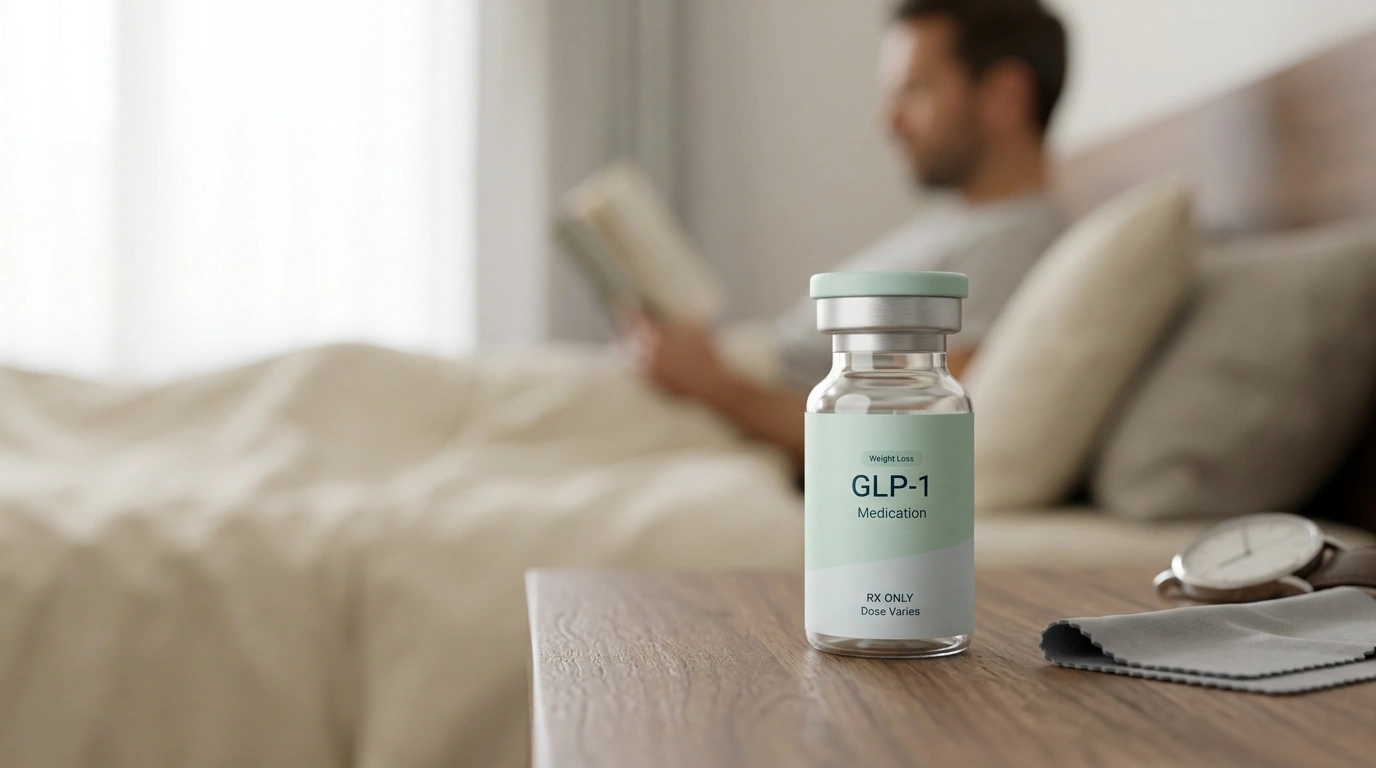
Taking the first step toward medical weight loss can feel like a mixture of excitement and uncertainty. You have your medication ready, but a common question often arises: can I eat after taking Wegovy, or should I wait? Navigating these early days of treatment is a learning process, and understanding how your body interacts with medication is the key to a smoother experience. At TrimRx, we believe that clarity is the foundation of any successful health journey. In this article, we will explain the best practices for timing your meals around your medication, which foods support your goals, and how to manage potential side effects for the best possible results. Whether you are using the injectable format or exploring oral options, the way you fuel your body matters just as much as the medication itself.
The Short Answer: Timing Your Meals
If you are using Wegovy® (semaglutide) in its most common form, which is a once-weekly injection, the straightforward answer is that you can eat after taking it. Unlike some medications that require a precise window of fasting to be absorbed, the injectable form of semaglutide is absorbed into the bloodstream through the fatty tissue under your skin. This means its effectiveness is not directly dictated by the contents of your stomach at the moment of the injection.
However, many individuals find that their comfort levels vary depending on when they eat. While there is no clinical requirement to fast, how much and what you eat can influence how you feel shortly after your dose. Some people prefer to have a small, light meal before their injection to settle their stomach, while others find that injecting on an empty stomach works best for them.
Quick Answer: For the injectable version of Wegovy®, you can eat immediately before or after your dose. However, because the medication slows down your digestion, eating a large or heavy meal right after your injection may lead to discomfort or nausea.
Understanding the Difference: Injection vs. Oral
It is important to distinguish between the delivery methods of semaglutide. While Wegovy® is primarily known as an injectable, semaglutide is also available in oral formats.
Wegovy® Injections
The injection is a glucagon-like peptide-1 (GLP-1) receptor agonist. A GLP-1 receptor agonist is a type of medication that mimics a natural hormone in your body that regulates appetite and blood sugar. Because it bypasses the digestive tract during initial administration, food intake does not interfere with the absorption of the medicine. You have the flexibility to take your weekly dose at any time of day, with or without a meal.
Oral Semaglutide
If your healthcare provider has prescribed an oral version of semaglutide, such as Rybelsus® or a compounded oral semaglutide through a platform like TrimRx, the rules are different. Oral medications must pass through the stomach lining to enter the bloodstream. For these, timing is critical. Usually, these must be taken first thing in the morning on an empty stomach with a small sip of plain water. You then typically need to wait 30 to 60 minutes before eating or drinking anything else to ensure the medication is properly absorbed. If you are still deciding whether a telehealth approach is right for you, you can complete a free eligibility assessment.
How Wegovy Affects Your Digestion
To understand why your food choices matter after your dose, you need to understand how the medication works inside your body. Semaglutide performs several key functions:
- Appetite Regulation: It signals to the brain that you are full, which helps reduce “food noise” or constant cravings.
- Blood Sugar Management: It helps the pancreas release the right amount of insulin when blood sugar levels are high.
- Slowed Gastric Emptying: This is the most relevant factor for eating. The medication slows down the speed at which food leaves your stomach and enters your small intestine.
Because food stays in your stomach longer, you feel full for a greater period. However, this also means that if you eat a large, heavy, or high-fat meal immediately after taking your dose, that food will sit in your stomach for an extended time. This is often the primary cause of the nausea, bloating, and “sulfur burps” that some patients report during early treatment. For additional guidance, read this guide to what to eat when nauseous on Wegovy.
What to Eat Right After Your Injection
While you can technically eat anything, many people find that a “less is more” approach works best on injection day. If you choose to eat shortly after your dose, focus on gentle, nutrient-dense options.
Light Protein
Protein is essential during weight loss to help preserve lean muscle mass. A small serving of Greek yogurt, a hard-boiled egg, or a few slices of turkey can provide satiety without overwhelming your digestive system. For more guidance, explore this guide to protein and weight loss.
Low-Fiber Starches (Initially)
While fiber is generally excellent for health, some people find that very high-fiber raw vegetables can be difficult to digest immediately after a dose when the stomach is moving slowly. Cooked vegetables or a small portion of crackers may be easier on the stomach in the hours following your injection.
Hydration is Key
Hydration is perhaps the most important thing to “consume” after your dose. GLP-1 medications can sometimes lead to a decreased thirst sensation. Drinking plenty of water helps your kidneys process the medication and can mitigate some of the common side effects like headaches or constipation.
Foods to Avoid After Your Dose
To minimize the risk of gastrointestinal upset, there are certain categories of food that are best avoided in the 24 to 48 hours following your Wegovy® injection.
- Fried and Greasy Foods: High-fat foods are already slow to digest. When combined with a medication that further slows the stomach, these foods can lead to significant nausea and even vomiting.
- Highly Processed Sugars: Large amounts of sugar can cause rapid shifts in blood sugar and may lead to “dumping syndrome” or general malaise when your digestion is altered.
- Carbonated Beverages: Because the stomach empties more slowly, the gas from soda or sparkling water can become trapped, leading to painful bloating and frequent burping.
- Large Portions: Even if you are eating healthy food, a large volume can be too much for a “slowed” stomach to handle. It is often better to eat smaller, more frequent meals.
Key Takeaway: Because Wegovy® slows down how fast your stomach empties, eating heavy or greasy meals can lead to intense nausea. Focus on small, light portions of protein and stay hydrated to maintain comfort.
Managing Nausea and Side Effects
Nausea is the most frequently reported side effect of GLP-1 medications. It often occurs as your body adjusts to a new dose or when your stomach is too full. If you feel nauseated after eating, consider the following strategies:
- Eat Slowly: Give your brain time to receive the signal from your stomach that you are full. It takes longer for these signals to register when your digestion is slowed.
- Stop Before You are Full: On this medication, “satiety” feels different. If you wait until you feel stuffed, you have likely already eaten too much for your slowed digestive tract to manage comfortably.
- Ginger and Peppermint: Natural remedies like ginger tea or peppermint oil can help soothe the digestive tract if you experience mild upset after eating.
- Consult Your Provider: If nausea is severe or prevents you from eating entirely, it is essential to speak with a licensed healthcare professional. They may suggest adjusting your dose or provide additional support. You can also review these practical tips for relieving semaglutide nausea.
Building a Long-Term Nutrition Plan
Weight loss with Wegovy® is most sustainable when the medication is used as a tool alongside a healthy lifestyle. While the medication helps manage hunger, the quality of the food you eat determines your energy levels and overall health.
The Role of Protein
When you lose weight rapidly, your body can lose muscle along with fat. To prevent this, aim for a high-protein diet. Lean meats, fish, tofu, beans, and lentils should be the centerpiece of your meals. This helps keep your metabolism active and ensures that the weight you lose comes primarily from fat stores.
Incorporating Fiber
Once your body has adjusted to the medication, fiber becomes your best friend. It helps maintain regular bowel movements, which can be a concern for those on semaglutide. Aim for a variety of colorful vegetables, fruits with skins, and whole grains like quinoa or brown rice.
Personalized Support
Every body reacts differently to medication. This is why a one-size-fits-all diet rarely works. Our platform connects you with licensed providers who can help you navigate these dietary shifts. We emphasize a personalized program that looks at your medical history and goals to ensure you are not just losing weight, but improving your metabolic health. To see whether a personalized program may be appropriate for you, take the free assessment quiz.
The Importance of Consistency
Whether you choose to eat before or after your dose, the most important factor for success is consistency. Taking your medication on the same day each week helps maintain a steady level of the hormone mimic in your system. This makes your appetite suppression more predictable and helps your body stay adjusted to the slowed digestion.
If you find that you frequently experience side effects on your “injection day,” you might try moving the dose to an evening. This allows you to sleep through the initial peak of the medication. Many patients find that injecting before bed, after a light dinner, helps them wake up feeling refreshed rather than nauseated.
How TrimRx Supports Your Journey
At TrimRx, we understand that medical weight loss is about more than just a prescription. It is about having a dedicated team and the right resources to help you succeed safely. Our telehealth-first approach means you can manage your program entirely from home, without the need for waiting rooms or in-person appointments.
When you join our program, you gain access to a comprehensive service model. This includes doctor consultations, any necessary lab work, and 24/7 access to a dedicated team of specialists. We offer access to compounded semaglutide and compounded tirzepatide, which are prepared in FDA-registered, inspected compounding pharmacies. This provides a flexible option for those who may have difficulty accessing branded medications like Wegovy®, Ozempic®, Mounjaro®, or Zepbound®.
We also provide targeted support through our quick-access supplements. For instance, our GLP-1 Daily Support is designed to provide essential nutrients that may be lacking when your appetite is reduced, while our Weight Loss Boost can assist in maintaining energy levels. For additional energy support during weight loss, explore the Weight Loss Boost supplement.
Moving Beyond the “Diet” Mentality
One of the most significant benefits of GLP-1 medications is that they help break the cycle of restrictive dieting and subsequent binging. Because the medication manages the physiological drivers of hunger, you can focus on making choices based on nutrition rather than desperation.
Instead of asking “What am I allowed to eat?”, the question shifts to “What will make my body feel best?”. This mindset shift is a core part of our mission. We want to help you embrace a healthier lifestyle through science, empathy, and transparency. Sustainable weight loss is not about a temporary “fix”; it is about finding a way of eating and living that feels good for the long term.
Safety and Eligibility
While Wegovy® and other GLP-1 medications are highly effective for many, they are not suitable for everyone. Eligibility is typically based on your Body Mass Index (BMI) and the presence of weight-related health conditions, such as high blood pressure or type 2 diabetes. To explore whether you may qualify for a personalized program, start the free assessment quiz.
It is also vital to discuss your medical history with a provider. For example, individuals with a personal or family history of medullary thyroid carcinoma or Multiple Endocrine Neoplasia syndrome type 2 should not use these medications. Always consult a qualified healthcare professional to determine if a weight loss program involving prescription medication is right for you.
Conclusion
Determining whether you can eat after taking Wegovy® is just one small piece of the puzzle. While the answer is a clear “yes” for injections, the quality and timing of those meals play a huge role in your comfort and success. By prioritizing protein, staying hydrated, and avoiding heavy, greasy foods around your dose, you can minimize side effects and feel your best.
At TrimRx, we are committed to being your partner in this process. We combine clinical expertise with modern technology to deliver a program that is as unique as you are. Our goal is to make science-backed weight loss accessible, transparent, and supportive. If you are ready to take the next step toward a healthier version of yourself, we are here to guide you every step of the way.
Next Steps: To see if you are eligible for our personalized weight loss program, you can start the free assessment quiz. If you are looking for immediate nutrient support to complement your current routine, explore our range of quick-access supplements like GLP-1 Daily Support.
FAQ
Should I take Wegovy on an empty stomach?
For the injectable version of Wegovy®, you do not need to have an empty stomach; you can take it with or without food. However, if you are taking an oral form of semaglutide, it must be taken on an empty stomach to ensure it is absorbed correctly.
How long should I wait to eat after my Wegovy injection?
There is no required waiting period after a Wegovy® injection, so you can eat immediately if you feel hungry. If you tend to experience nausea, you might prefer to wait an hour or two to see how your body reacts to the dose before eating a full meal.
Can I drink alcohol after my dose?
While there is no direct “danger” in mixing the two, alcohol can worsen nausea and reflux, which are common side effects of Wegovy®. Additionally, alcohol is high in “empty” calories, which may slow down your weight loss progress.
What if I feel too nauseated to eat anything?
It is common to have a significantly reduced appetite, but your body still needs nutrients to function. If you are struggling to eat, focus on small sips of protein shakes or clear broths, and consult your healthcare provider to ensure you are meeting your basic nutritional needs.
Disclaimer: This content is for informational purposes only and does not constitute medical advice. It is not intended to diagnose, treat, cure, or prevent any disease or condition. Individual results may vary. Always consult a qualified healthcare professional before starting any weight loss program or medication.

Transforming Lives, One Step at a Time
Keep reading
Wegovy Prior Authorization Approved, Then Reversed: What Happens Now
Getting an approval and then losing it is worse than never being approved, and not only because of the medication. You made a plan…
Can the Wegovy Pill Hold the Weight You Lost on Semaglutide Injections?
Most likely yes, once you reach the maintenance dose. The risk is not the destination but the trip: switching means restarting titration on the…
Wegovy Alternatives: What Else Works for Weight Loss
If Wegovy isn’t working out, the strongest alternative is tirzepatide (Zepbound), which tends to produce more weight loss, followed by other GLP-1 options and…


