How to Get Medicine Out of Wegovy Pen: A Safety Overview
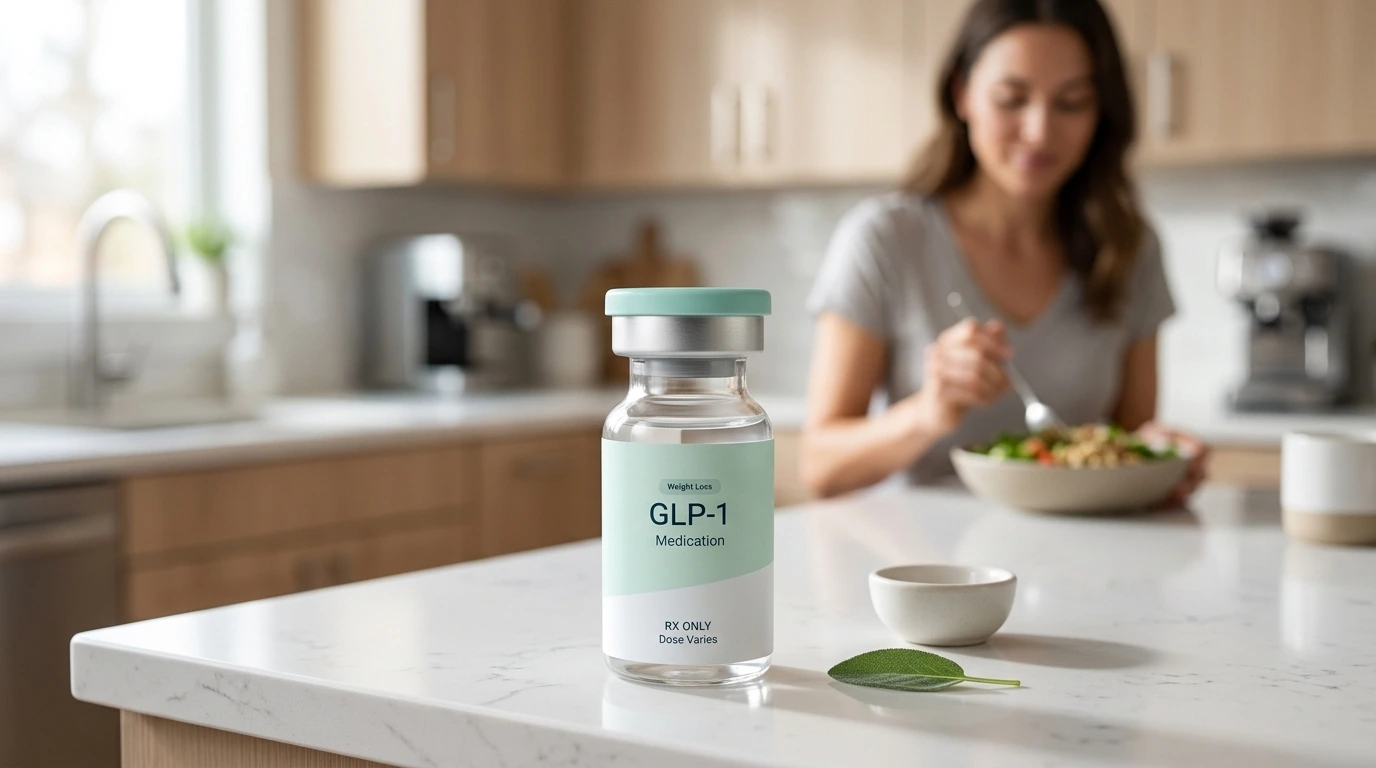
Introduction
Standing in your kitchen or bathroom, prepared for your weekly injection, you might encounter a moment of hesitation. Perhaps the pen didn’t click as expected, or you noticed a small amount of liquid still visible in the window after use. These moments can lead to a common question: how to get medicine out of wegovy pen correctly and safely? At TrimRx, we understand that navigating the technical side of weight loss medication can be intimidating. This article will explain the mechanics of the autoinjector, the proper way to ensure you receive your full dose, and the serious risks associated with attempting to “hack” or dismantle the device. Our goal is to provide you with the clarity needed to handle your medication with confidence. Using the delivery system exactly as intended is the only way to ensure your treatment remains safe and effective.
The Design of the Wegovy® Autoinjector
To understand how to get the medicine out of the device, you first need to understand what it is. Wegovy® is a branded, FDA-approved injectable medication containing semaglutide. Semaglutide is a GLP-1 receptor agonist, a type of medicine that mimics a natural hormone in your body called glucagon-like peptide-1. This hormone helps regulate your appetite and blood sugar by signaling to your brain that you are full.
In the United States, this specific medication is packaged in a single-dose autoinjector. This is a factory-sealed, spring-loaded device designed for one-time use. Unlike some other medications that come in a multi-dose pen with a dial, the autoinjector is an “all-or-nothing” system. Once the mechanism is triggered, it is designed to discharge the entire pre-measured dose in a single, continuous flow.
Quick Answer: The only safe way to get medicine out of a Wegovy® pen is to use the autoinjector mechanism as directed by the manufacturer. You should never attempt to dismantle the pen, use a separate syringe to extract liquid, or “hack” the device, as this can lead to infection, inaccurate dosing, and medication failure.
For additional guidance on pen-based injections, review this guide to taking semaglutide shots safely.
Step-by-Step: How to Properly Use the Pen
The most effective way to ensure the medicine comes out correctly is to follow the clinical administration steps precisely. If the pen is used according to the instructions, the internal needle will deploy, the medicine will be delivered, and the needle will retract safely.
Step 1: Prepare your supplies and the pen. Gather your pen, an alcohol swab, and a sharps disposal container. Check the pen window. The liquid should be clear and colorless. Do not use the pen if the medicine looks cloudy, if the pen appears damaged, or if the expiration date has passed.
Step 2: Clean the injection site. Wash your hands thoroughly. Choose an injection site on your abdomen (at least two inches away from the belly button), the front of your thigh, or your upper arm. Clean the area with an alcohol swab and allow the skin to air-dry completely.
Step 3: Trigger the injection. Pull the pen cap straight off. Hold the pen at a 90-degree angle against your skin. Push the pen firmly against the skin and keep applying pressure. You will hear a first click, which indicates the injection has started.
Step 4: Monitor the yellow bar. Keep holding the pen firmly against your skin. You will hear a second click while the injection is ongoing. Look at the pen window; a yellow bar will begin to move. Continue to hold the pen in place until the yellow bar stops moving.
Step 5: The 10-second hold. Once the yellow bar has stopped, count to 10 seconds. This ensures that the pressure within the device has fully equalized and every drop of the medication has been delivered into the subcutaneous tissue (the fat layer under the skin). After 10 seconds, lift the pen straight up.
Why You Should Never Dismantle the Pen
It is common for patients to notice a tiny drop of liquid in the window or on the tip of the needle after an injection. This often leads to the temptation to try and “get the rest out.” However, attempting to open the pen or use a secondary syringe is highly dangerous.
The Risk of Dosing Errors
Semaglutide is a highly potent medication. The autoinjector is calibrated to deliver a precise milligram amount. If you try to extract “leftover” liquid using a separate insulin syringe, you have no way of accurately measuring the dose. Taking too little can stall your progress, while taking an unmeasured amount can lead to an accidental overdose. Symptoms of a GLP-1 overdose include severe nausea, persistent vomiting, and dangerous dehydration.
Learn more about why GLP-1 dosing and titration require careful medical supervision.
Sterility and Infection Concerns
The internal components of the autoinjector are sterile. When you dismantle the plastic housing or attempt to spray the medicine into a separate vial, you expose the medication to the air, dust, and bacteria. Injecting a contaminated solution can lead to:
- Localized skin infections or abscesses
- Cellulitis (a deep skin infection)
- Systemic illness requiring hospitalization
Medication Stability and Protein Breakdown
Semaglutide is a protein-based molecule. Proteins are delicate and can break down (denature) if they are exposed to light, heat, or physical trauma. The force required to “break” into a pen or the act of transferring the liquid to another container can damage the molecular structure of the drug. If the protein denatures, it becomes biologically inactive. You may still be injecting a liquid, but your body can no longer use it to support weight loss.
Key Takeaway: The autoinjector is a closed, sterile system. Any attempt to bypass the mechanical trigger compromises the safety, sterility, and chemical integrity of the medication.
Troubleshooting a Jammed Pen
If you are trying to get the medicine out through the proper channels and the pen simply will not fire, do not apply excessive force. A jammed pen is usually the result of a mechanical failure or a blocked needle.
Common reasons a pen won’t click:
- Insufficient Pressure: The pen requires a firm, steady push against the skin to trigger the spring. If you are injecting into a “soft” area like the abdomen, try standing up to make the skin more taut, or switch to a firmer area like the thigh.
- Temperature Issues: If the pen was recently removed from the refrigerator, the plastic and internal lubricants may be cold. You can let the pen sit at room temperature for 30 to 60 minutes (with the cap on) before attempting the injection.
- Mechanical Defect: In rare cases, the internal spring or needle may be defective from the factory.
What to do next: If the pen will not trigger after applying firm pressure, do not try to fix it. Keep the pen in its original packaging and contact the manufacturer or your pharmacy. For Wegovy® support, patients in the U.S. can contact Novo Nordisk directly for guidance on obtaining a replacement.
Managing “Leftover” Liquid in the Window
One of the most frequent reasons people search for how to get medicine out of wegovy pen is because they see liquid remaining in the clear window after the injection is complete.
It is important to understand that this is a built-in safety buffer. The manufacturer includes a slightly larger volume of liquid than the actual dose to ensure that the internal plunger can travel the full distance required to deliver the correct amount. Seeing a small drop or a tiny amount of liquid in the window is normal and does not mean your injection failed.
Note: If the yellow bar has stopped moving and you held the pen for 10 seconds, you have received the full clinical dose. Do not attempt to “harvest” the remaining droplets.
The Role of Personalized Programs
If you find that the rigid nature of a single-dose autoinjector is a source of stress or if you are dealing with consistent pen malfunctions, there are other ways to access GLP-1 therapy. At TrimRx, we connect individuals with licensed healthcare providers who can design a program tailored to their specific needs.
For many, the alternative is Compounded Semaglutide. It is important to note that compounded medications are not FDA-approved. However, they are prepared and shipped by FDA-registered and inspected compounding pharmacies.
Why Some Prefer Vials and Syringes
Unlike the branded autoinjector, compounded semaglutide often arrives in a multi-dose vial. This format requires you to use a traditional, sterile insulin syringe to draw up the medication manually. This system offers several distinct differences:
- Precise Dosing: Your provider can adjust your dose in very small increments. If you are experiencing side effects, your provider may recommend a “split” or reduced dose that is easily measured in a syringe but impossible to do with an autoinjector.
- Visual Confirmation: You can see exactly how much medication is in the syringe before you inject.
- Reduced Waste: There are no complex mechanical springs to fail. You have direct control over the delivery.
If you are interested in exploring a more flexible approach to dosing, you can take the free assessment quiz to see if a personalized program is appropriate for you.
Understanding the Titration Schedule
The reason why exact dosing matters—and why “hacking” a pen to get more or less medicine is dangerous—is the titration schedule. Most GLP-1 programs involve starting at a very low dose (such as 0.25 mg) and gradually increasing the amount every four weeks.
This slow increase is designed to help your body adjust to the medication. If you attempt to extract medicine from a higher-dose pen to “save money” or “stretch the supply,” you risk disrupting this schedule. This can lead to a “plateau” where the medicine stops working, or it can cause your body to be flooded with more medication than it can handle, leading to severe gastrointestinal distress.
For a broader explanation, see this overview of GLP-1 medications and gradual dose escalation.
Managing Side Effects Without Changing Your Dose
If your desire to get a different amount of medicine out of the pen is driven by a fear of side effects, there are safer strategies than altering the device. Side effects like nausea, bloating, and fatigue are common when starting a GLP-1 journey, but they can often be managed through lifestyle and nutritional support.
Hydration and Electrolytes GLP-1 medications can change how your body manages fluids. Many “headaches” or “crashes” associated with the medication are actually signs of dehydration. Aim for at least 80 ounces of water daily.
Protein Prioritization Because your appetite decreases, it is easy to under-eat. This can lead to muscle loss and fatigue. Focus on getting high-quality protein at every meal to support your metabolic health.
Nutrient Support We offer quick-access supplements like GLP-1 Daily Support and Weight Loss Boost. These are designed to provide essential vitamins and minerals that may be lacking when your food intake is reduced. Supporting your body’s natural pathways can make the standard medication dose much more comfortable.
Myth: “If some medicine leaks out, I should take a second injection.” Fact: No. If you see a small amount of leakage or a squirt of medicine, you should still wait until your next scheduled dose. Never take a second injection in the same week without explicit instructions from your healthcare provider.
For more context on nausea, fatigue, hydration, and other concerns, read this guide to common GLP-1 side effects.
Safe Disposal of the Pen
Once you have successfully used the autoinjector, the medicine is out, and the yellow bar has stopped, the process is not quite over. Proper disposal is a critical safety step.
- Never throw the pen into your regular household trash.
- Never put the pen in a recycling bin.
- Use an FDA-cleared sharps disposal container. If you do not have one, you can use a heavy-duty plastic container with a tight-fitting lid, such as an empty laundry detergent bottle.
- Label your DIY container clearly with a warning that it contains hazardous waste.
Starting Your Journey with TrimRx
At TrimRx, our mission is to help you embrace a healthier lifestyle through a transparent and personalized approach to sustainable weight loss. We merge clinical expertise with modern technology to deliver medically supervised programs entirely online. This means no waiting rooms and no in-person visits.
When you join our platform, you aren’t just getting a prescription; you are getting a dedicated team. Our programs include:
- Access to licensed providers for consultations and lab work.
- Medication shipped from regulated pharmacies.
- Unlimited support and 24/7 access to specialists.
We are here to be your knowledgeable and empathetic guide, ensuring that every step you take—from your first injection to reaching your goal weight—is backed by science and support.
Bottom line: The Wegovy® pen is a precision-engineered tool. To get the medicine out safely, you must follow the official injection steps. If the pen malfunctions, seek a replacement rather than attempting a DIY repair or extraction.
If you are considering a medically supervised weight-management program, you can complete a free eligibility assessment.
FAQ
Can I use a syringe to pull medicine out of a Wegovy pen?
No, you should never attempt to use a separate syringe to extract medication from a Wegovy® autoinjector. This breaks the sterile seal, risks introducing bacteria into your body, and makes it impossible to measure an accurate dose.
Is it normal for some liquid to be left in the Wegovy pen?
Yes, it is very common to see a small drop of liquid at the needle tip or a tiny amount remaining in the clear window after the injection. This is a safety buffer included by the manufacturer and does not mean you missed your dose.
What should I do if the Wegovy pen doesn’t click or fire?
If the pen won’t trigger, first ensure you are applying firm, 90-degree pressure against a taut area of skin like your thigh. If it still does not fire, do not attempt to force it or dismantle it; instead, contact the manufacturer or your pharmacist for a replacement.
Can I split a Wegovy dose into two smaller doses?
You cannot safely split a dose from a Wegovy® autoinjector because the device is designed to release its entire contents at once. Attempting to split the dose by spraying the medication into a vial carries high risks of contamination and medication breakdown.
Is a personalized GLP-1 program right for me?
If you are exploring whether a prescription weight-management program may fit your needs, you can see if you qualify for a personalized program.
Disclaimer: This content is for informational purposes only and does not constitute medical advice. It is not intended to diagnose, treat, cure, or prevent any disease or condition. Individual results may vary. Always consult a qualified healthcare professional before starting any weight loss program or medication.

Transforming Lives, One Step at a Time
Keep reading
Can You Use a Heating Pad for Stomach Cramps on Wegovy?
When your belly is crampy from gas, constipation, or a slow-moving stomach, a warm heating pad can feel like the most comforting thing in…
Can You Take Tylenol on Wegovy?
A headache the day after your shot, sore muscles from a new workout, or a toothache that will not quit: at some point, most…
Is It Normal to Feel Hungover After a Wegovy Shot?
A dull headache, a queasy stomach, a foggy head, and a strong urge to stay on the couch: it sounds like the morning after…


