Optimizing Your Diet: What Not to Eat While on Wegovy to Minimize Side Effects
Introduction
The sudden silence of “food noise”—that constant, nagging internal chatter about what to eat next or how much—is often the first thing people notice when beginning their weight loss journey with modern medications. It can feel like a liberation, but it also marks the beginning of a new relationship with nutrition. While the science behind semaglutide is revolutionary, a common misconception is that these treatments act as a “free pass” to consume anything without consequence. In reality, the success of your journey is deeply intertwined with the choices you make at the dinner table. If you’ve ever wondered why a single slice of greasy pizza suddenly feels like a heavy weight in your stomach, or why a spicy meal now leads to hours of discomfort, you are experiencing the physiological shift that occurs when your body adapts to these powerful tools.
At TrimRx, our journey began with a shared vision to help individuals embrace healthier lifestyles by merging cutting-edge telehealth innovations with effective weight loss solutions. We believe that sustainable weight loss should be achieved through science, empathy, and a transparent approach. Our platform is a user-friendly and supportive space where individuals receive personalized, medically supervised care—all designed to make sustainable weight loss attainable and tailored to the individual. We understand that navigating the “do’s and don’ts” of nutrition can be complex, which is why we are dedicated to providing the clarity you need to succeed.
The purpose of this guide is to provide a comprehensive look at what not to eat while on Wegovy, alongside the foods that will help you feel your best. We will explore the mechanics of how these medications work, the specific categories of food that tend to trigger gastrointestinal distress, and how to build a nutrient-dense plate that protects your muscle mass and energy levels. By the end of this article, you will have a clear roadmap for your nutritional habits, helping you to minimize side effects and maximize your long-term health outcomes.
We’ll start by breaking down the science of digestion on Wegovy before diving into the specific “trouble foods” and finishing with actionable tips for daily success. Whether you are just starting out or looking to fine-tune your progress, understanding these nuances is essential. To see if you’re a candidate for our medically supervised programs, you can take our free assessment quiz to determine your eligibility.
How the Medication Changes Your Digestion
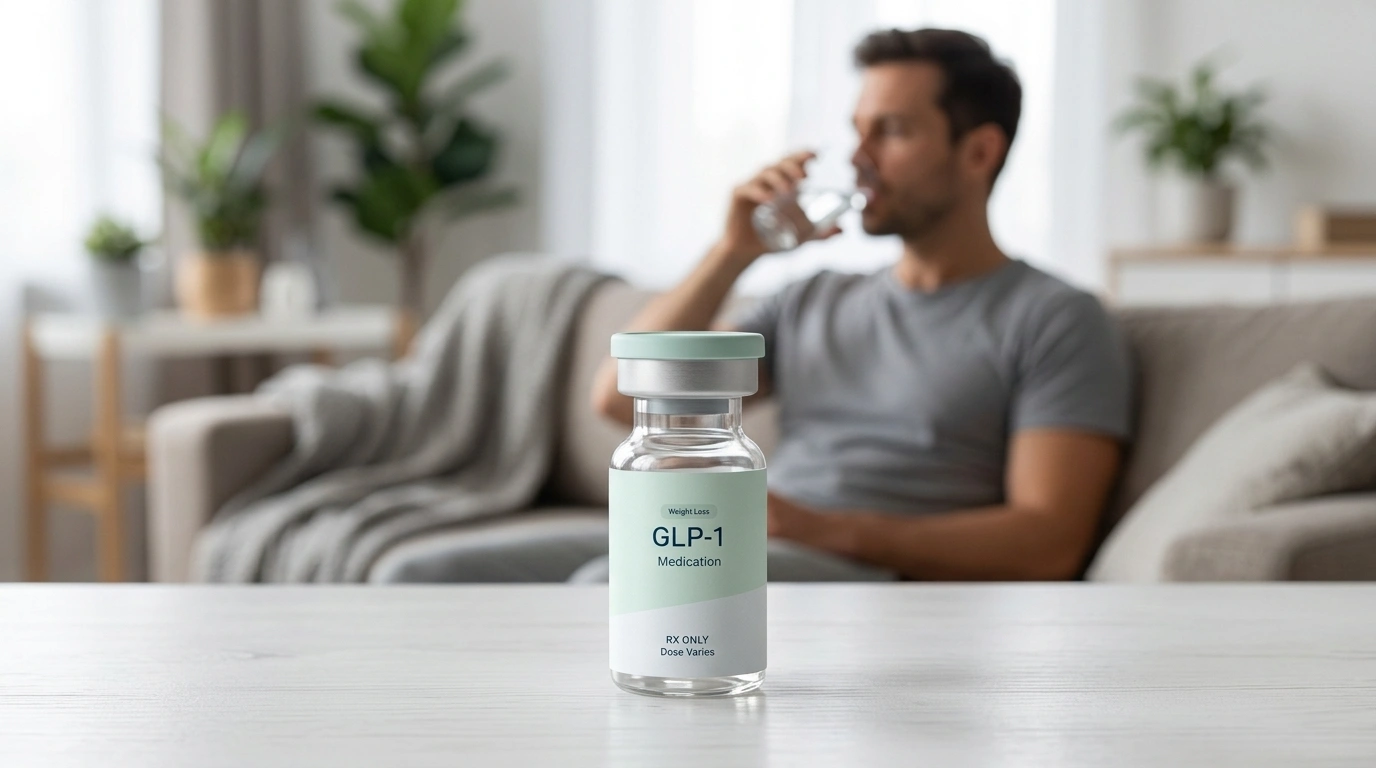
To understand why certain foods become problematic, it is first necessary to understand how semaglutide (the active ingredient in Wegovy) interacts with your body. It is a GLP-1 receptor agonist, meaning it mimics a hormone naturally produced in your gut. This hormone has several primary roles: it signals to the brain that you are full, it prompts the pancreas to release insulin when blood sugar rises, and most importantly for our dietary discussion, it slows down gastric emptying.
The Role of Gastric Emptying
Under normal circumstances, your stomach processes food and moves it into the small intestine at a relatively steady pace. When you are on a GLP-1 medication, this process is significantly delayed. Food stays in your stomach for a much longer period. This is a primary reason why you feel full for so long after eating even a small portion. However, this delay is also the root cause of many side effects. If the food sitting in your stomach is heavy, greasy, or difficult to break down, it can lead to fermentation, gas, and significant nausea.
Addressing the Hypothalamus
The medication also targets the hypothalamus, the area of the brain responsible for hunger and cravings. By dampening these signals, the “reward” you get from high-fat or high-sugar foods is often diminished. This “window of opportunity” allows you to focus on quality nutrition rather than being driven by impulsive cravings. To support your body during this transition, we often recommend our GLP-1 Daily Support to help provide essential nutrients that your body might miss when your appetite is significantly reduced.
What Not to Eat While on Wegovy: The Primary Triggers
While there are technically no “forbidden” foods, certain categories are notorious for causing discomfort when combined with slowed digestion. Being choosier about what you consume—especially in the 48 hours following your weekly injection—can make a world of difference in how you feel.
High-Fat and Fried Foods
Fried and greasy foods are perhaps the most significant culprits for gastrointestinal distress. Because dietary fat already takes a long time to digest, combining it with a medication that further slows the process can create a “traffic jam” in your digestive system.
- Why they cause issues: Fat lingers in the stomach, which can lead to severe nausea, vomiting, and acid reflux. Many individuals report feeling a “brick” in their stomach after eating fried chicken, french fries, or heavy burgers.
- What to avoid: Deep-fried items, heavy cream sauces, fatty cuts of red meat (like ribeye), and excessive butter or lard.
Ultra-Processed Foods and Refined Sugars
Ultra-processed foods (UPFs) are engineered to be hyper-palatable but offer very little in the way of actual nutrition. When you are eating less, every bite counts.
- The Sugar Spike: Refined sugars found in candies, sodas, and packaged baked goods can cause rapid spikes and subsequent crashes in blood sugar. On semaglutide, these crashes can manifest as intense nausea or dizziness.
- Empty Calories: Items like chips, snack cakes, and sugary cereals provide “empty” calories that don’t support muscle maintenance or energy. Since your total intake is lower, filling up on these items can lead to nutrient deficiencies over time.
Carbonated and Sugary Beverages
The bubbles in carbonated drinks—whether they are diet sodas, sparkling waters, or beer—introduce gas into a digestive system that is already moving slowly.
- Bloating and Gas: This extra gas can lead to painful bloating, frequent burping (sometimes described as “sulfur burps”), and general abdominal pressure.
- Hydration Issues: Sugary juices and energy drinks can also lead to diarrhea as the body tries to flush out the excess sugar load. We believe in transparency and safety, so we encourage you to take our free assessment quiz to discuss your hydration and nutrition needs with a professional.
Spicy and Highly Acidic Foods
Acid reflux and heartburn are common side effects of GLP-1 medications because food and stomach acid stay in the upper digestive tract longer.
- Reflux Triggers: Spicy peppers, hot sauces, and even heavy amounts of garlic or onion can irritate the lining of the esophagus.
- Acidic Culprits: Citrus fruits and tomato-based sauces may also exacerbate “heartburn” symptoms for some users.
Alcohol
Alcohol serves as a triple threat on this medication: it is a source of empty calories, it can lead to dehydration, and it may irritate the stomach lining.
- Hypoglycemia Risk: Semaglutide lowers blood sugar, and alcohol can do the same, potentially leading to dangerously low levels in some individuals.
- Reduced Tolerance: Many people find that their desire for alcohol drops significantly on Wegovy, and those who do drink often find they have a much lower tolerance or experience worse hangovers.
Navigating Specific Vegetables and “Roughage”
It might seem counterintuitive to limit vegetables, but certain types can be difficult to process when digestion is sluggish.
Gas-Forming Vegetables
Cruciferous vegetables are nutritional powerhouses, but they contain complex sugars that can ferment in the gut.
- The List: Broccoli, cauliflower, Brussels sprouts, cabbage, and asparagus.
- The Effect: For some, these can cause intense gas and bloating. It is often better to eat these in small, well-cooked portions rather than raw.
High-Roughage Fruits and Vegetables
“Roughage” refers to the indigestible part of plant foods. While fiber is generally good, very “stringy” or tough fibers can sit in the stomach for too long.
- Problematic Items: Celery, pineapple, and the skins of tough apples can sometimes be problematic if eaten in large quantities.
- The Solution: Peeling fruits and cooking vegetables until they are soft can help make them more tolerable.
What to Eat Instead: Building a Supportive Diet
Now that we’ve covered what to avoid, let’s focus on what you should be eating to feel energized and healthy. At TrimRx, we believe that sustainable weight loss is achieved through science and personalized care. Choosing the right fuel is a key part of that.
Prioritizing Lean Proteins
One of the risks of rapid weight loss is the loss of muscle mass alongside fat. To prevent this, protein must be the star of every meal.
- Best Sources: Skinless chicken breast, turkey, white fish, salmon, eggs, tofu, lentils, and low-fat Greek yogurt.
- The Goal: Aim for 20–30 grams of protein per meal. If you struggle to eat enough whole food, a high-quality protein shake can be a helpful supplement. For an extra edge in your metabolism and energy, you might consider our Weight Loss Boost, which is designed to support your body’s natural processes.
Hydrating Fruits and Vegetables
Since dehydration is a common cause of fatigue and nausea on Wegovy, choosing water-rich foods is a smart strategy.
- Hydration Heroes: Cucumbers, watermelon, strawberries, lettuce, and zucchini.
- Digestive Benefits: These are generally easier to digest and help keep you hydrated from the inside out.
Whole Grains and Soluble Fiber
Fiber is essential for preventing the constipation that often accompanies these medications, but it should be introduced gradually.
- Soluble Fiber: Foods like oats, barley, and the flesh of sweet potatoes can help “sweep” the digestive system gently.
- Steady Energy: Whole grains like quinoa and brown rice provide slow-release energy, preventing the blood sugar crashes associated with refined white flour.
Success Strategies: How to Eat
It is not just what you eat, but how you eat that determines your comfort level. We emphasize a supportive, empathetic approach to these lifestyle shifts.
The “Protein First” Rule
When you sit down to a meal, always eat the protein portion first. Because your stomach will fill up quickly, you want to ensure the most vital nutrients are consumed before you feel too full to continue.
Small, Frequent Meals
Instead of three large meals, many find success with five or six “mini-meals” throughout the day. This keeps the digestive system moving at a manageable pace and prevents the nausea that often comes from an over-full stomach.
Mindful Eating Habits
- Chew Thoroughly: Digestion starts in the mouth. By breaking food down as much as possible before swallowing, you take some of the workload off your stomach.
- Avoid Lying Down: Never eat right before bed. Aim to finish your last meal at least two to three hours before lying down to prevent acid reflux.
- Hydrate Between Meals: Instead of drinking a large glass of water with your food (which can make you feel prematurely full), sip water constantly throughout the day between meals.
The TrimRx Difference: Personalized Care
At TrimRx, we are committed to making your journey as smooth as possible. We offer a comprehensive service that includes doctor consultations, medication, lab work, and unlimited support with no hidden fees. We partner exclusively with FDA-registered and inspected pharmacies to ensure the highest standards of safety and quality for the medications they ship.
Our programs are designed with your unique biology in mind. For those looking for prescription-strength solutions, we offer options such as Compounded Semaglutide, Oral Semaglutide, Ozempic®, Compounded Tirzepatide, Oral Tirzepatide, Mounjaro®, Zepbound®, and Wegovy®. Eligibility for these medications is determined by our medical professionals after you take our free assessment quiz.
We recognize that medication is just one piece of the puzzle. That is why we emphasize a transparent approach that remains consistent regardless of dosage changes. We are your partners in health, providing the innovative tools and empathetic care needed for a total lifestyle transformation.
Enhancing Your Journey with Supplements
To further support your wellness, we offer quick-access supplements that do not require a quiz. Our GLP-1 Daily Support is formulated to complement the unique nutritional needs of those on GLP-1 therapy. Additionally, our Weight Loss Boost can provide the metabolic support needed to maintain momentum during your journey.
Conclusion
Understanding what not to eat while on Wegovy is more than just a list of restrictions; it is a strategy for feeling your best while you transform your life. By avoiding high-fat, ultra-processed, and gas-forming foods, you can significantly reduce the likelihood of experiencing the gastrointestinal side effects that often deter people from their goals. Instead, focusing on lean proteins, hydrating produce, and mindful eating habits creates a foundation for sustainable, long-term success.
At TrimRx, we believe that sustainable weight loss should be achieved through science, empathy, and a transparent approach. Whether you are navigating side effects or celebrating a milestone, we are here to provide the medically supervised care and supportive community you deserve. Your journey is unique, and your nutrition should reflect that.
Are you ready to take the next step toward a healthier version of yourself? We invite you to take our free assessment quiz today to see which of our personalized programs is right for you. Together, we can make your weight loss goals an attainable reality.
Frequently Asked Questions
1. Can I ever eat fried food or sweets while on Wegovy?
While no food is strictly forbidden, it is best to limit these items significantly. If you do choose to indulge, keep the portion size very small and try to avoid eating them late in the evening or within the first 48 hours after your injection, when side effects are typically most sensitive.
2. Why does alcohol affect me differently now?
Wegovy slows digestion and affects blood sugar regulation. Alcohol can lead to faster dehydration and may cause blood sugar to drop too low. Furthermore, many users report that the medication reduces the “buzz” or pleasure they used to get from alcohol, making it easier to skip the drink altogether.
3. How much protein should I actually be getting?
While individual needs vary, a general goal is to consume between 1.0 and 1.2 grams of protein per kilogram of your body weight. For most people, this looks like aiming for 20–30 grams of protein at each of your main meals to help preserve vital muscle mass during weight loss.
4. What should I do if I am too nauseous to eat anything?
If you are experiencing significant nausea, focus on “bland” foods like crackers, plain rice, or broth-based soups. Staying hydrated is the most important factor; try sipping on cold water or ginger tea. If nausea persists, it is important to contact your medical provider through our platform to discuss dosage or management strategies. You can also support your system with GLP-1 Daily Support to ensure you are getting necessary nutrients.

Transforming Lives, One Step at a Time
Keep reading

Wegovy Alternatives: What Else Works for Weight Loss
If Wegovy isn’t working out, the strongest alternative is tirzepatide (Zepbound), which tends to produce more weight loss, followed by other GLP-1 options and…

VK2735 vs Wegovy: Investigational Contender vs Proven Semaglutide
VK2735 and Wegovy sit at different stages of development. VK2735, an investigational drug from Viking Therapeutics, comes in both injectable and oral forms and…

Mazdutide vs Wegovy: How the Two Compare
Mazdutide and Wegovy are both injectable weight-loss drugs, but they are worlds apart on availability. Mazdutide, a dual glucagon and GLP-1 agonist, is approved…


