Does Microdosing Wegovy Work? Science vs. Social Media Trends
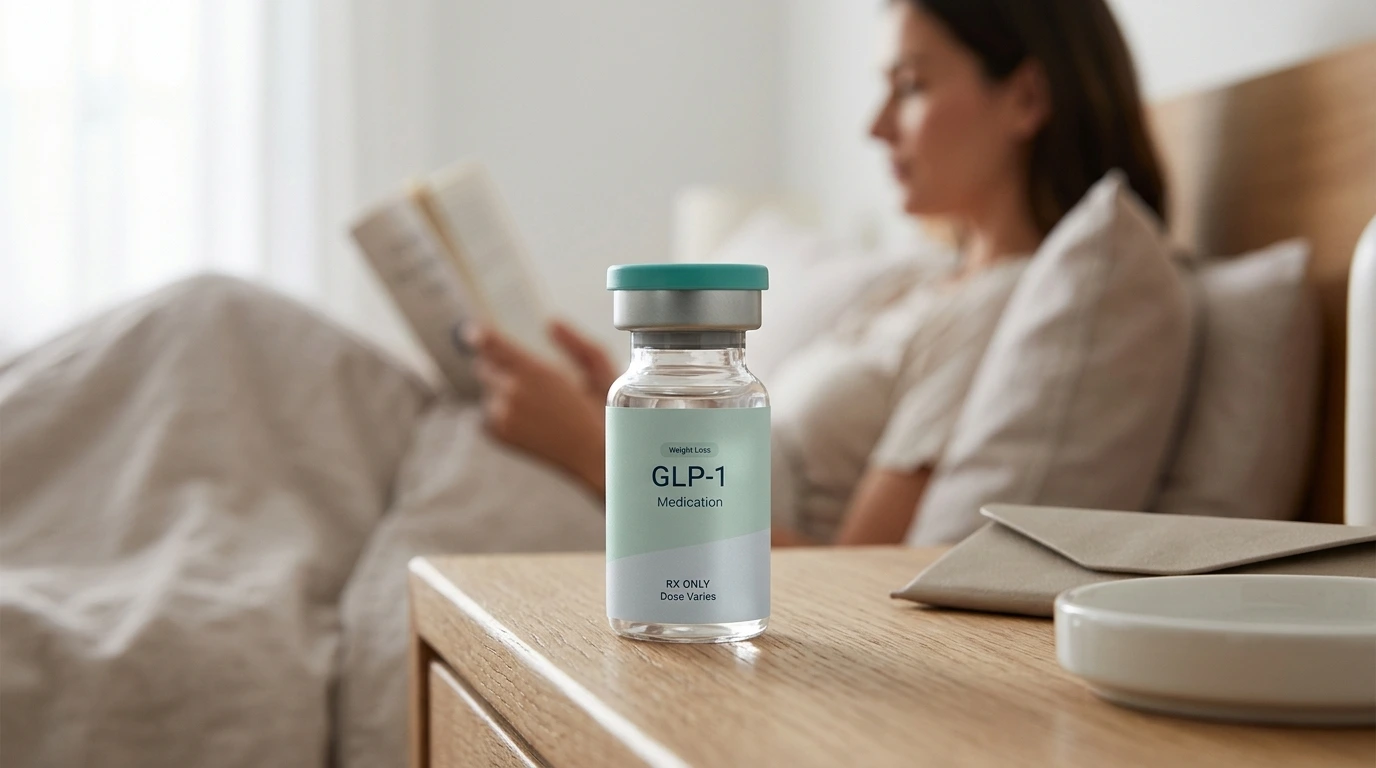
Introduction
According to recent data, approximately 12% of adults in the United States have utilized a GLP-1 receptor agonist, such as semaglutide or tirzepatide, to manage their weight or treat chronic health conditions. This surge in popularity has transformed the landscape of metabolic health, but it has also given rise to unconventional usage patterns. One of the most discussed trends currently circulating on social media platforms like TikTok and Instagram is “microdosing.” This practice involves taking a dose of medication significantly lower than the manufacturer’s recommended starting point or maintenance level, often with the hope of avoiding side effects or reducing costs. But for those asking, “does microdosing Wegovy work?” the answer is far more complex than a simple yes or no.
At TrimRx, our journey began with a shared vision: to help individuals embrace healthier lifestyles by merging cutting-edge telehealth innovations with effective weight loss solutions. We understand the allure of finding a “middle ground” when it comes to powerful medications. However, we believe that sustainable weight loss should be achieved through science, empathy, and a transparent approach. Navigating the world of GLP-1 medications can be overwhelming, especially when social media influencers offer advice that contradicts clinical guidelines.
The purpose of this blog post is to provide a comprehensive analysis of the microdosing trend. We will explore what the science says—and what it doesn’t—about taking sub-therapeutic doses of Wegovy. By the end of this article, you will understand the physiological mechanisms of semaglutide, the potential risks of deviating from prescribed schedules, and how a personalized, medically supervised approach remains the gold standard for safety and results. We will cover everything from the mechanics of appetite suppression to the safety concerns surrounding compounded medications.
Whether you are just starting your journey or are currently managing your weight through medication, this information is vital for your long-term success. We believe in empowering you as a partner in your health. While other platforms might focus purely on the “hype,” we are dedicated to providing clear, authoritative insights that prioritize your well-being. Together, we will dive into the nuances of dosing, the reality of side effects, and the importance of professional oversight.
Defining Microdosing in the Context of Weight Loss
The term “microdosing” historically refers to the use of minute amounts of psychedelic substances to enhance creativity or mood without inducing a full “trip.” In the realm of weight loss, however, the definition has been adapted. It generally describes taking a dose of a GLP-1 drug that is lower than the lowest FDA-approved dose (which for Wegovy is 0.25 mg) or remaining at a low dose indefinitely rather than following the standard titration schedule.
Standard Dosing vs. Microdosing
To understand why people experiment with lower amounts, we must first look at how Wegovy was designed to be used. The FDA-approved titration schedule for Wegovy is a deliberate, step-wise process:
- Weeks 1-4: 0.25 mg weekly
- Weeks 5-8: 0.5 mg weekly
- Weeks 9-12: 1.0 mg weekly
- Weeks 13-16: 1.7 mg weekly
- Week 17 onwards: 2.4 mg weekly (full maintenance dose)
This schedule was developed through rigorous clinical trials involving thousands of participants. The goal of starting low and gradually increasing is to allow the body—specifically the gastrointestinal system—to acclimate to the medication. Microdosing deviates from this by either starting even lower (e.g., 0.1 mg) or refusing to move up the “ladder” even when weight loss stalls.
The Mechanism of GLP-1 Medications
Wegovy (semaglutide) works by mimicking the glucagon-like peptide-1 hormone that the body naturally releases after eating. It targets areas of the brain that regulate appetite and food intake. By slowing down gastric emptying, it helps you feel full longer and significantly reduces “food noise”—those persistent, intrusive thoughts about eating.
When someone asks if microdosing works, they are often asking if a tiny amount can still quiet that food noise. For some “super-responders,” even a minimal dose might trigger a biological response. However, for the vast majority of the population, these medications are dose-dependent, meaning the level of weight loss is directly tied to the amount of active ingredient in the system.
If you are curious about which path is right for your unique biology, we encourage you to take our free assessment quiz to receive a personalized treatment plan tailored to your needs.
Why Individuals Are Considering Lower Doses
The motivation behind microdosing rarely stems from a desire to ignore medical advice for the sake of it. Rather, it is often a response to real-world challenges. By understanding these drivers, we can better address the needs of our community with compassion and science.
Managing Gastrointestinal Side Effects
The most common reason cited for microdosing is the fear of side effects. Nausea, vomiting, diarrhea, and constipation are well-documented responses to GLP-1 medications. For some individuals, the transition from 0.25 mg to 0.5 mg can feel jarring. Influencers often suggest that by taking “micro” amounts, one can reap the metabolic benefits without the “Ozempic face” or stomach upset.
While it is true that lower doses correlate with fewer side effects, they also correlate with lower efficacy. At TrimRx, we focus on helping you manage these transitions through personalized care. Rather than self-adjusting your dose—which can lead to a plateau—we recommend working with professionals who can suggest dietary adjustments or supportive aids like our GLP-1 Daily Support to help maintain wellness during the journey.
Navigating Medication Shortages and Cost
In recent years, the high demand for branded medications like Ozempic® and Wegovy® has led to significant supply chain issues. When a patient cannot find their 2.4 mg pen, they may be tempted to “stretch” their current supply by microdosing what they have left.
Furthermore, the cost of branded medications can be a barrier. Some believe that by taking half a dose, they can make a month’s supply last for two. However, Wegovy pens are often designed for single use or specific dosing increments. Attempting to “split” a dose from a pre-filled pen is not only inaccurate but also poses a significant risk of contamination.
Maintenance and Long-Term Weight Management
There is a growing conversation around using microdoses as a “maintenance” tool. Once an individual reaches their goal weight, they may fear that stopping the medication entirely will lead to immediate weight regain. This fear is rooted in reality; studies have shown that many people regain a portion of their weight after discontinuing GLP-1 therapy because the hormonal signals for hunger return to their baseline.
The theory behind microdosing for maintenance is that a very small weekly amount might be enough to keep the “food noise” at bay without continuing the aggressive weight loss seen at higher doses. While this is an area of active interest for researchers, there are currently no large-scale clinical trials that define a safe or effective “micro-maintenance” dose.
Does Microdosing Wegovy Work for Weight Loss?
To answer this accurately, we must distinguish between “working” to lose weight and “working” to manage a chronic condition.
What the Current Research Says
There is a lack of peer-reviewed clinical data specifically on microdosing. The Phase 3 trials for semaglutide (the STEP trials) focused on the 2.4 mg dose because that was the level found to produce an average of 15% body weight loss over 68 weeks. Doses lower than the starting 0.25 mg were generally not studied for weight loss efficacy because they fall below the therapeutic threshold for most people.
For an individual with a history of metabolic resistance, a microdose may provide a negligible effect. The body’s homeostatic mechanisms—the “set point” theory—often require a stronger signal to override the brain’s urge to store fat. Without reaching a therapeutic level, the patient may experience the “worst of both worlds”: enough medication to cause mild indigestion, but not enough to achieve meaningful fat loss.
The “Super Responder” Phenomenon
In general, fact-based situations show that a small percentage of the population are “super responders.” These individuals may see significant weight loss on the lowest starting dose (0.25 mg) and may never need to titrate up to the 2.4 mg maximum. In these specific cases, staying at a lower dose is not necessarily “microdosing” in the trendy sense, but rather “personalized dosing” under medical supervision.
This highlights why TrimRx emphasizes individualized care. What works for one person may not work for another. We provide a user-friendly and supportive space where your progress is monitored, ensuring that your dose is “just right” for your body. To see where you fall on this spectrum, consider taking our free assessment quiz.
The Risks and Challenges of Unauthorized Dosing
While the idea of taking less medicine might seem safer on the surface, deviating from a prescribed plan introduces several hidden dangers.
Accuracy and Precision Issues
Standard Wegovy pens are engineered for precision. When individuals attempt to microdose by “counting clicks” or using compounded medications in vials, the margin for error increases. An accidental underdose leads to frustration and stalled progress, while an accidental overdose—even by a small margin—can lead to severe nausea or hypoglycemia (low blood sugar), especially if other medications are involved.
Safety and Contamination Concerns
Microdosing often leads people toward compounded versions of semaglutide. It is crucial to understand that while TrimRx works exclusively with FDA-registered and inspected pharmacies, compounded medications themselves are not “FDA-approved” in the same way branded Wegovy is. When someone attempts to “split” a dose from a branded pen into a separate container, they risk introducing bacteria.
At TrimRx, our commitment to transparent service means we only partner with pharmacies that adhere to strict safety standards for the shipping of weight loss medications. We believe that your safety should never be compromised for a trend.
The Importance of Medical Oversight
Weight loss is more than just a number on a scale; it involves changes in blood pressure, heart rate, and muscle mass. For someone with a history of pancreatitis or thyroid issues, self-administering “micro” amounts can still be dangerous. GLP-1s are powerful metabolic tools. Using them without a doctor’s consultation—which we include in our comprehensive service—means you are navigating a complex physiological shift without a map.
The TrimRx Approach: Personalized Science Over Social Media Trends
Our brand is built on empathy, innovation, and trust. We recognize that every individual’s journey is unique, which is why we don’t believe in a one-size-fits-all approach—nor do we support unguided “experimentation” with dosing.
Why Medical Oversight Matters
When you join the TrimRx family, you aren’t just getting a prescription; you are getting a partnership. We offer comprehensive service that includes:
- Professional Consultations: Ensuring the medication is right for your health history.
- Lab Work Integration: Monitoring how your body is responding internally.
- Unlimited Support: Because questions about “does microdosing Wegovy work” deserve expert answers, not social media anecdotes.
- Transparent Service: We highlight that our approach remains consistent regardless of dosage changes.
We believe that the most effective dose is the one that provides maximum benefit with minimal side effects—a “Goldilocks” dose that is determined through science and empathy, not by following a TikTok trend.
Tailoring Your Journey
For those who may not qualify for prescription medications like Wegovy® or Zepbound®, or for those who want to enhance their results while on a standard dose, we offer high-quality alternatives. Our Weight Loss Boost is designed to support metabolic health and energy levels without the need for a prescription.
Alternatives to Microdosing for Better Results
If your goal in microdosing was to reduce side effects or improve your experience, there are safer, more effective ways to achieve those results.
1. Proper Titration
Stick to the schedule. If a dose increase feels too difficult, your medical provider can help you stay at a current dose for an extra month to let your body adjust. This is “slow dosing,” not microdosing, and it is a recognized clinical strategy.
2. Nutritional Support
Gastrointestinal issues are often exacerbated by certain foods. High-fat, fried, or overly sugary foods can make the nausea of GLP-1s much worse. Focusing on lean proteins and hydration can often eliminate the need to lower your dose.
3. Using Supportive Supplements
We have developed specific products to fill the gaps. Our GLP-1 Daily Support is a perfect companion for anyone on a semaglutide journey, helping to manage common wellness hurdles without compromising the efficacy of your prescription.
4. Managing “Food Noise”
If you find that your appetite is returning too quickly on a low dose, it’s a sign that the medication isn’t at a therapeutic level for your brain. Rather than staying at a microdose and struggling with willpower, moving to a standard dose can provide the relief you need to focus on lifestyle changes.
The Role of Compounded Medications
It is important to clarify the role of compounding in the weight loss world. Compounded Semaglutide and Compounded Tirzepatide are often used when branded versions are in short supply. However, these are not for “microdosing” at home. They should be used at the specific dosages recommended by a healthcare provider.
At TrimRx, we ensure that if you are prescribed a compounded medication, it comes from an FDA-registered and inspected pharmacy. We do not provide actual medical supervision ourselves, but we facilitate the connection between you, the clinical evaluators, and the pharmacies to ensure a seamless and safe experience.
Whether you are looking for Ozempic®, Wegovy®, or Compounded Semaglutide, our goal is to make sure you have access to the medication you need without hidden fees or confusing jargon.
Long-Term Implications of the Microdosing Trend
While individual anecdotes might suggest success, the broader implications of microdosing involve the risk of “weight cycling” or yo-yo dieting. When a dose is too low to create lasting metabolic change, the weight loss achieved is often just a temporary result of a calorie deficit that cannot be maintained.
The Hypothalamus and Starvation Mode
The part of our brain that controls weight—the hypothalamus—is very sensitive. If you lose weight rapidly on a microdose but don’t address the underlying hormonal resistance, your brain may interpret this as starvation. It will then signal your body to increase hunger and decrease energy expenditure. Standard doses of GLP-1s are designed to keep these signals in check. Microdosing often fails to provide a strong enough signal to “quiet” the brain’s survival instincts.
Muscle Preservation
Another concern with unauthorized low-dosing is the quality of weight loss. Without medical supervision and a focus on high-protein intake, individuals may lose a higher percentage of muscle mass than fat. This lowers the basal metabolic rate, making it even harder to keep the weight off in the long run.
Conclusion
The question “does microdosing Wegovy work” is ultimately about what you want to achieve. If the goal is a temporary, unmonitored “kickstart” that carries risks of contamination, inaccuracy, and weight regain, then microdosing might appear to “work” in the very short term. However, if the goal is sustainable, healthy, and medically supported weight loss that transforms your life, then the standard, personalized protocols are the only proven path.
At TrimRx, we believe that you deserve more than a trend. You deserve a solution rooted in advanced medical science and compassionate care. Our platform is a user-friendly and supportive space where individuals receive personalized, medically supervised care—all designed to make sustainable weight loss attainable and tailored to the individual.
Sustainable weight loss is a marathon, not a sprint. It requires a balance of the right medication at the right dose, paired with the right support. Don’t leave your health to guesswork or social media “hacks.” Join the thousands of individuals who have chosen a safer, more effective route.
Ready to start your journey with a plan that’s built for you? Take our free assessment quiz today and see if you qualify for our personalized weight loss programs. And for those looking for immediate wellness support, explore our GLP-1 Daily Support and Weight Loss Boost. Together, we can achieve your health goals with transparency, safety, and results.
FAQ
1. What is the difference between microdosing and the standard starting dose?
Microdosing involves taking a dose lower than the FDA-approved starting dose of 0.25 mg for Wegovy. While the standard starting dose is designed to be the “floor” for therapy to minimize side effects while beginning metabolic changes, microdosing often uses sub-therapeutic amounts that have not been clinically studied for efficacy.
2. Is it safe to split my Wegovy pen to take a smaller dose?
No, splitting doses from pre-filled, single-use pens is not recommended. These pens are designed to deliver a specific, sterile dose. Attempting to extract medication or “count clicks” can lead to dosing errors and increases the risk of bacterial contamination, which can cause serious infections at the injection site.
3. Are compounded versions of Wegovy FDA-approved for microdosing?
Compounded medications are not FDA-approved. However, TrimRx partners exclusively with FDA-registered and inspected pharmacies that follow strict quality standards. While compounding offers flexibility for patients with specific needs (such as allergies to additives), it should still be used according to a professional’s prescribed dose, not for unauthorized microdosing.
4. What should I do if I experience side effects on the standard dose?
If you are experiencing nausea or other gastrointestinal issues, you should consult with your healthcare provider rather than lowering your dose on your own. At TrimRx, we offer unlimited support to help you manage these challenges. Often, adjustments to diet, hydration, or adding supplements like our GLP-1 Daily Support can alleviate symptoms while keeping your weight loss on track.

Transforming Lives, One Step at a Time
Keep reading
Wegovy Alternatives: What Else Works for Weight Loss
If Wegovy isn’t working out, the strongest alternative is tirzepatide (Zepbound), which tends to produce more weight loss, followed by other GLP-1 options and…
VK2735 vs Wegovy: Investigational Contender vs Proven Semaglutide
VK2735 and Wegovy sit at different stages of development. VK2735, an investigational drug from Viking Therapeutics, comes in both injectable and oral forms and…
Mazdutide vs Wegovy: How the Two Compare
Mazdutide and Wegovy are both injectable weight-loss drugs, but they are worlds apart on availability. Mazdutide, a dual glucagon and GLP-1 agonist, is approved…


