Will Wegovy Replace a Faulty Pen? Steps for a Replacement
Introduction
You have prepared your injection site, stayed consistent with your routine, and followed every instruction, only to find that your medication pen isn’t working as it should. It is an incredibly frustrating moment that can make you feel like your progress is being stalled by a simple mechanical error. At TrimRx, we understand that the weight loss journey is as much about consistency as it is about clinical support. While the Wegovy® pen is designed for ease of use, technical malfunctions can occasionally occur. This article explains how to determine if your pen is truly faulty, what steps you can take to troubleshoot the device at home, and exactly how the replacement process works through the manufacturer and your pharmacy. Understanding these steps ensures you can manage your metabolic health with confidence and minimal interruption.
If you are exploring prescription support alongside dependable clinical guidance, you can complete a free eligibility assessment.
Quick Answer: Yes, the manufacturer (Novo Nordisk) will often replace a Wegovy® pen if a genuine mechanical fault is confirmed. You must report the issue to their product complaint line or your dispensing pharmacy, providing the lot number and details of the malfunction.
How the Wegovy Pen is Designed to Work
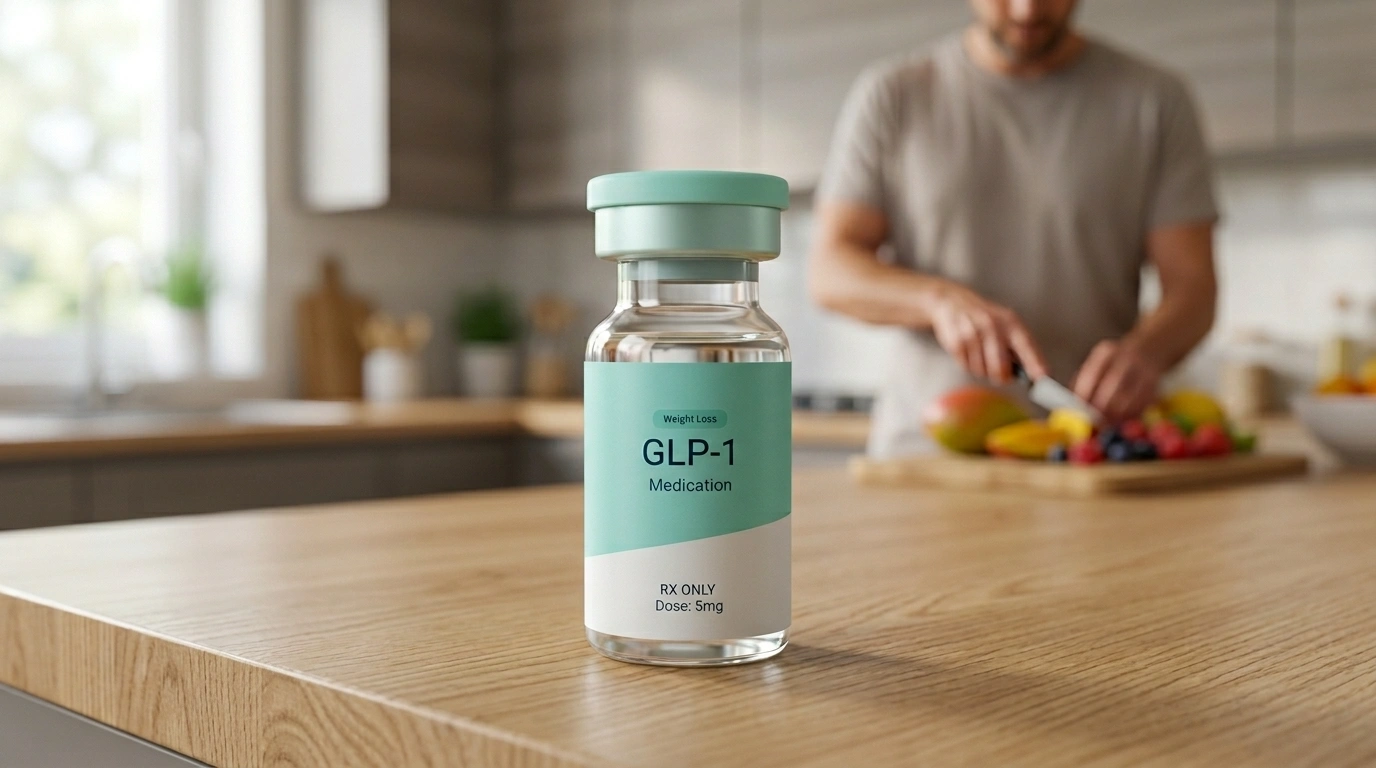
The Wegovy® (semaglutide) pen is a sophisticated medical device known as a FlexTouch® pen. It is a pre-filled, single-use injector designed to deliver a precise dose of semaglutide. Semaglutide is a glucagon-like peptide-1 (GLP-1) receptor agonist, which is a type of medication that mimics a natural hormone in your body. This hormone helps regulate your appetite by sending signals to your brain that you are full, and it also slows down how quickly your stomach empties. Because this medication is a protein-based peptide, it must be injected under the skin (subcutaneously) rather than taken as a pill to ensure it remains effective.
For additional background on semaglutide handling and treatment considerations, see this guide to semaglutide storage, travel, and handling.
The mechanical design relies on a spring-loaded system that activates when pressed against the skin. Unlike some other injectors, the Wegovy® pen does not have a visible needle that you manually insert. Instead, the needle is hidden within the device and is triggered when you apply firm pressure to the injection site. This design is intended to reduce “needle phobia” and make the process as painless as possible. However, because the inner workings are concealed, it can sometimes be difficult to see exactly why a pen is failing to trigger.
Successful delivery is confirmed through both visual and auditory cues. When the pen is working correctly, you will typically hear two distinct “clicks.” The first click signals that the injection has started, and the second click indicates that the dose is complete. Additionally, a yellow bar will move across the clear viewing window on the side of the pen. If the yellow bar has stopped moving and you have held the pen in place for the full ten seconds, the medication has been successfully delivered.
Identifying a Genuine Pen Malfunction
Before seeking a replacement, it is important to distinguish between a mechanical fault and a common usage error. Not every “failed” injection is the result of a broken pen. Sometimes, simple factors like the angle of the pen or the temperature of the medication can interfere with the process. However, there are several clear signs that a device has suffered a manufacturing defect or mechanical breakdown.
For a focused overview of warning signs and immediate next steps, review this Wegovy pen troubleshooting guide.
Visible physical damage is the most obvious sign of a faulty device. If you notice that the plastic casing of the pen is cracked, or if the cap was missing when you opened the box, the pen should be considered compromised. You should also inspect the medication itself through the viewing window. The liquid inside must be clear and colorless. If the solution appears cloudy, contains visible particles, or looks “bubbly” or frothy (not to be confused with a single small air bubble), the medication may have been exposed to extreme temperatures or contamination.
Common mechanical red flags include:
- A rigid or jammed button: You apply firm pressure against your skin, but the pen fails to “click” or trigger the needle.
- The yellow bar fails to move: Even after the first click, the indicator window remains clear, suggesting the plunger is stuck.
- Leaking from the pen body: If liquid is dripping from the side of the pen or the dial area, rather than just a small drop at the needle tip, the internal reservoir may be cracked.
- The dial is spinning freely: In multi-dose versions (common in some international markets), if the dial does not lock into a dose, the internal gears may be stripped.
Key Takeaway: A genuine malfunction is a device failure that occurs despite correct usage. Always inspect the liquid clarity and the integrity of the pen body before attempting an injection.
Troubleshooting Common Issues at Home
Many issues that appear to be malfunctions can be resolved with a few simple checks. Before assuming the pen is broken, try these steps to see if the device can be salvaged. However, if these steps do not work, do not use excessive force, as this could lead to an accidental injury or a wasted dose.
The Pen is Too Cold
Medication taken straight from the refrigerator can sometimes be more viscous, or thicker, making the mechanism feel stiff. If the pen feels difficult to press, try letting it sit at room temperature for about 30 to 60 minutes. This does not damage the semaglutide but allows the internal components to move more fluidly. Never use a heater or microwave to warm the pen; natural room temperature is the only safe method.
Improper Injection Angle
The Wegovy® pen requires a flat, firm surface to trigger the internal spring. If you are trying to inject into an area with a lot of loose skin, or if you are holding the pen at a sharp angle, the safety mechanism may not retract. Try repositioning the pen so it is exactly 90 degrees (perpendicular) to your skin. Firmly stretching the skin at the injection site can also provide the resistance needed for the pen to click.
Dealing with Air Bubbles
Seeing a small air bubble in the viewing window is completely normal and does not mean the pen is faulty. These small bubbles are a byproduct of the manufacturing process and are safe for subcutaneous injection. They do not affect the safety or the amount of medication you receive. If the liquid is frothy or filled with dozens of tiny bubbles, this may indicate the pen was shaken too hard, and you should let it sit until the liquid clears.
Needle Blockage
In some cases, a microscopic blockage in the needle can prevent the medication from flowing. While you cannot see the needle in a Wegovy® pen, a blockage will often result in the yellow bar starting to move and then stopping abruptly. If this happens, do not try to “unstick” the pen. If the medication cannot flow, the device is essentially non-functional and requires a report.
The Manufacturer Replacement Policy
Novo Nordisk, the manufacturer of Wegovy®, has a structured process for handling product complaints. Because these pens are regulated medical devices, the manufacturer is required to track failures and ensure patient safety. If you encounter a pen that will not fire, leaks, or is damaged, you are often eligible for a replacement or a voucher for a new device.
Replacement is not guaranteed for user error or improper storage. If a pen is left in a hot car or is accidentally frozen in the back of a refrigerator, the manufacturer may not provide a replacement, as these are considered handling errors. However, if the pen is stored correctly and used according to the provided instructions but still fails, it is considered a product quality issue.
TrimRx provides an added layer of support for those on our personalized weight loss programs. While we do not dispense branded medications like Wegovy® directly, we partner with licensed providers who can help you navigate the documentation required for a replacement. Our goal is to ensure that your treatment plan remains consistent, even when technology fails. If you are using our services and encounter a medication issue, our dedicated team can guide you on the best next steps to take with your pharmacy.
If you are considering a personalized prescription program, see if you qualify through a free assessment.
Step-by-Step: How to Report a Faulty Pen
If you have determined that your pen is faulty, you must follow a specific protocol to request a replacement. Do not throw the pen away immediately, as the manufacturer or your pharmacy may require you to return the defective device for investigation.
Step 1: Document the Issue
Write down exactly what happened during the attempted injection. Did you hear a click? Did the yellow bar move? Was there a leak? Take a clear photo of the pen, focusing on the viewing window and any visible damage. Also, locate the Lot Number and Expiration Date printed on the side of the pen or the box. This information is critical for the manufacturer to track if a specific batch of medication has widespread issues.
Step 2: Contact the Manufacturer
Call the Novo Nordisk Customer Care center or the Wegovy® Navigation Line. In the United States, the product complaint line is typically available Monday through Friday. They will walk you through a series of questions to determine if the fault was mechanical. Be prepared to provide the lot number you documented in Step 1.
Step 3: Speak with Your Pharmacy
The pharmacy that dispensed the medication is your primary point of contact for a physical replacement. Once you have a case number or authorization from the manufacturer, the pharmacy can often process a replacement through their supplier. Note that many pharmacies cannot take back used needles or pens due to biohazard laws, so follow their specific instructions for returning the faulty device.
Step 4: File an FDA MedWatch Report (Optional)
If you feel the device malfunction posed a safety risk, you can file a voluntary report with the FDA’s MedWatch program. This helps the government monitor the safety and reliability of medical devices across the country. This is not required for a replacement, but it contributes to the overall safety data for GLP-1 medications.
Managing Your Dosing Schedule After a Malfunction
One of the biggest concerns with a faulty pen is the risk of a missed dose. Because Wegovy® is a once-weekly medication, your body relies on a consistent level of semaglutide to maintain its appetite-suppressing effects. If a pen fails, you need to decide how to proceed without accidentally double-dosing.
For more guidance on missed injections, read this article about what to do if you miss a dose of GLP-1 medication.
The “48-Hour Rule” is the standard guidance for missed doses. If your pen malfunctions and you are unable to get a replacement immediately, check the calendar. If your next scheduled dose is more than two days (48 hours) away, you can take the replacement dose as soon as you get it. If your next dose is less than 48 hours away, it is usually recommended to skip the missed dose entirely and resume your regular schedule on your next “shot day.”
Never attempt to “double up” on doses to make up for a malfunction. Taking too much semaglutide at once significantly increases the risk of severe gastrointestinal side effects, such as intense nausea, vomiting, or dehydration. If you are unsure how to adjust your schedule, contact your healthcare provider or the specialists at our platform for guidance tailored to your specific treatment plan.
Bottom line: Safety is the priority. If a pen fails, wait for a confirmed replacement or professional advice rather than attempting to force a dose or taking extra medication later.
Prevention and Proper Storage Tips
While some malfunctions are unavoidable, many can be prevented through meticulous storage and handling. GLP-1 medications are delicate proteins that are sensitive to light, temperature, and physical shock.
For additional guidance, explore these semaglutide storage tips and best practices.
- Maintain the Cold Chain: Unopened Wegovy® pens must be stored in the refrigerator between 36°F and 46°F (2°C to 8°C). If a pen freezes, the medication is destroyed and the internal mechanism can be damaged by the expansion of the liquid.
- Avoid the “Freeze Zone”: Do not store your pens at the very back of the fridge or near the cooling element, where temperatures often dip below freezing. The middle shelf is usually the most stable environment.
- Protect from Light: Keep the pens in their original cardboard carton. Exposure to light can break down the semaglutide molecule over time, reducing its effectiveness.
- Check the Expiration Date: Using an expired pen is a common cause of perceived “failure.” As the medication ages, it can become cloudy or less effective, and the mechanical lubricants inside the pen may dry out.
The Role of Personalized Support
Navigating the technical side of weight loss medication is easier when you have a dedicated team behind you. At TrimRx, we believe that no one should feel alone when a technical glitch happens. Our telehealth-first approach means you have 24/7 access to specialists who understand the nuances of GLP-1 therapy.
Our programs are designed for the long term. Beyond just providing access to treatment, we offer comprehensive services that include lab work, unlimited support, and guidance on lifestyle changes that complement your medication. If you encounter a problem with a pen or have concerns about your dosage, our clinicians are available to provide clear, empathetic advice without the need for a waiting room or an in-person visit.
We also offer targeted supplements like GLP-1 Daily Support. These are designed to help manage the common side effects of GLP-1 medications and ensure your body has the nutrients it needs while your appetite is reduced. When medication delivery is consistent and your body is supported, the path to sustainable weight loss becomes much clearer.
For those seeking additional energy and metabolic support during weight loss, Weight Loss Boost may also fit into a broader wellness routine.
Conclusion
A faulty Wegovy® pen is a frustrating hurdle, but it is one that can be overcome with the right information and a calm approach. By identifying the signs of a genuine mechanical failure, such as a jammed button or a visible leak, you can take the necessary steps to secure a replacement. Remember to document your lot number, contact the manufacturer, and speak with your pharmacy to resolve the issue. At TrimRx, we are committed to helping you navigate these challenges through science-backed programs and empathetic, personalized support. Our mission is to make sustainable weight loss accessible and transparent, ensuring that a technical malfunction is nothing more than a temporary pause on your journey to better health. If you are ready to take the next step in your wellness journey, we invite you to take our free assessment quiz to see which of our personalized programs is right for you.
FAQ
What should I do if my Wegovy pen leaks after the injection?
A tiny drop of liquid at the needle tip is normal and expected. However, if a significant amount of liquid runs down your skin or stays inside the pen’s clear window, the dose may be incomplete; do not inject a second pen immediately, and instead contact your provider or the manufacturer for guidance.
Can I get a refund if my Wegovy pen doesn’t work?
Generally, pharmacies and manufacturers do not offer cash refunds for prescription medications, but they do have systems to provide replacement pens or vouchers for a new device if a mechanical fault is confirmed through their reporting process.
How do I find the lot number on my Wegovy pen?
The lot number (often preceded by “LOT”) is printed directly on the label of the pen itself and is also found on the side flap of the original cardboard box; you will need this number when calling the manufacturer to report a fault.
Is it safe to use a Wegovy pen if I see a small air bubble?
Yes, it is perfectly safe to use a pen with a small air bubble, as this is a normal part of the manufacturing process and does not affect the safety or the volume of the medication being delivered during your subcutaneous injection.
If you are unsure whether prescription treatment is appropriate for you, you can complete a personalized assessment.
Disclaimer: This content is for informational purposes only and does not constitute medical advice. It is not intended to diagnose, treat, cure, or prevent any disease or condition. Individual results may vary. Always consult a qualified healthcare professional before starting any weight loss program or medication.

Transforming Lives, One Step at a Time
Keep reading
Wegovy Prior Authorization Approved, Then Reversed: What Happens Now
Getting an approval and then losing it is worse than never being approved, and not only because of the medication. You made a plan…
Can the Wegovy Pill Hold the Weight You Lost on Semaglutide Injections?
Most likely yes, once you reach the maintenance dose. The risk is not the destination but the trip: switching means restarting titration on the…

Wegovy Alternatives: What Else Works for Weight Loss
If Wegovy isn’t working out, the strongest alternative is tirzepatide (Zepbound), which tends to produce more weight loss, followed by other GLP-1 options and…


