What Does a Wegovy Pen Look Like? A Visual and Functional Guide

Introduction
Starting a new medical journey can feel overwhelming, especially when it involves a self-administered injection. If your healthcare provider has recommended Wegovy® (semaglutide), one of the first questions you might have is about the device itself. Understanding what the pen looks like, how it feels in your hand, and how it functions can significantly reduce “needle anxiety” and help you feel more confident in your routine.
At TrimRx, we believe that transparency and education are the foundations of a successful weight loss journey. Whether you are using a branded auto-injector or exploring other personalized options through our platform, knowing the physical details of your medication is a vital first step. This guide provides a detailed look at the design, color-coding, and visual indicators of the Wegovy® pen to ensure you know exactly what to expect when you begin your program. If you are exploring whether a prescription weight loss program may be appropriate for you, you can complete a free eligibility assessment.
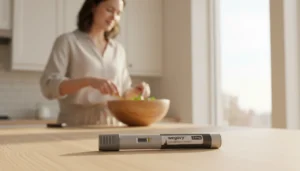
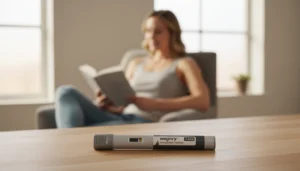
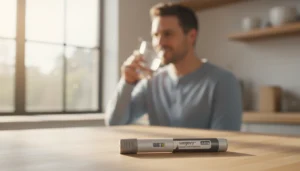
Quick Answer: A Wegovy® pen is a sleek, plastic, single-use auto-injector about the size of a large marker. It features a color-coded label, a clear inspection window to see the medication, and a hidden needle that is never visible before or during the injection process.
The Anatomy of a Wegovy Pen
The Wegovy® pen is designed as a single-use auto-injector. This means that unlike some other medications that require you to dial a dose or attach a needle manually, this device comes pre-filled and pre-set with a specific dosage. The design is intended to be user-friendly, particularly for individuals who may be nervous about needles. For more background, read this guide to how GLP-1 injections work.
The Pen Body and Cap
The body of the pen is made of sturdy, smooth plastic. It is roughly five to six inches long, making it easy to grip firmly in the palm of your hand. At one end is a large gray cap. This cap protects the needle and keeps the device sterile until the moment of use. It is important to keep the cap on until you are ready to perform the injection.
The Inspection Window
On the side of the pen, you will find a clear plastic window. This is one of the most important parts of the device. Before you use the pen, you should look through this window to inspect the medication. The liquid should be clear and colorless. If the liquid looks cloudy, contains particles, or appears discolored, the pen should not be used.
The Hidden Needle
One of the most distinctive features of the Wegovy® pen is that the needle is hidden. It is tucked away inside a plastic needle shield. When you press the pen against your skin, the shield retracts, and the needle is deployed automatically. Because the needle is so thin and the process is automated, many people report that the sensation is much milder than they anticipated.
The Yellow Bar Indicator
Inside the inspection window, you will also see a yellow bar. This bar is your visual progress tracker. Before the injection, the window is clear. As the medication is delivered, the yellow bar moves across the window. Once the injection is complete, the yellow bar will stop moving and fill the window entirely.
Color Coding and Dosage Strengths
Wegovy® follows a specific titration schedule, meaning the dose gradually increases over several months to allow your body to adjust. To help patients and providers keep track of these changes, each dosage strength is assigned a specific color on the pen’s label.
| Dosage Strength | Label Color | Usage Timing |
|---|---|---|
| 0.25 mg | Green | Initial starting dose (Month 1) |
| 0.5 mg | Pink | Second dose level (Month 2) |
| 1 mg | Brown | Third dose level (Month 3) |
| 1.7 mg | Blue | Fourth dose level (Month 4) |
| 2.4 mg | Black | Maintenance dose (Month 5 and beyond) |
By using this color-coded system, the manufacturer helps reduce the risk of dosing errors. You should always double-check that the color on your pen matches the dose prescribed by your healthcare provider for that specific week.
Key Takeaway: The Wegovy® pen uses a strict color-coded system to identify different strengths. Always verify the color and the dose printed on the label before every injection to ensure you are following your titration schedule correctly.
What the Pen Looks Like During Use
Understanding the visual and auditory cues of the pen can help you confirm that you have received your full dose. The process is designed to be mechanical and predictable.
The Two Clicks
When you press the pen firmly against your skin (typically on the thigh, abdomen, or upper arm), you will hear a click. This is the sound of the injection starting. As the medication is being delivered, you will hear a second click. It is a common misconception that the second click means the process is over. In reality, the second click indicates that the injection is still ongoing. For additional guidance on injection locations, review this semaglutide injection site guide.
The Progress Bar
While the pen is held against the skin, you can look at the inspection window. You will see the yellow bar moving steadily. You must continue to hold the pen in place until the yellow bar has stopped moving and fills the window. Only then is the dose fully delivered.
After the Injection
Once the yellow bar has stopped, you should count to ten before lifting the pen away from your skin. When you remove the pen, the plastic needle shield will slide back down and lock into place, covering the needle so it is never exposed. The window will now be completely occupied by the yellow bar, indicating the pen is empty. You can also review this visual guide to an empty Wegovy pen.
Comparing Branded Pens to Compounded Alternatives
While many people are familiar with the look of the Wegovy® auto-injector, others may access semaglutide through different formats. TrimRx connects patients with licensed providers who may prescribe compounded semaglutide, which is prepared in FDA-registered and inspected compounding pharmacies. It is important to understand that the physical appearance of these medications differs significantly from the branded Wegovy® pen.
Compounded Semaglutide Visuals
Compounded semaglutide typically arrives in a multi-dose glass vial. Unlike the single-use Wegovy® pen, a vial contains several weeks’ worth of medication. To use this format, you will typically use a traditional, very fine insulin syringe to draw the medication out of the vial and administer it manually.
Note: Compounded semaglutide and compounded tirzepatide are not FDA-approved. They are customized medications prepared by specialized pharmacies to meet specific patient needs or address shortages.
Key Differences in Appearance
- Device Type: Wegovy® is an auto-injector; compounded options are usually vials and syringes or occasionally a different style of multi-dose pen.
- Needle Visibility: In a Wegovy® pen, the needle is hidden. In a compounded setup, you will see the needle on the syringe, though these needles are generally very small and thin.
- Dose Management: The Wegovy® pen is pre-set. With a vial, you or your provider will determine the exact amount of liquid to draw into the syringe based on your personalized program.
Regardless of the format, our platform focuses on providing a personalized experience. We ensure that you have access to the necessary guidance to use whichever medication format is prescribed for you. If you are considering a prescription program, you can see whether you qualify for a personalized plan.
Storage and Maintenance of Your Pen
The way your pen looks can actually change if it is not stored correctly, which is why proper maintenance is essential.
Temperature Control
Wegovy® pens should generally be stored in the refrigerator. When kept at the correct temperature, the medication remains stable and clear. If the pen is left out in direct sunlight or exposed to extreme heat, the medication can degrade. This might cause the liquid in the window to look cloudy or “off,” which is a sign that the pen should not be used.
Inspecting for Damage
Before using your pen, take a moment to look at the outer plastic shell. You should check for:
- Cracks in the plastic body.
- A missing or loose gray cap.
- An expired date on the label.
- Any signs that the yellow bar is already visible in the window (which would mean the pen has already been used).
If any of these issues are present, the pen may not function correctly or may no longer be sterile. In such cases, it is best to consult with your provider or the pharmacy that dispensed the medication.
Step-by-Step Visual Check for Injection Day
Following a consistent routine helps ensure safety and efficacy. Here is how to visually confirm your pen is ready for use. For broader preparation guidance, see this step-by-step semaglutide injection guide.
Step 1: Check the label. / Confirm that the dose and color match your current prescription and that the expiration date has not passed.
Step 2: Inspect the window. / Hold the pen up to the light to ensure the liquid is clear and colorless, like water.
Step 3: Verify the cap. / Ensure the gray cap is securely in place and shows no signs of tampering before you pull it off.
Step 4: Monitor the yellow bar. / During the injection, keep your eyes on the window to watch the bar move and eventually fill the space completely.
Bottom line: A successful injection relies on a series of visual confirmations—from checking the clear liquid at the start to confirming the yellow bar has filled the window at the end.
How TrimRx Supports Your Journey
The physical look of a medication is just one small part of a much larger health picture. We understand that whether you are looking at a branded Wegovy® pen or a vial of compounded medication, the real goal is sustainable health and metabolic wellness.
Through TrimRx, you gain access to a platform that simplifies the entire process. We connect you with healthcare professionals who evaluate your medical history and goals to create a program tailored specifically to you. This includes not just the medication itself, but the ongoing support needed to navigate side effects, dosage changes, and lifestyle adjustments.
Our mission is to help you feel supported and equipped. By providing detailed information about what your treatment looks like and how it works, we aim to remove the guesswork from your weight loss journey. Our telehealth-first approach means you can get this expert guidance from the comfort of your home, without the need for waiting rooms or in-person visits.
Safety and Disposal Visuals
Once your Wegovy® pen is empty and the yellow bar is visible, it is no longer just a medical device—it is “sharps” waste. It is important to know what a proper disposal setup looks like.
The Sharps Container
You should never throw your used pens into the regular household trash or recycling bin. A proper sharps container is usually a bright red, heavy-duty plastic box with a biohazard symbol on the side. If you do not have an FDA-cleared sharps container, you can use a sturdy, puncture-resistant household container with a tight-fitting lid, such as a heavy-duty laundry detergent bottle.
Visual Cues for a Full Container
Most sharps containers have a “fill line” visible on the outside. Once the pens reach this line, the container is full and must be disposed of according to your local regulations. Keeping your disposal area organized is a key part of maintaining a safe environment at home during your treatment.
Myth: If I don’t see the needle, I can throw the pen in the regular trash. Fact: Even though the needle is hidden and locked after use, the pen still contains a medical sharp. It must always be disposed of in a puncture-resistant sharps container to prevent injury to sanitation workers.
Understanding the User Experience
For many, the “look” of the pen is secondary to the “feel” of the experience. The Wegovy® pen is designed to be an “all-in-one” solution. Because there is no visible needle, the psychological barrier to starting treatment is often much lower than it is for traditional injections.
The weight of the pen is light, and the tension in the spring mechanism is calibrated to be firm but easy to trigger. When you press down, you are in control of the start, but the pen handles the delivery. This balance of control and automation is why many patients find the transition to GLP-1 medications much smoother than they initially expected.
If you are just beginning to explore your options, taking the first step can be as simple as gathering more information. We invite you to take the free assessment quiz to see which personalized weight loss program might be right for your health profile.
Conclusion
The Wegovy® pen is a sophisticated yet simple tool designed to make chronic weight management as straightforward as possible. From its color-coded dosing to the moving yellow progress bar, every visual element serves a purpose: to keep you safe and informed. Whether you are using the green 0.25 mg starting dose or the black 2.4 mg maintenance dose, knowing what your pen looks like ensures you can focus on your health rather than the mechanics of the medication.
At TrimRx, we are committed to being your partner in this process. We provide the clinical expertise and modern technology needed to deliver personalized, medically supervised weight loss programs directly to you. Our approach is built on science, empathy, and the belief that everyone deserves a transparent path to a healthier life.
- Verify your dose by the label color.
- Inspect the liquid for clarity before every use.
- Wait for the yellow bar to fill the window completely.
- Dispose of every pen in a proper sharps container.
If you are ready to take the next step toward your goals, start with a free personalized assessment.
FAQ
Does the needle on a Wegovy pen show at any time?
No, the needle on a Wegovy® pen is never visible to the user. It is hidden behind a plastic needle shield that only retracts when the pen is pressed firmly against the skin and locks back into place immediately after the injection is finished.
What should I do if the liquid in my pen window looks cloudy?
If the liquid in the inspection window appears cloudy, thick, or has any visible particles, you should not use the pen. The medication should always be clear and colorless; cloudiness can indicate that the medication has been compromised or stored improperly.
How do I know if I have finished the injection?
You will know the injection is complete when the yellow bar in the inspection window stops moving and fills the window entirely. It is also recommended to count to ten after the second click and after the yellow bar stops moving before lifting the pen from your skin.
Can I see how much medicine is left in the pen?
Wegovy® pens are single-use and contain only one dose. The window will show clear liquid before you use it, and it will be filled by the yellow progress bar once the medication has been delivered, indicating the pen is now empty and should be discarded.
Disclaimer: This content is for informational purposes only and does not constitute medical advice. It is not intended to diagnose, treat, cure, or prevent any disease or condition. Individual results may vary. Always consult a qualified healthcare professional before starting any weight loss program or medication.

Transforming Lives, One Step at a Time
Keep reading
Wegovy Alternatives: What Else Works for Weight Loss
If Wegovy isn’t working out, the strongest alternative is tirzepatide (Zepbound), which tends to produce more weight loss, followed by other GLP-1 options and…
VK2735 vs Wegovy: Investigational Contender vs Proven Semaglutide
VK2735 and Wegovy sit at different stages of development. VK2735, an investigational drug from Viking Therapeutics, comes in both injectable and oral forms and…
Mazdutide vs Wegovy: How the Two Compare
Mazdutide and Wegovy are both injectable weight-loss drugs, but they are worlds apart on availability. Mazdutide, a dual glucagon and GLP-1 agonist, is approved…


