Can You Take Mounjaro and Ozempic Together?
Introduction
The journey to sustainable weight loss often involves navigating a complex landscape of modern medications. You may have experienced the frustration of a weight loss plateau or the confusion of hearing about multiple high-profile treatments. It is common to wonder if combining the strengths of two leading medications might lead to better or faster results. Specifically, many people ask if they can take Mounjaro® and Ozempic® together.
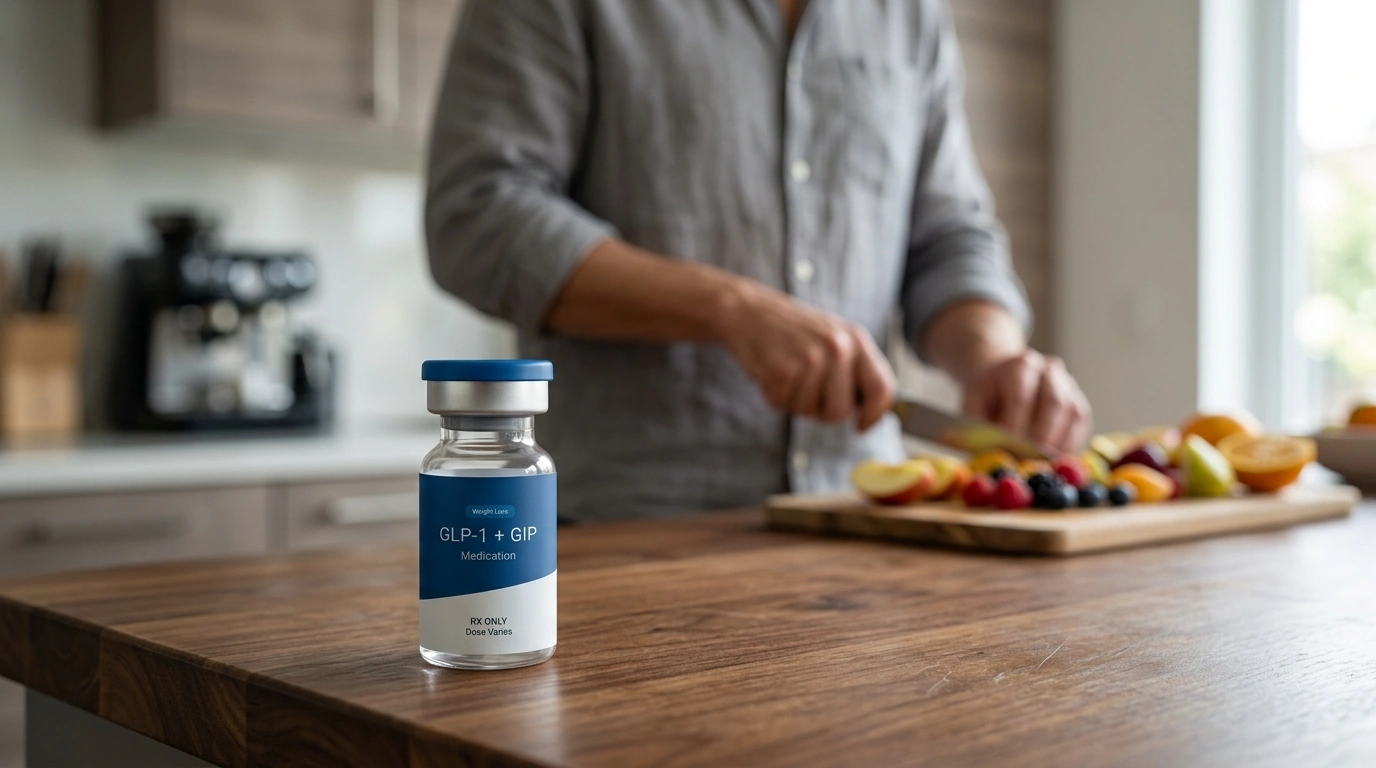
At TrimRx, we believe that understanding the science behind your treatment is the first step toward safety and success. While both of these medications are highly effective for managing metabolic health and supporting weight loss, they are not designed to be used at the same time. This post will cover why combining these therapies is clinically discouraged, the risks involved in therapeutic duplication, and how we help you find the single most effective path for your unique body. Combining these medications can lead to serious safety concerns without providing additional benefits. If you are considering a prescription weight loss program, you can complete a free eligibility assessment.
Quick Answer: No, you should not take Mounjaro® and Ozempic® together. Using both at once is considered therapeutic duplication, which significantly increases the risk of severe side effects like extreme nausea, dehydration, and dangerous drops in blood sugar.
Understanding Why Combining These Medications Is Discouraged
The primary reason healthcare providers advise against taking these two medications together is a concept known as therapeutic duplication. This occurs when a person takes two different medicines that work in the same way or belong to the same drug class. Because these medications target similar pathways in the body, taking both is essentially like taking a double dose of a single medication.
Ozempic® (semaglutide) is a GLP-1 receptor agonist. This means it mimics a hormone called glucagon-like peptide-1 (GLP-1) that your body naturally produces. This hormone tells your brain you are full, slows down how fast your stomach empties, and helps your pancreas release the right amount of insulin.
Mounjaro® (tirzepatide) is a dual GIP and GLP-1 receptor agonist. It mimics the same GLP-1 hormone as its counterpart, but it also mimics a second hormone called glucose-dependent insulinotropic polypeptide (GIP). By targeting two receptors instead of one, it provides a powerful effect on appetite and blood sugar.
For a broader explanation of how these medications overlap, read how semaglutide and tirzepatide work when compared.
The Overlap Problem
Because both medications act on the GLP-1 receptor, using them simultaneously causes an overload on that specific pathway. Your body has a limited number of these receptors. Once they are fully occupied by one medication, adding another does not necessarily make the treatment more effective. Instead, it “overflows” the system, which is where the risk of complications begins.
Clinical Safety and Research
To date, there are no clinical trials or medical studies that support the safety or effectiveness of taking semaglutide and tirzepatide together. Pharmaceutical manufacturers and the medical community emphasize that these treatments are intended as monotherapies—meaning they should be used one at a time. Using them together is an experimental approach that can lead to unpredictable and potentially dangerous reactions.
Key Takeaway: Combining Mounjaro® and Ozempic® creates “therapeutic duplication,” which overloads the body’s hormonal receptors and significantly raises the risk of complications without adding weight loss benefits.
Potential Risks and Severe Side Effects
When you take two medications that slow down your digestion and influence your insulin levels, the side effects do not just add up—they can multiply. The most significant risks associated with combining these two treatments involve the gastrointestinal system and metabolic stability.
For additional context on nausea, vomiting, and other treatment reactions, review this guide to common GLP-1 side effects and what to expect.
Severe Gastrointestinal Distress Both medications are known to cause nausea, vomiting, and diarrhea as the body adjusts. When taken together, these symptoms can become debilitating. Persistent vomiting and diarrhea can quickly lead to severe dehydration, which is a leading cause of kidney strain and acute kidney injury in patients using these types of medications.
Increased Risk of Hypoglycemia Hypoglycemia, or dangerously low blood sugar, is a major concern when stacking metabolic medications. While these drugs are designed to regulate blood sugar, taking both can cause levels to drop below the healthy range. This can lead to dizziness, confusion, fainting, or more serious neurological issues.
Potential for Pancreatitis Research suggests that GLP-1 medications may increase the risk of pancreatitis, which is a painful inflammation of the pancreas. While this is a rare side effect for most people taking one medication, doubling the stimulation of the pancreatic pathways through two different drugs could theoretically increase this risk further.
Gastroparesis and Digestive Blockage Both medications work by slowing down “gastric emptying,” which is the rate at which food leaves your stomach. If this process is slowed down too much by multiple medications, it can lead to gastroparesis (stomach paralysis) or even bowel obstructions. These are serious medical conditions that often require hospitalization.
Note: If you have already taken both medications by mistake, contact a healthcare provider immediately. Watch for signs of severe abdominal pain, inability to keep down liquids, or extreme dizziness.
Comparing the Two Medications
While you cannot take them together, it is helpful to understand how they differ so you can work with a provider to choose the one that fits your health profile best.
| Feature | Ozempic® (Semaglutide) | Mounjaro® (Tirzepatide) |
|---|---|---|
| Drug Class | GLP-1 Receptor Agonist | Dual GIP & GLP-1 Receptor Agonist |
| Primary Action | Mimics one gut hormone | Mimics two gut hormones |
| Common Uses | Type 2 Diabetes, CV Risk | Type 2 Diabetes |
| Off-Label Use | Weight Management | Weight Management |
| Dosing Schedule | Once-weekly injection | Once-weekly injection |
| Mechanism | Slows digestion, increases satiety | Slows digestion, increases satiety, improves fat metabolism |
Active Ingredients Explained The active ingredient in Ozempic® is semaglutide, which has been studied for years and is well-regarded for its cardiovascular benefits. The active ingredient in Mounjaro® is tirzepatide, which is often noted in clinical studies for producing a slightly higher percentage of weight loss due to its dual-action GIP component.
Why People Consider Switching Rather Than Combining
If your current medication does not seem to be working as well as you hoped, the answer is almost never to add a second medication. Instead, the safer and more effective clinical strategy is to switch from one to the other.
If a plateau is prompting you to consider a change, this overview of why weight loss can stall on a GLP-1 offers additional perspective.
Common Reasons for Switching:
- Plateaus: You may find that your weight loss has stalled on semaglutide and want to try the dual-action approach of tirzepatide.
- Tolerability: Some individuals experience fewer side effects on one medication than the other.
- Availability: Frequent shortages of branded medications sometimes require patients to transition to whatever is currently available through their pharmacy or provider.
- Clinical Goals: Your provider may decide that your blood sugar or metabolic markers would respond better to a different hormonal pathway.
We help our members navigate these transitions through our personalized programs. By looking at your history and how you reacted to previous treatments, we can determine if a different concentration or a different medication entirely is the right next step. To see whether personalized support may be appropriate for you, take the free assessment quiz.
How to Safely Transition Between Medications
If you and a healthcare professional decide that a change is necessary, there is a specific process to follow. You should never stop one and start the other without a plan, as both medications have long “half-lives”—meaning they stay in your system for several weeks.
Step 1: Consult Your Healthcare Provider A licensed professional must evaluate your current dosage and any side effects you are experiencing. They will determine if you are a candidate for the new medication based on your medical history.
Step 2: The Washout Period In many cases, a “washout period” is recommended. This is a gap of at least seven days (one full dosing cycle) between your last dose of the old medication and your first dose of the new one. Because semaglutide can stay in the system for up to five weeks, some providers may suggest a longer break if you experienced severe side effects.
Step 3: Starting at the Lowest Dose Even if you were at the maximum dose of Ozempic®, you will usually start at the lowest introductory dose of the new medication. For tirzepatide, this is typically 2.5 mg. This allows your body to adjust to the new hormonal signals without overwhelming your digestive system.
Step 4: Monitoring and Titration After the first month, your provider will assess how you are feeling. If you are tolerating the medication well, they may slowly increase your dose, a process known as titration.
Bottom line: Transitioning between these medications requires a calculated pause and a “start low, go slow” approach to ensure your safety and minimize GI distress.
The Role of Personalized Telehealth in Weight Management
Navigating the world of GLP-1 and GIP medications can feel overwhelming. Many people feel they have to choose between waiting months for a local doctor’s appointment or trying to figure it out on their own. Our platform offers a different approach.
We provide a telehealth-first model that connects you with providers who specialize in these modern weight loss treatments. When you work with us, you aren’t just getting a prescription; you are getting a tailored program designed for your specific metabolic needs. Our process includes:
- A Detailed Assessment: We use a comprehensive quiz to understand your health goals and medical history.
- Clinical Oversight: Every program is reviewed by a licensed provider to ensure the medication is appropriate for you.
- Personalized Programs: We don’t believe in a one-size-fits-all dosage. We focus on finding the “sweet spot” where you see results with minimal side effects.
- Ongoing Support: You have access to specialized support to answer questions about side effects, dosing, or when it might be time to adjust your plan.
Through our platform, you can access medications like Compounded Semaglutide or Compounded Tirzepatide. These are prepared by FDA-registered, inspected compounding pharmacies. This can be a vital option for those facing branded medication shortages or looking for a more personalized dosing schedule.
Maximizing Results Without Doubling Up
Since you cannot take these two medications together, the best way to accelerate your progress is to optimize how your body responds to a single, well-managed medication. Weight loss is a multi-faceted process that involves more than just a weekly injection.
For practical guidance on nutrition, movement, hydration, and treatment routines, explore how to get the most out of GLP-1 treatment.
Focus on Protein and Fiber GLP-1 medications reduce your appetite, which means every bite you eat counts. Prioritizing lean protein helps preserve muscle mass as you lose fat, while fiber supports healthy digestion—which is crucial since these medications slow down your gut.
Hydration and Electrolytes Because nausea and changes in thirst are common, staying hydrated is your best defense against the most frequent side effects. We often recommend incorporating electrolytes to help maintain your energy levels and prevent the headaches sometimes associated with these treatments. You can also review this guide to hydration and metabolic health during weight loss.
Nutritional Support Sometimes, the body needs a little extra help to manage the transition. We offer quick-access supplements like GLP-1 Daily Support and Weight Loss Boost that can be purchased immediately. These are designed to support your body’s natural pathways and provide the nutrient foundation you need while on a reduced-calorie plan. For energy and metabolic support alongside a GLP-1 plan, explore the Weight Loss Boost supplement.
Consistency Over Speed It is tempting to want the fastest results possible, but sustainable weight loss is a marathon. Taking two medications at once is a high-risk gamble that often leads to treatment discontinuation due to illness. Following a steady, medically supervised plan is the only way to ensure the weight stays off long-term.
Managing Common Side Effects Safely
If you are currently on a medication and feeling the urge to “add something more” because you are frustrated with side effects or slow progress, consider these management tips instead.
- Eat smaller meals: To help with nausea, try eating five small snacks a day instead of three large meals.
- Avoid greasy foods: High-fat meals can sit in the stomach longer, worsening the feeling of “fullness” to the point of discomfort.
- Stay upright after eating: Don’t lie down immediately after a meal to help prevent acid reflux.
- Consult your provider: If side effects are persistent, your provider can adjust your dose or suggest a different formulation.
Key Takeaway: Success on a GLP-1 program comes from optimizing lifestyle and dose timing, not from combining multiple prescription medications.
Summary of Clinical Guidance
The medical consensus is clear: Mounjaro® and Ozempic® should never be used simultaneously. The risks of severe gastrointestinal issues, kidney strain from dehydration, and dangerous blood sugar drops far outweigh any perceived benefit. If your current treatment is not meeting your expectations, the correct path is a supervised transition to a different dose or a different medication.
Our mission is to help you navigate these choices with empathy and clinical expertise. We provide the tools, the technology, and the professional guidance needed to transform your metabolic health safely. By focusing on a single, personalized treatment plan, you can achieve the results you desire without compromising your safety. If you are ready to explore your options, complete the free assessment quiz.
FAQ
Can I take Mounjaro and Ozempic at the same time if I use a low dose of each?
No, even at low doses, combining these medications is not recommended. They both target the GLP-1 receptor, and taking them together significantly increases the risk of side effects like severe nausea and vomiting. A licensed healthcare provider will always recommend using only one medication at a time to ensure your safety and monitor your progress.
What happens if I accidentally take both medications in the same week?
If you have taken both, you should monitor yourself closely for signs of severe dehydration, extreme dizziness, or persistent vomiting. You should contact a healthcare provider or seek medical attention if you cannot keep down liquids or experience intense abdominal pain. Combining them can cause a significant drop in blood sugar and put a heavy strain on your digestive system and kidneys.
Is Mounjaro more effective for weight loss than Ozempic?
Clinical studies generally suggest that Mounjaro® (tirzepatide) may result in a higher percentage of weight loss compared to Ozempic® (semaglutide) because it targets two hormonal pathways instead of one. However, the “best” medication depends on your individual health profile, your tolerance for side effects, and your specific goals. A personalized medication assessment is the best way to determine which medication is right for you.
How long should I wait to start Mounjaro after my last Ozempic dose?
Most healthcare providers recommend a washout period of at least seven days, meaning you would wait until your next scheduled injection day to start the new medication. This allows the concentration of the previous drug to begin to lower in your system. In some cases, a provider might recommend a longer break, especially if you were experiencing side effects from your previous treatment.
Disclaimer: This content is for informational purposes only and does not constitute medical advice. It is not intended to diagnose, treat, cure, or prevent any disease or condition. Individual results may vary. Always consult a qualified healthcare professional before starting any weight loss program or medication.

Transforming Lives, One Step at a Time
Keep reading
When You and Your Spouse Are Both on Mounjaro
It is increasingly common for both people in a couple to be on the same medication. Sometimes one partner starts and the other follows…

Keeping the Navratri Fast on Mounjaro
Navratri, the festival of nine nights, is observed twice a year by many Hindu families, in spring and in autumn. For many, it is…

A Milestone Birthday Dinner on Mounjaro
A 50th, 60th, 70th, or 80th birthday deserves a real celebration. Often that means a long dinner at a favorite restaurant or a family…


