Can I Drink While Taking Ozempic? What You Need to Know
Introduction
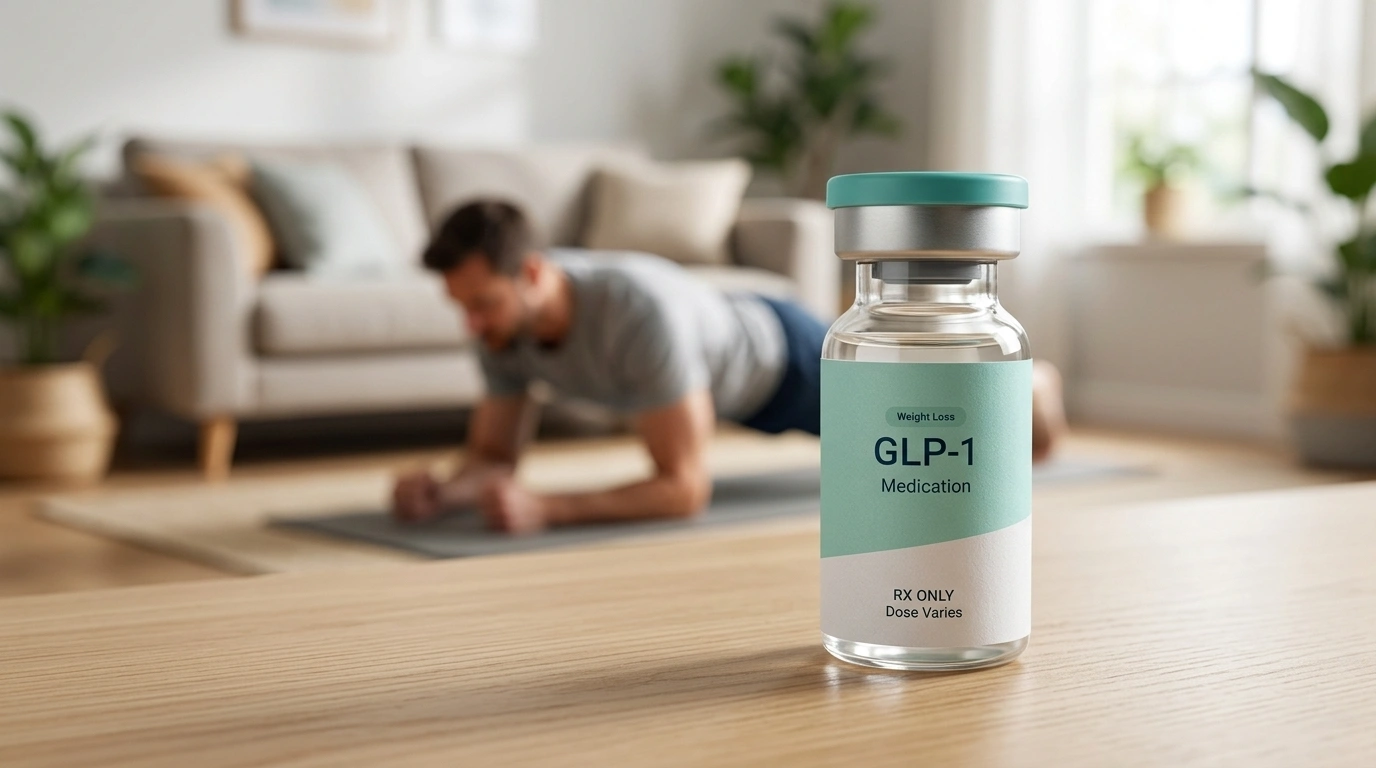
Starting a weight loss journey often involves making significant shifts in your daily habits, and for many, that includes re-evaluating social routines. If you have recently begun a medication program or are considering one, you might find yourself wondering how your favorite evening glass of wine or weekend cocktail fits into the picture. Specifically, the question of whether you can drink while taking Ozempic® is one of the most common concerns we hear.
At TrimRx, we believe that understanding the intersection of medication and lifestyle is the key to long-term success. This article will look at how alcohol interacts with semaglutide (the active ingredient in Ozempic®), the potential risks to your progress, and how to manage social situations safely. While having a drink is not strictly forbidden, there are important metabolic and safety factors you should consider to protect your health and your results. Our goal is to provide you with the clarity needed to make informed choices on your path to wellness. If you are considering a personalized program, you can take the free assessment quiz.
How Ozempic and Alcohol Interact in the Body
To understand why drinking requires caution, it is helpful to look at how semaglutide works. Semaglutide is a GLP-1 receptor agonist. This means it mimics a natural hormone in your body called glucagon-like peptide-1 (GLP-1). This hormone targets areas of the brain that regulate appetite and food intake. It also slows down gastric emptying, which is the speed at which food leaves your stomach. For a deeper dive, see our semaglutide and alcohol guide.
When you introduce alcohol into this equation, the mechanics of your digestion change. Because the medication keeps food and liquid in your stomach longer, alcohol may stay in your system for an extended period. This can lead to unpredictable absorption rates and may change how quickly you feel the effects of a drink.
Quick Answer: While there is no direct, dangerous drug-to-drug interaction between alcohol and Ozempic®, drinking can worsen common side effects like nausea and increase the risk of low blood sugar. Most healthcare providers recommend moderation or limiting alcohol to ensure the medication can work effectively for weight loss and blood sugar management.
The Liver’s Priority Shift
The liver plays a vital role in both metabolizing alcohol and regulating blood sugar. When you consume alcohol, your liver views it as a toxin that needs to be cleared immediately. It prioritizes breaking down the alcohol over its other tasks, such as releasing stored glucose into your bloodstream.
For an individual taking a medication designed to lower blood sugar, this “priority shift” can be problematic. If the liver is busy processing a cocktail, it may not be able to maintain your blood glucose levels properly. This creates a higher risk for hypoglycemia, or dangerously low blood sugar.
Gastric Emptying and Absorption
Because semaglutide slows down the digestive process, everything you swallow sits in the stomach longer. This includes alcoholic beverages. For some, this means the alcohol is absorbed more slowly, leading to a delayed “buzz.” For others, the irritation of alcohol sitting in the stomach for an extended period can lead to intense gastric distress.
Potential Side Effects of Mixing Alcohol and Semaglutide
Many people experience mild side effects when they first start a GLP-1 medication. These often include nausea, bloating, or changes in bowel habits. For a closer look at what patients commonly notice, read our GLP-1 side effects overview. Unfortunately, alcohol can act as a “multiplier” for these uncomfortable symptoms.
Increased Nausea and Vomiting
Nausea is the most frequently reported side effect of semaglutide. Alcohol is a known stomach irritant that increases gastric acid production. When you combine the two, you may find that even a single drink triggers significant waves of nausea or leads to vomiting. The delayed gastric emptying mentioned earlier means the alcohol irritates the stomach lining for a longer duration than it would otherwise.
Dehydration Risks
Both GLP-1 medications and alcohol can contribute to dehydration. Alcohol is a diuretic, meaning it encourages the body to flush out fluids. Many patients on weight loss programs already struggle to maintain adequate hydration as their appetite for water sometimes decreases along with their appetite for food.
Key Takeaway: Combining alcohol with semaglutide can lead to severe dehydration and worsened gastrointestinal symptoms. Maintaining a high intake of water is essential if you choose to consume alcohol while on this medication.
Worsened Reflux and Heartburn
If you are prone to acid reflux, you likely already know that alcohol—especially wine and carbonated beer—can be a trigger. Because Ozempic® keeps the stomach full for longer, the likelihood of acid backing up into the esophagus increases. Drinking while the stomach is trying to process a meal can result in painful heartburn that lasts well into the night.
The Impact on Weight Loss Progress
Beyond the immediate physical side effects, alcohol can significantly slow down your weight loss progress. If your goal is sustainable weight management, it is important to consider the metabolic cost of “empty calories.”
The Caloric Density of Alcohol
Alcohol is calorie-dense, providing seven calories per gram. These calories offer no nutritional value and are often accompanied by sugary mixers, juices, or sodas. When you are on a personalized program through us, every calorie counts toward your nutritional goals. A few drinks a week can easily add up to hundreds of extra calories that might stall your progress.
Lowered Inhibitions and “Food Noise”
One of the greatest benefits of GLP-1 medications is the reduction of “food noise”—the constant intrusive thoughts about eating. Alcohol is famous for lowering inhibitions. After a drink or two, you may find that your willpower is diminished, making you more likely to reach for high-calorie, processed snacks that you would otherwise avoid. This can lead to a cycle of overeating that counteracts the appetite-suppressing effects of the medication. If that dynamic sounds familiar, our food noise and GLP-1 guide goes deeper into the connection.
Interruption of Fat Burning
When alcohol is in your system, your body stops burning fat and sugar for energy so it can focus on eliminating the alcohol. This effectively “pauses” your metabolism’s ability to tap into fat stores. If you drink frequently, you are essentially putting your weight loss on pause multiple times a week.
Bottom line: While the occasional drink may not completely ruin your efforts, frequent alcohol consumption introduces excess calories and pauses the fat-burning process, making it much harder to reach your target weight.
Serious Safety Considerations
While most concerns about drinking while taking Ozempic® involve discomfort or stalled weight loss, there are more serious health risks that require a conversation with a healthcare provider. If you want a broader safety perspective, our GLP-1 safety overview covers the bigger picture.
Risk of Hypoglycemia
Hypoglycemia is a condition where your blood sugar drops too low. While semaglutide itself has a low risk of causing hypoglycemia in people without Type 2 diabetes, the risk increases when alcohol is added to the mix.
Symptoms of low blood sugar can include:
- Dizziness or lightheadedness
- Shakiness or tremors
- Confusion or irritability
- Rapid heartbeat
- Blurred vision
Important: The symptoms of hypoglycemia often look very similar to the signs of being intoxicated. This makes it difficult for you—or those around you—to recognize if you are experiencing a medical emergency or simply feeling the effects of the alcohol.
Pancreatitis Concerns
There is a documented, though rare, risk of pancreatitis (inflammation of the pancreas) associated with GLP-1 medications. Excessive alcohol consumption is also a leading cause of pancreatitis. Combining the two could potentially increase the strain on this vital organ. If you have a history of pancreatitis, your healthcare provider will likely advise you to avoid alcohol entirely while on medication.
Kidney Function
Dehydration caused by the combination of medication and alcohol can put undue stress on the kidneys. In rare cases, severe dehydration from vomiting or diarrhea (exacerbated by alcohol) has led to acute kidney injury in patients taking GLP-1 receptor agonists.
Does Ozempic Change Your Desire to Drink?
Interestingly, many people report a surprising side effect: they no longer want to drink. Emerging research and anecdotal evidence suggest that GLP-1 medications may dampen the reward system in the brain that responds to alcohol.
Reduced Cravings
For some, the “buzz” they used to get from a cocktail simply disappears, or the thought of a drink becomes unappealing. This is because the medication affects the same dopamine pathways involved in addiction and cravings. Some clinical trials are even investigating semaglutide as a potential treatment for alcohol use disorder.
Changing Social Habits
If you find that your desire for alcohol has vanished, it can be a helpful tool for your health journey. However, it can also lead to social pressure. Learning to navigate social events with a mocktail or sparkling water can help you stay on track without feeling left out.
Note: If you notice a significant decrease in your desire for alcohol, embrace it as a positive step toward your health goals. Always discuss significant changes in your habits or cravings with your medical provider.
Practical Tips for Drinking Safely
If you and your healthcare provider decide that moderate alcohol consumption is acceptable for you, follow these steps to minimize risks and discomfort.
Step 1: Consult your provider. Before you have your first drink on the medication, ask your doctor if it is safe for your specific health profile. If you’re still exploring a personalized plan, you can see if you qualify for a personalized program. They can review your lab work and medical history to give you a personalized “green light” or word of caution.
Step 2: Start very slow. Treat your first drink as a test. Your tolerance may be much lower than it was before you started the medication. Have half a serving and wait an hour to see how your stomach and head feel.
Step 3: Never drink on an empty stomach. Because of the risk of hypoglycemia and stomach irritation, always pair your drink with a protein-rich meal. This helps stabilize your blood sugar and provides a buffer for the stomach lining.
Step 4: The “One-for-One” rule. For every alcoholic beverage you consume, drink at least 8 to 16 ounces of water. This helps combat the dehydrating effects of both the medication and the alcohol.
Step 5: Choose lower-sugar options. Avoid syrupy cocktails, dessert wines, and heavy beers. Instead, opt for:
- Clear spirits (vodka, gin, silver tequila) with sparkling water and lime.
- A small glass of dry white or red wine.
- Light beer in moderation.
Step 6: Monitor your body. Pay close attention to how you feel. If you start to feel dizzy, nauseated, or unusually tired, stop drinking immediately and consume a small amount of carbohydrates or a glucose tablet if you suspect low blood sugar.
How TrimRx Supports Your Lifestyle Choices
We understand that a weight loss journey is about more than just a prescription; it is about learning how to live your life while reaching your goals. Our platform is designed to provide the medical supervision and support you need to navigate these questions. If you are ready to explore a personalized path, begin your free assessment.
When you join a program through us, you are not just getting access to medication from FDA-registered, inspected compounding pharmacies. You are gaining a team. Our licensed providers can help you understand how your specific dosage might interact with your lifestyle, including your social habits. Whether you are using Compounded Semaglutide, Oral Semaglutide, or Compounded Tirzepatide, we provide a personalized approach that takes your whole life into account.
We also offer specialized supplements like GLP-1 Daily Support to help manage the common side effects that can be worsened by lifestyle factors like alcohol. Our goal is to ensure you feel supported 24/7, with no hidden fees and a transparent path to success.
Myth: You must quit alcohol entirely to see results on Ozempic®. Fact: While many people choose to quit or significantly reduce their intake, moderate and occasional consumption may be possible for some. However, reducing alcohol is almost always beneficial for faster, more sustainable weight loss.
Navigating Social Situations Without Alcohol
If you decide that drinking while on your medication isn’t worth the risk of side effects, you can still enjoy a vibrant social life. Here are a few ways to handle “happy hour” without the hangover:
- Mocktails: Many bars now offer sophisticated non-alcoholic drinks made with botanicals and fresh juices.
- The “Club Soda Camouflage”: Ordering a club soda with a splash of cranberry and a lime looks exactly like a cocktail, which can help avoid unwanted questions from peers.
- Focus on the Connection: Remind yourself that social events are about the people, not the liquid in your glass.
- Host Your Own Events: Control the menu by hosting gatherings where delicious, healthy food and alcohol-free beverages are the stars.
Summary of Key Takeaways
Navigating the world of GLP-1 medications like Ozempic® or Wegovy® requires a mindful approach to what you consume. While having a drink is often technically “allowed,” it is rarely “optimal” for your health or your weight loss goals.
- Interaction: There is no direct drug conflict, but alcohol worsens GI side effects and increases hypoglycemia risk.
- Metabolism: Alcohol provides empty calories and pauses fat burning, which can stall your progress.
- Cravings: Many people find their desire for alcohol naturally decreases while on semaglutide.
- Safety: Always prioritize hydration, eat before drinking, and consult your healthcare provider.
Our mission is to help you navigate these choices with confidence. We provide the tools, the technology, and the clinical expertise to make your weight loss journey as smooth as possible. By choosing a personalized program, you are giving yourself the best chance at a healthier, more vibrant future. When you’re ready, take the free assessment quiz.
FAQ
Is it safe to have one glass of wine on Ozempic?
For most people, a single glass of wine is generally considered safe, provided it is consumed with food and you are staying well-hydrated. However, you should always check with your healthcare provider first, as individual health factors like your history with pancreatitis or diabetes can change this recommendation. Be prepared for the possibility that the wine may cause more heartburn or nausea than usual. For a deeper explanation, see our semaglutide and alcohol guide.
Will alcohol stop me from losing weight on semaglutide?
Alcohol can certainly slow down your progress. It contains high amounts of “empty” calories and causes your body to stop burning fat while it processes the alcohol. Additionally, drinking can lead to poor food choices, which may counteract the appetite-suppressing benefits of your medication. If you want the fundamentals of how the medication works, our what GLP-1 does in the body guide is a helpful place to start.
Can drinking alcohol on Ozempic cause low blood sugar?
Yes, alcohol can increase the risk of hypoglycemia, especially if you have Type 2 diabetes or are taking other glucose-lowering medications. The liver focuses on clearing the alcohol rather than releasing glucose to maintain your blood sugar levels. Because the symptoms of low blood sugar and intoxication are similar, this can be a dangerous situation.
Why do I feel sick after just one drink on my weight loss medication?
This is likely due to the medication’s effect on your digestion. Semaglutide slows down gastric emptying, meaning the alcohol stays in your stomach longer and irritates the lining. This can lead to increased nausea, acid reflux, and general stomach discomfort, even with very small amounts of alcohol.
Disclaimer: This content is for informational purposes only and does not constitute medical advice. It is not intended to diagnose, treat, cure, or prevent any disease or condition. Individual results may vary. Always consult a qualified healthcare professional before starting any weight loss program or medication.

Transforming Lives, One Step at a Time
Keep reading
Why Does My Tongue Feel Coated on Ozempic?
Usually because there is less saliva washing your tongue clean, and less food passing over it to do the same job mechanically. Your tongue…
Starting a New Job With No Insurance While on Ozempic
The problem is usually a waiting period rather than a permanent loss, and waiting periods are plannable in a way that job loss is…
Does Collagen Help With Loose Skin on Ozempic?
Probably not for the thing you are hoping it will fix, and it is unlikely to do harm. Collagen supplements have been studied mainly…


