How to Get Ozempic or Semaglutide in Pittsburgh
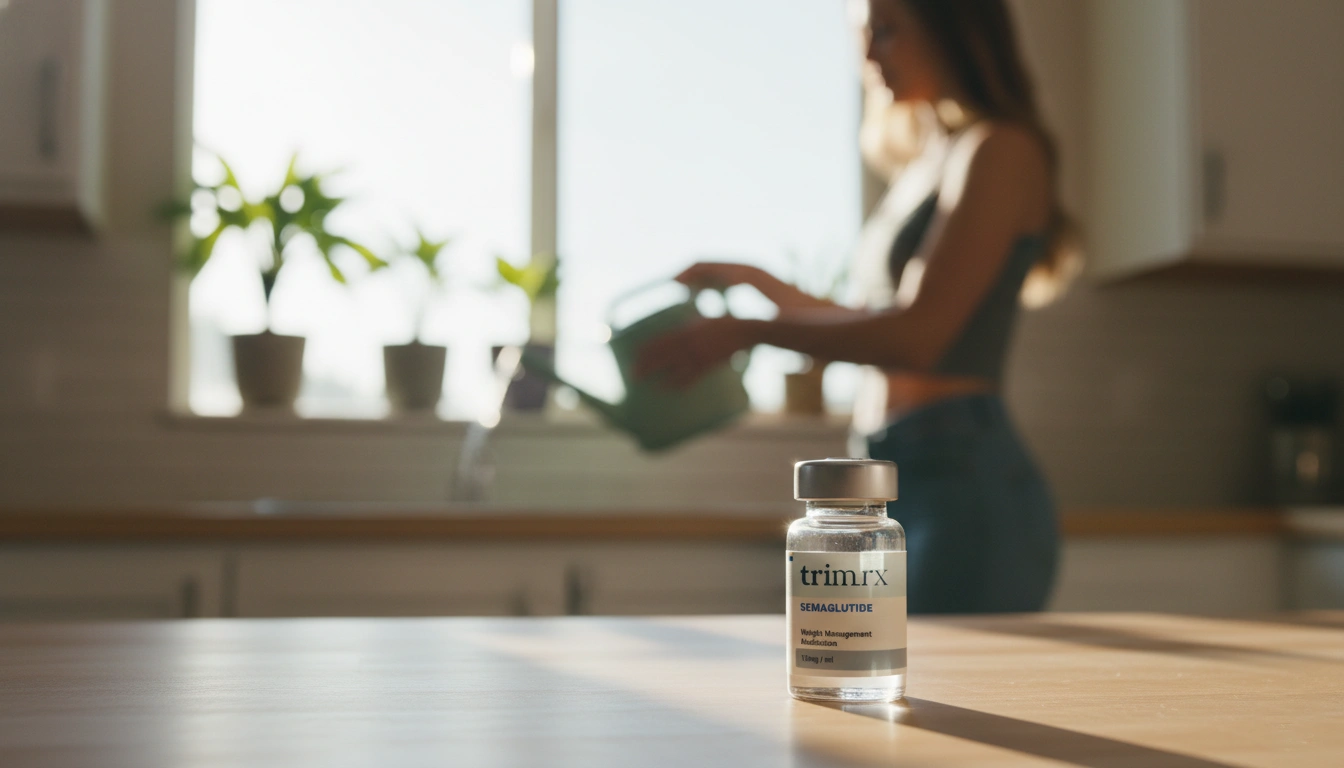
Pittsburgh residents have more options for accessing semaglutide and Ozempic than most people realize. Pennsylvania’s telehealth laws allow licensed providers to conduct consultations and issue GLP-1 prescriptions entirely online, which means you can get a clinical review, a prescription, and home delivery without visiting a clinic. Whether you’re in the city proper or out in the surrounding boroughs, the path to treatment is shorter than it used to be.
Weight Management in Pittsburgh and Western Pennsylvania
Western Pennsylvania has some of the highest rates of obesity-related disease in the state, with Allegheny County and surrounding counties showing elevated prevalence of type 2 diabetes, cardiovascular disease, and hypertension. Pittsburgh’s industrial heritage has left a legacy of sedentary work patterns in many communities, and the region’s food culture, while beloved, doesn’t always make calorie management easy.
Access to obesity medicine specialists in the Pittsburgh metro is limited relative to the size of the population. Many patients who want medically supervised weight loss find themselves waiting months for an appointment with an endocrinologist or bariatric specialist, and primary care providers often lack the bandwidth to manage ongoing weight loss treatment alongside everything else.
GLP-1 medications change that equation. By activating receptors in the gut and brain that regulate hunger and satiety, semaglutide and tirzepatide produce a genuine shift in how appetite is experienced. Most patients find that the constant pull toward food quiets significantly, making it easier to eat less without the psychological strain that typically accompanies caloric restriction.
Consider this scenario: a 49-year-old Pittsburgh construction manager has gained forty pounds over the past decade and has developed borderline high blood pressure as a result. His doctor has mentioned GLP-1 medications but the referral process is slow. He completes a telehealth intake on his phone during lunch, gets approved the following morning, and receives his first shipment of compounded semaglutide at his North Shore apartment by the end of the week.
Medication Options for Pittsburgh Residents
Brand-Name GLP-1 Medications
Ozempic and Wegovy both contain semaglutide. Ozempic carries FDA approval for type 2 diabetes management, while Wegovy is approved specifically for chronic weight management at a higher weekly dose. Mounjaro and Zepbound contain tirzepatide, which activates both GLP-1 and GIP receptors and has shown some of the strongest average weight loss results in the clinical literature.
Without insurance, brand-name medications typically cost between $900 and $1,500 or more per month, which is not sustainable for most patients paying out of pocket in a region where incomes skew middle-class and insurance coverage varies significantly by employer.
Compounded Semaglutide and Tirzepatide
Compounded versions are prepared by licensed pharmacies using the same active ingredients at a fraction of the brand-name cost, with some programs starting around $179 per month. These products are not FDA-approved as finished medications, but the active ingredient is clinically identical. Verifying your pharmacy’s accreditation before starting is important. How to verify a compounding pharmacy is safe walks through exactly what to look for.
For patients who want a clear side-by-side comparison of compounded and brand-name options before deciding, compounded tirzepatide vs brand name Mounjaro covers the key differences in formulation, cost, and clinical considerations.
How Telehealth GLP-1 Access Works in Pennsylvania
Pennsylvania law permits licensed providers to prescribe medications following a telehealth consultation without requiring a prior in-person visit. GLP-1 medications for weight management fall within that framework, and providers can serve patients throughout the state including the Pittsburgh metro and surrounding counties.
With TrimRx, the process moves through three stages. First, you complete a structured intake assessment covering your health history, current medications, weight goals, and relevant conditions. Second, a licensed Pennsylvania provider reviews your case and determines whether GLP-1 therapy is appropriate. Third, if approved, your prescription is routed to a licensed pharmacy and shipped directly to your Pittsburgh address.
TrimRx has existing resources specifically covering Pennsylvania access, including how to get semaglutide in Pennsylvania and how to get tirzepatide in Pennsylvania, both of which provide additional state-specific context. For a full walkthrough of the telehealth process itself, how online GLP-1 prescriptions work covers every step from intake form to front door.
In-Person Options in Pittsburgh
Pittsburgh has an unusually strong medical infrastructure for a city its size, and several systems offer in-person GLP-1 evaluation.
UPMC (University of Pittsburgh Medical Center) is one of the largest health systems in the country and operates a comprehensive weight management program through its bariatric and metabolic health services. UPMC’s clinical depth is exceptional, though new patient wait times can be significant.
Allegheny Health Network (AHN) operates multiple hospitals and outpatient clinics across Western Pennsylvania, with endocrinology, internal medicine, and primary care providers who manage GLP-1 prescriptions as part of broader metabolic care.
St. Clair Health and Heritage Valley Health System serve the South Hills and Beaver County corridors respectively, offering primary care and specialty services that include weight management evaluation for patients outside the city center.
Highmark Health affiliated practices throughout the metro area also provide access to GLP-1 medications through primary care, particularly for patients with Highmark insurance who benefit from in-network coordination.
In-person care is the right call if you have complex comorbidities requiring close monitoring, or if your insurer requires a face-to-face visit for prior authorization. For most patients with straightforward weight loss goals, telehealth is considerably faster and more affordable.
Insurance Coverage in Pennsylvania
Pennsylvania’s insurance landscape for GLP-1 medications follows national patterns. Ozempic is more consistently covered when prescribed for type 2 diabetes. Weight management approvals for Wegovy and Zepbound vary by plan and require prior authorization with documentation of BMI thresholds and comorbid conditions.
Pennsylvania Medicaid covers GLP-1 medications for qualifying diabetic patients but remains limited for weight-only indications. Highmark and Independence Blue Cross are the two dominant commercial insurers in Western Pennsylvania, and both apply prior authorization requirements that can take time to process. UPMC Health Plan, which is both a health system and insurer in this market, has its own formulary and coverage criteria worth checking if you’re enrolled.
For patients managing costs without reliable coverage, how to get semaglutide at a lower cost covers every available option. It’s also worth checking whether your benefits include HSA or FSA flexibility, since using an HSA or FSA for compounded semaglutide can meaningfully reduce what you pay out of pocket each month.
What to Expect in the First Weeks
Most patients starting semaglutide notice early appetite changes within the first one to two weeks. Consistent weight loss tends to become more apparent between weeks four and eight as the dose escalates through the standard titration schedule. Nausea is the most commonly reported early side effect and usually resolves within the first month as the body adjusts.
A 2021 study published in the New England Journal of Medicine (Wilding et al.) found that adults on semaglutide 2.4 mg lost an average of 14.9% of their body weight over 68 weeks, compared to 2.4% in the placebo group. That clinical foundation is a large part of why GLP-1 prescriptions have grown so rapidly across every major U.S. market, including Pittsburgh.
For a realistic picture of how early progress develops, Wegovy first month results gives a week-by-week breakdown of what patients typically experience during the initial phase of semaglutide treatment.
Getting Started From Pittsburgh
From Shadyside to the South Side, Mt. Lebanon to McCandless, GLP-1 treatment is available to anyone across Allegheny County and the surrounding region who qualifies. You don’t need a referral, a long wait, or an established relationship with a specialist. A licensed clinical review is available on your schedule, with real medication shipped to your door.
When you’re ready to find out whether you qualify, start your assessment at TrimRx and get a clinical review without leaving Pittsburgh.
This information is for educational purposes and is not medical advice. Consult with a healthcare provider before starting any medication. Individual results may vary.

Transforming Lives, One Step at a Time
Keep reading

How to Get Through a Tasting Menu on Semaglutide
Call the restaurant before you go. That single step solves most of this, and almost nobody does it. Tasting menus are the one dining…

How to Manage a Cruise While Taking Semaglutide
Two things need planning before you board, and neither is the food. Motion sickness medication, because the usual options interact awkwardly with what this…
How to Get Through a Wedding Reception on Semaglutide
The difficulty at a wedding is rarely the food itself. It is the shape of the day: long stretches with nothing available, followed by…


