How to Know if Someone Is Taking Ozempic
Introduction
You may have noticed a friend, colleague, or celebrity undergo a sudden and dramatic physical transformation. Perhaps their face looks more sculpted, or they seem to have lost a significant amount of weight in a very short window of time. These visible shifts often lead to the question: How can you tell if someone is using a GLP-1 medication? With the rise of medications like Ozempic®, Wegovy®, and Mounjaro®, weight loss has become a major topic of conversation across the United States.
At TrimRx, we believe that understanding the basics of GLP-1 is essential for fostering a supportive and informed community. This post will cover the physical signs, behavioral changes, and common side effects associated with GLP-1 medications, while explaining why these changes occur. Our goal is to provide a clear, empathetic look at the realities of medical weight loss so you can better understand the journey many are choosing to take.
The Science of GLP-1 Medications
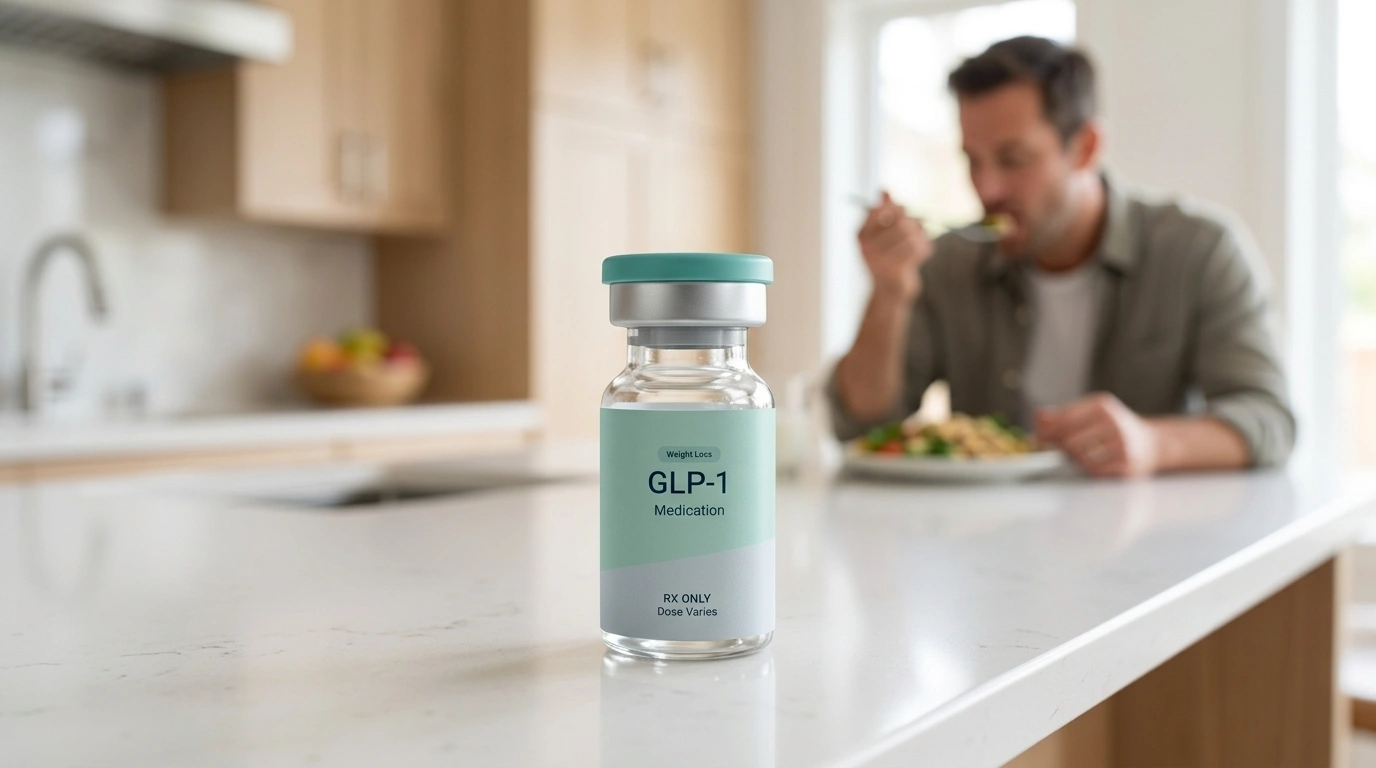
To understand the signs of someone using these medications, it is important to first understand what they are. Ozempic® is a brand-name prescription medication containing the active ingredient semaglutide injections. Originally developed to treat type 2 diabetes, semaglutide belongs to a class of drugs known as glucagon-like peptide-1 (GLP-1) receptor agonists.
A GLP-1 receptor agonist is a medication that mimics a hormone naturally produced in the gut. This hormone is typically released after you eat, signaling to your brain that you are full and telling your stomach to slow down its digestion process. By mimicking this hormone, the medication helps individuals feel satisfied with much smaller portions of food. It also helps regulate blood sugar by encouraging the pancreas to release insulin when needed.
While Ozempic® is FDA-approved for the treatment of type 2 diabetes, its sister drug, Wegovy®, is FDA-approved specifically for chronic weight management. Both contain the same active ingredient, semaglutide. Another medication often mentioned in these circles is Mounjaro® (tirzepatide), which works on both GLP-1 and glucose-dependent insulinotropic polypeptide (GIP) receptors. These medications are powerful tools that can lead to rapid weight loss when combined with lifestyle modifications.
Physical Signs of GLP-1 Usage
The most obvious indicator that someone might be using a GLP-1 medication is the speed and nature of their weight loss. While traditional diet and exercise usually result in a gradual decline in weight, these medications can lead to a more accelerated timeline.
The Appearance of “Ozempic Face”
The term “Ozempic face” has gained traction on social media to describe specific facial changes. It is important to note that this is not a medical condition caused by the drug itself, but rather a result of rapid fat loss. When a person loses a significant amount of weight quickly, the fat pads in the face—which provide volume and a youthful appearance—can diminish.
Common signs of this facial transition include:
- Hollowed cheeks: A sunken appearance where the face previously looked fuller.
- Sunken eyes: The area around the orbits may appear deeper or darker as fat is lost.
- Loose or sagging skin: Rapid weight loss does not always give the skin enough time to retract, leading to jowls or a less firm jawline.
- Increased wrinkles: The loss of underlying fat can make fine lines and wrinkles appear more prominent, sometimes making the individual look older than they are.
Key Takeaway: “Ozempic face” is simply a visual byproduct of losing subcutaneous fat (the fat under the skin) very quickly. It can happen with any form of rapid weight loss, including bariatric surgery or intensive dieting.
Changes in Body Composition
Beyond the face, you may notice changes in how an individual carries themselves. Because GLP-1 medications can lead to a loss of both fat and muscle mass if protein intake isn’t prioritized, some people may appear “smaller” but less “toned.” This is why many clinical programs emphasize strength training and high-protein diets alongside the medication.
Behavioral and Lifestyle Indicators
If you are wondering how to know if someone is taking Ozempic, looking at their behavior around food is often more telling than their physical appearance. Because the medication changes how the brain perceives hunger, the person’s relationship with eating often shifts dramatically.
Reduced Interest in Food
One of the most profound effects of semaglutide and tirzepatide is the reduction of food noise. Food noise refers to the constant, intrusive thoughts about what to eat next, cravings for specific snacks, or the urge to eat when not physically hungry.
When someone is on a GLP-1 program, you might notice:
- They leave significant amounts of food on their plate.
- They no longer seem interested in “seconds” or dessert.
- They may forget to eat or skip meals entirely because they simply do not feel hungry.
- They may lose interest in foods they previously loved, especially greasy, fried, or highly sugary items.
Changes in Social Drinking
Many patients reporting their experiences with GLP-1 medications note a decreased desire for alcohol. Since these drugs affect the reward centers of the brain, the “buzz” or craving for a cocktail or beer may diminish. If a friend who usually enjoys a few drinks suddenly stops or barely sips a single glass, it could be an indicator of the medication’s effect on their cravings.
Focus on Hydration and Small Meals
Because these medications slow down gastric emptying (the process of food leaving the stomach), eating a large meal can lead to significant discomfort. You might see someone opting for small, nutrient-dense snacks throughout the day rather than three large meals. Additionally, since dehydration can worsen certain side effects, an increased focus on carrying a water bottle and sipping water constantly is common.
Identifying Common Side Effects
Nearly all medications have side effects, and common GLP-1 side effects are no exception. If you are close to someone, you might notice they are dealing with the physical adjustments that often come with starting or increasing a dosage.
Digestive Sensitivities
The most frequent side effects are gastrointestinal. You may notice someone:
- Expressing frequent nausea, especially shortly after eating.
- Mentioning changes in their digestion, such as constipation or occasional diarrhea.
- Experiencing “sulfur burps,” which are caused by food sitting in the stomach longer than usual.
Fatigue and Energy Levels
While many people eventually feel more energetic as they lose weight, the initial weeks on a GLP-1 can be taxing. The body is adjusting to a lower caloric intake and a new metabolic state. You might notice a friend seems more tired than usual or is less inclined to participate in high-intensity activities during the first month of their treatment. In some cases, people also explore the Weight Loss Boost supplement for added energy support during weight loss.
Bottom line: While physical gauntness and rapid weight loss are signs, behavioral shifts like leaving food behind and avoiding alcohol are often the most reliable indicators of GLP-1 usage.
The Role of Personalized Programs
It is important to remember that these medications are not “easy fixes” but medical treatments that require supervision. At TrimRx, we connect individuals with licensed providers who create personalized programs based on their unique health history and goals.
Weight loss is a deeply personal journey. While some may choose to use branded medications like Ozempic® or Mounjaro®, others may be prescribed compounded versions. Compounded Semaglutide and Compounded Tirzepatide are medications prepared by pharmacists to meet the specific needs of a patient. These are prepared and shipped by FDA-registered, inspected compounding pharmacies. It is vital to understand that compounded medications are not FDA-approved, though they contain the same active ingredients as their branded counterparts.
Through our platform, patients receive a comprehensive service that includes doctor consultations and lab work. This ensures that the physical changes and side effects mentioned above are monitored by professionals who can adjust dosages or offer guidance on nutrition and hydration. If you want to see whether this kind of care fits your needs, you can take the free assessment quiz to get started.
Why Some People Keep Their Usage Private
There is often a debate about whether people should “disclose” their use of these medications. Many individuals choose to keep their health information private for several reasons:
- Stigma: Despite the clinical evidence that obesity is a complex metabolic condition, some people still view medication as a “shortcut.” This can lead to judgment from others.
- Health Privacy: Weight loss is a medical transformation. Just as someone might not disclose their blood pressure medication, they may feel their weight loss journey is between them and their doctor.
- Personal Pace: Some people want to wait until they feel confident in their new lifestyle before discussing the tools they used to get there.
Regardless of whether someone shares their status, it is helpful to approach the topic with empathy. If you see someone achieving their goals, the best response is often a simple “You look like you have a lot of energy” or “I’m happy to see you doing well.”
Managing the Side Effects of Success
If you or someone you know is on this path, managing the transition is key to long-term health. The goal is not just to be “thin,” but to be metabolically healthy.
Protecting the Face and Skin
To minimize the “gaunt” look often associated with rapid weight loss, healthcare providers often recommend:
- Gradual weight loss: Aiming for 1–2 pounds per week rather than 5 or more.
- High protein intake: Consuming adequate protein helps maintain muscle mass and skin integrity.
- Skincare routines: Using retinoids and high-quality moisturizers can help support skin elasticity.
- Hydration: Water is essential for skin plumpness.
Nutrient Support
Because people on GLP-1 medications eat significantly less, every bite counts. Supplements can play a role in ensuring the body gets the vitamins it needs when caloric intake is low. We offer options like the GLP-1 Daily Support supplement to help bridge the gap during these periods of reduced appetite. Always consult with a provider before adding supplements to a prescription regimen.
The TrimRx Approach to Sustainable Health
Our mission at TrimRx is to help individuals embrace healthier lifestyles through science, empathy, and a transparent approach. We believe that medical weight loss should be accessible and medically supervised, removing the barriers of waiting rooms and high-cost hurdles.
The journey to metabolic health is more than just a number on a scale. It involves changing how the body processes energy, how the brain signals hunger, and how the individual views their daily habits. Whether someone is using a branded medication or a compounded option from an FDA-registered pharmacy, the focus should always be on long-term wellness rather than a quick aesthetic change.
Conclusion
Identifying whether someone is taking a GLP-1 medication like Ozempic® involves looking for a combination of rapid weight loss, specific facial changes, and a notable shift in eating behaviors. However, it is essential to remember that these medications are medical tools used to treat serious health conditions and support significant life changes.
- Weight loss on these medications is often faster than traditional methods.
- “Ozempic face” is a result of fat loss, not a direct side effect of the chemical.
- Behavioral changes, such as reduced food noise and smaller portions, are hallmark signs.
- Medically supervised, personalized programs are the safest way to navigate this journey.
If you are ready to explore how a personalized, telehealth-based program can support your own health goals, we invite you to take the next step. Our process is designed to be supportive, professional, and entirely online for your convenience.
Key Takeaway: The best way to support someone on a weight loss journey—whether or not they are using medication—is to focus on their overall well-being and health progress rather than the specific method they are using.
Ready to see if a personalized program is right for you? See if you qualify for a personalized program and start your journey toward a healthier lifestyle with the support of our dedicated team of specialists.
FAQ
What is “Ozempic face” exactly?
“Ozempic face” is a non-medical term used to describe the sagging, gaunt, or aged appearance that can occur when an individual loses facial fat very quickly. This happens because fat provides structure and volume to the face; when it disappears rapidly, the skin may not have time to shrink, leading to more visible wrinkles and hollowed cheeks.
Is weight loss on Ozempic® permanent?
Weight loss can be sustainable if the medication is used as a tool to establish new, healthy lifestyle habits. Research suggests that many people may regain weight if they stop the medication without maintaining a reduced-calorie diet and regular physical activity, which is why we emphasize comprehensive, personalized programs.
Can you hide that you are taking a GLP-1?
While the physical results may be obvious to those who see you regularly, the specific details of your medical treatment are private. Many people successfully manage their treatment without public disclosure by focusing on their new eating habits and lifestyle changes when asked about their progress.
Why do people get nauseous on these medications?
Nausea occurs because GLP-1 medications slow down the rate at which food leaves your stomach and change how your brain processes hunger signals. This sensation is most common when starting the medication or increasing the dose, and it often improves as the body adjusts to the treatment over several weeks. For a deeper look at symptom management, see nausea guidance for GLP-1 medications.
Disclaimer: This content is for informational purposes only and does not constitute medical advice. It is not intended to diagnose, treat, cure, or prevent any disease or condition. Individual results may vary. Always consult a qualified healthcare professional before starting any weight loss program or medication.

Transforming Lives, One Step at a Time
Keep reading

Why Does My Tongue Feel Coated on Ozempic?
Usually because there is less saliva washing your tongue clean, and less food passing over it to do the same job mechanically. Your tongue…

Starting a New Job With No Insurance While on Ozempic
The problem is usually a waiting period rather than a permanent loss, and waiting periods are plannable in a way that job loss is…

Does Collagen Help With Loose Skin on Ozempic?
Probably not for the thing you are hoping it will fix, and it is unlikely to do harm. Collagen supplements have been studied mainly…


