What Not to Do When Taking Ozempic for Weight Loss
Introduction
Starting a weight loss journey with a GLP-1 medication can feel like a major turning point. You may have spent years struggling with traditional diets that didn’t deliver lasting results. Now that you have access to medications like Ozempic®, it is natural to feel a sense of relief and excitement. If you’re trying to determine the right starting point, take the free assessment quiz. However, many people quickly realize that the medication is not a “magic pill” that works in a vacuum. To see the best results and avoid uncomfortable physical symptoms, you must adjust how you eat, drink, and move. At TrimRx, we believe that understanding these behavioral nuances is the key to long-term success. This post covers the essential habits and foods you should avoid while on your medication. By following these guidelines, you can minimize side effects and maximize your progress toward a healthier lifestyle.
Understanding How Ozempic Affects Your Body
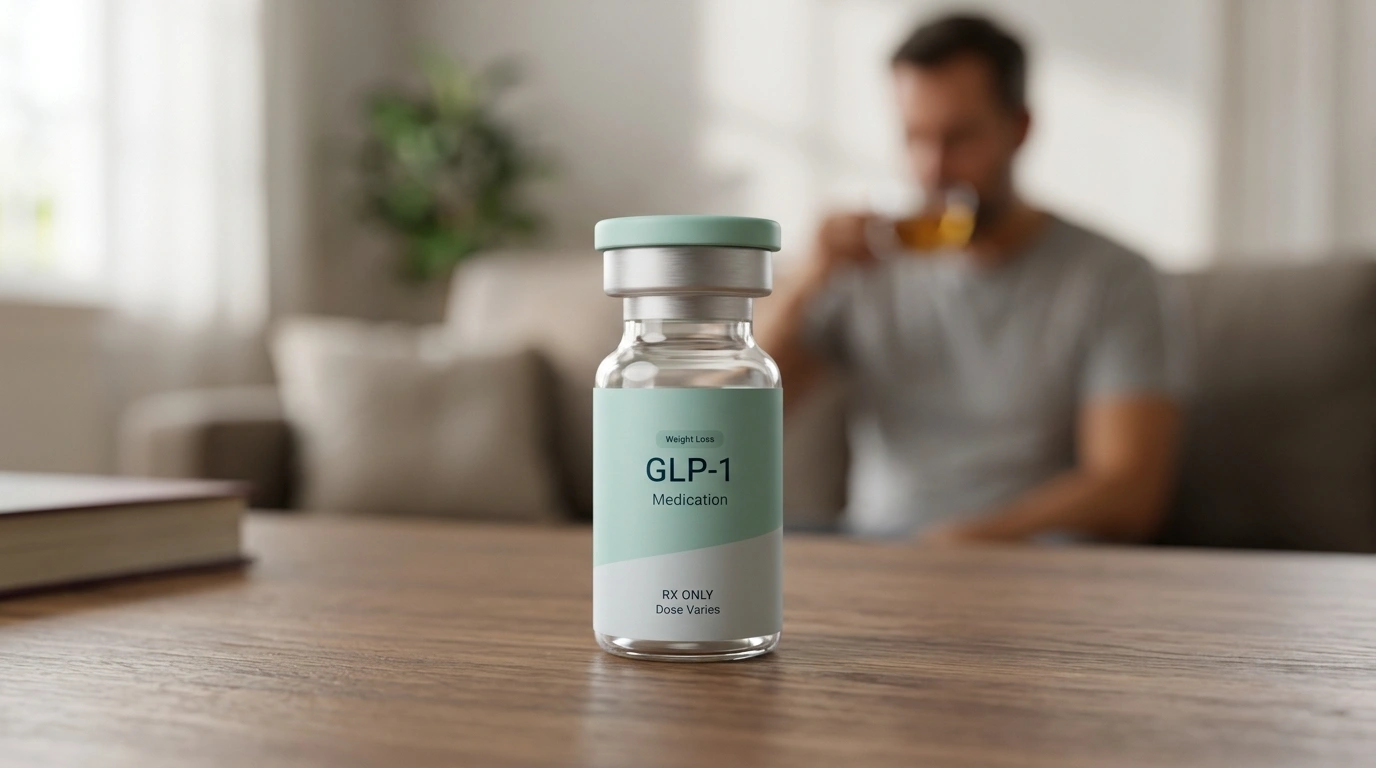
Before diving into what to avoid, it is helpful to understand the science behind the medication. Ozempic® contains semaglutide, which belongs to a class of drugs called glucagon-like peptide-1 (GLP-1) receptor agonists. These medications mimic a natural hormone in your body that regulates appetite and blood sugar.
Semaglutide works in three primary ways. First, it signals the brain to feel full sooner and stay full longer. Second, it prompts the pancreas to release insulin when blood sugar levels rise. Third, it slows down gastric emptying, which is the process of food moving from your stomach into your small intestine.
Because food stays in your stomach for a significantly longer duration, your digestive system becomes much more sensitive to what you put into it. If you eat the wrong things or use the wrong habits, that food “sits” and can lead to the classic GI symptoms many people experience.
Key Takeaway: Ozempic® works by slowing down your digestion and mimicking satiety hormones, meaning your stomach remains full for hours longer than usual.
Dietary Pitfalls: What Not to Eat
While no food is strictly “banned,” certain categories are notorious for causing distress when combined with a GLP-1 medication. Avoiding these can be the difference between a productive week and one spent dealing with constant nausea.
Fried and Greasy Foods
Fried chicken, burgers, and french fries are often the first things that cause trouble for patients. High-fat, greasy foods are naturally difficult for the body to break down. Even without medication, these foods take a long time to digest. When you add a medication that already slows down your stomach, these fats linger for an excessive amount of time.
This “double-slowing” effect often leads to severe nausea, bloating, and even vomiting. Many individuals report that the smell of grease becomes unappealing shortly after starting their program. If you do choose to eat these foods, keep the portions very small to test your tolerance.
High-Sugar Beverages and Refined Carbs
Sugary sodas, sweet teas, and processed snacks like white bread or pastries can interfere with your goals. These items cause rapid spikes in blood glucose. While the medication is working to keep your blood sugar stable, forcing it to combat massive sugar spikes can lead to energy crashes and increased bloating.
Furthermore, refined carbohydrates lack the fiber needed to keep your digestion moving smoothly. Since constipation is a common side effect of semaglutide, filling your diet with “empty” carbs that provide no digestive support can make bowel movements more difficult.
Highly Spicy Foods
For some, spicy dishes that were once favorites suddenly become intolerable. Spicy ingredients can relax the lower esophageal sphincter, which is the valve that keeps stomach acid where it belongs. Because food stays in the stomach longer on this medication, the presence of spicy acids for an extended period can lead to intense heartburn and acid reflux.
Large Meal Portions
One of the most common mistakes is trying to eat the same portion sizes you were accustomed to before starting the medication. Your body’s “fullness” signal will now arrive much earlier. If you ignore this signal and finish a large plate, you are likely to feel painfully overstuffed. This can lead to “sulfur burps,” a condition where undigested food in the stomach releases gas that tastes like hard-boiled eggs.
Quick Answer: To avoid nausea and “sulfur burps” while taking Ozempic®, you should avoid high-fat fried foods, sugary sodas, and eating large portions. Focus on small, nutrient-dense meals that are easy for your slowed digestive system to process.
Behavioral Habits to Avoid
Success isn’t just about what is on your plate; it is about how you live your daily life while the medication is active in your system.
Lying Down Right After Eating
Because gastric emptying is delayed, lying down after a meal is a recipe for reflux. Gravity helps keep food and stomach acid down. When you lie flat, the contents of your stomach can easily slide back into the esophagus. We recommend waiting at least two to three hours after your last meal before going to bed or taking a nap.
Rushing Through Your Meals
Your brain needs time to receive the satiety signals from your gut. If you eat quickly, you might consume twice as much as your stomach can actually handle before the “full” signal registers. Practice mindful eating by chewing thoroughly and putting your fork down between bites. This gives your body a chance to tell you when it has had enough.
Neglecting Proper Hydration
Dehydration is a sneaky culprit that worsens many side effects. Nausea is often exacerbated by a lack of fluids. Additionally, the medication can sometimes decrease your thirst drive along with your appetite. You must make a conscious effort to sip water throughout the day.
Note: If you experience persistent vomiting or diarrhea, you are at a higher risk of dehydration. Consult a healthcare provider if you cannot keep fluids down.
Skipping Protein
When you lose weight rapidly, your body may try to burn muscle mass for energy instead of just fat. This can lead to a “gaunt” appearance and a lowered metabolism. Avoiding protein is a major mistake. You should prioritize high-quality protein sources like lean poultry, fish, tofu, or beans at every meal to protect your muscle tissue.
Mistakes with Medication Management
How you handle the prescription itself is just as important as your diet. Consistency and communication with your clinical team are vital.
Inconsistent Dosing Schedules
Ozempic® is designed to be taken once a week. Skipping doses or changing the day of the week frequently can lead to fluctuating levels of the medication in your bloodstream. This makes side effects more likely to flare up when you finally do take your dose. Pick a day and time that works for you and stick to it religiously.
Doubling Up on Doses
If you miss a dose, never take two doses at once to “catch up.” This can lead to severe gastrointestinal distress and may require medical attention. Always follow the specific instructions provided by your healthcare professional regarding missed doses.
Expecting Immediate Results
Weight loss is a marathon, not a sprint. While some people see immediate changes, others may not see significant scale movement until they reach a higher maintenance dose. Do not get discouraged and stop the medication prematurely. We focus on sustainable, steady progress rather than “crash” results.
Myth: You can eat whatever you want as long as you take the medication. Fact: The medication is a tool to help you adhere to a healthy lifestyle; it does not negate the metabolic impact of a poor diet.
Lifestyle Adjustments for Success
To get the most out of your treatment, we suggest a proactive approach to your daily routine. Many patients find that adding specific supplements or changing their activity levels makes a world of difference.
Incorporating Light Movement
While you don’t need to run a marathon, avoiding all exercise is a mistake. Gentle movement like walking after a meal can actually help stimulate digestion and reduce the feeling of being “heavy” or bloated. It also supports your cardiovascular health as the pounds come off.
Addressing Nutrient Gaps
Because you are eating less, you may not be getting all the vitamins and minerals your body needs. At TrimRx, we offer specialized products like GLP-1 Daily Support supplement to help bridge these nutritional gaps.
Our Weight Loss Boost supplement can also be a helpful addition for those looking to optimize their metabolic health without requiring a prescription.
Using Telehealth to Your Advantage
One of the biggest mistakes is trying to “white knuckle” through side effects alone. Our platform provides 24/7 access to specialists who can help you adjust your plan. Whether it is a question about a specific food or a concern about a dosage increase, see if you qualify for a personalized program before you try to manage everything on your own.
Comparing Treatment Options
Not every medication is the right fit for every person. When you work with us, you have access to a variety of options that can be tailored to your specific health profile.
| Feature | Injectable Semaglutide | Oral Semaglutide | Compounded Options |
|---|---|---|---|
| Administration | Weekly injection | Daily pill | Varies by form |
| Common Use | Weight & Glucose | Glucose management | Personalized dosing |
| Primary Benefit | High efficacy | No needles | Often more accessible |
| Availability | Requires prescription | Requires prescription | FDA-registered pharmacy |
If you are comparing treatment paths and want a more individualized starting point, complete the free assessment quiz before deciding which option makes the most sense for you.
We provide access to Compounded Semaglutide and Compounded Tirzepatide, which are prepared in FDA-registered and inspected compounding pharmacies. These options allow for a highly personalized approach, especially for those who may have specific sensitivities or who prefer a different administration method.
How to Start Your Program Correctly
If you are ready to stop wondering what to do and start a structured path, following a clear onboarding process is essential.
- Step 1: Take the Assessment. Complete our free online health quiz to provide your medical history and goals.
- Step 2: Consult a Provider. A licensed healthcare professional will review your profile to determine if a GLP-1 medication is safe and appropriate for you.
- Step 3: Receive Your Plan. If approved, your medication is shipped directly from a licensed pharmacy to your door.
- Step 4: Begin Your Lifestyle Shift. Use the guidelines in this article to adjust your diet and habits from day one.
- Step 5: Ongoing Monitoring. Regularly check in with our team to report progress and manage any side effects.
The Role of Compounded Medications
It is important to understand that while branded medications like Ozempic® and Wegovy® are FDA-approved for their specific uses, the compounded versions of semaglutide and tirzepatide are not. However, they are a vital part of the telehealth landscape.
These medications are mixed by licensed pharmacists in FDA-registered facilities to meet specific patient needs. This is particularly helpful when there are shortages of branded products or when a patient needs a specific dosage that isn’t available in standard pen formats. We ensure that all our partner pharmacies maintain the highest standards of safety and quality.
Managing Common Side Effects
Even if you follow all the “what not to do” rules, you might still experience some mild symptoms. Here is how to handle them professionally:
- For Nausea: Try small sips of ginger tea or ice-cold water. Stick to “BRAT” foods (bananas, rice, applesauce, toast) for 24 hours if it is severe.
- For Constipation: Increase your intake of non-starchy vegetables and stay hydrated. A magnesium supplement or a gentle stool softener may be recommended by your provider.
- For Fatigue: Ensure you are eating enough protein. Sometimes fatigue is simply a sign of a calorie deficit that is too aggressive.
- For Heartburn: Avoid eating within three hours of bedtime and limit acidic foods like citrus and caffeine.
Bottom line: Most side effects are manageable with simple dietary adjustments and usually fade as your body acclimates to the medication.
Conclusion
Success on a GLP-1 medication requires more than just a weekly injection; it requires a partnership between science and lifestyle. By avoiding high-fat foods, staying hydrated, and practicing mindful eating, you can bypass the most common hurdles that stop people from reaching their goals. Our mission at TrimRx is to provide the clinical expertise and personalized support you need to make these changes permanent. We are committed to a transparent, empathetic approach that puts your metabolic health first.
If you are ready to take the next step in your weight loss journey, we invite you to take our free assessment quiz today. Let us help you find the personalized program that fits your life and your health needs.
FAQ
Can I drink alcohol while taking Ozempic?
While alcohol is not strictly forbidden, it is best to limit it significantly. Alcohol can increase the risk of low blood sugar (hypoglycemia) and contribute to dehydration and nausea. Many people find their tolerance for alcohol decreases or they simply lose the desire to drink while on the medication.
What should I do if I accidentally eat a high-fat meal?
If you consume a greasy or high-fat meal, prepare for potential nausea or bloating. Drink plenty of water to help your digestion and avoid lying down for several hours. If you feel sick, stick to bland, simple foods like crackers or broth for your next meal until the symptoms subside.
Do I have to stay on this medication forever?
The length of treatment depends on your individual health goals and the advice of your healthcare provider. Some use it as a “jumpstart” to build healthy habits, while others may use it for longer-term metabolic support. We focus on helping you build the lifestyle foundations needed to maintain your weight loss regardless of the duration of your medication use. If you’re still deciding whether this path fits your goals, take the free assessment quiz before you commit to a plan.
Why am I not losing weight in the first two weeks?
It is common for weight loss to start slowly as your body adjusts to the initial, lower “loading” doses of the medication. These early doses are designed to minimize side effects, not necessarily to maximize weight loss immediately. Be patient, stay consistent with your diet, and follow your provider’s schedule for increasing your dosage.
Disclaimer: This content is for informational purposes only and does not constitute medical advice. It is not intended to diagnose, treat, cure, or prevent any disease or condition. Individual results may vary. Always consult a qualified healthcare professional before starting any weight loss program or medication.

Transforming Lives, One Step at a Time
Keep reading
I Took My Ozempic Two Days in a Row by Accident
Call for guidance now rather than waiting to see how you feel. In the United States, Poison Control is available free and around the…

Why Does My Ozempic Injection Sting More Some Weeks Than Others?
Because more variables change between injections than most people realize. Temperature of the medication, which site you used, how deep the needle went, how…

How to Store Your Ozempic Pen During a Power Outage
Keep the refrigerator door closed. An unopened refrigerator holds a safe temperature for roughly four hours, and a full freezer holds for considerably longer….


