What Happens Once You Stop Taking Ozempic: The Transition
Introduction
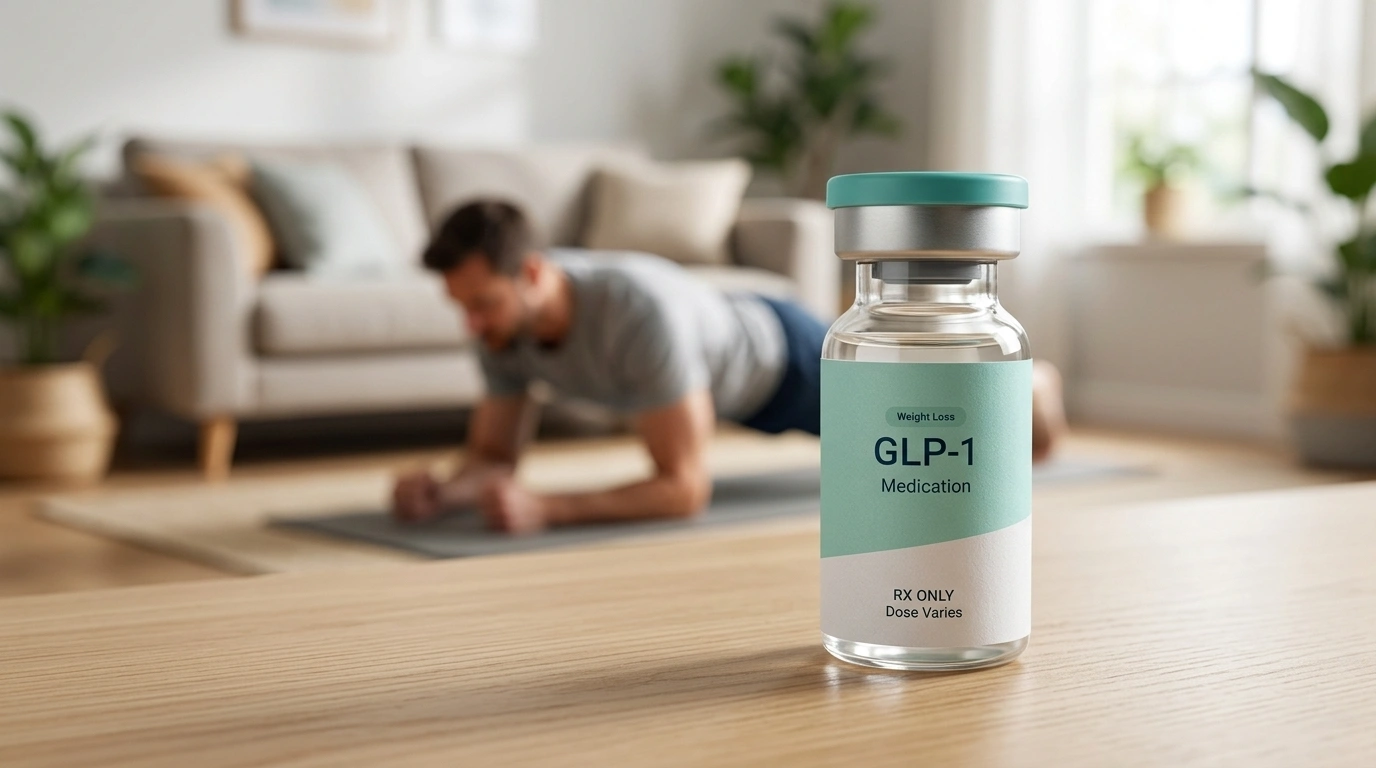
Reaching your goal weight is a milestone worth celebrating, but for many using GLP-1 medications, that success comes with a lingering question. You might wonder what life looks like after the weekly injections stop and whether your body will maintain its new balance. Many people consider stopping medication due to reaching their targets, managing costs, or simply feeling ready to transition to independent lifestyle management. At TrimRx, we believe that understanding the biological shift that occurs when you stop treatment is the best way to ensure long-term success. This post covers the hormonal changes, the return of natural hunger cues, and the strategies you can use to protect your progress. If you’d like personalized guidance, take the free assessment quiz to see whether the next step is right for you.
How GLP-1 Medications Work in the Body
To understand what happens when you stop, you first need to understand what the medication was doing while you were on it. Ozempic® is a brand-name medication containing semaglutide. Semaglutide is a type of drug known as a GLP-1 receptor agonist. For a clearer breakdown, what semaglutide does in the body is worth understanding. This means it mimics a natural hormone in your body called glucagon-like peptide-1.
Normally, your body releases GLP-1 after you eat. It travels to the brain to signal that you are full and to the stomach to slow down digestion. It also tells the pancreas to release insulin, which helps manage blood sugar levels. When you take a medication like semaglutide, you are essentially giving your body a much stronger, longer-lasting version of that “I’m full” signal.
Quick Answer: Once you stop taking Ozempic®, the synthetic hormone slowly leaves your system over several weeks. As it disappears, your digestion returns to its normal speed, your natural appetite returns, and your body must once again rely entirely on its own signals to manage hunger and blood sugar.
The Immediate Effects of Stopping Treatment
The transition away from medication is not instantaneous. Because semaglutide has a long half-life, it can take several weeks for the drug to completely exit your system. During this window, you may notice a gradual shift in how you feel and interact with food.
The Return of Appetite and “Food Noise”
One of the most significant changes people report is the return of food noise. This term refers to the constant, intrusive thoughts about food, cravings, and the “mental chatter” regarding your next meal. While on the medication, many people find that this noise is “muted,” allowing them to make healthier choices without a constant internal struggle.
When the medication stops, those signals often return to their baseline. You may find yourself feeling hungry sooner after a meal or experiencing cravings for high-calorie foods that had previously lost their appeal. This is not a failure of willpower; it is a biological response to the absence of the GLP-1 mimic. If you want a broader view of care options, how different GLP-1 programs compare can help frame the decision.
Changes in Digestion Speed
GLP-1 medications work partly by slowing down gastric emptying, which is the process of food leaving your stomach. This is why a small meal can feel very filling for hours while you are on the medication. Once the drug is discontinued, your stomach begins to empty at its natural rate again. This means you may feel less satisfied by smaller portions and may notice that you are ready to eat again much sooner than you were during treatment.
Blood Sugar and Metabolic Shifts
For individuals who were using the medication to manage type 2 diabetes or insulin resistance, stopping treatment can lead to a rise in blood sugar levels. Without the medication assisting the pancreas in insulin production, the body may struggle to process glucose as efficiently.
Important: If you have been diagnosed with type 2 diabetes, you should never stop or change your medication dosage without direct supervision from a licensed healthcare provider, as this can lead to significant blood sugar spikes.
Will I Gain the Weight Back?
The concern about regaining weight is perhaps the most common worry for anyone finishing a weight loss program. Clinical research has provided some insight into what typically happens when these medications are discontinued.
The Findings from Clinical Studies
In large-scale clinical trials, such as the STEP 1 trial, participants who stopped taking a 2.4 mg dose of semaglutide (the dose found in Wegovy®) were monitored for a year after stopping. On average, participants regained about two-thirds of the weight they had lost. This suggests that for many, obesity is a chronic condition that requires ongoing management rather than a short-term fix.
However, statistics are not destiny. These studies often involved participants who stopped the medication without a structured transition plan or intensive lifestyle support. Understanding why the weight returns can help you build a plan to prevent it.
Why the Body Wants to Regain Weight
The human body has a complex system designed to prevent starvation. When you lose a significant amount of weight, your body may try to return to its previous “set point”—the weight it was accustomed to carrying for a long time.
As you lose weight, your body may:
- Lower your basal metabolic rate (the calories you burn at rest).
- Increase the production of ghrelin, the hormone that makes you feel hungry.
- Decrease the production of natural fullness hormones.
When you stop the medication, these biological pressures remain, but the tool used to suppress them is gone. This is why we emphasize that lifestyle changes made during the program are the most critical factors for long-term maintenance.
Key Takeaway: Weight regain after stopping GLP-1 therapy is common because the body’s natural hunger signals return to baseline. Success after medication depends on having a robust plan for nutrition, movement, and metabolic support.
Physical Changes After Stopping
Beyond appetite and weight, there are other physical shifts that occur when the medication is no longer in your system.
Reversing Facial Changes
You may have heard the term “Ozempic face,” which refers to the gaunt or aged appearance that can occur with rapid weight loss. This happens because the body loses fat from all areas, including the supportive fat pads in the face. When a person stops the medication and their weight stabilizes—or if they experience some regain—the volume in the face often returns. This can lead to a fuller, more youthful appearance in the cheeks and jawline.
Relief from Gastrointestinal Side Effects
For those who struggled with side effects while on the medication, stopping can bring significant relief. Common issues like nausea, chronic constipation, bloating, and heartburn usually resolve within a few weeks as the drug leaves the body. For many, this improvement in quality of life is a major reason for choosing to transition off the medication.
Strategies for Weight Maintenance Post-Medication
Maintaining your new weight without the assistance of a GLP-1 receptor agonist requires a proactive and multifaceted approach. At TrimRx, we focus on helping you build these habits while you are on the medication so they feel natural when you transition off.
Prioritizing Protein Intake
Protein is the most satiating macronutrient. When your natural hunger returns, eating a high-protein diet can help mimic some of the fullness you felt while on the medication. Protein also helps protect your lean muscle mass. If you want help putting that into practice, nutrition coaching from registered dietitians can make the transition easier.
When you lose weight quickly, you often lose muscle alongside fat. Because muscle is more metabolically active than fat, losing it can slow down your metabolism. By focusing on protein, you give your body the building blocks it needs to maintain that muscle, which in turn helps you burn more calories at rest.
The Role of Resistance Training
If you only focus on cardiovascular exercise (like walking or running), you may lose more muscle mass during your weight loss journey. Engaging in resistance training—such as weight lifting, bodyweight exercises, or using resistance bands—is one of the most effective ways to prevent the metabolic slowdown that often leads to weight regain.
Action Steps for Maintenance:
- Aim for 25–30 grams of protein at every meal.
- Schedule at least two to three sessions of resistance training per week.
- Continue to track your food intake to stay mindful of portion sizes.
- Monitor your weight weekly to catch small gains before they become significant.
Managing the Psychological Transition
The mental aspect of stopping medication is often overlooked. It can be jarring to feel “hungry” again after months of feeling in control. Working with a support team or a health coach can help you navigate these feelings. Recognizing that hunger is a normal bodily signal, and not a sign of failure, is a crucial psychological shift.
Why Some People Choose to Stop
There are many valid reasons why an individual and their healthcare provider might decide to discontinue Ozempic® or a similar medication.
- Reaching the Goal: Many people use these tools to reach a healthy BMI or target weight and then choose to see if they can maintain it through lifestyle alone.
- Side Effect Management: While many find side effects manageable, some individuals experience persistent nausea or digestive upset that impacts their daily life.
- Financial and Insurance Factors: Branded medications like Ozempic® or Wegovy® can be expensive. If insurance coverage changes or the cost becomes a burden, patients often look for other ways to manage their weight.
- Availability: Global shortages of branded GLP-1 medications have forced some individuals to stop treatment unexpectedly.
Our personalized programs are designed to be flexible. We work with you to find a path that fits your health profile and your lifestyle, whether that involves long-term medication use or a guided transition to maintenance.
The Importance of Professional Guidance
You should never stop a prescription medication “cold turkey” without speaking to a healthcare professional. A structured taper, where the dose is gradually lowered over time, may be more effective for some individuals than stopping abruptly. This allows the body more time to adjust to the returning hunger signals.
During a telehealth consultation through our platform, you can discuss your long-term goals with a licensed provider. If you want to see whether a personalized plan fits your next step, complete the free assessment quiz.
We also offer supplemental support for those looking to optimize their health during and after their program. Our Weight Loss Boost supplement is formulated to support metabolism and energy levels.
Navigating the Transition with Support
Transitioning off medication does not mean you have to go it alone. The most successful individuals are those who view the medication as a “jumpstart” to a new lifestyle rather than a permanent crutch. If you’d like to see how specialists, not general telehealth can support that transition, the difference often comes down to long-term follow-through.
At TrimRx, we provide a telehealth-first approach that keeps you connected to specialists who understand the science of metabolic health. Whether you are using a compounded semaglutide prepared by an FDA-registered compounding pharmacy or another personalized treatment plan, the goal is always sustainable health.
Bottom line: Stopping Ozempic® requires a shift from chemical appetite suppression to intentional lifestyle management, focusing heavily on protein, muscle preservation, and metabolic health.
Conclusion
Stopping Ozempic® is a significant step in your health journey. While the biological return of hunger and the potential for weight regain are real challenges, they are not insurmountable. By understanding how the medication affects your hormones and preparing for the return of your natural appetite, you can take steps to protect the progress you have made. Success is found in the habits you build: the strength training you commit to, the protein you prioritize, and the support system you lean on. Our mission at TrimRx is to provide you with the medical expertise, personalized programs, and empathetic guidance needed to make your weight loss sustainable for life.
If you are ready to take the next step in your journey—whether that is starting a program or finding a sustainable maintenance plan—we invite you to begin with our free assessment quiz.
FAQ
Will I feel sick when I stop taking Ozempic?
Most people do not experience “withdrawal” symptoms in the traditional sense. In fact, many find that the gastrointestinal side effects they experienced while on the medication, such as nausea or constipation, resolve once the drug leaves their system. However, you may feel more tired or notice a change in your energy levels as your body adjusts its metabolism.
How long does Ozempic stay in your system after the last dose?
Ozempic® has a half-life of about one week. This means it takes approximately five to seven weeks for the medication to be entirely cleared from your body. You will likely notice a gradual increase in your appetite and “food noise” over these weeks as the concentration of the drug diminishes.
Can I stop the medication once I reach my goal weight?
Yes, many people choose to stop once they reach their target weight, but it is essential to do so under the guidance of a healthcare provider. Because obesity and metabolic issues are often chronic, your provider might suggest a maintenance dose or a specific lifestyle plan to help you avoid regaining the weight you lost. If you’re unsure whether a maintenance plan or a full transition is right for you, see if you qualify for a personalized program.
What is “Ozempic rebound”?
“Ozempic rebound” is a term used to describe the rapid weight regain that some people experience after stopping GLP-1 medications. This usually happens because the suppression of appetite and “food noise” disappears, leading to an increase in calorie intake. Following a structured transition plan that includes high protein and resistance training can help minimize this effect.
Disclaimer: This content is for informational purposes only and does not constitute medical advice. It is not intended to diagnose, treat, cure, or prevent any disease or condition. Individual results may vary. Always consult a qualified healthcare professional before starting any weight loss program or medication.

Transforming Lives, One Step at a Time
Keep reading

I Took My Ozempic Two Days in a Row by Accident
Call for guidance now rather than waiting to see how you feel. In the United States, Poison Control is available free and around the…

Why Does My Ozempic Injection Sting More Some Weeks Than Others?
Because more variables change between injections than most people realize. Temperature of the medication, which site you used, how deep the needle went, how…
How to Store Your Ozempic Pen During a Power Outage
Keep the refrigerator door closed. An unopened refrigerator holds a safe temperature for roughly four hours, and a full freezer holds for considerably longer….


