What Happened When I Stopped Taking Ozempic
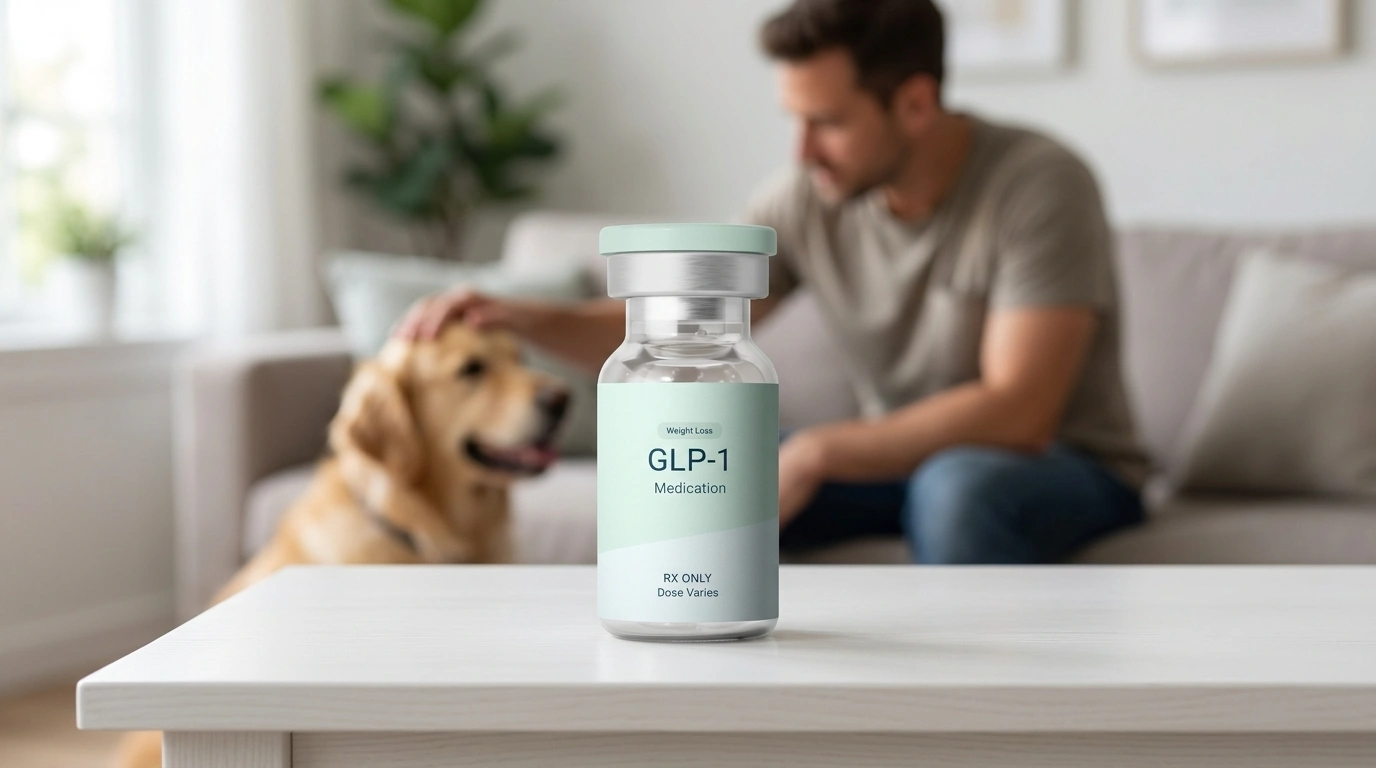
Introduction
Standing on the scale and finally seeing your goal weight is a moment of immense relief and pride. For many, reaching that milestone while using a GLP-1 (glucagon-like peptide-1) medication feels like the first time the body is finally cooperating with their efforts. However, that success often brings a new, pressing question: what happens next? Whether the decision to stop is due to reaching a target weight, managing side effects, or dealing with the high cost of branded medications, the transition off treatment is a significant physiological shift.
At TrimRx, we believe that the end of a prescription is not the end of a health journey, but rather the start of a new phase of maintenance. Understanding how your body recalibrates once the medication leaves your system is essential for protecting your hard-earned progress. This article explores the biological changes that occur when you stop treatment, how to manage the return of natural hunger cues, and the strategies we use to help individuals maintain their metabolic health for the long term. If you want a deeper look at the transition itself, what happens when you stop taking Ozempic is a useful companion read.
The Biological Timeline of Stopping Treatment
When you stop taking a weekly medication like Ozempic®, the transition does not happen overnight. The active ingredient, semaglutide, has a relatively long half-life of about seven days. This means it takes approximately one week for the concentration of the medication in your blood to drop by half. For a closer look at that clearance window, how long Ozempic stays in your system explains the timeline in more detail.
Because of this slow decline, most people do not notice immediate changes in the first few days after a missed dose. However, as the weeks progress, the medication continues to clear from your system. It generally takes about five weeks for semaglutide to be fully eliminated from the body. During this period, the “silence” you may have felt around food begins to fade, and your body’s natural signaling pathways start to resume control.
The Return of Food Noise
One of the most profound effects of GLP-1 medications is the reduction of “food noise”—the intrusive, constant thoughts about eating, cravings, and the next meal. These medications work by binding to receptors in the brain that regulate appetite and reward.
As the medication levels drop, many people report that these thoughts return. You may find yourself noticing snacks in the breakroom again or feeling a pull toward high-calorie foods that you previously found easy to ignore. This isn’t a lack of willpower; it is your brain’s chemistry returning to its baseline state.
Changes in Digestion Speed
GLP-1 medications work in part by slowing down “gastric emptying,” which is the rate at which food leaves your stomach and enters the small intestine. This is why you likely felt full much sooner and stayed full longer while on the medication.
When you stop the medication, your digestion returns to its normal speed. You may notice that you can suddenly eat larger portions without feeling uncomfortably full. Because food is moving through your system faster, the physical “fullness” signal that once helped you stop eating may feel delayed or less intense.
Why Weight Regain Often Occurs
It is a common concern among patients that stopping a weight loss medication will lead to immediate weight regain. Clinical research suggests that this concern is grounded in biology. Studies have shown that many individuals regain a portion of their lost weight within a year of stopping GLP-1 treatment. For the broader metabolic picture behind that pattern, GLP-1 for metabolic syndrome: complete guide connects the dots.
Key Takeaway: Obesity is often a chronic metabolic condition rather than a temporary state. When the medical support for that condition is removed, the body frequently tries to return to its previous “set point.”
The Body’s Set Point Theory
The human body is remarkably efficient at defending its weight. Your “set point” is the weight range your body is accustomed to maintaining. When you lose a significant amount of weight, your body perceives this as a threat to its energy stores. It responds by increasing hunger hormones like ghrelin and decreasing satiety hormones.
Without the pharmacological support of a GLP-1 to suppress these signals, your body may actively work to drive you back toward your starting weight. This is why a structured maintenance plan is so critical.
Metabolic Adaptations
During significant weight loss, the body often undergoes “metabolic adaptation,” where the resting metabolic rate (the calories you burn just by existing) slows down. If you stop the medication and return to previous eating habits while having a slower metabolism, the weight can return quickly. Maintaining muscle mass through protein intake and resistance training is one of the most effective ways to counteract this shift.
The Impact on Blood Sugar and Insulin
For individuals who began using Ozempic® or Wegovy® primarily for weight management but also had underlying insulin resistance, stopping the medication has metabolic consequences beyond the scale.
Semaglutide (the active ingredient in Ozempic® and Wegovy®) and Tirzepatide (the active ingredient in Mounjaro® and Zepbound®) are “receptor agonists.” This means they mimic natural hormones that tell the pancreas to release insulin and the liver to stop producing too much sugar. If you want another angle on the metabolic overlap, Ozempic and fatty liver disease: what research shows explores how these effects often travel together.
Blood Sugar Fluctuations
When the medication is discontinued, the body loses that extra help in managing glucose. For those with Type 2 diabetes or pre-diabetes, blood sugar levels may begin to rise. Even for those without a diabetes diagnosis, the return of less stable blood sugar can lead to energy crashes and increased cravings for sugary foods.
Insulin Sensitivity
GLP-1 medications often improve how your cells respond to insulin. Once you stop treatment, maintaining that sensitivity requires a high level of commitment to a low-glycemic diet and regular physical activity. Without these lifestyle pillars, the metabolic benefits gained during the program can begin to erode.
Physical Side Effects: What Goes Away?
While the return of hunger can be challenging, stopping the medication often brings relief from the side effects that some users find difficult to manage. Most gastrointestinal side effects are directly linked to the presence of the drug in your system.
Relief from Nausea and Fatigue
If you experienced chronic nausea, bloating, or constipation while on the medication, these symptoms typically resolve within two to three weeks after your last dose. Many people also report an increase in overall energy levels. While the medication is effective, the reduced calorie intake and the drug’s direct effect on the central nervous system can sometimes cause a sense of lethargy. Without the drug, that “fog” often lifts.
The Reversal of “Ozempic Face”
The term “Ozempic face” refers to the gaunt or hollowed appearance that can occur with rapid weight loss. This isn’t a direct side effect of the drug itself, but rather a result of losing fat volume in the face. If that change surprises you, Ozempic Face Before and After offers a science-based explanation of why it happens.
Myth: Ozempic® causes permanent skin damage or facial aging.
Fact: Facial changes are due to rapid fat loss. If an individual regains a small, healthy amount of weight after stopping, or if their weight stabilizes, the facial volume can often appear more natural over time.
Reasons People Choose to Stop
Deciding to stop a GLP-1 medication is a personal choice that should always be discussed with a licensed healthcare provider. At TrimRx, we see several common reasons why individuals transition off the medication.
- Reaching the Goal Weight: Many people view these medications as a “jumpstart” to get to a healthy range where they feel they can manage through lifestyle alone.
- Cost and Insurance: Branded medications like Wegovy® and Ozempic® can be prohibitively expensive, especially if insurance coverage changes.
- Side Effect Intolerance: For some, the persistent nausea or digestive upset outweighs the benefits of the weight loss.
- Supply Shortages: Global demand has frequently led to shortages, forcing some patients to stop treatment involuntarily.
Note: If you are considering stopping due to cost or supply, there are other options. We provide access to Compounded Semaglutide and Compounded Tirzepatide, which are prepared by FDA-registered, inspected compounding pharmacies. These can often be a more accessible and consistent alternative to branded products. If you’d like to see whether a personalized program fits your situation, take the free assessment quiz.
How to Stop Safely: The Tapering Approach
Stopping a GLP-1 medication “cold turkey” is possible, but many providers recommend a tapering-off process. This involves gradually lowering the dosage over several weeks or months.
Why Tapering Matters
Tapering gives your digestive system and your brain’s appetite centers time to adjust to the decreasing levels of the hormone mimic. Instead of a sudden flood of “food noise” and a rapid increase in stomach emptying speed, the changes happen more subtly. This gradual shift can make it easier to implement and stick to the lifestyle habits needed for maintenance.
Step-by-Step Transition
- Step 1: Consult your provider. Never alter your dose or stop a prescription medication without professional medical guidance.
- Step 2: Increase protein intake. Aim for 25–30 grams of protein per meal to help stimulate natural satiety hormones.
- Step 3: Prioritize resistance training. Muscle tissue burns more calories at rest, which helps protect your metabolism as you transition.
- Step 4: Monitor your data. Continue tracking your weight and perhaps your blood sugar or waist circumference to catch any upward trends early.
Strategies for Maintaining Weight Loss Post-Medication
The “rebound” effect is not inevitable, but avoiding it requires a proactive strategy. You cannot return to the habits you had before the medication and expect to maintain the results you achieved with it.
Focus on High-Satiety Foods
Since your body will no longer have a synthetic hormone keeping you full, you must rely on fiber and protein to do the job. Fiber slows down digestion in a way that mimics some of the effects of GLP-1s. Aim for a high volume of vegetables and whole grains to keep your stomach physically full.
Manage the Mental Aspect
The return of cravings can be jarring. It is helpful to work with a support team to develop behavioral strategies for when food noise becomes loud. This might include mindful eating practices, stress management, and ensuring you are getting enough sleep, as sleep deprivation significantly increases hunger hormones.
Supplementing the Transition
During the transition period, some individuals find that non-prescription support can help bridge the gap. We offer a GLP-1 Daily Support supplement designed to provide essential nutrients that may be depleted during rapid weight loss and to support overall metabolic health.
If you’re looking for a little more day-to-day momentum, our Weight Loss Boost supplement can provide a natural energy lift as you increase your physical activity levels.
The TrimRx Approach to Long-Term Success
At TrimRx, we don’t just focus on the duration of your prescription. We are a telehealth-based platform designed to support your entire journey, from the first injection through the maintenance phase. Our personalized programs are built on the understanding that every metabolism is unique. If you want a clearer sense of the treatment timeline itself, how long Ozempic takes to work is a helpful next read.
We connect you with licensed providers who can help you determine if a medication is right for you, and more importantly, how to eventually transition if that is your goal. If you want to see whether a personalized program is right for you, see if a personalized program is right for you.
Our model includes:
- Personalized Programs: Tailored to your medical history and specific goals.
- Consistent Support: 24/7 access to specialists to answer questions about side effects or maintenance.
- No Hidden Fees: A transparent approach that stays consistent even as your program evolves.
We believe that sustainable weight loss is about more than just a number; it’s about feeling vibrant and in control of your health. Whether you choose to continue with a program or are looking for the best way to maintain your results after stopping, we are here to provide the clinical expertise and empathy you deserve.
Conclusion
Stopping a GLP-1 medication like Ozempic® is a significant transition for your body’s metabolic and appetite-regulating systems. While the return of hunger and the potential for weight regain are real biological challenges, they are not insurmountable. By understanding the timeline of how these medications leave your system and prioritizing high-protein nutrition, resistance training, and professional guidance, you can protect the progress you have made.
Our mission at TrimRx is to provide a science-backed, empathetic framework for weight loss that respects your body’s complex biology. We view weight management as a long-term commitment to health, and our team is dedicated to helping you navigate every stage of that process with transparency and care.
If you are ready to take the next step in your journey—whether starting a new program or seeking a more personalized approach to your current one—your first step is our free assessment quiz. This helps our partner providers understand your needs and craft a plan that works for your life.
FAQ
Will I gain all the weight back if I stop taking Ozempic?
While many people do experience some weight regain after stopping, it is not a guarantee that you will return to your starting weight. Maintaining your results depends heavily on the lifestyle habits you established during treatment and having a structured maintenance plan. Prioritizing muscle mass and high-protein nutrition is essential to keeping the weight off.
How long does it take for Ozempic to leave my system?
The active ingredient, semaglutide, has a half-life of about seven days. It typically takes about five weeks after your last dose for the medication to be fully cleared from your body. You may start to notice your appetite returning and your digestion speeding up gradually over these few weeks.
Can I stop taking the medication “cold turkey”?
While it is physically possible to stop abruptly, many healthcare providers recommend a gradual taper. Tapering the dose can help minimize the sudden return of intense hunger and allow your body to slowly adjust its natural hormone production. Always consult with a licensed healthcare professional before making any changes to your medication schedule.
What can I do to stop the “food noise” from coming back?
When you stop a GLP-1, the pharmacological suppression of food noise ends. To manage this naturally, focus on high-protein and high-fiber meals that keep you physically full, manage your stress levels, and ensure you get adequate sleep. Some people also find success using targeted supplements to support metabolic health and cravings during the transition. If you want help deciding which path makes sense, start with the free assessment quiz.
Disclaimer: This content is for informational purposes only and does not constitute medical advice. It is not intended to diagnose, treat, cure, or prevent any disease or condition. Individual results may vary. Always consult a qualified healthcare professional before starting any weight loss program or medication.

Transforming Lives, One Step at a Time
Keep reading

I Took My Ozempic Two Days in a Row by Accident
Call for guidance now rather than waiting to see how you feel. In the United States, Poison Control is available free and around the…

Why Does My Ozempic Injection Sting More Some Weeks Than Others?
Because more variables change between injections than most people realize. Temperature of the medication, which site you used, how deep the needle went, how…
How to Store Your Ozempic Pen During a Power Outage
Keep the refrigerator door closed. An unopened refrigerator holds a safe temperature for roughly four hours, and a full freezer holds for considerably longer….


