What Diet Should I Follow While Taking Ozempic?
Introduction
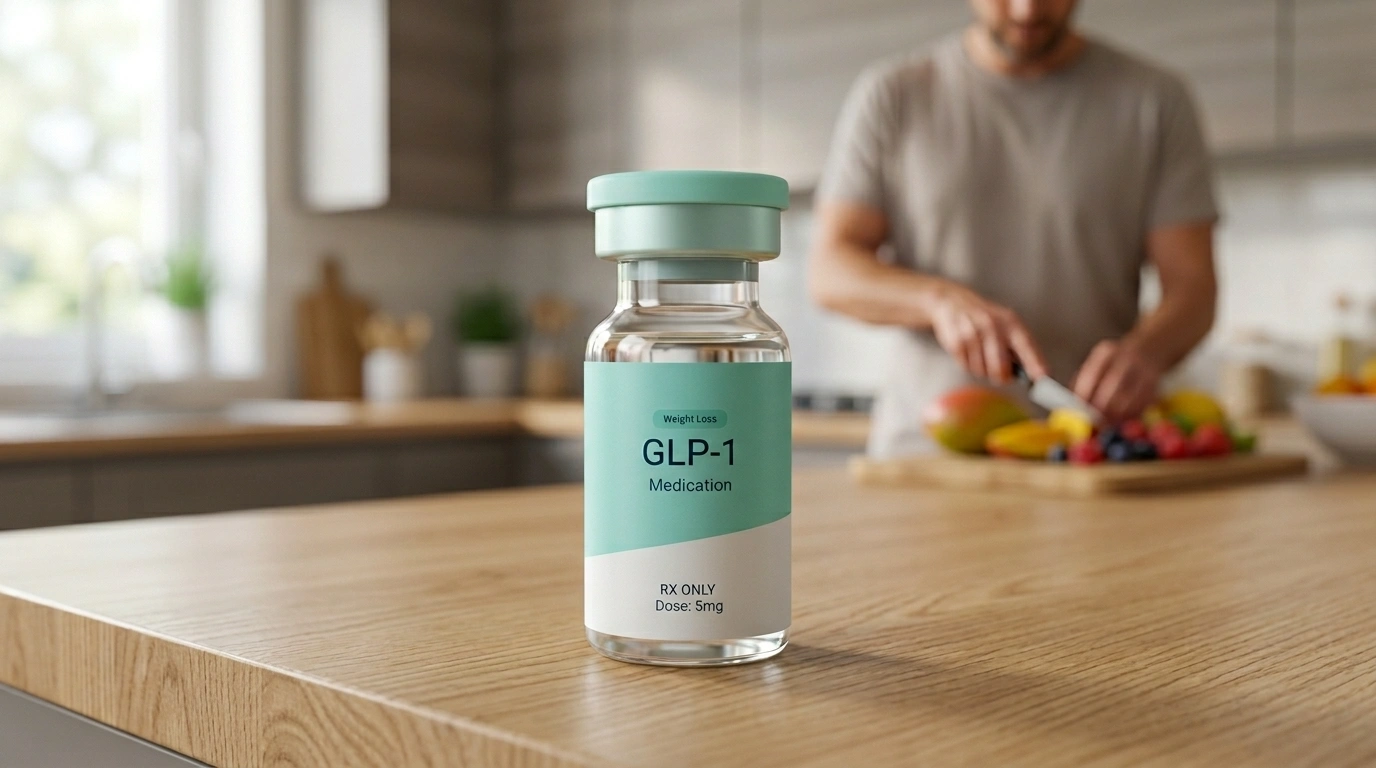
Starting a weight loss journey with a GLP-1 medication can feel like a major turning point. You may finally notice a quietness in your mind where constant cravings used to be, a phenomenon often called “food noise.” However, this new lack of appetite often leads to a common question: what diet should I follow while taking Ozempic? While the medication does much of the heavy lifting by signaling your brain that you are full, what you put on your plate still matters immensely. If you’re exploring whether prescription treatment fits your goals, take the free assessment quiz to see whether a personalized program may be a good next step. At TrimRx, we believe that medication is most effective when paired with a thoughtful, personalized approach to nutrition.
This post will cover the essential food groups to prioritize, which items might trigger uncomfortable side effects, and how to maintain your muscle mass while the pounds come off. We will also explore how to manage common digestive changes through simple dietary adjustments. Our goal is to provide a clear roadmap so you can nourish your body effectively while achieving sustainable results, and our guide to GLP-1 for weight loss without diabetes is a helpful companion if you want the bigger-picture science behind the medication.
How Ozempic Interacts With Your Digestion
To understand what to eat, you must first understand how Ozempic® (a branded semaglutide) affects your body. Semaglutide is a GLP-1 receptor agonist, which is a class of medication that mimics a natural hormone called glucagon-like peptide-1. This hormone tells your pancreas to release insulin and signals your brain that you are satisfied.
Crucially, semaglutide also slows down “gastric emptying,” which is the medical term for how fast food leaves your stomach. Because food stays in your stomach longer, you feel full on much smaller portions. However, this slower process means that certain foods—especially those that are hard to digest—can sit in the stomach too long, leading to nausea or bloating.
Quick Answer: There is no single “Ozempic diet,” but the most effective approach emphasizes high protein, high fiber, and heart-healthy fats. You should prioritize nutrient-dense foods that support muscle preservation and digestive regularity while avoiding greasy, sugary, or ultra-processed items that can worsen side effects.
If you’d like a deeper look at the medication side of the equation, our compounding pharmacy semaglutide guide explains how formulations differ and what patients should know.
The Foundation: Why Protein Is Your Best Ally
When you lose weight rapidly, your body does not just lose fat; it can also lose muscle tissue. Maintaining muscle is vital because muscle burns more calories at rest than fat does. If you lose too much muscle, your metabolism may slow down, making it harder to keep the weight off later.
Prioritize lean protein at every meal. Since you are likely eating smaller portions, every bite needs to count. Aiming for 25 to 30 grams of protein per meal is a common recommendation for those on GLP-1 medications.
Excellent sources of lean protein include:
- Poultry: Skinless chicken breast and turkey.
- Fish: Cod, tilapia, and shrimp are lean, while salmon and mackerel provide healthy omega-3 fats.
- Plant-based options: Tofu, tempeh, edamame, and lentils.
- Dairy: Low-fat Greek yogurt and cottage cheese are convenient, high-protein snacks.
- Eggs: A versatile and complete protein source.
If you struggle to meet your protein goals due to a lack of appetite, consider a high-quality protein shake or powder. This can be an easier way to get the nutrients you need without feeling overly full.
Managing Your Carbohydrates and Fiber
Carbohydrates are your body’s primary energy source, but not all carbs are created equal. When taking a medication that slows digestion, you want to choose carbohydrates that provide steady energy and plenty of fiber.
Fiber is essential for digestive health. One of the most frequent side effects reported by individuals taking semaglutide is constipation. Fiber helps keep things moving through your digestive tract. There are two types of fiber to consider:
- Soluble fiber: Found in oats, beans, and apples. It turns into a gel-like substance that can help stabilize blood sugar.
- Insoluble fiber: Found in whole grains and vegetables. It adds bulk to the stool and helps prevent constipation.
We recommend focusing on “complex carbohydrates” like quinoa, brown rice, sweet potatoes, and berries. These are rich in vitamins and minerals and digest more slowly than “simple carbohydrates” like white bread, sugary cereals, or pastries.
Key Takeaway: Because your appetite is reduced, you must focus on nutrient density. Every meal should lead with protein and be supported by high-fiber vegetables to protect your metabolism and digestive comfort.
Foods to Limit to Avoid Side Effects
While no food is strictly “banned,” certain categories are notorious for causing trouble when paired with a GLP-1 medication. Because your stomach empties more slowly, these foods can linger and cause significant discomfort.
High-Fat and Fried Foods
Greasy foods like fried chicken, burgers, and heavy cream sauces take a long time to break down. When they sit in the stomach for extended periods, they often trigger acid reflux, heartburn, and intense nausea. Many people find that their taste for these foods naturally diminishes shortly after starting treatment.
Sugary Drinks and Refined Sugars
Soda, sweetened coffee drinks, and candy can cause rapid spikes and drops in blood sugar. While Ozempic® helps regulate blood sugar, consuming high amounts of refined sugar can lead to “dumping syndrome” or general malaise and fatigue.
Alcohol
Alcohol provides empty calories and can worsen the dehydration that sometimes accompanies GLP-1 therapy. Some individuals also report that they lose the “reward” sensation usually associated with drinking, making it easier to cut back. If you do choose to drink, keep it moderate and stay hydrated with plenty of water.
Carbonated Beverages
For some, the bubbles in soda or sparkling water can contribute to extra gas and bloating. Since the medication already causes feelings of fullness, the added gas from carbonation can make you feel uncomfortably distended.
Navigating Nausea: A Practical Guide
Nausea is the most common hurdle during the first few weeks of treatment or when increasing a dosage. Your diet is your first line of defense. If you are feeling queasy, try the following adjustments:
- Eat smaller, more frequent meals: Instead of three large meals, try five or six “mini-meals.” This prevents the stomach from becoming too full.
- Choose bland foods: The “BRAT” diet (Bananas, Rice, Applesauce, Toast) can be helpful during a particularly rough day.
- Stay hydrated: Dehydration often mimics or worsens nausea. Sip water, herbal teas, or electrolyte-enhanced drinks slowly throughout the day.
- Avoid lying down after eating: Give your body at least two to three hours to digest before heading to bed to prevent nighttime reflux.
- Incorporate ginger or peppermint: Both are natural remedies that can help soothe an upset stomach.
The Mediterranean Approach
Many clinical experts suggest the Mediterranean diet as a gold standard for those on a weight loss journey. This isn’t a “diet” in the restrictive sense, but rather a pattern of eating that aligns perfectly with the needs of someone taking a GLP-1.
The Mediterranean style emphasizes:
- Abundant vegetables and fruits.
- Whole grains and legumes.
- Healthy fats from olive oil and nuts.
- Moderate amounts of fish and poultry.
- Minimal red meat and sweets.
This eating pattern is naturally high in fiber and lean protein, making it an excellent framework for your new lifestyle. At TrimRx, we find that our members who adopt these whole-food habits tend to feel more energetic and experience smoother weight loss transitions.
Hydration: More Than Just Water
Staying hydrated is non-negotiable when taking semaglutide. The medication can sometimes suppress your thirst signals along with your hunger signals. Furthermore, if you experience side effects like diarrhea or vomiting, you lose fluids and essential minerals.
Focus on electrolytes. Water is great, but your body also needs sodium, potassium, and magnesium to function correctly. If you feel fatigued, have a headache, or experience muscle cramps, it may be a sign that your electrolytes are low. You can find these in specialized hydration powders or naturally in foods like bananas, spinach, and coconut water.
Note: If you have a history of kidney issues or are on medication for high blood pressure, consult your healthcare provider before significantly increasing your electrolyte or fluid intake.
Myth vs. Fact: Eating on GLP-1s
Myth: You don’t need to exercise if you’re on Ozempic because the diet does all the work. Fact: While the medication and diet drive weight loss, exercise—especially resistance training—is crucial for maintaining muscle mass and bone density.
Myth: You should stop eating all carbohydrates to lose weight faster. Fact: Your brain and muscles need carbohydrates to function. Focus on high-fiber, complex carbs rather than cutting them out entirely.
Myth: If you aren’t hungry, you shouldn’t eat. Fact: Prolonged fasting can lead to muscle loss and nutrient deficiencies. Even if you aren’t hungry, try to consume small, protein-rich snacks to keep your body fueled.
Practical Steps to Start Your New Eating Plan
Transitioning to a new way of eating takes time. You do not need to overhaul your entire pantry in one day. Instead, follow these steps to build a sustainable routine. If you are still figuring out how to begin treatment, our online semaglutide prescription guide explains the process from consult to delivery.
Step 1: Focus on Protein First. At every meal, eat your protein source first. This ensures that even if you get full quickly, you have consumed the most critical nutrient for your muscles.
Step 2: Add Color with Vegetables. Fill the rest of your plate with non-starchy vegetables like broccoli, cauliflower, or leafy greens. These add volume and nutrients without many calories.
Step 3: Slow Down Your Eating. It takes about 20 minutes for your brain to receive the signal that your stomach is full. Because your digestion is slower on the medication, eating too fast can lead to overeating and subsequent pain or nausea.
Step 4: Audit Your Hydration. Carry a reusable water bottle and set a goal for how many times you will refill it. Monitor the color of your urine; it should be pale yellow, like lemonade.
The Role of Personalized Support
Every body is different. What works for one person may not work for another, especially when managing the nuances of a prescription weight loss program. This is why a one-size-fits-all approach often fails. If you are thinking about starting, take our free assessment quiz to see whether a personalized program fits your goals.
Our platform connects you with licensed providers who can help tailor your treatment to your specific health history and goals. We also offer GLP-1 Daily Support supplement, which is designed to help fill nutritional gaps and support digestive comfort during your journey.
Maintaining Your Results for the Long Term
The ultimate goal of using a medication like Ozempic® is to reach a healthier weight and stay there. The habits you build now—choosing lean protein, embracing fiber, and staying hydrated—are the same habits that will help you maintain your weight if you ever decide to transition off the medication. If your progress slows later, what to know about weight loss plateaus on semaglutide can help you reset expectations.
Think of the medication as a “biological scaffold” that supports you while you do the hard work of restructuring your relationship with food. By focusing on high-quality nutrition today, you are investing in a healthier, more vibrant future.
Conclusion
Navigating your diet while taking a GLP-1 medication does not have to be a source of stress. By prioritizing lean proteins, focusing on fiber to aid digestion, and staying vigilant about hydration, you can minimize side effects and maximize your health outcomes. Remember that the goal is progress, not perfection. Listen to your body’s new signals, eat slowly, and focus on nutrient-dense foods that make you feel your best.
At TrimRx, our mission is to empower you with the tools, science, and empathetic support you need to make these changes permanent. We believe in a future where weight management is transparent, accessible, and deeply personal. If you are ready to take the next step in your journey, take the free assessment quiz to see which of our personalized programs is right for your unique health profile.
FAQ
Can I eat whatever I want as long as I take Ozempic?
While the medication reduces your appetite, eating poor-quality, high-fat, or sugary foods can lead to significant gastrointestinal distress and may slow your progress. For the best results and the fewest side effects, you should focus on a nutrient-dense diet rich in protein and fiber.
Why do I feel so tired while taking this medication?
Fatigue can be caused by several factors, including a significant drop in calorie intake, dehydration, or a lack of essential nutrients like protein and B vitamins. Ensuring you are eating enough protein and staying hydrated with electrolytes can often help improve your energy levels. If fatigue is a major issue, some readers also explore the Weight Loss Boost supplement for added energy support while they are adjusting their intake.
Is it okay to skip meals if I’m not hungry?
While you may not feel hungry, skipping meals consistently can lead to muscle loss and nutrient deficiencies. It is better to eat small, frequent, protein-rich snacks throughout the day to ensure your body has the fuel it needs to function properly.
Will I have to stay on this diet forever?
The healthy eating habits you develop while on the medication—such as choosing whole foods and prioritizing protein—are intended to be long-term lifestyle changes. For a broader look at how GLP-1s work as ongoing treatment, our guide to GLP-1 receptor agonists for weight loss explains what to expect.
Disclaimer: This content is for informational purposes only and does not constitute medical advice. It is not intended to diagnose, treat, cure, or prevent any disease or condition. Individual results may vary. Always consult a qualified healthcare professional before starting any weight loss program or medication.

Transforming Lives, One Step at a Time
Keep reading
I Took My Ozempic Two Days in a Row by Accident
Call for guidance now rather than waiting to see how you feel. In the United States, Poison Control is available free and around the…

Why Does My Ozempic Injection Sting More Some Weeks Than Others?
Because more variables change between injections than most people realize. Temperature of the medication, which site you used, how deep the needle went, how…
How to Store Your Ozempic Pen During a Power Outage
Keep the refrigerator door closed. An unopened refrigerator holds a safe temperature for roughly four hours, and a full freezer holds for considerably longer….


