Why Do I Feel Nauseous After Taking Ozempic?
Introduction
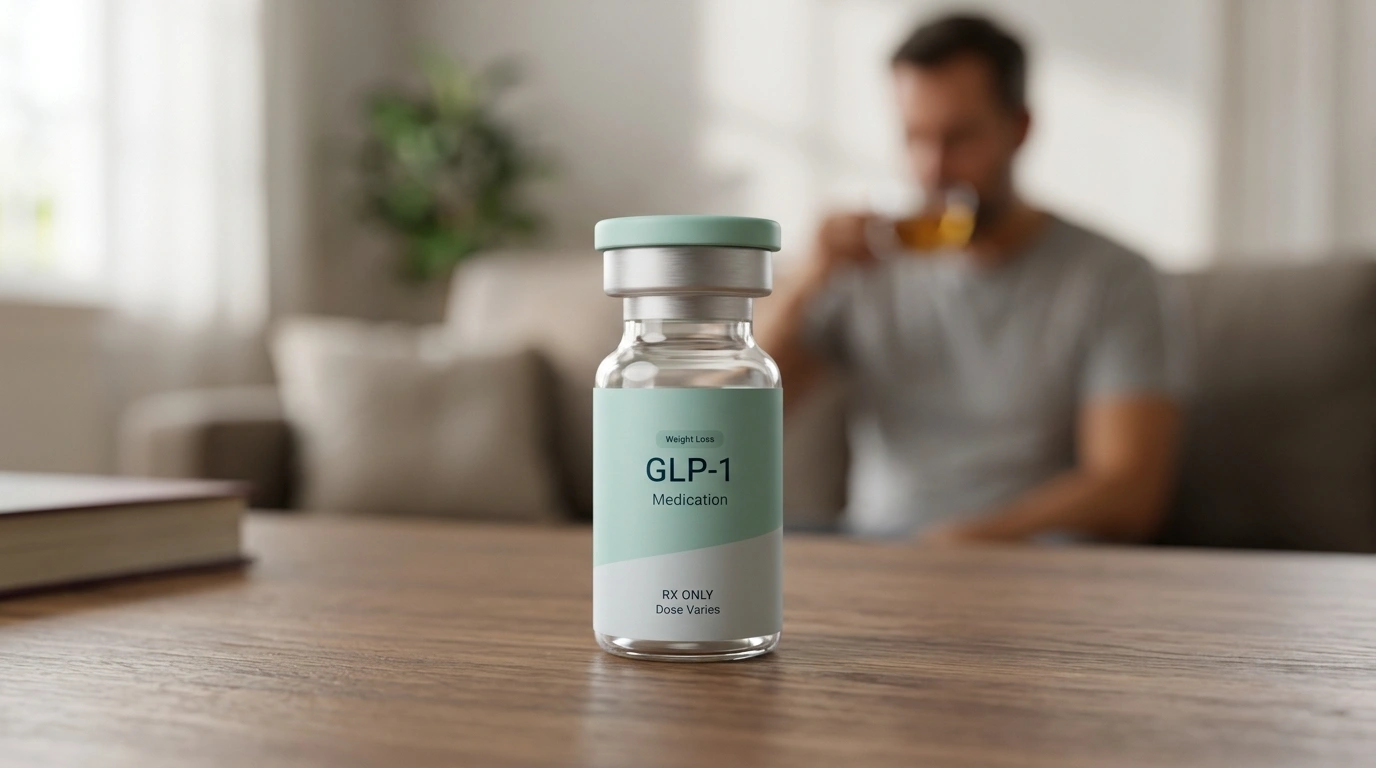
Starting a weight loss journey often comes with a mix of excitement and apprehension. If you have recently begun using Ozempic® (semaglutide), that excitement might be clouded by a persistent, “sick-to-your-stomach” feeling. You are certainly not alone in this experience. Nausea is the most frequently reported side effect for individuals using GLP-1 (glucagon-like peptide-1) receptor agonists, and our guide to common GLP-1 side effects can help set expectations before treatment begins. At TrimRx, we understand that these physical hurdles can make it difficult to stay committed to your long-term health goals.
This article will explore why this medication affects your digestive system, how long you can expect the discomfort to last, and practical strategies to find relief. We will cover dietary shifts, lifestyle adjustments, and when it is necessary to speak with a healthcare provider. Our goal is to help you navigate these early stages with confidence so you can focus on your progress. Nausea is often a temporary hurdle on the path to better metabolic health. If you are looking for a personalized next step, take the free assessment quiz.
Understanding the Mechanism: What Is Ozempic?
Before addressing the nausea, it is helpful to understand what the medication actually is. Ozempic® is a brand-name prescription medication containing the active ingredient semaglutide. Semaglutide is a GLP-1 receptor agonist, a type of medicine that mimics a hormone naturally produced in your gut. If you want a deeper look at how GLP-1 works for weight loss, it helps to understand the role this hormone plays after you eat. This hormone is typically released after you eat to tell your brain you are full and to prompt your pancreas to release insulin.
While this medication is FDA-approved to treat type 2 diabetes, many healthcare providers prescribe it off-label for weight management due to its significant impact on appetite. It essentially recalibrates how your body processes hunger and fullness. However, this recalibration can sometimes “overshoot,” leading to the queasiness many patients describe.
The Scientific Reasons Behind the Nausea
There are two primary physiological reasons why you might feel nauseous after your weekly injection. Our semaglutide side effects guide breaks down those patterns in more detail.
Delayed Gastric Emptying
The most common cause of nausea is a process called delayed gastric emptying. Under normal circumstances, your stomach moves food into the small intestine at a steady pace. GLP-1 medications slow this process down significantly. Because food remains in your stomach for a longer duration, you feel full much faster and for a longer time.
While this is excellent for weight loss, it can cause physical discomfort. If the stomach remains stretched or full for too long, it sends signals to the brain that can be interpreted as nausea. This is especially true if you continue to eat your “normal” portion sizes, even though your digestion has slowed down.
The Brain-Gut Connection
The second reason involves the central nervous system. GLP-1 receptors are not just in your gut; they are also located in parts of the brain that control nausea and vomiting. When the medication activates these receptors, it can directly trigger a sensation of queasiness, regardless of what is in your stomach.
Quick Answer: Nausea occurs because the medication slows down how quickly your stomach empties and interacts with the brain’s nausea control centers. It is a sign that the medication is active in your system.
How Common Is Nausea During Treatment?
If you are feeling sick, it might help to know that you are in the majority. Clinical trials for semaglutide have consistently shown that gastrointestinal side effects are the most common adverse events.
- In some studies, up to 44% of participants reported nausea.
- The frequency of nausea often depends on the dosage.
- Higher doses are generally associated with more frequent reports of stomach upset.
Most patients find that the nausea is mild to moderate. While it is unpleasant, it rarely becomes severe enough to require stopping the medication, provided you have a solid management plan in place.
The Timeline: How Long Will This Last?
One of the most pressing questions for anyone feeling unwell is, “When will this end?” The good news is that for most people, the nausea is not permanent.
The Adaptation Phase
Your body needs time to adjust to the new hormonal signals. Most patients report that nausea is most intense during the first 8 to 12 weeks of treatment. This period is often referred to as the titration phase, where your healthcare provider slowly increases your dose to help your system acclimate.
Dose Increases
It is common to feel a “flare” of nausea every time you move up to a higher dosage. This usually lasts for a few days after the injection and then tapers off as the week progresses. By the time you reach a maintenance dose and your body has fully adjusted, the nausea typically diminishes or disappears entirely.
Key Takeaway: Nausea is usually a temporary side effect that peaks during the first few months of treatment and during dose escalations. Most symptoms resolve as the body acclimates to the medication.
Strategic Dietary Changes for Relief
What you eat—and how you eat it—can significantly influence how you feel. For a closer look at effective strategies for managing GLP-1 side effects, dietary adjustments are often the first place to start. Since your stomach is processing food more slowly, your old eating habits may need an update.
Choose Bland, Simple Foods
When your stomach feels sensitive, stick to the “BRAT” diet or similar bland options. These are easier for your system to break down and are less likely to trigger a strong digestive response.
- Crackers and Toast: Simple carbohydrates can help soak up excess stomach acid.
- Rice and Noodles: Plain, boiled grains are gentle on the digestive tract.
- Clear Broths: These provide hydration and electrolytes without the bulk of heavy fats.
- Bananas and Applesauce: These offer natural sweetness and fiber in a form that is easy to digest.
What to Avoid
Certain foods act as “triggers” that can turn mild queasiness into significant distress. While you are adjusting to the medication, it is wise to limit or avoid the following:
- Fried and Greasy Foods: High-fat meals take the longest to digest. Since your digestion is already slowed down, these can sit in your stomach for an uncomfortable amount of time.
- Spicy Foods: Capsaicin and other spices can irritate the stomach lining, which may already be sensitive.
- Sugary Treats: Very sweet foods can cause rapid shifts in blood sugar and gut osmolarity, leading to “dumping” sensations or nausea.
- Carbonated Beverages: The bubbles in soda or sparkling water can increase gas and pressure in a stomach that is already emptying slowly.
Mastering Your Eating Habits
Beyond what is on your plate, the way you consume your meals can make a world of difference. At TrimRx, we encourage our members to adopt a “mindful eating” approach to minimize side effects, and if you want to see whether a personalized plan is right for you, complete the free assessment quiz.
Small, Frequent Meals
Instead of three large meals, try eating five or six small snacks throughout the day. This prevents your stomach from becoming over-extended. If you wait until you are “starving” to eat, you are more likely to eat too fast and overload your system.
The “Stop” Signal
Because of delayed gastric emptying, there is a delay between your stomach being full and your brain receiving that message. Practice eating slowly and stop the moment you feel a hint of satisfaction. If you eat until you feel “stuffed,” you will likely feel nauseous for several hours afterward.
Hydration Strategies
Dehydration can actually make nausea worse. However, drinking a large glass of water with a meal can fill up your stomach too quickly. Try these tips:
- Sip water slowly throughout the day.
- Avoid “chugging” fluids.
- Try drinking your fluids 30 minutes before or after a meal rather than during it.
- Ice-cold water or clear, electrolyte-rich drinks are often better tolerated than room-temperature fluids.
Lifestyle Adjustments to Minimize Sickness
Small changes to your daily routine can help manage the way your body processes the medication and the resulting side effects.
Stay Upright After Meals
Gravity is your friend when digestion is slow. Try to stay upright for at least 30 to 60 minutes after eating. Lying down immediately after a meal can encourage acid reflux and keep food sitting at the top of the stomach, which triggers the nausea reflex.
Fresh Air and Movement
While intense exercise might feel impossible when you are queasy, a gentle walk can actually help. Fresh air can be a powerful natural remedy for nausea. A light stroll also encourages the digestive muscles to move, potentially helping to move food through your system.
Injection Timing and Location
Some individuals find that the timing of their injection matters.
- Nighttime Injections: Taking your dose before bed may allow you to “sleep through” the initial peak of side effects.
- Injection Site: While clinical evidence is limited, some patients report fewer gastrointestinal issues when they inject into the thigh rather than the abdomen. You should discuss this with your healthcare provider to see if a change in site is appropriate for you.
Natural and Over-the-Counter Remedies
If lifestyle changes are not enough, there are several remedies that can provide quick relief.
Ginger and Peppermint
These natural ingredients have been used for centuries to soothe upset stomachs.
- Ginger: Ginger tea, ginger chews (low sugar), or even a small amount of fresh ginger can reduce the signals of nausea sent to the brain.
- Peppermint: Peppermint tea or enteric-coated peppermint oil capsules can help relax the muscles of the digestive tract, reducing cramping and queasiness.
Over-the-Counter Options
There are several OTC medications that might help, but you should always consult a professional before adding them to your routine.
- Bismuth subsalicylate: Commonly known as Pepto-Bismol, this can help with general stomach upset and indigestion.
- Dimenhydrinate: Known as Dramamine, this is an antihistamine that can help with nausea, though it may cause drowsiness.
Prescription Support
In cases where nausea is persistent and interfering with your quality of life, your healthcare provider might prescribe a stronger anti-nausea medication.
- Ondansetron (Zofran®): This is a powerful anti-emetic often used to manage significant nausea. It is typically used as a short-term solution while your body adjusts to the GLP-1 medication. If your appetite is low and you want a simple way to support nutrition during treatment, the GLP-1 Daily Support supplement is one option we offer.
When to Contact a Healthcare Professional
While nausea is common, it is important to distinguish between “normal” side effects and something more serious. For a broader safety overview, see our Is GLP-1 Safe? article. Your safety is always the priority.
Signs of Dehydration
If you are vomiting frequently and cannot keep fluids down, you risk dehydration. Symptoms include:
- Extreme thirst
- Dry mouth
- Dark-colored urine
- Dizziness or lightheadedness
Potential for Pancreatitis
A rare but serious side effect of GLP-1 medications is pancreatitis (inflammation of the pancreas). You should seek immediate medical attention if you experience:
- Severe, persistent abdominal pain that may radiate to your back
- Pain that feels sharp or “stabbing”
- Vomiting that does not stop
- Fever along with stomach pain
Gallbladder Issues
Rapid weight loss and GLP-1 medications can sometimes lead to gallbladder problems or gallstones. If you experience intense pain in the upper right side of your abdomen, especially after a high-fat meal, contact your provider.
The TrimRx Approach to Managing Side Effects
We believe that weight loss should not be a miserable experience. Our platform is designed to provide you with more than just a prescription; we provide a partnership.
When you join a personalized program through us, you gain access to a dedicated team of specialists who understand the nuances of GLP-1 therapy. We also offer quick-access support like daily nutritional support when your appetite is low to help you stay on track. Our providers may suggest staying on a lower dose for an extra week or two to give your body more time to adapt.
We also offer quick-access supplements like GLP-1 Daily Support to help provide the nutrients your body needs when your appetite is low. Our goal is to ensure your transition into a healthier lifestyle is as smooth and comfortable as possible.
Comparison: Nausea Across Different Medications
Not all GLP-1 medications are the same. If the nausea from one becomes unmanageable, your provider might suggest an alternative.
| Medication Type | Common Side Effects | Typical Nausea Duration |
|---|---|---|
| Semaglutide (Ozempic® / Wegovy®) | Nausea, Constipation, Diarrhea | 8–12 weeks (peaks at dose changes) |
| Tirzepatide (Mounjaro® / Zepbound®) | Nausea, Indigestion, Fatigue | Varies; may be slightly more intense initially |
| Oral Semaglutide (Rybelsus®) | Nausea, Stomach Pain | Constant daily exposure may feel different than weekly |
| Compounded Semaglutide | Similar to branded versions | Depends on the specific formulation and titration |
Note: Compounded Semaglutide and Compounded Tirzepatide are prepared and shipped by FDA-registered, inspected compounding pharmacies. They are not FDA-approved, unlike their branded counterparts Ozempic®, Wegovy®, Mounjaro®, and Zepbound®.
Finding the Right Path Forward
If you are currently feeling discouraged by nausea, take a moment to reflect on your “why.” Many people find that once they move past this initial adjustment period, the benefits of the medication—such as reduced “food noise,” better blood sugar control, and sustainable weight loss—far outweigh the temporary discomfort. If you want a step-by-step look at getting started, our how to get GLP-1 medication guide walks through the process.
You do not have to “white-knuckle” your way through the sickness. By eating smaller meals, staying hydrated, and using natural remedies, you can significantly reduce the impact of these side effects. Most importantly, keep an open line of communication with your healthcare team. They are there to help you adjust your plan to fit your body’s unique needs.
Summary Checklist for Nausea Relief
If you are feeling sick today, follow these steps:
- Stop eating immediately if you feel full or queasy.
- Sip ice-cold water or ginger tea slowly.
- Step outside for five minutes of fresh air.
- Stay upright; do not lie down on the couch or bed.
- Eat a bland snack like a few saltine crackers when you feel able.
- Review your last meal to see if a trigger (fat, spice, sugar) was present.
Conclusion
Nausea is a common, often expected part of the journey when starting Ozempic® or similar medications. It is a physical manifestation of your body learning to process hormones in a new way. While the feeling is frustrating, it is usually a signal that the medication is working to slow your digestion and shift your metabolic state.
Our mission is to help you reach your goals through a combination of clinical expertise and empathetic support. Sustainable weight loss is about more than just a number on the scale; it is about feeling good in your body. By taking a personalized approach and managing side effects proactively, you can turn this temporary challenge into a success story.
If you are ready to take the next step toward a healthier version of yourself, we invite you to take our free assessment quiz. This helps our partner providers understand your medical history and determine if a personalized GLP-1 program is the right fit for you.
FAQ
Why does the nausea feel worse in the morning?
Many people experience increased nausea in the morning because the stomach has been empty for several hours, allowing stomach acid to build up. Additionally, if you took your injection the night before, the medication levels in your bloodstream are reaching their peak. Try eating a few dry crackers before even getting out of bed to help settle your stomach. For more detail on dose-related stomach upset, our semaglutide nausea guide goes deeper.
Can I take motion sickness medication for Ozempic nausea?
Some over-the-counter motion sickness medications, like Dramamine, can help reduce the sensation of queasiness. However, these often cause drowsiness and may not address the underlying cause of delayed gastric emptying. It is always best to consult with your healthcare provider before combining medications to ensure they are safe for your specific health profile.
Will the nausea come back every time I increase my dose?
It is very common to experience a temporary return of nausea for 2 to 3 days following a dose increase. This happens because your body is adjusting to a higher concentration of the medication. For a broader look at the pattern of symptoms, our GLP-1 side effects overview explains what many patients notice during dose changes.
Is it normal to have no nausea at all?
Yes, it is perfectly normal. While a large percentage of people do experience some level of stomach upset, many individuals have no gastrointestinal side effects at all. Not having nausea does not mean the medication isn’t working; it simply means your body is processing the GLP-1 signals more smoothly.
Disclaimer: This content is for informational purposes only and does not constitute medical advice. It is not intended to diagnose, treat, cure, or prevent any disease or condition. Individual results may vary. Always consult a qualified healthcare professional before starting any weight loss program or medication.

Transforming Lives, One Step at a Time
Keep reading

Why Does My Tongue Feel Coated on Ozempic?
Usually because there is less saliva washing your tongue clean, and less food passing over it to do the same job mechanically. Your tongue…

Starting a New Job With No Insurance While on Ozempic
The problem is usually a waiting period rather than a permanent loss, and waiting periods are plannable in a way that job loss is…

Does Collagen Help With Loose Skin on Ozempic?
Probably not for the thing you are hoping it will fix, and it is unlikely to do harm. Collagen supplements have been studied mainly…


