Why Are Skinny People Taking Ozempic? Risks and Realities
Introduction
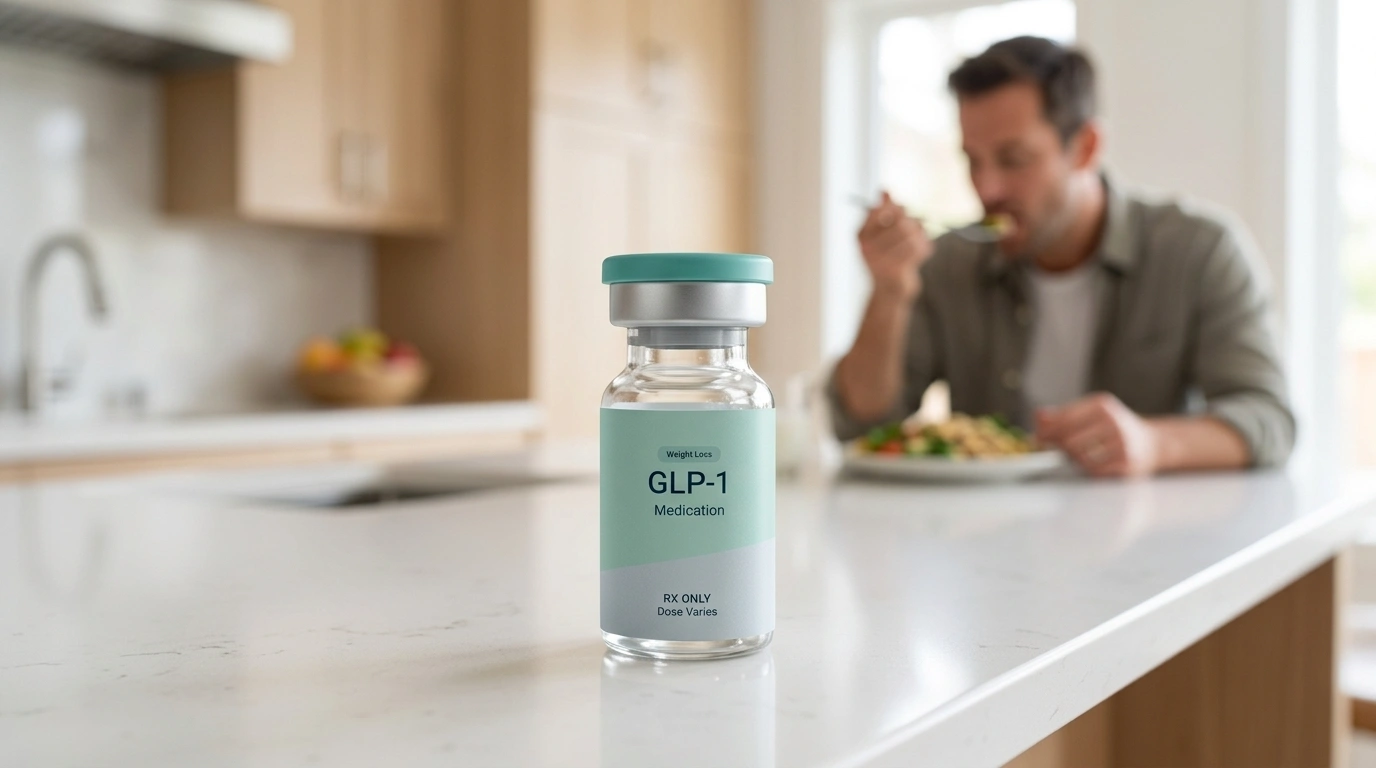
In the last few years, the cultural landscape surrounding weight has shifted dramatically, often centered on a single name. You have likely noticed the headlines or social media conversations about public figures appearing significantly smaller in a short amount of time. This has led many to ask a specific, pointed question: why are skinny people taking Ozempic®? While these GLP-1 medications are life-changing tools for those managing chronic obesity or type 2 diabetes, their use by individuals who are already at a low or healthy weight has sparked concern among health professionals. At TrimRx, we believe in a science-backed, empathetic approach to weight management that prioritizes long-term metabolic health over aesthetic trends. This article will examine the motivations behind this trend, the physiological risks of using metabolic medication without medical necessity, and how to determine if a personalized program is the right step for your unique health profile. The goal of any weight management journey should be a stronger, healthier body, not a pursuit of thinness at any cost.
Quick Answer: Individuals who appear “skinny” may take Ozempic® for various reasons, including managing type 2 diabetes, maintaining weight loss achieved earlier in their journey, or seeking further “cosmetic” weight reduction. However, taking these medications without meeting clinical BMI criteria poses significant risks, such as severe muscle loss, nutritional deficiencies, and metabolic disruption.
The Science of GLP-1: How These Medications Function
To understand why someone might use these medications, it is first necessary to understand what they actually do inside the body. GLP-1 receptor agonists are a class of medications that mimic a naturally occurring hormone called glucagon-like peptide-1. In a healthy body, the gut releases this hormone after you eat. It signals the pancreas to release insulin, tells the liver to stop producing excess sugar, and communicates with the brain to create a feeling of fullness.
The medication also slows down gastric emptying, which is the speed at which food leaves your stomach. This combination of signals effectively “mutes” hunger and reduces what many patients call “food noise”—the constant, intrusive thoughts about eating. For an individual with a BMI over 30 or type 2 diabetes, this correction is therapeutic. Their natural GLP-1 pathways may be dysregulated, and the medication helps restore a sense of metabolic balance. You can also explore this distinction in our explanation of how GLP-1 medications may affect food noise.
When a person who is already thin takes the medication, the experience is different. Because their natural satiety signals are often functioning correctly, overriding them with a high-dose agonist can lead to an extreme aversion to food. This can result in a calorie deficit so severe that the body struggles to maintain basic functions. The primary goal of these medications is to manage metabolic dysfunction, not simply to serve as a tool for rapid weight reduction in those who are already metabolically healthy.
Why People Within a “Healthy” Weight Range Use GLP-1s
There is rarely a single reason why an individual who appears thin might be using a medication like Ozempic® or Wegovy®. It is important to remember that you cannot always see a person’s health status from the outside. Understanding the different motivations can help clarify the difference between medical necessity and cosmetic misuse.
1. Management of Type 2 Diabetes
The most common reason a “skinny” person takes Ozempic® is that the medication was originally designed for type 2 diabetes. Many people living with diabetes are not overweight. For these individuals, the medication is a critical tool for managing blood sugar and reducing the risk of heart attack or stroke. In this context, the medication is not being used for weight loss at all; any weight loss that occurs is a secondary side effect of managing their insulin levels.
2. The Weight Loss Maintenance Phase
You may see someone who looks thin today but was struggling with obesity a year ago. Sustainable weight loss requires long-term management. Clinical studies have shown that when individuals stop taking GLP-1 medications, they often experience a return of “food noise” and hunger, which can lead to rapid weight regain. Our guide to what can happen after stopping GLP-1 treatment provides additional context about appetite and ongoing support.
For many patients, staying on a maintenance dose is a way to protect the progress they have made and prevent the return of weight-related health complications.
3. “Cosmetic” or Vanity Weight Loss
This is the area that causes the most concern among clinical experts. Societal pressure to achieve an “ultra-thin” aesthetic has driven some to seek these medications off-label. This is sometimes seen in the “celebrity” or “influencer” space, where individuals use the drugs to lose a small amount of weight—perhaps 5 or 10 pounds—to fit a specific “look.” Using a powerful metabolic medication for purely aesthetic reasons, without a medical diagnosis, is often referred to as cosmetic misuse.
4. Treatment of “Skinny Fat” (Sarcopenic Obesity)
Some individuals may have a “normal” BMI but carry a high percentage of visceral fat (fat stored around the organs). This is sometimes called being “skinny fat” or having sarcopenic obesity. This internal fat can cause the same metabolic issues as traditional obesity, such as insulin resistance. In these specific clinical cases, a licensed provider might determine that a GLP-1 medication is appropriate to help improve the individual’s metabolic profile, even if their total body weight doesn’t look high to a casual observer.
Key Takeaway: While some individuals use GLP-1s for vital medical reasons like diabetes or maintenance, using them solely for “vanity” weight loss overrides healthy biological signals and increases the risk of metabolic harm.
The Physical Risks of Taking Ozempic When Thin
The medical community establishes BMI guidelines for a reason. When you lose weight, your body needs to draw energy from somewhere. If you have significant stores of body fat, your body will primarily burn that fat for fuel. However, if an individual is already thin and enters a severe calorie deficit, the body must look elsewhere for energy.
The Danger of Significant Muscle Loss
One of the most serious risks for thin people using GLP-1s is sarcopenia, or the rapid loss of lean muscle mass. During weight loss, the goal is to preserve muscle while losing fat. But for a skinny person, the body often begins to break down muscle tissue to survive the lack of caloric intake.
Muscle is metabolically active tissue. It burns calories even when you are resting. When you lose muscle, your resting metabolic rate drops. This creates a dangerous cycle where you may eventually regain weight as fat, even if you are eating the same amount of food as before. This is why people who misuse these medications often end up “softer” or more fragile than they were before they started. Our discussion of muscle and metabolic health during GLP-1 treatment covers why preserving lean tissue matters.
Nutritional Deficiencies and Malnutrition
Because these medications can lead to a total loss of interest in food, thin individuals are at a high risk for malnutrition. This is not just about eating fewer calories; it is about the body failing to get the building blocks it needs for cellular repair, immune function, and bone health.
- Protein Deficiency: Can lead to hair thinning, brittle nails, and muscle wasting.
- Electrolyte Imbalances: Severe nausea or a lack of food intake can disrupt sodium and potassium levels, which are critical for heart health.
- Vitamin Gaps: It is difficult to meet daily requirements for B12, Iron, and Vitamin D when you are only consuming a few hundred calories a day.
For practical nutrition considerations during treatment, see our guide to choosing nutrient-dense foods while using weight loss injections.
Aesthetic Consequences: “Ozempic Face” and “Ozempic Body”
While the goal of cosmetic use is to look “better,” the results can often be the opposite. “Ozempic face” describes the hollowed, gaunt, and aged appearance that occurs when fat is lost rapidly from the face. Facial fat provides volume that keeps skin looking youthful. For someone who is already thin, losing even a small amount of facial fat can lead to sunken eyes, sagging skin, and prominent wrinkles that may be difficult to reverse.
Bottom line: GLP-1 medications are designed to address metabolic dysfunction; for those without that dysfunction, the “benefit-to-risk” ratio shifts, making muscle loss and malnutrition much more likely.
Why BMI Guidelines and Clinical Supervision Matter
In the United States, the FDA has approved branded semaglutide medications like Wegovy® for individuals with a BMI of 30 or higher, or a BMI of 27 or higher with at least one weight-related condition (such as high blood pressure). These guidelines are not arbitrary; they are based on extensive safety data.
The “benefit-to-risk” ratio is the core of medical decision-making. For an individual with obesity, the benefit of reducing the risk of heart disease or diabetes far outweighs the risk of side effects like nausea. For an individual with a BMI of 22 who simply wants to lose 5 pounds, there is no metabolic disease to “fix.” This means they are assuming all the risks of a serious prescription medication—some of which are rare but severe—for zero medical benefit.
At TrimRx, our platform connects patients with licensed providers who strictly review these health profiles. A personalized program isn’t just about getting a prescription; it’s about a medical professional determining if the treatment is safe for your specific body. If a provider determines you do not qualify, it is a protective measure for your long-term health. If you want to understand the intake process, you can complete the free assessment quiz.
The Psychological Impact and “Food Noise”
We also have to consider the psychological aspect of the “skinny person” trend. “Food noise” is a term used to describe a preoccupation with food that can be overwhelming for those with metabolic issues. For these individuals, the medication provides a “quiet” brain that allows them to make healthy choices for the first time.
However, for a person at a healthy weight, some level of hunger is a vital biological signal. It is the body’s way of saying it needs fuel to keep the heart beating and the brain functioning. When you use medication to artificially silence those signals when they are actually working correctly, you risk losing your connection to your body’s basic needs. This can overlap with or exacerbate patterns of disordered eating or body dysmorphia.
Myth: “Microdosing” GLP-1s is a safe way to lose a few “vanity” pounds. Fact: There is no clinical evidence to support using low doses of these medications for cosmetic purposes in thin people. Even a small dose can trigger muscle loss and nutrient gaps in someone without excess fat stores.
How to Optimize Weight and Health Safely
If you are already at a healthy weight but want to change your body composition, there are more effective and safer ways to achieve a “toned” or “lean” look than using prescription GLP-1 medications.
- Prioritize Resistance Training: Lifting weights sends a signal to your body to keep its muscle mass. This is the only way to achieve a “toned” appearance while actually speeding up your metabolism.
- Increase Protein Intake: Aiming for higher protein (roughly 0.8g to 1g per pound of target body weight) helps preserve muscle and naturally supports satiety.
- Focus on Nutrient Density: Instead of eating “less,” focus on eating “better”—foods high in fiber, healthy fats, and vitamins.
- Consider Targeted Supplements: For those who do not qualify for a prescription program but want to support their natural metabolic pathways, options like GLP-1 Daily Support or Weight Loss Boost can provide nutrient support without the risks of high-dose agonists.
How the Personalized Program at TrimRx Works
We believe that every weight loss journey must be medically supervised and personalized. Our mission is to move away from the “one-size-fits-all” approach and provide a program that respects your unique health history.
The process is designed to be thorough and telehealth-first:
Step 1: Complete the free assessment quiz. This provides the essential health data our partner providers need to review.
Step 2: Connect with a licensed healthcare provider. They will evaluate your BMI, medical history, and goals to see if you are a safe candidate.
Step 3: Receive personalized treatment. If a prescription is appropriate, it is tailored to your needs and shipped from an FDA-registered, inspected compounding pharmacy.
Step 4: Ongoing support. Our team is available 24/7 to help you navigate side effects and ensure you are losing weight in a way that protects your muscle mass.
Long-Term Health vs. Short-Term Trends
The “Ozempic boom” has created a world where people are tempted to look for shortcuts. But true metabolic health is not a trend. It is the result of finding the right balance between science-backed tools and sustainable lifestyle habits.
Using a GLP-1 when you are already thin is essentially borrowing from your future health. You may lose the weight today, but you risk doing so at the expense of your muscle, your bone density, and your metabolic rate. When the medication stops, a body with less muscle is much more likely to struggle with weight management than it was before the treatment started.
Key Takeaway: Using metabolic medications inappropriately can lead to “sarcopenic obesity”—a state where you have more body fat relative to muscle than you did before you started, even if the scale shows a lower number.
Summary of Action Steps
If you are curious about your weight or considering a GLP-1 program, here is how to take a realistic next step:
- Check your BMI: Use a trusted calculator to see where you sit on the clinical scale. If your BMI is under 25, your focus should likely be on strength and nutrition rather than medication.
- Consult a Professional: Never take a medication that was not prescribed for you by a licensed provider who has reviewed your health data.
- Evaluate Your Goals: Ask yourself if you are seeking better health or trying to meet an arbitrary societal standard.
- Take the Quiz: If you believe you may have metabolic issues or have a BMI over 27, start with a free eligibility assessment for a safe, medically supervised conversation.
Conclusion
The question of why skinny people are taking Ozempic® reveals a complex mix of medical necessity and cultural pressure. While the medication is a vital, science-backed tool for those with type 2 diabetes or clinical obesity, using it for cosmetic weight loss when you are already at a healthy weight is a high-risk gamble. The potential for muscle wasting, malnutrition, and long-term metabolic slowdown is a high price to pay for a temporary aesthetic change.
Our mission at TrimRx is to provide an empathetic, transparent, and medically sound path to sustainable weight management. We believe in empowering you with the right tools—whether that is a personalized prescription program for those who qualify or supportive supplements and lifestyle guidance for those who don’t. We are here to ensure that your journey toward health is as safe as it is effective.
“A healthy weight loss journey is a marathon of metabolic repair, not a sprint toward an unrealistic image. Protect your strength today for a healthier tomorrow.”
If you are ready to see if a personalized, medically supervised weight loss program fits your health profile, the best first step is to complete a free eligibility assessment.
FAQ
Can I get a prescription for a GLP-1 if I only want to lose 5 or 10 pounds?
Generally, no. Most licensed providers follow clinical guidelines that require a BMI of 30 or higher (or 27 with a related health condition). For someone who is already at a healthy weight, the risk of losing muscle mass and experiencing severe side effects far outweighs the benefit of losing a small amount of weight.
Why do some thin people look “sickly” on these medications?
This is often due to rapid weight loss that includes a significant amount of lean muscle and facial fat. Without enough caloric and protein intake, the body enters a state of malnutrition, which can lead to sunken eyes, sagging skin, and hair thinning—often referred to as “Ozempic face” or “Ozempic body.” Our article on preserving muscle during GLP-1 treatment offers more context.
Is it possible to be “skinny” but still have a medical need for Ozempic?
Yes. Some individuals have a normal BMI but suffer from type 2 diabetes or internal “visceral” fat that causes metabolic dysfunction. In these cases, a licensed provider may determine the medication is medically necessary to manage blood sugar or improve metabolic markers, rather than for weight loss. If you want a provider to review your health profile, you can begin the assessment process.
What happens if I stop taking the medication after using it to get “skinny”?
Many people experience a “rebound” effect where hunger and food noise return. If the individual lost muscle during the process, their metabolism may be slower than it was before, which often leads to regaining the weight as fat. This is why medical supervision is critical for long-term success. You can read more about appetite and weight changes after stopping GLP-1 treatment.
TrimRX does not practice medicine or prescribe medications. Compounded medications are not FDA-approved and are not evaluated by the FDA for safety or efficacy. Results vary by individual and are not guaranteed.
Disclaimer: This content is for informational purposes only and does not constitute medical advice. It is not intended to diagnose, treat, cure, or prevent any disease or condition. Individual results may vary. Always consult a qualified healthcare professional before starting any weight loss program or medication.

Transforming Lives, One Step at a Time
Keep reading
Is It Normal for Nausea to Come Back on Ozempic?
Many people on Ozempic or another GLP-1 have a rough first few weeks, then settle in and feel much better. So it can be…

Is It Normal to Not Feel Anything After Taking Ozempic?
You have heard stories about people losing interest in food overnight or feeling queasy after their first dose. Then you take your own first…

Is It Normal to Have Dark Urine on Ozempic?
Noticing that your urine is darker than usual can be worrying. On Ozempic or another GLP-1, the most common reason is simple: you are…


