Why Does My Stomach Hurt After Taking Ozempic?
Introduction
You finally took the first step toward your health goals, but now you are dealing with a dull ache or sharp cramping in your midsection. If you are asking, “Why does my stomach hurt after taking Ozempic?” you are certainly not alone. Many people starting their journey with GLP-1 medications—which stands for glucagon-like peptide-1 receptor agonists—report some level of digestive discomfort. At TrimRx, we believe that understanding the “why” behind your symptoms is the first step toward managing them effectively. If you want a personalized next step, you can take the free assessment quiz. This post covers the biological reasons for stomach pain, how to distinguish between common and serious side effects, and practical steps you can take to feel better. Our goal is to help you navigate your weight loss path with clarity and confidence.
How Ozempic Affects Your Digestive System
To understand why your stomach hurts, it helps to know how the medication interacts with your body. Ozempic® is a brand-name medication containing semaglutide. This active ingredient mimics a natural hormone in your body called GLP-1. This hormone normally tells your brain you are full and tells your stomach to slow down. For a deeper explanation, see our how GLP-1 actually works for weight loss.
When you take this medication, it essentially turns up the volume on those signals. While this is excellent for managing appetite and blood sugar, it can sometimes overwhelm the digestive tract. The primary reason for discomfort is a process called delayed gastric emptying. If you want more detail on digestive side effects, read our semaglutide side effects and management tips.
What Is Delayed Gastric Emptying?
Delayed gastric emptying means that food stays in your stomach for a much longer period than usual. In a typical digestive cycle, your stomach muscles contract to move food into the small intestine relatively quickly. When you use a GLP-1 medication, these contractions slow down.
Because food sits in the stomach longer, it can lead to a sensation of heaviness, bloating, or a dull ache. Your stomach may feel “too full” even if you have only eaten a small amount. This is a common part of how the medication supports weight loss, but it is also the root cause of the most frequent digestive complaints.
The Role of the Gut-Brain Axis
Your gut and your brain are constantly talking to each other through the gut-brain axis. GLP-1 receptors are located in both the brain and the digestive tract. When the medication activates these receptors, it can sometimes send “error signals” to the brain that result in nausea or pain. As your nervous system and your gut get used to the higher levels of the hormone, these signals often quiet down.
Key Takeaway: Most stomach pain from Ozempic® is caused by delayed gastric emptying, where food moves more slowly through your digestive system to help you feel full longer.
Identifying Common Stomach Pain Symptoms
It is important to know that most people who experience stomach discomfort find it to be mild or moderate. In clinical trials, about 1 in 14 people reported some form of abdominal pain. Knowing what to expect can help reduce the anxiety that often comes with new physical sensations.
Common Sensations
- Bloating and Gas: You might feel like your stomach is tight or distended. This often happens because food is breaking down more slowly, leading to natural gas buildup.
- Mild Cramping: This can feel like your stomach muscles are working harder than usual. It often occurs shortly after eating or within the first 24 to 48 hours after your weekly injection.
- Indigestion or Heartburn: Because food stays in the stomach longer, stomach acid has more time to back up into the esophagus. This can feel like a burning sensation in the upper chest or stomach.
- A “Heavy” Feeling: Many patients describe a sensation of having a “brick in the stomach” after eating even a light meal.
The Timing of the Pain
For many, the pain is most noticeable when they first start the medication or when their provider increases the dosage. This is why a “low and slow” approach to dosing is standard practice. Your body needs time to adapt to the new rate of digestion. Most patients find that these common symptoms peak during the first four to eight weeks of treatment and then gradually improve. If you want a sense of how long these symptoms usually last, read our how long semaglutide side effects last.
When Stomach Pain Becomes a Serious Concern
While mild discomfort is common, there are rare instances where stomach pain can signal a more serious medical issue. It is vital to monitor the intensity and location of your pain. If your discomfort shifts from a dull ache to a sharp, debilitating sensation, you should contact a healthcare professional immediately.
Pancreatitis
Pancreatitis is inflammation of the pancreas, a small organ behind the stomach that helps with digestion. Although rare, it is a known serious side effect of GLP-1 medications. The hallmark sign of pancreatitis is severe abdominal pain that often radiates through to your back. This pain usually does not go away and may be accompanied by persistent vomiting and fever.
Gastroparesis (Stomach Paralysis)
In some cases, the slowing of the stomach becomes too extreme. This is known as gastroparesis, or stomach paralysis. This happens when the stomach muscles stop moving food altogether. Signs of this condition include vomiting undigested food eaten many hours earlier, severe bloating, and an inability to finish even tiny meals.
Gallbladder Issues
Rapid weight loss and GLP-1 medications can sometimes contribute to gallstones or gallbladder inflammation. This usually presents as sharp pain in the upper right side of your abdomen. The pain might flare up specifically after you eat a meal high in fat.
Bowel Obstructions and Ileus
Recently, health authorities have added warnings about ileus to some GLP-1 labels. Ileus is a condition where the intestines stop their normal muscle contractions, potentially leading to a blockage. If you experience severe constipation, an inability to pass gas, and intense cramping, it requires urgent medical evaluation.
Note: If you experience severe, persistent pain that radiates to your back or is accompanied by a high fever, seek medical attention immediately.
Why Some Foods Make the Pain Worse
What you eat plays a massive role in how your stomach feels while on Ozempic®. Because your digestion is slower, certain foods act like a “traffic jam” in your gut. If you eat something that is naturally hard to digest, it sits in your stomach even longer, fermenting and causing pressure. For a practical food roadmap, see our GLP-1 diet plan for foods to avoid and include.
High-Fat and Fried Foods
Fat is the slowest macronutrient to digest. When you combine high-fat foods with a medication that already slows the stomach, you create a recipe for significant discomfort. Greasy burgers, fries, or heavy cream sauces can sit in the stomach for several hours, leading to intense bloating and nausea.
Sugary and Highly Processed Foods
Large amounts of sugar can draw water into the intestines or cause rapid changes in gut bacteria. This can lead to cramping and “dumping” symptoms for some, or severe gas and bloating for others.
Carbonated Beverages
If you are already feeling bloated, adding bubbles from soda or sparkling water will only increase the pressure. The carbon dioxide in these drinks can expand in your slowed stomach, making the ache much worse.
Practical Strategies to Manage Stomach Pain
The good news is that you do not have to just “tough it out.” There are several lifestyle and dietary adjustments that can help settle your stomach. At TrimRx, we emphasize that a personalized program is about more than just a prescription; it is about learning how to support your body through the transition.
The “Small and Frequent” Approach
Instead of eating three large meals a day, try eating five or six very small snacks. This prevents your stomach from becoming over-distended. Think of your stomach like a funnel; if you pour too much in at once, it overflows. By eating slowly and in small amounts, you give the funnel time to clear.
Stay Hydrated, but Time It Right
Hydration is essential for keeping things moving through your digestive tract. However, drinking a large glass of water during a meal can fill up your stomach even faster. Try to sip water throughout the day between meals rather than gulping it down while you eat.
Focus on Bland, Easy-to-Digest Foods
When your stomach is acting up, return to the basics. The “BRAT” diet (Bananas, Rice, Applesauce, and Toast) is often recommended for short-term stomach upset. Other good choices include:
- Poached or grilled chicken breast
- Steamed vegetables (avoiding cruciferous ones like broccoli if you have gas)
- Low-fat broths and soups
- Oatmeal
Avoid Lying Down After Eating
Because digestion is slow, gravity is your friend. Staying upright for at least two to three hours after eating can help prevent acid reflux and the heavy “brick” feeling in your stomach. A light walk after dinner can also stimulate very gentle muscle contractions in the gut.
Consider Nutrient Support
Sometimes your gut needs a little extra help to maintain balance. We offer products like GLP-1 Daily Support supplement, which are designed to complement your journey by providing nutrients that support metabolic health. Ensuring your gut microbiome is supported can sometimes alleviate the frequency of mild digestive upset.
How Dosing and Administration Impact Comfort
The way you take your medication can influence your side effect profile. Most healthcare providers use a titration schedule, which means starting at a very low dose and gradually increasing it every four weeks.
Myth: “If I skip a dose and take two next week, I will lose weight faster.” Fact: Doubling a dose or increasing it too quickly is the most common cause of severe stomach pain and vomiting. Always follow the schedule prescribed by your healthcare provider.
Injection Site Rotation
Some patients report that their stomach feels more sensitive when they inject the medication directly into the abdominal area. You can inject Ozempic® into the thigh or the back of the upper arm as well. Rotating your injection site every week can help reduce local irritation and may, for some, slightly alter how they perceive early side effects.
Timing Your Injection
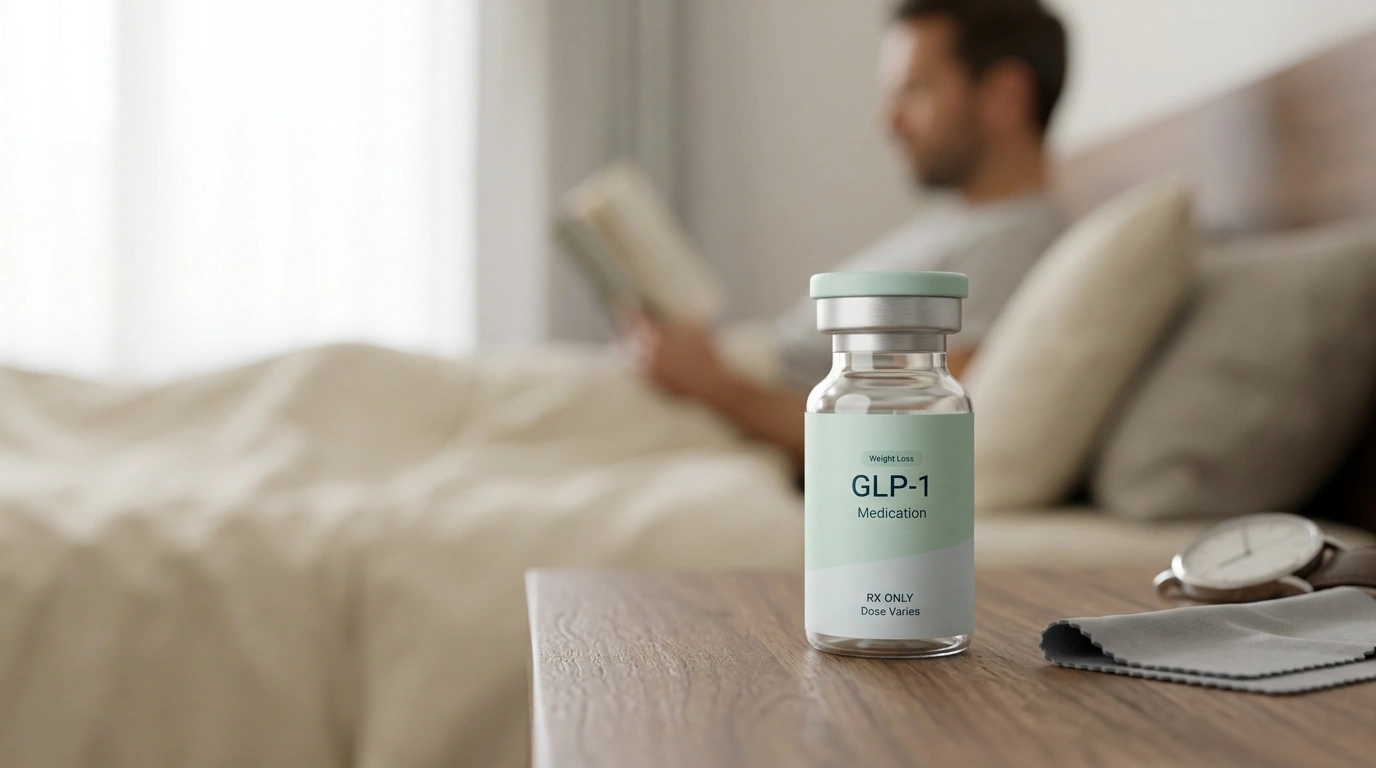
Some people find that taking their injection right before bed helps them “sleep through” the initial peak of nausea or discomfort. Others prefer taking it on a day when they know they can rest and eat very light, bland meals.
The Importance of a Supervised Program
Navigating these side effects can be overwhelming if you are doing it alone. This is why a telehealth-first approach can be so beneficial. Our guide on how to get GLP-1 weight loss prescriptions online shows how a structured process can make the journey feel more manageable. Our platform connects you with licensed providers who understand the nuances of GLP-1 therapy.
When you participate in a personalized program, you have a dedicated team to help you determine if your stomach pain is a standard part of the adjustment period or something that requires a change in your treatment plan. We provide a space where you can get answers 24/7, ensuring you never feel stranded during your weight loss journey.
Personalized Adjustments
If your stomach pain is persistent, a provider might recommend staying at a lower dose for an extra month to give your body more time to adapt. This level of personalization is what sets us apart. We prioritize your comfort and long-term success over a “one size fits all” dosing strategy. If you are still figuring out eligibility, you can complete a free eligibility assessment.
Access to Lab Work and Consultations
Regular monitoring is a key part of our service model. By keeping an eye on your health markers through lab work and unlimited doctor consultations, we can help ensure that your weight loss is progressing safely and that your digestive system is handling the medication appropriately.
Understanding Compounded Alternatives
While many people search for information using branded names like Ozempic® or Wegovy®, many patients find success through compounded medications. Compounded Semaglutide and Compounded Tirzepatide are prepared by FDA-registered and inspected compounding pharmacies.
While these compounded versions are not FDA-approved themselves, they contain the same active ingredients as the branded versions and work through the same GLP-1 pathways. This means the stomach pain and side effect profile will be very similar. If you are using a compounded medication through our platform, the same rules for managing stomach pain apply: eat small meals, stay hydrated, and move slowly with your dosage.
Long-Term Outlook: Does the Pain Go Away?
The most important thing to remember is that for the vast majority of people, the stomach pain is temporary. As your body develops a tolerance to the medication, the delayed gastric emptying becomes less of a “shock” to your system.
By the time most patients reach their maintenance dose, their digestive tract has found a new rhythm. You will likely find that you can eventually reintroduce a wider variety of foods, though you will probably still find that you get full much faster than you used to. This “early satiety” is a key tool for long-term weight management.
Bottom line: Most stomach pain associated with semaglutide is a manageable side effect of the medication’s primary function. With dietary changes and proper medical supervision, these symptoms usually subside within a few weeks.
Conclusion
Experiencing stomach pain after taking Ozempic® can be discouraging, but it is often a sign that the medication is actively changing your metabolic processes. By understanding that delayed digestion is the cause, you can take control of your symptoms through smaller meals, better hydration, and careful food choices. Our mission at TrimRx is to provide you with the science-backed tools and empathetic support you need to succeed. We believe that weight loss is a marathon, not a sprint, and managing your comfort along the way is essential for staying the course. If you are ready to take the next step in your journey with a team that prioritizes your personalized needs, we invite you to see if you qualify for a personalized program.
FAQ
Why does my stomach hurt more on the day after my injection?
The medication reaches its peak concentration in your bloodstream within the first 24 to 48 hours after your weekly dose. This is when the effect on your digestive speed is most intense, often leading to increased bloating or cramping. Many people find that these symptoms fade as the week progresses.
Can I take over-the-counter medicine for Ozempic stomach pain?
Many people find relief using standard over-the-counter options for gas, bloating, or heartburn, such as simethicone or antacids. However, you should always consult with your healthcare provider before adding any new medications to your routine to ensure they do not interfere with your treatment.
Is it normal to feel stomach pain only when I eat certain foods?
Yes, this is very common because the medication makes your stomach highly sensitive to volume and fat content. Foods that are greasy, spicy, or high in fiber can sit in the stomach longer and cause irritation. Keeping a food diary can help you identify which specific items are triggering your discomfort. For a deeper look at food triggers, see our what foods cause side effects with semaglutide.
When should I worry that my stomach pain is serious?
You should seek medical attention if your pain is sharp, severe, and does not improve with rest or dietary changes. Pay close attention to “red flag” symptoms like a high fever, persistent vomiting, or pain that radiates to your back, as these can indicate rare but serious conditions like pancreatitis.
Disclaimer: This content is for informational purposes only and does not constitute medical advice. It is not intended to diagnose, treat, cure, or prevent any disease or condition. Individual results may vary. Always consult a qualified healthcare professional before starting any weight loss program or medication.

Transforming Lives, One Step at a Time
Keep reading
Why Does My Tongue Feel Coated on Ozempic?
Usually because there is less saliva washing your tongue clean, and less food passing over it to do the same job mechanically. Your tongue…
Starting a New Job With No Insurance While on Ozempic
The problem is usually a waiting period rather than a permanent loss, and waiting periods are plannable in a way that job loss is…

Does Collagen Help With Loose Skin on Ozempic?
Probably not for the thing you are hoping it will fix, and it is unlikely to do harm. Collagen supplements have been studied mainly…


