Does Ozempic Help Curb Alcohol Cravings?
Introduction
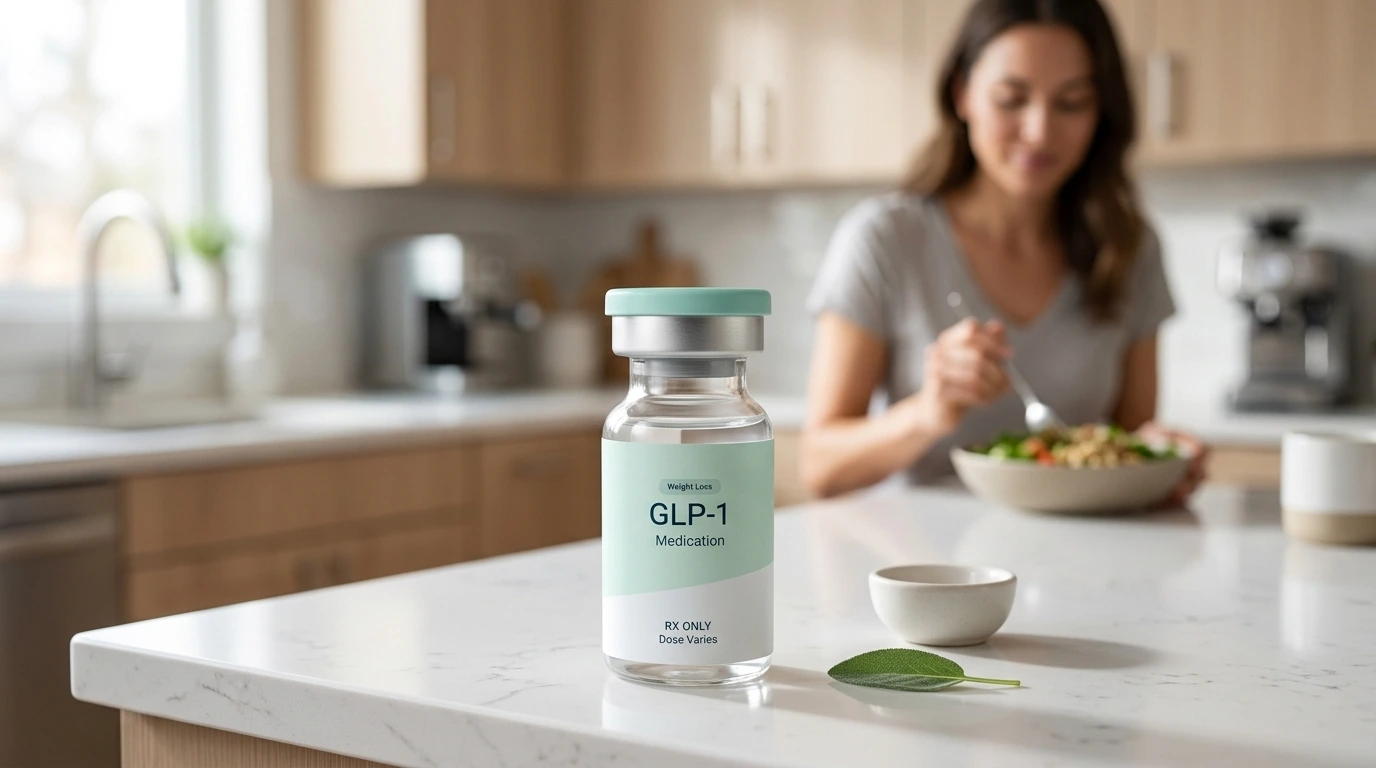
Many individuals who begin a weight loss journey with GLP-1 medications notice something unexpected. While they originally sought help to manage their appetite or blood sugar, they find their desire for a nightly glass of wine or a social cocktail has suddenly diminished. If you want a personalized medical review, take the free assessment quiz to see whether a prescription program may fit your goals. At TrimRx, we hear these stories frequently from patients who are surprised by how their relationship with alcohol shifts alongside their weight loss progress.
If you’re just getting started, read TrimRx’s GLP-1 basics guide for a clear overview of the hormone and how it works. This article explores the growing body of evidence regarding how medications like Ozempic® may influence the brain’s reward system to reduce alcohol cravings. We will examine the latest clinical research, the biological mechanisms at play, and what this means for your metabolic health. While the primary goal of these treatments remains weight management and glycemic control, the potential impact on alcohol consumption is a significant development in metabolic science.
The Science of Cravings and Reward
To understand how a weight loss medication might affect alcohol consumption, we must look at how the brain processes pleasure. Both food and alcohol trigger a specific pathway in the brain known as the reward system. When you consume something pleasurable, your brain releases dopamine, a chemical messenger that signals satisfaction and encourages you to repeat the behavior.
This dopamine release occurs in an area called the striatum, which is essentially the motivation center of the brain. For many, the first sip of a cold beer or a bite of a rich dessert creates a “spike” in dopamine. This spike is what creates the urge to “have another.”
How GLP-1 Affects the Brain
GLP-1 stands for glucagon-like peptide-1, which is a hormone naturally produced in your gut. Its primary job is to tell your brain when you are full and to manage how your body handles sugar. However, GLP-1 receptors are not just in the digestive system; they are also located in the brain’s reward centers.
When medications like Ozempic® (semaglutide) mimic this hormone, they interact with these receptors. Research suggests that this interaction may dampen the dopamine spike that usually follows drinking alcohol. Instead of a surge of pleasure that leads to another drink, the reward signal is muted. This can make the experience of drinking feel less satisfying or even indifferent.
For a fuller breakdown, TrimRx’s 2026 GLP-1 explainer walks through the science in more detail.
Quick Answer: Emerging research and patient reports suggest that Ozempic® may help curb alcohol cravings by dampening the brain’s dopamine response to alcohol. By muting the reward signals associated with drinking, many people find they have less desire to consume alcohol or find it easier to stop after one drink.
Clinical Research on Semaglutide and Alcohol
While the initial reports of reduced drinking were anecdotal—meaning they came from individual patient stories—scientific researchers have recently begun formalizing these observations through clinical trials.
The JAMA Psychiatry Study
A significant study recently published in JAMA Psychiatry, led by researchers at the University of Southern California and the University of North Carolina, investigated this phenomenon directly. The trial focused on adults with symptoms of alcohol use disorder. The results indicated that participants receiving weekly injections of semaglutide experienced a notable reduction in alcohol cravings compared to those receiving a placebo.
Key findings from this research included:
- A decrease in the total quantity of alcohol consumed.
- A reduction in the frequency of “heavy drinking days.”
- Lower breath alcohol concentrations during laboratory testing.
The Impact on Alcohol Intake Patterns
The study noted that the effects were often visible even at lower clinical doses. Participants reported that they were no longer “guzzling” drinks but were instead “sipping” them or losing interest entirely. Nearly 40% of the participants in the semaglutide group reported no heavy drinking days during the second month of the trial.
Gastric Emptying and Intoxication
Another piece of the puzzle involves how the body physically processes alcohol. GLP-1 medications are known to slow down gastric emptying, which is the speed at which food and liquid leave the stomach and enter the small intestine.
A pilot study from the Fralin Biomedical Research Institute found that individuals on GLP-1 medications had a slower rise in blood alcohol levels. Because the alcohol enters the bloodstream more gradually, the “buzz” or immediate sensation of intoxication is less intense. This slower onset may reduce the addictive potential of the substance, as faster-acting rewards are generally more habit-forming.
Key Takeaway: The reduction in alcohol cravings appears to be a dual-action process: a biological dampening of the brain’s reward signals and a physical slowing of alcohol absorption in the gut.
Why Reducing Alcohol Matters for Weight Loss
For those using a personalized weight loss program, the reduction in alcohol consumption can be a major catalyst for success. Alcohol is often a hidden barrier to sustainable weight management for several reasons.
High Caloric Density Alcohol provides seven calories per gram, which is nearly as much as pure fat. These are “empty calories” that provide no nutritional value but contribute significantly to a daily caloric surplus. A few glasses of wine or several beers a week can easily add thousands of extra calories over a month.
Metabolic Interference When you consume alcohol, your body prioritizes breaking it down because it views alcohol as a toxin. This pauses the metabolism of fats and sugars. If you are trying to lose weight, frequent alcohol consumption can effectively put your fat-burning processes on hold.
Impact on Food Choices Alcohol lowers inhibitions and often leads to “disinhibited eating.” This is the tendency to consume high-calorie, salty, or fatty foods that you might otherwise avoid. By curbing alcohol cravings, these medications may indirectly help you stick to your nutritional goals.
Sleep and Recovery Alcohol significantly disrupts the quality of your sleep, particularly the REM cycle. Poor sleep is closely linked to increased hunger hormones the following day. By drinking less, many people find they wake up more rested and have better energy to stay active.
Moving Toward a Personalized Approach
Every person’s metabolic health is unique. While the research on alcohol and semaglutide is promising, these medications are currently indicated by the FDA for the treatment of type 2 diabetes and chronic weight management. Using them specifically for alcohol reduction is considered an “off-label” use.
Our platform focuses on helping individuals achieve their health goals through a comprehensive, medically supervised process. When you use the TrimRx platform, you are connected with licensed healthcare providers who review your medical history, current health status, and goals to determine the most appropriate treatment plan. If you’re ready to see whether prescription GLP-1 care is a fit, see if you qualify for a personalized program.
The Role of Compounded Medications
In some cases, a provider may determine that compounded semaglutide or compounded tirzepatide is an appropriate option for a patient’s weight loss program. These medications are prepared by FDA-registered, inspected compounding pharmacies to meet specific patient needs or address medication shortages. It is important to note that while the pharmacies are regulated, compounded medications themselves are not FDA-approved.
Practical Tips for Managing Alcohol During Treatment
If you are currently on a weight loss program involving GLP-1 medications, you may notice your tolerance or desire for alcohol changing. Here are some ways to navigate this transition:
- Listen to Your Body: If you find that a drink no longer tastes good or makes you feel nauseated, do not feel obligated to finish it.
- Prioritize Hydration: GLP-1 medications require consistent hydration. If you do choose to have a drink, ensure you are drinking plenty of water alongside it.
- Monitor Your Blood Sugar: Alcohol can cause fluctuations in blood sugar. If you have diabetes or prediabetes, be extra cautious and consult your provider about how to safely manage occasional drinking.
- Focus on Nutrient Density: Since you may be consuming fewer calories overall, it is vital to ensure the food you do eat is rich in protein, vitamins, and minerals.
Bottom line: While the reduction of alcohol cravings is a welcomed side effect for many, the focus should remain on overall metabolic health and the guidance of your healthcare professional.
What to Expect from a Supervised Program
Starting a journey toward better health can feel overwhelming, but a structured approach makes it manageable. We aim to simplify the process of accessing modern medical support.
Step 1: Complete the free assessment. Answer a series of questions about your health history, BMI, and weight loss goals. This helps determine if you are a candidate for our programs.
Step 2: Connect with a provider. A licensed healthcare professional will review your information and, if appropriate, discuss a personalized treatment plan with you.
Step 3: Receive your treatment. If a prescription is issued, your medication is shipped directly from a partner pharmacy to your door. This includes all necessary supplies and clear instructions for use.
Step 4: Ongoing specialist support. You have 24/7 access to a team of specialists to answer questions about side effects, dosing, or nutritional support throughout your journey.
Supporting Your Journey Beyond Medication
Medication is a powerful tool, but it works best when supported by lifestyle changes and proper nutrition. For those who want to optimize their results or manage the side effects often associated with GLP-1 treatments, the GLP-1 Daily Support supplement can help maintain digestive comfort and nutrient balance while you are on a prescription program. These supplements do not require a prescription and are available for immediate purchase to complement your routine.
If your focus is steady energy during weight loss, the Weight Loss Boost supplement can provide additional metabolic support for those looking to maximize their efforts.
The Importance of Professional Guidance
It is essential to remember that alcohol use disorder is a complex medical condition. While the potential for GLP-1 medications to help in this area is exciting, they are not a substitute for professional addiction treatment or behavioral therapy if those services are needed.
Always consult with a qualified healthcare professional before starting any new medication or making significant changes to your alcohol consumption, especially if you have a history of heavy use. Abruptly stopping alcohol can be dangerous for some individuals, and a provider can help you navigate this safely.
Conclusion
The connection between Ozempic® and reduced alcohol cravings represents a fascinating intersection of neuroscience and metabolic health. By muting the brain’s reward response and slowing the body’s physical absorption of alcohol, these medications may provide a significant advantage for those struggling to balance social drinking with their weight loss goals. At TrimRx, we are committed to providing a transparent, science-backed platform that helps you navigate these modern medical options with empathy and expert support. Our mission is to empower you to take control of your health through personalized care that fits your life. If you are ready to see how a medically supervised weight loss program can help you reach your goals, the first step is simple: take the free assessment quiz today.
FAQ
Does Ozempic help with alcohol cravings for everyone?
While many patients and clinical studies report a significant reduction in cravings, it is not a universal experience. The impact on the brain’s reward system can vary based on an individual’s unique biology and their baseline relationship with alcohol. Some people may find their cravings vanish entirely, while others may only notice a slight change in their drinking habits. If you’re considering a medical program, take the free assessment quiz to start with a provider review.
Is Ozempic FDA-approved to treat alcohol use disorder?
No, Ozempic® is currently FDA-approved specifically for the treatment of type 2 diabetes and to reduce the risk of major cardiovascular events in adults with diabetes and heart disease. Its use for curbing alcohol cravings is considered “off-label,” meaning a healthcare provider may prescribe a medication for a purpose other than its officially approved indication if they believe it is appropriate for the patient.
Can I drink alcohol while taking semaglutide?
You can technically drink alcohol while taking semaglutide, but many people find they naturally want to drink much less. It is important to be cautious, as the medication can slow gastric emptying and change how you feel when intoxicated. Additionally, alcohol can increase the risk of gastrointestinal side effects like nausea and may interfere with your weight loss progress.
How long does it take to notice a reduction in alcohol cravings?
Many people report a change in their interest in alcohol within the first few weeks of treatment, sometimes as early as the first dose. However, clinical studies suggest that the effect may become more pronounced as the dosage is gradually increased over the first few months of the program. Every individual’s timeline for seeing these changes will be different. If you want a personalized next step, take the free assessment quiz.
Disclaimer: This content is for informational purposes only and does not constitute medical advice. It is not intended to diagnose, treat, cure, or prevent any disease or condition. Individual results may vary. Always consult a qualified healthcare professional before starting any weight loss program or medication.

Transforming Lives, One Step at a Time
Keep reading
Why Does My Tongue Feel Coated on Ozempic?
Usually because there is less saliva washing your tongue clean, and less food passing over it to do the same job mechanically. Your tongue…

Starting a New Job With No Insurance While on Ozempic
The problem is usually a waiting period rather than a permanent loss, and waiting periods are plannable in a way that job loss is…
Does Collagen Help With Loose Skin on Ozempic?
Probably not for the thing you are hoping it will fix, and it is unlikely to do harm. Collagen supplements have been studied mainly…


