Menopause Weight Gain Treatment Options: Lifestyle vs Medication vs Surgery
Introduction
Menopausal weight gain has more treatment options than ever, but most online content compares them poorly. This piece covers each major intervention with honest accounting of effect size, cost, side effects, and evidence quality. The goal is not to recommend one approach but to help you understand the trade-offs.
At TrimRx, we believe that understanding your options is the first step toward a more manageable health journey, and you can take the free assessment quiz if you’re ready to see whether a personalized program is a fit for you.
Intensive Lifestyle Programs
Lifestyle remains the foundation, even when medication is added. The Diabetes Prevention Program (Knowler, 2002, NEJM) showed structured lifestyle (7% body weight loss target, 150 min/week activity, low-fat diet) cut diabetes incidence 58% versus placebo. Weight loss in the lifestyle arm averaged 5.6 kg at 3 years.
Quick Answer: Tirzepatide produces the largest weight loss (~21% body weight at 15 mg dose, SURMOUNT-1)
For menopausal women specifically, the Look AHEAD trial (2013, NEJM) extended this with 8+ years of structured lifestyle intervention in adults with type 2 diabetes. Mean weight loss was 8.6% at 1 year and 4.7% at year 8. Postmenopausal women in subgroup analyses performed similarly to other groups.
Effect size: 5-10% body weight loss with high adherence over 12 months. About 20-25% of participants hit 10%+ loss, the typical threshold for clinically meaningful change.
Cost: /bin/zsh if self-directed, -200/month for structured programs (Noom, WeightWatchers, registered dietitian visits)
Practical reality: about 50% of participants regain most weight within 3-5 years without ongoing structure. The interventions work while you do them.
Hormone Replacement Therapy (HRT)
HRT replaces estrogen, with or without progesterone, depending on whether the patient has a uterus. Women with a uterus need progesterone to prevent endometrial hyperplasia. Women without a uterus can use estrogen alone.
For weight, HRT effects are modest. Espeland’s 1997 PEPI trial randomized 875 women to placebo or one of four HRT regimens for 3 years. The placebo group gained 2.1 kg. HRT users gained 1.0 kg. Davis’s 2012 meta-analysis of 28 trials confirmed the pattern: small differences in total body weight, larger differences in body composition. HRT users had about 7% less visceral fat at 1-2 years.
For symptoms beyond weight, HRT is the most effective treatment for hot flashes (60-70% reduction), night sweats, vaginal atrophy, and mood. It preserves bone density and reduces fracture risk by about 30%.
Effect size for weight: near-zero scale change, 7% less visceral fat, 30%+ improvement in vasomotor symptoms
Cost: -150/month depending on formulation and insurance coverage
Routes of administration:
- Oral estradiol: convenient, but first-pass hepatic metabolism increases clotting risk
- Transdermal estradiol (patch, gel, spray): preferred for cardiovascular and clotting safety
- Vaginal estradiol: targets genitourinary symptoms only, minimal systemic absorption
Progesterone: micronized progesterone (Prometrium) is preferred over synthetic progestins for cardiovascular and breast cancer risk profiles. Most evidence-based regimens use 100-200 mg oral micronized progesterone nightly.
Bioidentical Hormones: Marketing vs Medicine
“Bioidentical hormones” is a term that means hormones structurally identical to those the body produces (estradiol, progesterone) rather than synthetic analogs (conjugated equine estrogens, medroxyprogesterone). Most modern FDA-approved HRT is already bioidentical. Estradiol patches and oral estradiol contain bioidentical hormone. Micronized progesterone is bioidentical.
The marketing term as commonly used refers to compounded preparations from compounding pharmacies, often involving estradiol/estriol blends, testosterone additions, or pellet implants. These compounded products lack:
- Pharmacokinetic studies
- Manufacturing consistency between batches
- Long-term safety data
- FDA oversight of dosing
The Menopause Society 2022 position statement explicitly recommends FDA-approved bioidentical formulations over compounded versions in nearly all cases. The exceptions are narrow (true allergies to FDA-approved excipients).
Pellet implants in particular pose risks. Doses can produce supraphysiologic estradiol levels (1000+ pg/mL versus normal premenopausal peaks of 200-400 pg/mL), with potential for endometrial overstimulation, breast tissue effects, and mood changes that can’t be quickly reversed because the pellet is in place for months.
GLP-1 Receptor Agonists
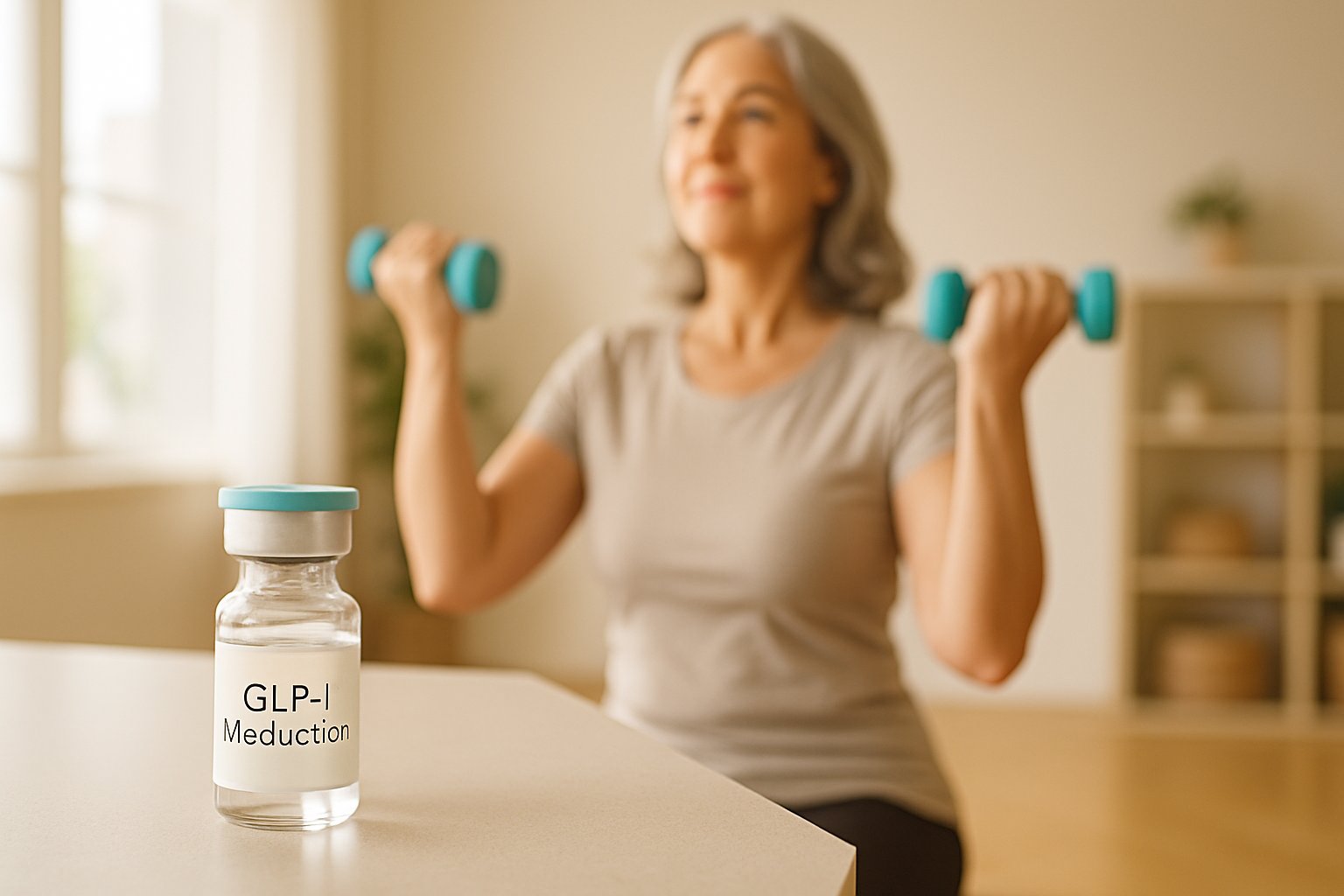
Semaglutide (Wegovy®, Ozempic®) and tirzepatide (Zepbound®, Mounjaro®) are the dominant new tools. Both are once-weekly subcutaneous injections.
Semaglutide 2.4 mg weekly produces 14-15% mean weight loss over 68 weeks (Wilding, 2021, NEJM, STEP 1). About 70% of users hit 10%+ weight loss.
Tirzepatide 15 mg weekly produces 20-21% mean loss over 72 weeks (Jastreboff, 2022, NEJM, SURMOUNT-1). About 90% of users hit 10%+ loss, and 36% hit 25%+ loss.
For visceral fat, both medications preferentially target abdominal adiposity. SURMOUNT-1 secondary analyses showed 30-35% visceral fat reductions at the 15 mg tirzepatide dose. The body composition effect is highly relevant for menopausal women.
Effect size: 14-21% body weight loss, 30%+ visceral fat reduction, A1c reduction of 0.5-1.5%
Cost: ,000-1,300/month at retail without insurance; /bin/zsh-650/month with manufacturer savings cards on commercial insurance; -400/month for compounded versions
Side effects: GI predominantly (nausea, constipation, occasional vomiting). Most resolve within 4-8 weeks of dose initiation. Rare but serious: pancreatitis (under 0.5%), gallbladder disease (3-4%), and possible association with thyroid C-cell tumors (rodent finding, no confirmed human signal).
Lean mass loss: 25-30% of weight lost is lean tissue. Resistance training and protein intake are mandatory companions, especially in menopausal women already losing muscle to age.
Older Oral Anti-obesity Medications
Phentermine/topiramate (Qsymia): 7-9% weight loss, -200/month, side effects include cognitive blunting, paresthesias, and birth defects (avoid in pregnancy)
Naltrexone/bupropion (Contrave): 5-6% weight loss, -150/month, may worsen sleep and increase blood pressure modestly
Orlistat (Xenical, Alli): 3-5% weight loss, available OTC, side effects mostly GI (steatorrhea with high-fat meals)
For postmenopausal women, the GLP-1s usually outperform these substantially. The older options remain useful for patients who can’t access or tolerate GLP-1s.
Bariatric Surgery
For women with BMI 40+ or BMI 35+ with comorbidities, surgery produces the largest sustained weight loss. Sleeve gastrectomy and Roux-en-Y gastric bypass are the dominant procedures.
Effect size: 25-30% sustained weight loss at 5+ years post-surgery, with significant improvements in diabetes, hypertension, and cardiovascular outcomes.
The SOS (Swedish Obese Subjects) study (Sjöström, 2007 NEJM and ongoing follow-up) tracked over 4,000 surgical patients and matched controls for 20+ years. Surgery reduced all-cause mortality 24% and cancer mortality 33%.
For postmenopausal women specifically, surgery carries higher procedural risk (2-3x perioperative mortality versus premenopausal women) and accelerated bone density loss (5-7% at the hip post-sleeve). The risk-benefit calculation shifts unfavorably for women over 65, and most surgical centers have an upper age limit around 70.
GLP-1s have somewhat changed the calculus. A patient who would have considered surgery 5 years ago may achieve adequate weight loss on tirzepatide without procedural risk. Surgery remains the best option for severe obesity (BMI 50+) where medications alone usually undershoot.
Cost: ,000-30,000 with insurance covering most cases for qualifying BMI
Recovery: 4-6 weeks of progressive diet advancement, lifelong vitamin and mineral supplementation, regular endoscopy monitoring for some procedures
Supplements and OTC Products
The supplement industry markets aggressively to menopausal women. Almost nothing meaningfully changes weight outcomes in randomized trials.
Phytoestrogens (soy isoflavones, red clover, black cohosh): The 2016 Cochrane review by Lethaby found small reductions in hot flashes (~1 fewer/day) but no consistent weight effect.
Probiotics: Mixed and small effect sizes for weight. The 2018 Million Hearts review concluded probiotic effects on weight average under 1 lb across trials.
Apple cider vinegar: A 2009 Bioscience, Biotechnology, and Biochemistry trial showed 1-2 lb loss over 12 weeks. Not robust, frequently failed to replicate.
Berberine: Shows some metabolic improvements in PCOS trials. Effect on weight is small (1-3 lb in most trials) and often comes with GI side effects.
Green tea extract / EGCG: Small thermogenic effect. Weight loss in trials averages 1-2 lb over 12 weeks.
CLA, raspberry ketones, garcinia cambogia, ketones, MCT oil: No reliable evidence in human trials.
The pattern: supplements either have small statistically significant but clinically irrelevant effects, or they have no effect in randomized trials, or they’re sold without trials at all. Spending -200/month on supplements when evidence-based options exist is rarely the best use of resources.
Behavioral and Digital Interventions
Programs like Noom, WeightWatchers, and digital coaching platforms generally produce 4-7% weight loss at 12 months, similar to in-person lifestyle programs. Adherence and engagement are the limiting factors.
For women who do well with structure and accountability but can’t access in-person programs, these are reasonable. The 2020 systematic review by Hutchesson in JMIR pooled 25 trials of digital weight loss programs and found mean loss of 4.5 kg at 6 months across studies.
Cost: -100/month for most platforms
Combining behavioral programs with medication often beats either alone. The Diabetes Prevention Program data (continued through 2015) showed combined lifestyle + metformin worked better than either component for prevention of weight regain.
Sleep Interventions
Sleep treatment isn’t usually thought of as weight loss, but it’s relevant. About 40-60% of perimenopausal women report sleep disruption, and sleep loss drives appetite changes, insulin resistance, and reduced exercise capacity.
CPAP for diagnosed sleep apnea: 4-7 lb weight loss in some studies (likely from improved daytime energy and food choices, not direct metabolic effects)
CBT-I (cognitive behavioral therapy for insomnia): 20-30% improvement in sleep quality versus placebo, with downstream weight benefits in observational studies
HRT or fezolinetant for hot flash-related sleep disruption: Variable but often substantial improvement
If you snore loudly, wake gasping, or feel chronically unrested, a home sleep study (under with insurance, -400 cash) is worth doing before optimizing other areas.
Key Takeaway: Bariatric surgery produces 25-30% sustained weight loss but at higher procedural risk in older patients
Putting It Together
Most postmenopausal women benefit from layered approaches:
For mild concerns (5-10 lb gain, no major comorbidity):
- Lifestyle program with focus on protein, resistance training, sleep
- HRT if symptomatic
- Add GLP-1 if minimal progress at 6 months
For moderate concerns (BMI 30-35, multiple symptoms):
- HRT + GLP-1 combined
- Ongoing lifestyle support
- Re-evaluate at 6 and 12 months
For severe concerns (BMI 35+ with comorbidities):
- GLP-1 as primary intervention
- HRT as adjunct for symptoms
- Surgery referral if medication response inadequate
The biggest mistake is bouncing between options without giving any of them a fair trial. Most interventions need 3-6 months at therapeutic dose/intensity to produce meaningful results.
Mental Health and Weight in Menopause
Depression incidence rises modestly during the menopausal transition. The Harvard Study of Moods and Cycles (Cohen, 2006, Archives of General Psychiatry) found women in late perimenopause had 2.5x higher risk of new depressive episodes versus premenopausal years, even without prior depression history.
Depression and weight interact bidirectionally. Depression drives changes in eating, activity, and sleep that produce weight gain. Weight gain affects body image and contributes to depression. The cycle is hard to break in either direction alone.
Treatment options for menopausal depression:
- SSRIs and SNRIs: effective for both depression and vasomotor symptoms; venlafaxine, paroxetine, and escitalopram have evidence for both indications
- Bupropion: useful in patients with predominant fatigue or low motivation; weight-neutral or slightly weight-reducing
- HRT: improves mood in some women, particularly with prominent vasomotor symptoms
- Cognitive behavioral therapy: comparable to medication for mild-moderate depression
- Combined CBT plus medication: superior to either alone for moderate-severe depression
Antipsychotics, gabapentinoids, and benzodiazepines tend to drive weight gain and should be avoided as first-line for menopausal mood symptoms when alternatives exist.
Combined Therapy in Practice
Real-world combinations that work for many women:
GLP-1 + HRT: addresses weight, vasomotor symptoms, body composition, and bone density together. Most common combination in modern clinical practice for women with both BMI 30+ and significant menopause symptoms.
GLP-1 + SSRI: useful when food noise and depression coexist. GLP-1 reduces food preoccupation; SSRI addresses mood. Sleep often improves on both.
HRT + lifestyle alone: appropriate for women with BMI under 30 and modest weight gain (under 10 lb). Mediterranean eating, resistance training, and sleep optimization combined with HRT produce good outcomes for many women in this group.
GLP-1 + bariatric surgery in sequence: increasingly used for severe obesity. Pre-surgical GLP-1 may improve outcomes; post-surgical GLP-1 addresses weight regain at year 3-5.
The right combination depends on the patient’s specific issues, not a one-size-fits-all algorithm. A clinician who takes time to understand your priorities is the most important variable.
Cost Transparency
Real out-of-pocket monthly costs in 2026:
- Lifestyle (self-directed): $0-50 for app subscriptions
- Lifestyle (structured program): $50-300
- HRT (FDA-approved generic): $15-50
- HRT (FDA-approved brand): $50-200
- HRT (compounded): $100-300
- GLP-1 (insurance-covered with savings card): $0-650
- GLP-1 (compounded): $200-400
- GLP-1 (cash retail): $1,000-1,400
- Bariatric surgery: $0-30,000 depending on coverage
- Supplements (most): $30-150
The cost differences often determine what’s accessible. Don’t let “best” become the enemy of “available.” A second-choice intervention you can sustain often beats a first-choice you can’t afford.
Closing Thought
The treatment landscape for menopausal weight gain has changed more in the last 5 years than in the prior 25. The combination of better evidence on HRT timing, the arrival of GLP-1 medications with substantial weight loss effects, and growing acceptance of combined approaches gives postmenopausal women more good options than ever before. The remaining work is access: insurance coverage, geographic availability of credentialed clinicians, and affordability of medications. Those barriers are real but improving year over year.
Myth vs. Fact: Setting the Record Straight
Misconceptions about treatment can delay good decisions. Here are three worth correcting before you make any choices about your care.
Myth: HRT will help you lose menopause weight. Fact: Hormone replacement therapy improves body composition (less visceral fat) but doesn’t cause weight loss. The Davis 2012 meta-analysis confirmed this clearly. HRT helps how weight is distributed, not how much.
Myth: Weight gain in menopause is just normal aging. Fact: Average gain through perimenopause is about 1.5 pounds per year, with visceral fat increasing 44 percent in five years (Lovejoy 2008). It’s both biological (estrogen decline) and lifestyle. Both are addressable.
Myth: You can’t take GLP-1 medications during menopause. Fact: STEP 1 subgroup analyses show GLP-1 medications work well in postmenopausal women. Combining with HRT and resistance training (for bone and lean mass) is the current evidence-based approach.
The Path Forward with TrimRx
Managing your metabolic health shouldn’t be a journey you take alone. The science behind GLP-1 medications offers a new level of hope for people facing menopause weight gain and the related challenges that come with it. By addressing root hormonal and metabolic causes, these treatments provide a path toward more stable energy, better cardiovascular health, and improved quality of life.
At TrimRx, we’re committed to providing an empathetic and transparent experience. We understand the frustrations of traditional healthcare: the long waits, the unclear costs, and the lack of personalized care. Our platform is designed to put you back in control of your health. By combining clinical expertise with modern technology, we help you access the treatments you need while providing the 24/7 support you deserve.
Our program includes:
- Doctor consultations: professional guidance without the in-person waiting room
- Lab work coordination: baseline health markers monitored properly
- Ongoing support: 24/7 access to specialists for dosage changes and side effect management
- Reliable medication access: FDA-registered, inspected compounding pharmacies prepare Compounded Semaglutide or Compounded Tirzepatide when branded medications aren’t the right fit
Sustainable health is about more than a number on a scale or a single lab result. It’s about feeling empowered in your own body. Whether you’re starting to research your options or ready to take the next step with a free assessment, we’re here to guide you with science-backed, personalized care.
Bottom line: TrimRx provides a streamlined, medically supervised path to access the latest advancements in menopause weight gain and weight management, all from the comfort of home.
FAQ
Are Compounded GLP-1s Safe?
Quality varies. The FDA flagged variability in active ingredient concentration in 2024. Choose 503A pharmacies with third-party testing if you go this route. The supply pathway should narrow as branded medication shortages resolve.
Can I Do HRT Through a Wellness Clinic?
You can. The risk is variable evaluation quality, frequent reliance on compounded preparations, and limited follow-up. Menopause Society credentialed clinicians (MSCP) provide a higher quality benchmark.
What About Testosterone for Women?
Some clinicians prescribe low-dose testosterone for postmenopausal libido and energy. Evidence for weight benefit is thin. The Menopause Society 2022 statement recommends transdermal testosterone for hypoactive sexual desire disorder in postmenopausal women, with attention to maintaining physiologic levels rather than exceeding them.
Will Insurance Cover Any of This?
HRT is widely covered. GLP-1s are covered by about 30% of commercial plans for obesity (90%+ for diabetes). Bariatric surgery is widely covered for qualifying BMI. Supplements and most behavioral programs are out of pocket.
How Do I Know What’s Right for Me?
A clinician who has time to actually understand your goals, symptoms, and trade-offs is the right person to help decide. Wellness clinics that recommend the same approach to everyone, regardless of presentation, aren’t doing personalized medicine. Look for someone who asks good questions before recommending.
Disclaimer: This content is for informational purposes only and does not constitute medical advice. It is not intended to diagnose, treat, cure, or prevent any disease or condition. Individual results may vary. Always consult a qualified healthcare professional before starting any weight loss program or medication.

Transforming Lives, One Step at a Time
Keep reading
Top 5 Best Weight Loss Programs for Beginners in 2026
Starting a weight loss journey means sorting through GLP-1 medication ads, apps that gamify your groceries, and online weight management programs promising a doctor…

What to Do With a Full Pantry You No Longer Eat From
Sort it into three piles rather than clearing it all out: donate, keep, and discard. The mistake most people make is emptying the whole…

How to Handle a Business Dinner When the Client Orders for the Table
This is the one dining situation where your usual tools do not work. You cannot order a starter as your main, cannot ask for…


