What Helps Ozempic Face: Strategies for Your Skin
Introduction
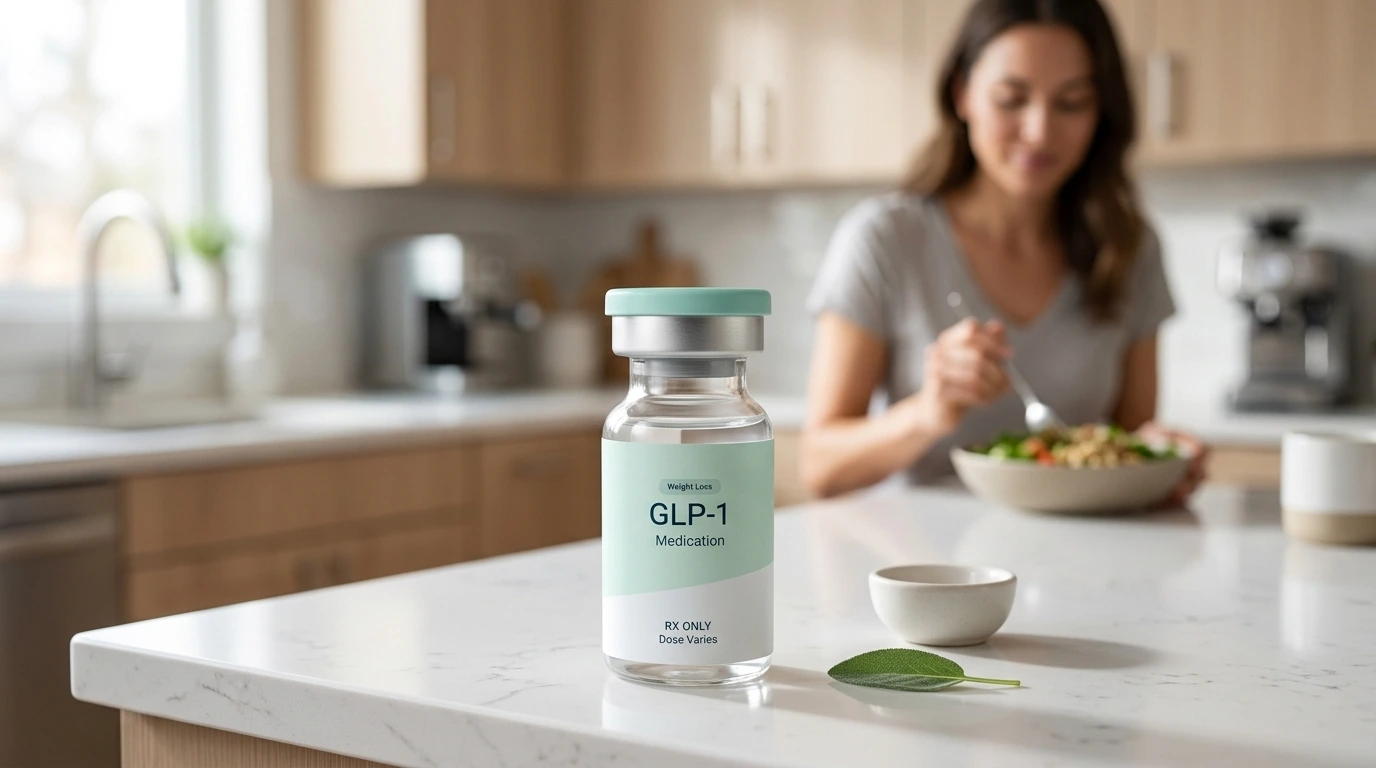
Standing in front of the mirror after a successful weight loss journey should feel like a victory. For many, however, the joy of reaching a goal weight is met with a surprising new concern: facial hollowing, sagging skin, and a tired appearance. Often called “Ozempic face,” this change in facial volume isn’t a medical side effect of the medication itself, but rather a result of how quickly the body loses fat. At TrimRx, we believe that achieving a healthier weight shouldn’t come at the cost of your confidence or your skin’s vitality. This article explores why these changes happen and provides evidence-based strategies for what helps ozempic face, from nutritional adjustments to professional skin treatments. Our goal is to help you navigate your metabolic health journey while maintaining a vibrant, healthy appearance. If you’re ready to see whether a personalized plan is right for you, start with the free assessment quiz.
Quick Answer: What helps ozempic face is a combination of gradual weight loss, high protein intake, and consistent hydration to preserve skin elasticity. Topical treatments like retinoids and peptides, along with clinical options like dermal fillers or skin-tightening procedures, can restore lost volume and firmness.
Understanding the “Ozempic Face” Phenomenon
The term “Ozempic face” has gained traction on social media to describe the gaunt or aged look some individuals develop while taking GLP-1 medications. If you want a quick primer on the hormone behind these treatments, read our What is GLP-1? guide. It is important to clarify that this is not a unique reaction to Ozempic® or Wegovy®. This effect can happen with any method of significant, rapid weight loss, including bariatric surgery or intensive calorie restriction.
When we lose weight, the body does not choose which fat stores to burn first. While you may be aiming to lose fat from your midsection or hips, the body also draws from the subcutaneous fat in the face. This fat provides the structural support that keeps our skin looking plump and youthful. When it disappears quickly, the skin—which may have been stretched for years—cannot always snap back into place immediately.
Key Takeaway: Facial volume loss is a natural consequence of rapid weight loss, not a direct toxic effect of GLP-1 medications.
Why Rapid Weight Loss Affects the Face
To understand what helps ozempic face, we must first look at the science of skin and fat. Our face is composed of several fat pads located in the cheeks, temples, and around the eyes. These pads act as a scaffolding for the skin.
The Role of Subcutaneous Fat
Subcutaneous fat is the layer of fat situated just below the skin. In the face, it fills out the contours and smooths over the underlying bone structure. When weight loss occurs rapidly, these fat pads shrink. Without the internal “cushion” of fat, the skin can appear to drape or sag, making wrinkles and fine lines more prominent.
Impact on Collagen and Elastin
Collagen is a protein that provides structure to the skin, while elastin allows it to stretch and bounce back. As we age, our natural production of these proteins slows down. When rapid weight loss is added to the mix, the skin’s structural integrity is put under immense pressure. If the skin is stretched and then suddenly “deflated” due to fat loss, the existing collagen may not be robust enough to hold the skin firm.
Muscle Mass Changes
While fat loss is the primary driver of facial changes, muscle loss also plays a role. GLP-1 medications can sometimes lead to a reduction in lean muscle mass if protein intake and physical activity are not prioritized. Since there are dozens of small muscles in the face that contribute to its shape, a loss of muscle tone can exacerbate the appearance of sagging. For a closer look at common treatment hurdles, see our GLP-1 side effects guide.
How to Prevent Facial Hollowing During Weight Loss
The most effective way to manage facial changes is to prevent them from becoming severe in the first place. This requires a proactive approach to your weight loss program.
Prioritize Gradual Weight Loss
The faster the weight falls off, the less time your skin has to adapt. Clinical experts generally recommend a weight loss rate of one to two pounds per week. This steady pace allows the skin’s elastic fibers to gradually shrink alongside the fat loss. If you are using a medication like Compounded Semaglutide through a platform like TrimRx, your healthcare provider can help adjust your dosage to ensure your weight loss is steady rather than dangerously fast. If you want to see whether a GLP-1 program is right for you, see if you qualify for a personalized program.
Maintain High Protein Intake
Protein is the building block of skin, muscle, and collagen. When you are in a calorie deficit, your body may look to break down muscle and skin proteins for energy. Consuming adequate protein helps protect these tissues.
- Target: Aim for at least 0.8 to 1.2 grams of protein per kilogram of body weight, or as directed by a nutritionist.
- Sources: Lean meats, fish, eggs, Greek yogurt, lentils, and high-quality protein shakes.
Stay Consistently Hydrated
Hydration is vital for skin elasticity. Dehydrated skin is thinner, more brittle, and more prone to fine lines. Drinking enough water ensures that the skin cells remain plump and the dermis stays resilient.
| Strategy | Why It Helps |
|---|---|
| Slow Weight Loss | Gives skin time to retract and adjust to new contours. |
| High Protein | Supports collagen production and preserves facial muscle. |
| Hydration | Maintains skin “plumpness” and elasticity. |
| Strength Training | Prevents overall muscle wasting that contributes to a “gaunt” look. |
What Helps Ozempic Face: Topical and Nutritional Support
If you are already noticing changes, there are several steps you can take to support your skin from the inside out.
Nutrient-Dense Diet and Supplements
A diet rich in antioxidants, vitamins, and minerals helps protect the skin from oxidative stress. Vitamin C is particularly important, as it is a necessary cofactor for collagen synthesis. Many individuals on GLP-1 medications find it difficult to eat large volumes of food, which is why targeted supplementation can be beneficial.
We often suggest looking for specific support like GLP-1 Daily Support supplement, which is designed to fill nutritional gaps that can occur when appetite is suppressed. These supplements often include vitamins that support skin health and metabolic function.
Advanced Skincare Routine
While creams cannot replace lost fat, they can improve the texture and thickness of the skin.
- Retinoids: These vitamin A derivatives stimulate collagen production and speed up cell turnover, which can help firm the skin over time.
- Peptides: These small chains of amino acids signal the skin to produce more collagen and elastin.
- Hyaluronic Acid: This molecule can hold up to 1,000 times its weight in water. Applying it topically can temporarily “plump” the skin and reduce the appearance of fine lines.
- Sunscreen: UV damage breaks down collagen. Protecting your skin from the sun is essential to prevent further loss of elasticity.
Professional and Cosmetic Treatments
When lifestyle and skincare are not enough to restore the volume you desire, professional treatments can offer more dramatic results. If you are experiencing significant hollowing, you may want to consult a dermatologist or aesthetic specialist.
Dermal Fillers
Dermal fillers are one of the most common answers to what helps ozempic face. These are injectable gels—often made of hyaluronic acid—that are placed under the skin to replace lost volume.
- Hyaluronic Acid Fillers (e.g., Juvederm®, Restylane®): These provide immediate volume and can be used in the cheeks, temples, and nasolabial folds.
- Biostimulators (e.g., Sculptra®): Unlike traditional fillers, biostimulators trigger your body to produce its own collagen over several months. This results in a more gradual, natural-looking restoration of volume.
Skin Tightening Procedures
If the primary issue is sagging skin rather than just volume loss, energy-based treatments may be helpful.
- Radiofrequency (RF) Microneedling: This treatment combines tiny needles with heat energy to remodel the deeper layers of the skin, causing tightening and new collagen growth.
- Ultherapy®: This uses ultrasound energy to lift and tighten the skin on the face and neck by targeting the same foundational layers typically addressed in a surgical facelift.
Fat Grafting
For a more permanent solution, some individuals choose fat grafting. This involves taking fat from another part of the body (like the thighs or abdomen) and injecting it into the facial fat pads. This is a surgical procedure but offers a long-term way to restore facial contours.
Bottom line: While topical products help with surface texture, structural “Ozempic face” often requires clinical intervention like fillers or biostimulators to truly restore volume.
Managing Your Weight Loss Journey with TrimRx
At TrimRx, we understand that weight loss is about more than just a number on the scale. It is about feeling like the best version of yourself. Our telehealth platform is designed to provide the clinical oversight necessary to help you lose weight safely and sustainably.
When you join our program, you are connected with licensed healthcare providers who review your medical history and goals. This personalization is key to avoiding issues like “Ozempic face.” By finding the right medication and dosage—whether that is Compounded Semaglutide or Compounded Tirzepatide—we aim for a weight loss pace that honors your health and your appearance. If semaglutide is on your radar, our What Is Semaglutide for Weight Loss? guide is a helpful next read.
Our programs are built on transparency and support. We provide:
- Licensed Provider Consultations: To monitor your progress and adjust your plan as needed.
- FDA-Registered Compounding Pharmacies: Ensuring your medication is prepared in inspected facilities.
- Comprehensive Support: Access to a team that can guide you on nutrition and side effect management.
Myth: “Ozempic face” means the medication is dangerous. Fact: It is a sign of rapid fat loss, which can happen with any effective weight loss method. It is a cosmetic concern, not a safety issue.
A Step-by-Step Approach to Starting Your Program
If you are ready to begin a weight loss journey that prioritizes both your results and your well-being, the process is straightforward.
Step 1: Complete the Free Assessment Quiz. Visit our website to take a comprehensive health quiz. This helps our partner providers understand your BMI, health history, and weight loss goals.
Step 2: Connect with a Licensed Provider. A healthcare professional will review your information. If you are a candidate for a GLP-1 program, they will discuss your options, including compounded medications or branded options like Wegovy® or Zepbound®.
Step 3: Receive Your Personalized Plan. Once approved, your program includes your medication, medical consultations, and ongoing support. Medications are shipped directly from a licensed compounding pharmacy to your door.
Step 4: Focus on Nutrition and Support. As you begin, focus on the lifestyle tips mentioned above—high protein, hydration, and gradual progress—to protect your facial volume.
The Emotional Aspect of Facial Changes
It is completely normal to feel conflicted when your face changes during weight loss. You may feel proud of your physical health but frustrated by looking “older.” We encourage you to be patient with your body.
Skin often takes time to “catch up” to fat loss. In many cases, if weight is maintained and nutrition is prioritized, skin elasticity can improve over six to twelve months. This is another reason why a long-term, medically supervised program is so important. We aren’t just looking for a quick fix; we are helping you build a lifestyle you can sustain for years to come.
Conclusion
Losing weight is a significant achievement that improves cardiovascular health, reduces joint pain, and enhances quality of life. While “Ozempic face” can be a frustrating side effect of rapid transformation, it is manageable and often preventable. By focusing on a slow and steady rate of loss, prioritizing protein, and utilizing the right skincare and clinical treatments, you can enjoy your new weight without sacrificing your facial volume.
Our mission at TrimRx is to merge clinical expertise with empathetic support. We provide a platform where you can access personalized treatment programs and the guidance needed to navigate every stage of your journey. Whether you are just starting or are looking for ways to optimize your current results, How GLP-1 Actually Works for Weight Loss can help you understand the science behind the process. We are here to support your metabolic health with transparency and care.
Key Takeaway: What helps ozempic face most is a proactive “inside-out” approach—fueling your body with the right nutrients while using modern dermatological tools to support your skin’s structure.
Ready to see if a personalized weight loss program is right for you? Take the next step with the assessment quiz today to explore your options and start your journey toward a healthier, more confident you.
FAQ
Does “Ozempic face” go away if I stop the medication?
If you stop the medication and regain the weight, your facial volume will likely return as fat stores are replenished. However, if you maintain your weight loss, the skin may naturally tighten slightly over time, though significant volume loss often requires cosmetic intervention to fully “reverse.”
Are there specific exercises for the face that help?
While some people advocate for “facial yoga,” there is limited clinical evidence that these exercises can replace lost subcutaneous fat or significantly tighten loose skin. Focusing on overall strength training is more effective for preserving lean muscle mass throughout the body during weight loss.
Can I get branded medications like Ozempic® through TrimRx?
We are a telehealth platform that connects you with licensed providers who can write prescriptions for weight loss medications. While our partner providers can prescribe branded medications to be filled at your local pharmacy, we specialize in providing access to compounded medications shipped directly from FDA-registered compounding pharmacies for patient convenience. If you want to see whether you may qualify, complete your free intake quiz.
Is “Ozempic face” more common in older adults?
Yes, older adults generally have less natural collagen and elastin, and their skin is thinner to begin with. This makes the effects of rapid fat loss more visible compared to younger individuals whose skin has a higher capacity to bounce back.
Disclaimer: This content is for informational purposes only and does not constitute medical advice. It is not intended to diagnose, treat, cure, or prevent any disease or condition. Individual results may vary. Always consult a qualified healthcare professional before starting any weight loss program or medication.

Transforming Lives, One Step at a Time
Keep reading

Can You Sunbathe With an Injection Site Bruise on Ozempic?
You can, and the better answer is to cover that specific spot. Ultraviolet light on skin that is actively healing can trigger post-inflammatory hyperpigmentation,…
Can You Swim Right After Injecting Ozempic?
Essentially yes. Once the needle is out and you have held it in place for the recommended few seconds, the medication is in your…

Can You Take Ozempic While Recovering From Surgery?
The timing of restarting is a decision for your surgical team, and it is worth asking before you leave rather than working it out…


