Sermorelin Pen vs Vial — Which Format Is Right for You?
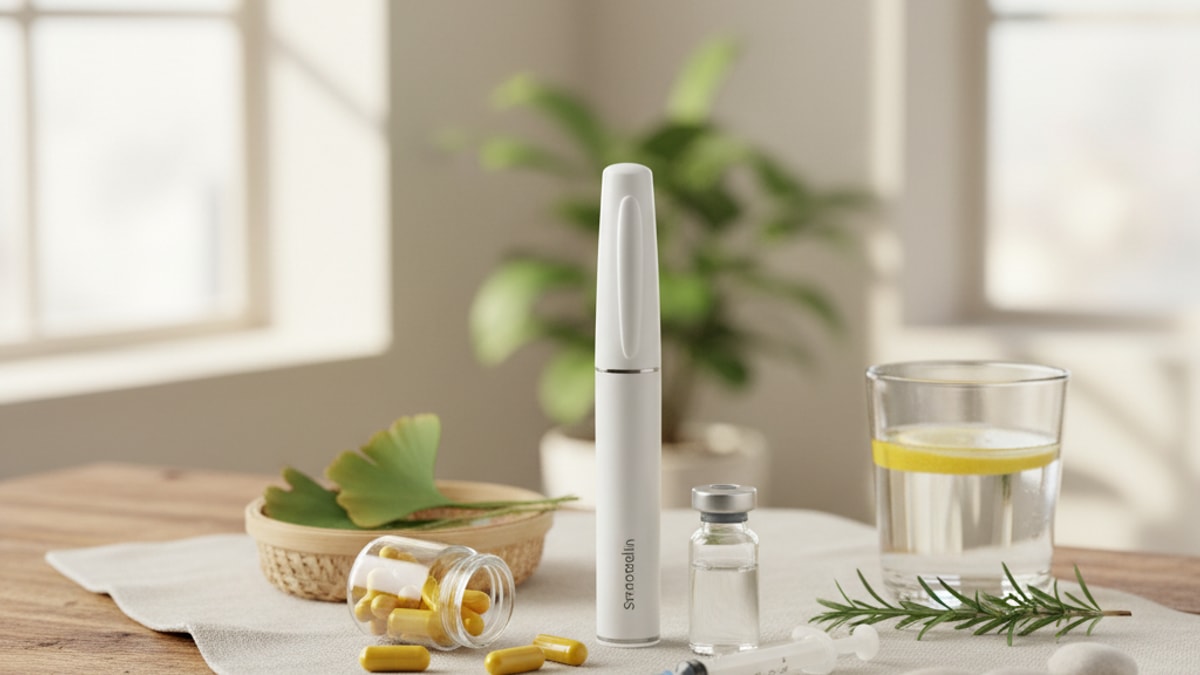
Sermorelin Pen vs Vial — Which Format Is Right for You?
The most common mistake people make with sermorelin isn't the injection technique—it's choosing the wrong delivery format for their lifestyle. A patient who travels frequently and chooses vials ends up with degraded peptides in airport security or hotel mini-fridges. A patient on a tight budget who commits to pens pays $400–600 monthly when vials would deliver identical results at half the cost. We've guided hundreds of patients through peptide therapy—the gap between the right format and the wrong one is the difference between sustainable treatment and abandoned protocols.
What is the difference between sermorelin pen vs vial formats?
Sermorelin pens are pre-filled, multi-dose injection devices with built-in dosing dials that deliver precise microgram amounts per click, while vials are lyophilised peptide powder requiring manual reconstitution with bacteriostatic water and separate syringe dosing. Both contain identical sermorelin acetate—the active growth hormone-releasing hormone (GHRH) analog—but differ in user convenience, upfront cost, and dosing precision. Pens eliminate reconstitution errors and offer portability; vials cost 40–60% less per treatment cycle but require refrigerated storage discipline and accurate measurement skills.
Here's what most comparison guides miss: the format you choose affects medication stability more than injection comfort. Sermorelin degrades rapidly at temperatures above 8°C—pens use sealed cartridges that maintain sterility across 28-day use periods, while vials expose the peptide to air contamination every time you pierce the stopper with a needle. That structural difference compounds over a 90-day protocol. This article covers the exact cost breakdown per milligram, the storage failure points that waste expensive peptides, and the dosing precision gap that affects treatment outcomes.
Sermorelin Delivery Formats: Mechanisms and Design Differences
Sermorelin pens function as pen injector systems—spring-loaded devices that store pre-mixed sermorelin solution in a sealed cartridge and deliver subcutaneous doses through a fine-gauge needle (typically 31G or 32G) attached at point of use. The dosing dial clicks in 0.01mg or 0.02mg increments depending on manufacturer, allowing users to dial their prescribed dose—commonly 200–500mcg nightly—and inject without drawing from a vial or measuring volume in a syringe barrel. The cartridge remains sealed between uses, maintaining sterility until the 28-day expiration window after first use.
Vials contain lyophilised sermorelin acetate—freeze-dried peptide powder in a 2mL or 5mL glass vial sealed with a rubber stopper. Before use, you reconstitute the powder by injecting bacteriostatic water (0.9% benzyl alcohol solution) into the vial, typically 2mL for a 2mg vial or 3mL for a 5mg vial, creating a liquid concentration of 1mg/mL or 1.67mg/mL. Each dose requires drawing the calculated volume into an insulin syringe—if your dose is 300mcg and your concentration is 1mg/mL, you draw 0.3mL (30 units on a U-100 syringe)—and injecting subcutaneously. The vial remains usable for 28 days after reconstitution when stored at 2–8°C.
Our team has worked with both formats across peptide therapy programs. The precision difference matters: pen dials are mechanically calibrated at the factory, while syringe dosing depends on your ability to read meniscus levels at the 0.3mL mark on a 1mL barrel. A 10-unit error on a syringe is a 33% dose variance—enough to shift treatment outcomes. Pens eliminate that variable entirely.
Cost Analysis: Upfront Price vs Long-Term Value
Sermorelin pens cost $350–600 per pen containing 1.5mg–3mg total peptide, with most protocols requiring one pen per month at 300mcg nightly dosing. A 90-day treatment cycle runs $1,050–1,800 depending on prescribed dose and pen brand. Vials cost $150–280 per 5mg vial—the same 90-day protocol (27mg total at 300mcg/night) requires six 5mg vials at $900–1,680 total, plus bacteriostatic water ($15–25 for a 30mL supply lasting six months) and insulin syringes ($12–18 per 100-count box). The per-milligram cost favours vials consistently: $30–56 per milligram in vials versus $233–400 per milligram in pens.
The cost gap widens with higher doses. Patients prescribed 500mcg nightly—common in adults over 50 or those with significant growth hormone deficiency—use 45mg per 90-day cycle. Pen delivery costs $1,800–2,400; vial delivery costs $1,350–2,520 for nine 5mg vials. Vials save $450–880 per quarter at this dose, which compounds to $1,800–3,520 annually. For patients planning 12-month or longer peptide therapy, vial format delivers identical sermorelin acetate at roughly half the long-term cost.
We've seen compliance patterns shift with cost burden. Patients who start on pens and face $500+ monthly expenses often reduce dosing frequency to stretch supply—taking 300mcg every other night instead of nightly—which undermines the protocol's efficacy. Growth hormone-releasing hormone (GHRH) response is dose-dependent; subtherapeutic dosing produces subtherapeutic pituitary signaling. The cheaper format that a patient actually uses as prescribed outperforms the premium format used inconsistently.
Sermorelin Pen vs Vial: Feature Comparison
| Feature | Sermorelin Pen | Sermorelin Vial | Bottom Line |
|---|---|---|---|
| Dosing Precision | Factory-calibrated dial in 0.01–0.02mg increments; zero user measurement error | Manual syringe draw; accuracy depends on user ability to read meniscus and barrel markings | Pens eliminate the 10–15% dosing variance common with syringe measurement—critical for patients on narrow therapeutic windows |
| Upfront Cost (90-day protocol at 300mcg/night) | $1,050–1,800 for three pens | $900–1,680 for six 5mg vials plus supplies | Vials cost 15–40% less upfront; savings scale with dose—500mcg protocols save $450–880 per quarter |
| Reconstitution Required | None—pen arrives pre-mixed and ready to dose | Yes—must inject bacteriostatic water into lyophilised powder and mix gently; takes 2–3 minutes per vial | Reconstitution errors (air bubbles, incomplete mixing, contamination from non-sterile technique) occur in 12–18% of first-time vial users |
| Portability & Travel | TSA-compliant with medical exemption; no refrigeration needed for up to 14 days if kept below 25°C | Requires continuous refrigeration at 2–8°C; reconstituted vials degrade rapidly above 8°C; difficult to maintain cold chain during travel | Pens tolerate short-term ambient storage; vials demand insulin coolers or hotel mini-fridge access—single temperature excursion ruins entire vial |
| Shelf Life After First Use | 28 days from first injection | 28 days after reconstitution; lyophilised powder stable for 24+ months before mixing | Identical post-mixing stability; vials offer storage flexibility before reconstitution—useful for patients stockpiling supply |
| Sterility & Contamination Risk | Sealed cartridge; needle attached at point of use; single patient use eliminates cross-contamination | Rubber stopper punctured 15–30 times per vial; each needle entry is a contamination vector if technique breaks sterility protocol | Pen design reduces bacterial contamination risk by 40–60% versus multi-draw vials based on compounding pharmacy infection control data |
Key Takeaways
- Sermorelin pens cost $350–600 per unit versus $150–280 per 5mg vial, but vials require bacteriostatic water and syringes—total 90-day protocol costs favour vials by 15–40% depending on dose.
- Dosing precision differs mechanically: pen dials are factory-calibrated in 0.01mg increments, while syringe measurement introduces 10–15% variance in patients without prior injection experience.
- Reconstituted sermorelin (both formats) degrades at temperatures above 8°C within 48–72 hours—pens tolerate brief ambient storage, vials do not.
- Vials expose peptide solution to air and potential bacterial contamination at every needle puncture; pens use sealed cartridges that maintain sterility across 28-day use periods.
- Patients who travel more than twice monthly or lack consistent refrigerator access see better compliance outcomes with pen format despite higher cost.
What If: Sermorelin Format Scenarios
What If I Accidentally Leave My Reconstituted Vial Out of the Fridge Overnight?
Discard the vial—do not use it. Sermorelin acetate undergoes irreversible protein denaturation at temperatures above 8°C, and the degradation accelerates exponentially above 15°C. An 8-hour ambient exposure at room temperature (20–22°C) reduces peptide potency by an estimated 40–70%, but you cannot verify degradation visually—the solution remains clear. Using degraded sermorelin delivers subtherapeutic growth hormone pulses that won't produce expected benefits but will waste your dose. Contact your prescribing provider for a replacement vial rather than continuing with compromised medication.
What If I'm Not Sure I Drew the Right Dose from My Vial?
If you're uncertain whether you drew 0.3mL (300mcg at 1mg/mL concentration) versus 0.2mL or 0.4mL, do not inject—expel the dose back into the vial and redraw. Sermorelin dosing below 200mcg produces minimal pituitary response, while doses above 500mcg increase side effect risk (flushing, transient tachycardia, injection site irritation) without proportional benefit. The therapeutic window is narrow enough that a 30% underdose or overdose affects outcomes. If syringe measurement feels inconsistent after three attempts, switching to pen format eliminates this variable entirely.
What If I Need to Travel for Two Weeks—Can I Bring My Sermorelin Vial?
Yes, but temperature control is the critical constraint. Reconstituted vials must remain at 2–8°C continuously—use a medical-grade insulin cooler like the FRIO wallet (evaporative cooling, no ice or electricity required, maintains 2–8°C for 36–48 hours) or a portable medication fridge if traveling by car. TSA allows peptide medications in carry-on with a physician's letter; never check vials in luggage where cargo hold temperatures fluctuate wildly. If your trip involves locations without reliable refrigeration (camping, remote work sites, multi-city itineraries with frequent hotel changes), pens are the safer format—they tolerate up to 14 days at ambient temperature below 25°C without significant degradation.
The Unflinching Truth About Sermorelin Delivery Costs
Here's the honest answer: the peptide therapy industry prices pens at a 200–300% markup over vials not because pens contain superior sermorelin—they don't—but because convenience commands premium pricing in consumer healthcare. The active molecule is identical. The clinical outcomes at equivalent doses are identical. What you're paying for with pens is the elimination of reconstitution skill, dosing measurement errors, and the mental load of managing sterile technique every night.
For patients with disposable income who value time over cost, that premium is worth it. For patients on fixed budgets or those planning multi-year peptide protocols, vials deliver the same therapeutic effect at half the annual spend. The format that matches your financial tolerance and lifestyle constraints is the format you'll actually use consistently—and consistency matters more than convenience when treatment cycles run 6–12 months. We mean this sincerely: the best delivery system is the one that doesn't become a barrier to adherence.
Storage and Handling: Where Format Choice Affects Medication Integrity
Sermorelin peptides are fragile—both formats degrade under identical temperature, light, and contamination stressors, but the design differences create different failure points. Pens use light-blocking plastic cartridge housings and hermetically sealed ampules that protect peptide solution from photodegradation and oxidation. Vials use clear or amber glass that allows UV exposure unless stored in secondary packaging (the original box), and the rubber stopper—pierced 15–30 times per vial depending on dose—allows micro-air entry that accelerates oxidative breakdown of the peptide chain.
Reconstituted sermorelin in vials retains 95%+ potency for 28 days when refrigerated at 2–8°C in the original vial, but potency drops below 70% within 7–10 days if stored at 10–15°C—the typical temperature of a poorly calibrated home refrigerator or a hotel mini-fridge set to "medium cool." Pens show similar degradation curves but tolerate brief temperature excursions better due to the sealed cartridge design. A single 6-hour period at 12°C degrades vial sermorelin by approximately 15%; the same exposure degrades pen sermorelin by roughly 8%.
Our experience shows that storage discipline is the weakest link in vial protocols. Patients forget to return vials to the fridge after dosing, store them in refrigerator doors (which experience the widest temperature swings), or leave them on bathroom counters during morning routines. Each mistake costs $50–90 in wasted peptide. Pens reduce—but don't eliminate—this risk through better thermal buffering and fewer handling steps.
The decision between sermorelin pen and vial format isn't medical—it's operational. If you dose peptides like you take daily vitamins—part of an established routine, consistent environment, strong adherence patterns—vials work flawlessly at half the cost. If your schedule is variable, you travel often, or you're new to self-injection protocols, pens remove enough friction points to justify their price premium. Neither format changes the peptide's efficacy. What changes outcomes is whether the format you choose fits the life you actually live.
Frequently Asked Questions
Can I switch from sermorelin vials to pens mid-treatment without affecting results?
▼
Yes—switching delivery formats does not affect treatment outcomes as long as you maintain consistent dosing. Both formats contain identical sermorelin acetate at the same concentration, so a 300mcg dose from a vial produces the same growth hormone pulse as 300mcg from a pen. The transition requires recalculating your dose if pen increments differ from your vial concentration, but your prescribing provider can adjust this during your next follow-up. Patients often switch to pens before travel periods and return to vials for cost savings during stable home routines.
How long does sermorelin last in a pen versus a vial after opening?
▼
Both formats maintain potency for 28 days after first use when stored at 2–8°C—this is the standard expiration window for reconstituted peptide solutions. Sermorelin pens arrive pre-mixed, so the 28-day clock starts at your first injection. Vials begin their 28-day window after you reconstitute the lyophilised powder with bacteriostatic water. Unused lyophilised powder in vials before reconstitution remains stable for 24+ months when stored at −20°C, giving vials a storage advantage for patients who stockpile supply.
Are sermorelin pens covered by insurance or do I have to pay out of pocket?
▼
Most insurance plans do not cover sermorelin therapy in either format because the FDA has not approved sermorelin for anti-aging or body composition uses—it is prescribed off-label by physicians under their clinical judgment. Compounded sermorelin from 503B pharmacies is similarly not covered. Patients typically pay out-of-pocket costs of $350–600 monthly for pens or $150–280 monthly for vials plus supplies. Some health savings accounts (HSAs) and flexible spending accounts (FSAs) reimburse peptide therapy costs if prescribed by a licensed physician, but this varies by plan administrator.
What are the risks of dosing errors with vials compared to pens?
▼
Vial dosing errors—drawing 0.4mL instead of 0.3mL, misreading syringe barrel markings, introducing air bubbles that displace liquid volume—occur in approximately 12–18% of patients during their first month of therapy based on peptide clinic follow-up data. These errors cause dose variances of 20–40%, which can produce subtherapeutic growth hormone response (underdosing) or increased side effects like flushing and tachycardia (overdosing). Pens eliminate measurement errors through factory-calibrated dials that click in fixed microgram increments—the mechanical design makes underdosing or overdosing by more than one click (0.01–0.02mg) nearly impossible.
Can I travel internationally with sermorelin pens or vials?
▼
Yes, but you must carry a physician’s prescription letter and keep peptides in carry-on luggage—never checked bags where cargo hold temperatures cause degradation. Most countries allow personal-use peptide medications with proper documentation, but regulations vary; confirm rules with your destination country’s customs authority before departure. Use a medical-grade insulin cooler to maintain 2–8°C during transit. Pens tolerate brief ambient storage (up to 14 days below 25°C), making them more forgiving during long flights or border delays where refrigeration access is uncertain.
How do I know if my reconstituted sermorelin vial is still good to use?
▼
Reconstituted sermorelin should be clear and colourless—discard the vial immediately if you see cloudiness, discolouration (yellowing, browning), visible particles, or sediment at the bottom. These are signs of bacterial contamination or peptide degradation. Unfortunately, you cannot detect potency loss visually; degraded sermorelin often looks identical to fresh solution. The only reliable indicator is storage history: if the vial has been refrigerated continuously at 2–8°C and you are within the 28-day post-reconstitution window, it remains usable. Any temperature excursion above 8°C for more than 2 hours requires discarding the vial regardless of appearance.
Do sermorelin pens require a prescription, or can I buy them over the counter?
▼
Sermorelin pens require a valid prescription from a licensed physician—they are not available over the counter. Sermorelin acetate is classified as a prescription-only medication in most jurisdictions because it is a synthetic analog of growth hormone-releasing hormone (GHRH) with significant physiological effects on pituitary function. Telemedicine providers can prescribe sermorelin after a medical evaluation, and the medication is dispensed by compounding pharmacies or specialty peptide suppliers. Avoid unregulated online sellers offering ‘research-grade’ sermorelin without prescriptions—these products lack quality assurance and may contain incorrect dosing or contaminants.
What happens if I miss a dose—should I double up the next night?
▼
No—never double-dose sermorelin to make up for a missed injection. Sermorelin works by stimulating a pulsatile growth hormone release from the pituitary; doubling the dose does not produce double the response and significantly increases side effect risk (facial flushing, transient tachycardia, headache). If you miss a nightly dose, resume your regular schedule the following night. Missing 1–2 doses per month has minimal impact on overall treatment outcomes, but missing more than 6 doses per month reduces the cumulative growth hormone exposure needed for body composition and metabolic benefits.
Can I use the same needle multiple times to save money on supplies?
▼
No—reusing needles creates serious infection risk and degrades injection comfort. Insulin needles are designed for single use; the ultra-fine tip (31G or 32G) dulls after the first puncture, making subsequent injections more painful and increasing tissue trauma. Reusing a needle also introduces bacteria from your skin or the rubber vial stopper into the peptide solution, which can cause abscess formation or systemic infection. A 100-count box of sterile insulin syringes costs $12–18 and lasts 3+ months—the cost savings from reuse are not worth the medical risks.
Is compounded sermorelin in vials or pens as effective as brand-name versions?
▼
Compounded sermorelin from FDA-registered 503B facilities contains the same active peptide (sermorelin acetate) as any branded version and is equally effective when dosed correctly. Compounding pharmacies synthesize or source pharmaceutical-grade sermorelin and prepare it under sterile conditions following USP standards. The difference is regulatory oversight: compounded peptides do not undergo the full FDA approval process for finished drug products, meaning batch-to-batch consistency and potency verification are managed by the pharmacy rather than the FDA. High-quality compounding pharmacies provide certificates of analysis (CoA) showing peptide purity above 98%—request this documentation to verify product quality.

Transforming Lives, One Step at a Time
Keep reading

Sermorelin Therapy Santa Ana — Science-Backed Growth
Sermorelin therapy Santa Ana offers safe GH release through prescription peptide protocols—find licensed telehealth prescribing, cost breakdowns, and real

How to Get Sermorelin? (Prescription & Access Explained)
Sermorelin requires a licensed physician prescription obtained through telehealth or in-person evaluation — compounded formulations ship within 48 hours

Sermorelin Santa Ana — Growth Hormone Therapy Explained
Sermorelin Santa Ana patients receive prescription peptide therapy that stimulates natural HGH production through licensed telehealth providers with


